
Auto Insurance in Nevada: Rates, Requirements & How to Save
You just got a quote for auto insurance in Nevada and the number feels high. Is that normal — and what can you actually do to bring it down without leaving yourself exposed? Here’s what really matters for Nevada drivers: the state’s minimums, typical price ranges, the levers that move your premium, and the smartest ways to compare quotes so you don’t overpay.
Nevada auto insurance requirements and minimum coverage
Nevada is an at-fault state, which means the driver who causes a crash is responsible for the resulting costs. To legally drive, you must carry at least these liability limits (the amount your insurer pays others if you’re at fault):
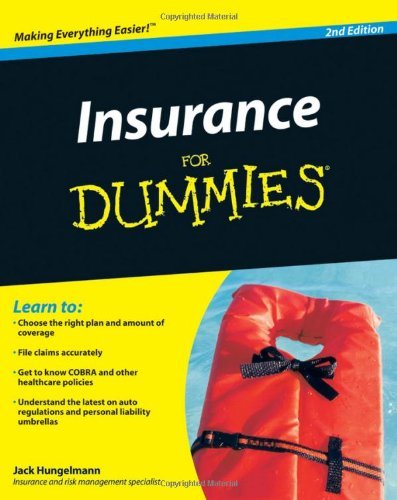
Insurance For Dummies?: Hungelmann, Jack
Whether you’re a homeowner or ... need on: ... Author Jack Hungelmann <strong>uses his twenty-five years of experience in the insurance industry to make buying insurance as simple as possible</strong>
Check Price on Amazon- Bodily injury liability: $25,000 per person and $50,000 per accident
- Property damage liability: $20,000 per accident
You’ll see this written as “25/50/20.” These are the state minimums — enough to register and operate a vehicle, but typically not enough to protect your savings or future wages if there’s a serious crash. Hospital bills and vehicle prices can blow past those limits fast.
A few other Nevada basics to know:
- Proof and verification of insurance: Nevada uses an electronic verification system to confirm active coverage. Lapses (even short ones) can trigger fines, registration holds, and, in some cases, an SR‑22 filing (a certificate your insurer files with the state to prove you carry the required insurance).
- Uninsured/underinsured motorist (UM/UIM): Insurers must offer UM/UIM (coverage that pays you if the at-fault driver has too little or no insurance), but you can reject it in writing. Given the number of underinsured drivers on the road, many Nevadans choose it.
- Medical payments (MedPay): Optional coverage that helps pay medical bills for you and your passengers, regardless of fault. It’s a relatively affordable add-on that can fill gaps if you have a high health insurance deductible.
- Comprehensive and collision: Often called “full coverage” when paired with liability. Collision pays to repair or replace your car after a crash; comprehensive pays for non-crash damage like theft, vandalism, fire, hail, or hitting an animal. Both come with a deductible (the amount you pay out of pocket before coverage kicks in). If you finance or lease, your lender will usually require these.
- Gap coverage: Optional coverage that pays the difference between your car’s loan/lease balance and its actual cash value if it’s totaled. Helpful on newer vehicles that depreciate quickly.
What most Nevada drivers actually carry: In many cases, going above the minimums — for example, 100/300/50 liability with UM/UIM matching those limits — is a smart middle ground. Add collision and comprehensive on vehicles you couldn’t easily replace out of pocket.
Average car insurance rates in Nevada by age, vehicle, and driving record
Let’s set expectations. Nevada premiums typically run higher than the national average, especially in and around Las Vegas, where traffic density, accident frequency, and theft rates are elevated. Your price depends on dozens of variables, but here are ballpark ranges many drivers see. These are not quotes and your own rates will vary.
By coverage level (clean driving record):
- Minimum liability only: often $700–$1,300 per year for a 30–40-year-old driver
- “Full coverage” (liability 100/300/50 plus comp/collision with a $500–$1,000 deductible): often $1,600–$2,700 per year
By age (same vehicle, clean record, full coverage):
- 16–19: $4,500–$7,500 per year (youthful driver risk drives rates up)
- 25: $1,900–$3,100 per year
- 35: $1,600–$2,700 per year
- 50: $1,400–$2,300 per year
- 70: $1,700–$2,800 per year
By location (35-year-old, clean record, full coverage):
- Las Vegas/Clark County: commonly near the high end of ranges above
- Reno/Sparks/Washoe County: moderate, often mid-range
- Rural counties: typically lower due to less traffic and theft
By vehicle type (35-year-old, clean record, full coverage):
- Older midsize sedan (paid off): $1,400–$2,100 per year
- Newer pickup or SUV: $1,700–$2,800 per year
- New EV: $2,000–$3,200 per year (parts/labor and repair networks can push rates up)
By driving record (35-year-old, full coverage, relative to a clean record):
- One at-fault accident: often +25% to +45% for 3–5 years
- One speeding ticket (15–20 mph over): often +10% to +25%
- DUI: often +60% to +100% and may require an SR‑22 for several years
Real-world example (illustrative only): Say you’re a 35-year-old in Henderson driving a 5-year-old SUV. With 100/300/50 liability, $500 deductibles, and a clean record, you might see quotes from around $1,800 on the low end up to $2,600+ from some carriers. Add a recent at-fault crash, and many quotes could jump into the mid-$2,000s to low-$3,000s.
Factors that affect Nevada auto insurance premiums
Insurers price risk — and Nevada’s risk profile can vary block by block. The biggest levers:
- Where you garage your car: ZIP codes with more traffic, claims, and theft (for example, parts of Las Vegas) see higher rates than quieter rural areas.
- Your driving history: Accidents, tickets, and DUIs raise premiums, sometimes for years. A clean record steadily lowers costs over time.
- Vehicle value and repair costs: Luxury brands, performance models, and new vehicles with expensive parts cost more to insure. Advanced safety features can help, but repairs can still be pricey.
- Coverage and deductibles: Higher liability limits cost more; raising your deductibles (the out-of-pocket amount before insurance pays) lowers your premium but increases what you’ll pay in a claim.
- Annual mileage and commute: Longer commutes and high annual mileage usually mean higher premiums.
- Credit-based insurance score: In most states, including Nevada, insurers may consider a credit-based insurance score (a measure of how likely you are to file a claim, not your loan eligibility). Improving your credit profile over time can help.
- Age and household makeup: Teen drivers and young adults are expensive; adding them to a family policy is usually cheaper than a standalone policy. Married drivers often see slightly lower rates.
- Prior insurance and lapses: Continuous coverage gets rewarded. Lapses can trigger Nevada DMV penalties and insurer surcharges.
- Telematics/usage-based programs: Many carriers offer app- or device-based programs that monitor driving habits (hard braking, speeding, time of day). Safe drivers can earn sizable discounts; driving at 1 a.m. on weekends might hurt your score.
What insurers rarely say out loud: The "right" company for your neighbor may be totally wrong for you. Each carrier weighs these factors differently. That’s why the same driver can see a $700 swing between two legitimate quotes.
How to compare and get the cheapest auto insurance in Nevada
Here’s a simple, Nevada-friendly way to shop without sacrificing protection.
- Decide on a coverage target
- Liability: Many drivers choose at least 100/300/50. If you own a home or have savings, consider going higher or adding an umbrella policy (extra liability coverage that sits on top of your auto and home policies).
- UM/UIM: Match your liability limits if you can. It protects you from underinsured drivers — a real risk on Nevada roads.
- Comp/collision: Keep it on cars you can’t easily replace out of pocket. If your car is older and paid off, you might drop one or both to save money.
- Deductibles: A $1,000 deductible can save compared to $500; make sure you have that amount in an emergency fund.
- Compare quotes from 3–5 carriers
- Use the same coverages and deductibles with each quote so you’re comparing apples to apples.
- Mix it up: include a national brand, a regional carrier, and a mutual insurer. Pricing philosophies differ — that’s where you find savings.
- Bring every discount to the table
- Bundle auto + home/renters/condo.
- Enroll in telematics for a 30–90 day trial — safe driving can unlock strong ongoing savings.
- Ask about good student, multi-car, and continuous insurance discounts.
- Fine-tune for Nevada realities
- Commute: If you’ve moved or now work remotely, update your annual mileage — it can make a real difference.
- Anti-theft: Provide proof of a vehicle recovery device or VIN etching if you have it.
- Repair preferences: If OEM parts (original equipment) matter to you, ask how your policy handles repairs and parts.
- Compare service, not just price
- Claims reputation in Nevada, local repair networks, roadside assistance, and rental reimbursement all matter when something goes wrong on I‑15.
The fastest way to see what you would actually pay is to compare live quotes side by side. You can start here: Car Insurance Near Me: Compare Local Quotes & Find Agents Fast.
Nevada-specific discounts and savings opportunities
Every insurer has its own menu, but here are discounts and programs you’ll commonly find in Nevada:

Spy Tec Atlas GPS Tracker for Vehicles & Kids | Up ...
View on Amazon- Good driver: Accident- and violation-free drivers typically save the most.
- Multi-policy: Bundle auto with homeowners, renters, or condo insurance for a meaningful break.
- Multi-vehicle: Insure two or more cars on the same policy.
- Good student: Full-time students with a B average (or better) often qualify.
- Mature driver/defensive driving course: Some insurers offer a discount to drivers 55+ who complete an approved course — worth asking about if you qualify.
- Telematics/usage-based: Safe driving tracked via app or plug-in can cut costs. Evening and late-night driving in Vegas can hurt your score; daytime errands and smooth braking help.
- Low-mileage or pay-per-mile: If you drive infrequently or mostly within your neighborhood, ask about mileage-based options.
- Anti-theft: Factory immobilizers, alarms, and tracking devices may reduce comprehensive premiums.
- Employer/association: Certain large employers or professional groups may have affinity discounts.
Tip: Re-shop when your life changes — moving from the Strip to a quieter suburb, switching jobs to a shorter commute, or paying off a car can all shift your premium.
Filing a claim in Nevada: what to expect
Nobody plans on using their insurance, but here’s how it typically goes if you do:
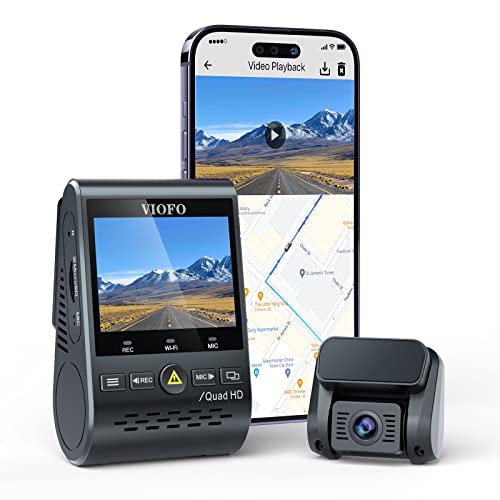
VIOFO Dual Dash Cam, 2K 1440P 60fps+1080P 30fps Front and Rear Dash Camera with Wi-Fi GPS, Parking Mode, Emergency Recording, Super Capacitor, Motion Detection (A129 Plus Duo) : Electronics
View on Amazon- Safety first and documentation
- Check for injuries and call 911 if anyone is hurt.
- Exchange information with the other driver(s): names, phone numbers, addresses, insurance company, policy number, and license plate.
- Take photos of vehicle positions, damage, road conditions, and any visible injuries.
- Contact law enforcement if required or if there’s significant damage or dispute about fault.
- Notify your insurer quickly
- Most policies require prompt notice. Your insurer will assign a claim number and an adjuster (the person who evaluates damage and coverage).
- Fault and Nevada’s comparative negligence rule
- Nevada uses modified comparative negligence. In simple terms: if you’re found 51% or more at fault, you generally can’t collect from the other party; if you’re 50% or less at fault, your recovery is reduced by your percentage of fault. Insurers negotiate this based on evidence.
- Repairs, total losses, and rental cars
- You choose the repair shop in most cases; carriers may suggest preferred shops with warranties.
- If the cost to repair approaches the car’s value, the insurer may declare a total loss and pay actual cash value (what your car was worth right before the crash), minus your deductible if you’re using your collision coverage.
- Rental reimbursement pays for a rental car while yours is being repaired if you added it to your policy. If you’re not at fault, the other driver’s insurer may cover your rental or loss-of-use — but timing can vary.
- Medical bills
- If you bought MedPay, it can help with immediate medical costs for you and your passengers regardless of fault. Otherwise, the at-fault driver’s bodily injury coverage (or your UM/UIM if they’re uninsured/underinsured) would come into play.
- Timelines and disputes
- Bodily injury claims generally must be filed within a limited time window under Nevada law. Many injury claims have a two-year statute of limitations, and property damage claims may allow more time, but specifics can vary — consider speaking with a licensed attorney for legal guidance.
- If you disagree with a settlement offer, ask for a detailed valuation, provide comparable vehicle listings, or consider an independent appraisal.
What to look for when choosing a Nevada auto policy
- Sufficient liability limits: Aim above 25/50/20. Think about what you own and what you earn; choose limits that match.
- Strong UM/UIM: Protect yourself from underinsured drivers. Matching your liability limits is common.
- Deductible you can afford: A $1,000 deductible isn’t a savings if you’d struggle to pay it after a crash.
- Rental reimbursement and roadside assistance: Low-cost add-ons that reduce headaches after a claim, especially if you commute daily.
- Claims support in Nevada: Look for good reviews on repair timelines and total-loss handling in your area.
- Rideshare coverage: If you drive for Uber or Lyft, get a rideshare endorsement (special coverage that fills the gaps when the app is on). Standard policies usually exclude that period.
Nevada examples: how coverage choices change price
- Young driver, liability-only: A 19-year-old in North Las Vegas with a 10-year-old sedan may choose minimum liability to keep costs under $1,500–$2,000 a year. That’s cheaper, but one serious crash could exceed 25/50/20 in minutes.
- Family with teen, full coverage: A Sparks household with two cars adds a 17-year-old. Bundling home + auto, raising deductibles to $1,000, and enrolling in telematics can keep the increase manageable — often saving several hundred dollars a year vs. not bundling.
- Empty nesters, paid-off car: A couple in Elko with paid-off vehicles switches to liability 100/300/50, keeps UM/UIM, drops collision on a 12-year-old pickup, and saves $400+ annually. They keep collision on the newer SUV.
Looking for a quick, apples-to-apples view of your options? Compare 3–5 Nevada quotes now: Car Insurance Near Me: Compare Local Quotes & Find Agents Fast.
FAQ: common questions about Nevada car insurance
- Is Nevada no-fault? No. Nevada is an at-fault state. The driver who causes the crash is responsible for damages.
- What happens if my insurance lapses? Nevada can assess fines and fees, may suspend your registration, and some situations require an SR‑22 (proof of financial responsibility) for a period, often three years. Insurers may also surcharge for a lapse.
- Do I need UM/UIM? It’s optional, but widely recommended in Nevada. It protects you if an at-fault driver doesn’t have enough insurance.
- Does my policy cover me in other states? Typically yes. Your liability coverage usually adjusts to meet the other state’s minimums when you drive there. Check your policy for details.
- Does insurance follow the car or the driver? Liability and physical damage coverage generally follow the car, but it depends on the policy and situation (for example, permissive users). Ask your agent how your insurer handles non-household drivers.
- How much liability should I carry? Many drivers choose at least 100/300/50. If you have assets to protect, consider higher limits or an umbrella policy.
- What if I drive for Uber or Lyft? You’ll need a rideshare endorsement or a specialized policy to cover the period when the app is on but you haven’t accepted a ride. Without it, you may have a coverage gap.
- Will a speeding ticket affect my rate? Usually yes, for 3–5 years. The impact depends on how fast you were going and your overall record.
- Can I get a discount for a defensive driving course? Often. Ask your insurer about approved Nevada courses — especially if you’re 55+.
A quick note on personalized advice
Insurance is personal. Your ideal mix of coverages and carriers depends on where you live, your vehicle, your driving record, and your budget. A licensed Nevada agent can help you tailor a policy and spot discounts you might miss.
Your next step
- Set a coverage target (liability, UM/UIM, deductibles).
- Gather your driver and vehicle info.
- Compare quotes from 3–5 carriers side by side. The quickest way is here: Car Insurance Near Me: Compare Local Quotes & Find Agents Fast.
Rates always vary by individual circumstances, but with a clear plan and a few smart moves, most Nevada drivers can find solid protection at a fair price.
Recommended Resources
Insurance For Dummies?: Hungelmann, Jack
Whether you’re a homeowner or ... need on: ... Author Jack Hungelmann <strong>uses his twenty-five years of experience in the insurance industry to make buying insurance as simple as possible</strong>
VIOFO Dual Dash Cam, 2K 1440P 60fps+1080P 30fps Front and Rear Dash Camera with Wi-Fi GPS, Parking Mode, Emergency Recording, Super Capacitor, Motion Detection (A129 Plus Duo) : Electronics
Buy VIOFO Dual Dash Cam, 2K 1440P 60fps+1080P 30fps Front and Rear Dash Camera with <strong>Wi-Fi GPS, Parking Mode</strong>, Emergency Recording, Super Capacitor, Motion Detection (A129 Plus Duo): On
Spy Tec Atlas GPS Tracker for Vehicles & Kids | Up ...
Our trackers are usable all over the United States and, thanks to 4G LTE, can also be used anywhere in the world.
Related Articles
- Auto Insurance in Nebraska: Rates, Requirements & How to Save
- Auto Insurance in Arizona: Rates, Requirements & How to Save
- Auto Insurance in California: Rates, Requirements & How to Save
- Home Insurance in Nevada: Coverage, Costs & Best Companies
- Auto Insurance in Hawaii: Rates, Requirements & How to Save
- Auto Insurance in New York: Rates, Requirements & How to Save
- Auto Insurance in Louisiana: Rates, Requirements & How to Save
- Auto Insurance in New Mexico: Rates, Requirements & How to Save