
Auto Insurance in Arizona: Rates, Requirements & How to Save
You just got a quote for auto insurance in Arizona and it feels high. Is that normal? What’s actually required to drive legally here, and how do you find a better price without cutting corners on coverage? Let’s walk through what matters in Arizona—requirements, real-world pricing examples, smart ways to compare, and how claims work—so you can make confident choices.
Auto Insurance in Arizona: State Minimums and Required Coverage
Arizona is an at-fault (tort) state. That means the driver who causes a crash is responsible for the damages. Every vehicle on Arizona roads must carry at least the state’s minimum liability limits:
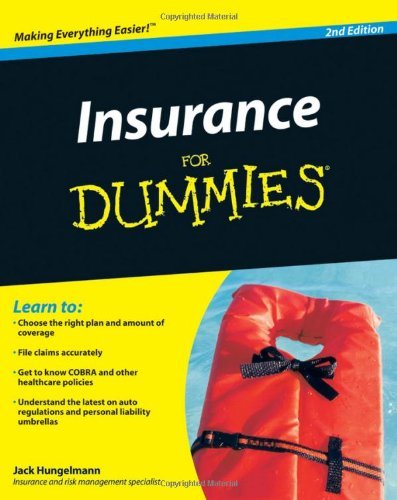
Insurance For Dummies?: Hungelmann, Jack
Whether you’re a homeowner or ... need on: ... Author Jack Hungelmann <strong>uses his twenty-five years of experience in the insurance industry to make buying insurance as simple as possible</strong>
Check Price on Amazon- Bodily injury liability: 25/50 — $25,000 per person and $50,000 per accident for injuries you cause to others
- Property damage liability: 15 — $15,000 per accident for damage you cause to someone else’s property
Liability pays the other party, not you. If your limits are too low and a claim exceeds them, you could be personally responsible for the difference. In most cases, drivers choose higher limits such as 100/300/50 (that’s $100,000 per person, $300,000 per accident for injuries, and $50,000 for property damage) to better protect savings and future income.
Other coverages you’ll see in Arizona:
- Uninsured/Underinsured Motorist (UM/UIM): Covers your injuries if the at-fault driver has no insurance or not enough. Insurers must offer it in Arizona, but you can reject it in writing. It’s typically a smart add because roughly one in eight drivers nationally is uninsured, and Arizona’s rate often runs above that.
- Medical payments (MedPay): Optional coverage that helps with your and your passengers’ medical bills regardless of fault. It has no deductible (the part you pay before insurance pays) and can coordinate with health insurance.
- Collision: Pays to repair/replace your car after a crash, regardless of fault. It comes with a deductible you choose, like $500 or $1,000.
- Comprehensive: Covers non-crash damage—think theft, vandalism, hail, flooding from monsoon storms, falling objects, and animal strikes—also subject to a deductible.
- Full glass coverage: Many Arizona insurers offer an optional endorsement that repairs or replaces your windshield with little or no deductible. It’s popular here because windshield chips and cracks are common.
- Gap coverage: If your car is financed or leased, gap can cover the difference between your loan/lease balance and your car’s actual cash value after a total loss.
Proof of insurance is required to register your car, and Arizona’s electronic system can verify active coverage. Lapses may lead to registration suspension and fees. The state also allows certain financial responsibility alternatives (like a bond or certificate of deposit with the state) instead of a policy, but the requirements are strict and most drivers find a standard policy more practical—check ADOT for current rules if you’re considering this path.
Want a refresher on what each coverage does? See our primer: Understanding Auto Insurance Coverage Types.
Average car insurance rates in Arizona by age, vehicle, and driving record
Let’s talk price ranges you might actually see. These are illustrative examples based on recent market quotes in Arizona; your rate will vary by driver profile, vehicle, garaging ZIP code, and insurer.
Clean-driving 35-year-old in Phoenix with a 2019 Toyota Camry
- State-minimum liability only: typically $55–$110 per month
- Full coverage (100/300/50 with $500 deductibles, plus comprehensive and collision): typically $140–$230 per month
25-year-old in Tucson with a 2021 Honda Civic, clean record
- Minimum: typically $75–$140 per month
- Full coverage: typically $170–$290 per month
50-year-old in Mesa with a 2022 Ford F-150, clean record
- Minimum: typically $50–$100 per month
- Full coverage: typically $150–$260 per month
18-year-old on a parent’s policy in Chandler, 2016 Corolla
- Added premium for the teen: often $140–$300+ per month (on top of the parents’ base), depending on grades, telematics, and tickets
35-year-old in Flagstaff driving a 2023 EV (e.g., Tesla Model 3)
- Full coverage: commonly $190–$350+ per month due to repair costs and parts availability
How driving record changes the picture (ballpark effects):
- One recent speeding ticket (10–15 mph over): often +15% to +25%
- At-fault property damage crash: often +25% to +45%
- DUI: often +60% to +100% and an SR-22 (proof of future financial responsibility) may be required
City-to-city differences: Phoenix and surrounding Maricopa County areas often price higher than Flagstaff, Prescott, or Yuma due to traffic density, theft rates, and claim frequency. Tucson typically lands in the middle.
These examples are not quotes or guarantees—just the patterns we typically see. The fastest way to see what you would actually pay is to compare quotes from 3–5 carriers for the exact same coverage levels.
Factors that affect Arizona auto insurance premiums
Insurers price risk. Here’s what usually moves the needle in Arizona:
- Where you live and park: Phoenix metro rates often run higher than smaller towns because of more congestion, higher crash frequency, and vehicle theft.
- Your driving history: Tickets, at-fault crashes, and DUIs weigh heavily. Arizona also requires SR-22 filings after certain violations; this is a state filing your insurer submits to prove you carry required insurance.
- Vehicle type and repair costs: Newer trucks and EVs can cost more to insure due to parts prices and calibration for advanced safety systems.
- Annual mileage and commute: Longer Phoenix-area commutes generally mean higher exposure.
- Credit-based insurance score: Arizona allows insurers to use credit-based scores (where permitted by law). Better credit typically means lower rates.
- Age and experience: Newer drivers and seniors may see higher prices due to claim statistics.
- Coverage and deductibles: Higher liability limits and low deductibles cost more; raising deductibles can lower premiums, but be sure you can afford that out-of-pocket cost after a loss.
- Claims environment and weather: Monsoon storms, flash flooding, dust storms, and hail drive comprehensive claims. Months with more storm activity can affect overall pricing over time.
- Continuous coverage: A lapse—even for a few days—can spike rates when you restart a policy.
- Anti-theft features and garaging: Alarms, tracking, and safe overnight parking can help, especially where theft is a concern.
How to compare and get the cheapest auto insurance in Arizona
You don’t have to guess or overpay. Here’s a step-by-step plan that typically saves Arizona drivers real money without sacrificing the protections that matter.
- Decide on realistic coverage targets
- For most Arizona families: consider at least 100/300/50 liability. Add UM/UIM to match your bodily injury limits if budget allows—it protects you from underinsured drivers. Keep comprehensive and collision if your car is newer, financed, or if a big repair bill would sting; consider $500–$1,000 deductibles.
- Match apples to apples when you shop
- Pick your limits and deductibles once, then get quotes for the same setup from every insurer. That way you’re comparing price—not quietly trading away coverage.
- Get quotes from 3–5 different carriers (including regional options)
- Big names don’t always win in Arizona. Some regional or mid-size carriers quietly offer great pricing in certain ZIP codes or for specific cars.
- Check discount stacking
- Combine multi-car, multi-policy (bundle home/condo/renters), telematics (a plug-in or app that tracks driving), good student, and safe driver discounts. Ask about full glass coverage pricing—it’s often inexpensive and can save headaches.
- Dial in deductibles and mileage
- If you can comfortably handle a higher deductible, that can drop premiums. If you’re a true low-mileage driver or seasonal snowbird, ask about pay-per-mile or low-use options.
- Take a defensive driving course (when eligible)
- Some Arizona insurers give a discount for an approved course; it can also help with ticket mitigation depending on court eligibility and timing.
- Mind your credit and gaps in coverage
- Paying on time and avoiding lapses usually helps over the long run.
Quick next step: Get live Arizona quotes in minutes and see the spread for your exact profile. Start here: Car Insurance Quotes: Compare Rates & Get Personalized Quotes Fast.
Arizona-specific discounts and savings opportunities
Beyond the usual suspects, look for these Arizona-friendly angles:
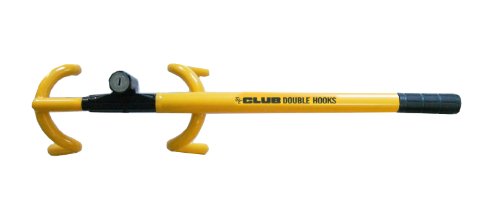
Winner International The Club 3000 Twin Hooks Steering Wheel Lock, Yellow : Automotive
View on Amazon- Full glass endorsement: Frequent windshield chips? A low-cost glass rider can pay for itself.
- Telematics/usage-based: Good for commuters with predictable, safe driving patterns or true low-mileage drivers (including many retirees and seasonal residents).
- Educator, first responder, military, and alumni group discounts: Common with many carriers—always ask.
- Home + auto bundle: Bundling is often a winner in Phoenix-area suburbs where homeowners insurance markets are competitive.
- Good student and driver training for teens: Keeping a 3.0 GPA (or equivalent) and completing driver ed can materially cut the added teen-driver premium.
- Anti-theft: Catalytic converter theft and overall auto theft fluctuate; anti-theft devices and VIN etching can qualify for discounts with some carriers.
- Pay-in-full and autopay: Fewer billing fees and small percentage discounts add up.
Filing a claim in Arizona: what to expect
Most claims follow a familiar rhythm, but a few Arizona specifics are helpful to know.
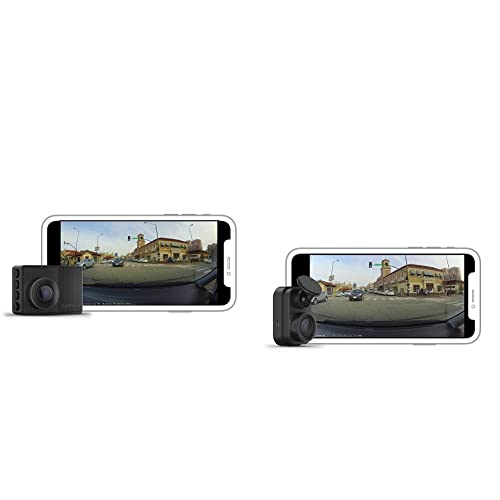
Garmin Dash Cam Mini 2, Tiny Size, 1080p and 140-degree FOV, Monitor Your Vehicle While Away w/ New Connected Features, Voice Control (Renewed) : Electronics
View on Amazon- Safety first and documentation
- Call 911 for injuries. Exchange information and take photos/video. If police respond, get the report number. Report the loss to your insurer promptly—many policies require “prompt notice.”
- Fault and Arizona’s comparative negligence rule
- Arizona uses comparative negligence. If both drivers share blame, each party’s payout is reduced by their percentage of fault. For example, if you’re 20% at fault, your recovery from the other driver’s insurer can be reduced by 20%.
- Choosing where to fix your car
- You can typically choose your repair shop. Insurers may suggest preferred shops with warranties, but the choice is generally yours. Ask about OEM parts vs. aftermarket and how your policy handles glass.
- Total loss and title
- If repairs exceed your car’s value (after adjusting for salvage), the insurer may declare a total loss and pay actual cash value (market value minus your deductible for first-party claims). If you have a loan or lease, gap coverage can help cover any shortfall owed to the lender.
- Diminished value (DV)
- If another driver is at fault, Arizona generally recognizes third-party diminished value claims—the idea that your car is worth less even after proper repair. First-party DV (against your own insurer) may be limited under your policy language. Ask your adjuster how to document DV if you’re pursuing it.
- Timelines and statutes
- Many injury and property damage claims must be resolved or filed in court within specific time limits (commonly two years in Arizona, but there are exceptions). For guidance on legal timeframes, consider speaking with an attorney.
- After a DUI or major violation
- Arizona may require an SR-22 filing (an insurer’s certificate proving you carry state-required coverage) for a period—often three years. Expect higher premiums during that time and shop broadly once you’re eligible.
FAQ: common questions about Arizona car insurance
Do I need “full coverage” in Arizona? “Full coverage” isn’t a policy type. Most people mean liability, collision, and comprehensive together. The state only requires liability, but if you finance or lease, your lender will require collision and comprehensive. Consider higher liability limits and UM/UIM, then add physical damage if you can’t self-pay repairs or a total loss.
Is uninsured motorist coverage worth it here? Typically yes. UM/UIM is relatively affordable and protects you and your passengers if hit by someone with little or no insurance. Many Arizona drivers choose UM/UIM limits equal to their liability limits.
How much does a DUI increase car insurance in Arizona? It varies by insurer, but premiums often jump 60%–100% and an SR-22 filing is usually required. Shop multiple carriers and consider a defensive driving/alcohol education program if eligible.
Can I use my Arizona policy when I drive into Mexico? U.S. policies generally don’t satisfy Mexican insurance requirements. If you drive into Mexico, you typically need a separate Mexico liability policy (daily or short-term policies are common). Some carriers offer limited Mexico endorsements near the border—ask your insurer before you go.
Is windshield replacement covered in Arizona? If you carry comprehensive, windshield damage is usually covered after your comprehensive deductible. Many Arizona insurers offer optional full glass coverage that can reduce or eliminate that deductible—worth pricing out because chips and cracks are common here.
Will a defensive driving course lower my premium? Often. Many carriers offer a discount for an approved course, especially for mature drivers or as part of a ticket diversion program (eligibility and rules vary by court and insurer).
What if I only drive seasonally (snowbird status)? Ask about low-mileage or pay-per-mile programs. If your car is stored, you may be able to adjust coverage, but don’t drop liability if the car will be driven at all—and avoid lapses that hurt future rates.
Should I buy higher liability limits if I don’t own much? Generally yes. Even if your assets are modest, wages and future income can be at risk after a serious at-fault crash. Higher limits are usually a good value compared to the potential exposure.
What to look for when choosing an Arizona auto insurer
- Strong liability protection: Aim for limits that match your risk tolerance, not just the minimum.
- Fair claims reputation: Check customer reviews in your area and ask local repair shops which carriers are easy to work with.
- Options you’ll actually use: UM/UIM, full glass, roadside assistance, rental reimbursement, and OEM parts endorsements.
- Price stability: Look for carriers that haven’t whipsawed rates recently; if your premium jumps at renewal, shop again.
- Financial strength: See how insurers operate and how to evaluate them here: Insurance Companies Explained: How They Work and How to Choose.
Note: For personalized guidance, it’s always reasonable to speak with a licensed Arizona agent who can weigh your exact vehicle, commute, and budget.
Your next step
The simplest way to see your real price for auto insurance in Arizona is to compare the same coverage with multiple carriers—ideally 3–5. You’ll quickly spot which companies like your specific profile and ZIP code.
- Start with live, side-by-side quotes: Car Insurance Quotes: Compare Rates & Get Personalized Quotes Fast
- Ready to lock in a deal today? Compare Car Insurance: Best Coverage and Price Today
We’re here to keep this simple, transparent, and on your terms. If your life changes (new car, move, teen driver), revisit quotes—Arizona markets shift, and shopping smart typically saves real money.
Recommended Resources
Insurance For Dummies?: Hungelmann, Jack
Whether you’re a homeowner or ... need on: ... Author Jack Hungelmann <strong>uses his twenty-five years of experience in the insurance industry to make buying insurance as simple as possible</strong>
Garmin Dash Cam Mini 2, Tiny Size, 1080p and 140-degree FOV, Monitor Your Vehicle While Away w/ New Connected Features, Voice Control (Renewed) : Electronics
Amazon.com: Garmin Dash Cam Mini 2, <strong>Tiny Size, 1080p and 140-degree FOV, Monitor Your Vehicle While Away w/ New Connected Features, Voice Control</strong> (Renewed) : Electronics
Winner International The Club 3000 Twin Hooks Steering Wheel Lock, Yellow : Automotive
The Club'S Patented Self-Locking Feature Locks With One Pull. Keyless Locking, for ease of use ... The Club 3000 Twin Hooks Steering Wheel Lock is <strong>a part of The Club line of quality produ
Related Articles
- Home Insurance in Arizona: Coverage, Costs & Best Companies
- Health Insurance in Arizona: Plans, Costs & How to Enroll
- Auto Insurance in Nevada: Rates, Requirements & How to Save
- Auto Insurance in Arkansas: Rates, Requirements & How to Save
- Auto Insurance in California: Rates, Requirements & How to Save
- Auto Insurance in Texas: Rates, Requirements & How to Save
- Auto Insurance in Maryland: Rates, Requirements & How to Save
- Auto Insurance in Georgia: Rates, Requirements & How to Save