
Health Insurance in Nevada: Plans, Costs & How to Enroll
You’re comparing health plans and the numbers aren’t adding up. Is that premium normal? Will your doctor be in-network? How do subsidies work here? If you’re shopping for health insurance in Nevada, here’s what actually matters so you can pick confidently and avoid costly surprises.
Note on rates and eligibility: Examples below are illustrative. Actual premiums and savings vary by age, income, household size, county, plan, and year. Plan availability and rules can change. When in doubt, speak with a licensed agent or check the Nevada Health Link (the state’s marketplace).
Health insurance in Nevada: your main options
Nevada residents typically get coverage through one of these paths:
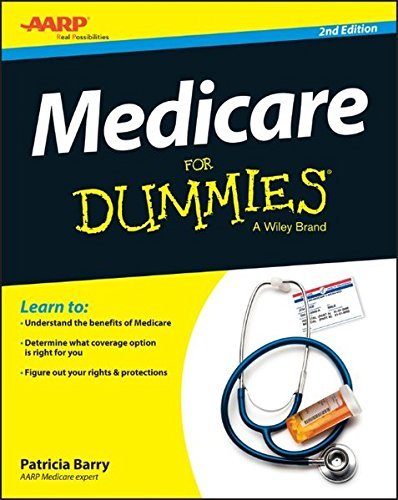
Medicare For Dummies: Barry, Patricia
That’s where Medicare For Dummies, <strong>4th Edition</strong> comes in, explaining how this complex system functions and helping you confidently navigate your way through the maze to get the most ou
Check Price on AmazonEmployer-sponsored insurance (ESI)
- What it is: A group plan offered by your job. Your employer usually pays part of the premium.
- Why it matters: It’s often the least expensive option for people who qualify. If the plan is considered “affordable” under federal rules, you usually can’t get marketplace subsidies.
Nevada Health Link (the state ACA marketplace)
- What it is: The official place to compare Affordable Care Act (ACA) plans and see if you qualify for federal premium tax credits (discounts that lower your monthly payment) and cost-sharing reductions (CSRs—extra help that lowers deductibles and copays for eligible Silver plans).
- Why it matters: For many Nevadans without job-based coverage, this is where you’ll find the best combination of price and benefits. Networks are typically HMO/EPO-style (managed care with no or limited out-of-network coverage except emergencies).
Nevada Medicaid and Nevada Check Up (CHIP for kids)
- What it is: No- or low-cost coverage for eligible low-income adults, children, pregnant people, seniors, and people with disabilities.
- Why it matters: If you qualify, this is usually your lowest-cost, most comprehensive option.
Medicare (generally 65+ or certain disabilities)
- What it is: Federal coverage with choices between Original Medicare plus a Part D drug plan, Medicare Advantage, and optional Medigap.
- Why it matters: If you’re nearing 65 or have qualifying disabilities, compare your Medicare choices separately—it’s a different set of rules than ACA plans.
Private, off-exchange individual plans
- What it is: ACA-compliant plans you buy directly from an insurer without using Nevada Health Link.
- Why it matters: Sometimes a carrier sells a plan off-exchange only. But you won’t be able to use premium tax credits off-exchange, so most people shop on Nevada Health Link first.
Short-term or limited-benefit plans
- What it is: Policies that are not ACA-compliant; they typically exclude preexisting conditions, omit essential benefits, and cap coverage.
- Why it matters: These can be risky gap fillers. Read exclusions closely and use caution if you have ongoing medical needs. Availability and limits can change depending on state rules.
Average health insurance premiums in Nevada by plan type and age
Here’s the big picture: Before subsidies, health insurance in Nevada follows the national age-rating curve—older adults can pay up to roughly three times what a 21-year-old pays for the same plan. Your county, insurer, and metal level also matter.
Ballpark monthly premiums before subsidies (individual coverage):
Age 21–27
- Bronze (lower premium, higher deductible): about $250–$350
- Silver (middle ground; unlocks CSR if eligible): about $330–$450
- Gold (higher premium, lower out-of-pocket): about $400–$550
Age 40
- Bronze: about $330–$450
- Silver: about $420–$560
- Gold: about $520–$680
Age 60
- Bronze: about $700–$1,000
- Silver: about $880–$1,250
- Gold: about $1,050–$1,450
What changes these numbers:
- County: Clark vs. Washoe vs. rural counties can see different prices and networks.
- Tobacco use: Insurers can add a tobacco surcharge.
- Household enrollment: Family plans often cost more in total but may have lower per-person averages.
- Subsidies: Many Nevadans pay much less than sticker price once the premium tax credit is applied.
Real-world examples (illustrative only):
- Single, age 30 in Clark County, $34,000 income: You may qualify for a premium tax credit that can bring a Silver plan’s monthly cost down significantly, sometimes under $100 for the lowest-cost Silver, depending on the year and available plans.
- Family of 4 in Washoe County, $78,000 income: Subsidies can be substantial. It’s common to see net premiums reduced by hundreds per month compared with the full price.
Pro tip: Always preview prices with your exact household info. The fastest way to see what you would actually pay is to compare quotes from 3–5 carriers side by side.
Nevada Medicaid eligibility and enrollment
Nevada has expanded Medicaid to cover more low-income adults. Eligibility is based on modified adjusted gross income (MAGI) for most groups, and there’s generally no asset test for MAGI-based categories.
Who may qualify:
- Adults ages 19–64 with incomes up to about 138% of the federal poverty level (FPL)
- Children at higher income thresholds through Nevada Check Up (CHIP)
- Pregnant people (higher income limits typically apply)
- People 65+ and those with disabilities may qualify under different rules (non-MAGI), which can involve resource tests and medically needy options
How to apply:
- Online: Access Nevada (state benefits portal) or start at Nevada Health Link, which can route you if your income looks Medicaid-eligible.
- Phone or in-person: State or county eligibility offices and certified community assisters can help.
- When coverage starts: If approved, Medicaid can sometimes cover recent medical bills retroactively (often up to 3 months prior), depending on eligibility and timing.
If your income changes during the year, report it. You can move between Medicaid and marketplace coverage—losing or gaining Medicaid typically triggers a Special Enrollment Period (SEP) on Nevada Health Link.
Nevada health insurance marketplace: open enrollment and special periods
Nevada runs a state-based marketplace called Nevada Health Link.
Key enrollment windows:
- Open Enrollment (OE): Typically runs from November 1 through mid-January. Enroll early if you want coverage to start January 1. Plans selected later in OE usually start the first of the following month.
- Special Enrollment Periods (SEP): You can enroll outside OE if you have a qualifying life event. Common examples include losing other coverage, moving to Nevada, marriage, birth or adoption, and certain changes to income or household size.
Timing rules to know:
- Most SEPs give you 60 days after the event to enroll (some allow 60 days before, too).
- If you lose coverage, try to submit an application before your old plan ends to avoid gaps.
- Documentation may be required—keep notices, proof of address, and vital records handy.
What about enhanced subsidies? In recent years, federal laws increased premium tax credits for many households. The duration of these enhanced amounts can change by year, so check current rules for the plan year you’re enrolling in.
How to compare and choose the best health plan in Nevada
Here’s exactly what to look at before you click “enroll.”
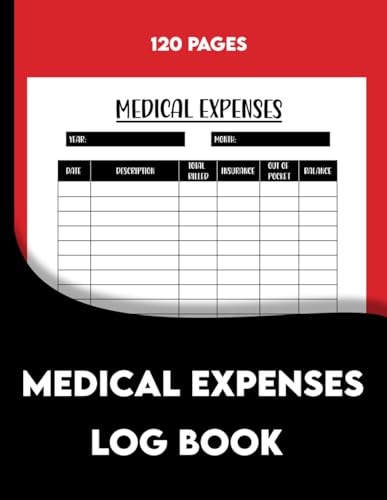
Medical Expense Log: A Tracker for Keeping Track of Your Medical Spending, Bills, and Payment All in One Place | Health Expense Organizer: Media, Tylissa A.: Amazon.com
View on AmazonYour doctors and hospitals
- Network: Is your primary care doctor, specialist, and preferred hospital in-network? In Nevada, many marketplace plans use HMO or EPO networks—meaning no or limited out-of-network coverage except emergencies.
- Access: If you live in a rural county, verify there are nearby in-network providers.
Your prescriptions
- Formulary: Check the plan’s drug list. Are your medications covered, and at which tier? Prior authorization or step therapy can affect costs.
- Pharmacies: Make sure your regular pharmacy is considered “preferred” when possible for lower copays.
Total annual cost, not just the premium
- Deductible: The amount you pay out of pocket before the plan pays for most services.
- Copay: A flat fee (like $30) you pay for certain services or drugs.
- Coinsurance: A percentage you pay after the deductible (for example, 20% of a hospital bill).
- Out-of-pocket maximum (OOPM): The most you’ll pay in a plan year for covered, in-network care before the plan covers 100%.
Metal tier fit (benefit richness)
- Bronze: Lowest premiums, highest out-of-pocket. Good for very light users who can afford surprise bills.
- Silver: Middle premiums, middle out-of-pocket. If you qualify for CSR (cost-sharing reductions), Silver can dramatically lower your deductible and copays—sometimes better than a Gold plan’s cost-sharing for those eligible.
- Gold/Platinum: Higher premiums, lower out-of-pocket. Better if you expect frequent care or want predictable costs.
CSR eligibility on Silver plans
- If your income qualifies, you’ll see a Silver plan labeled with a higher actuarial value (like 73, 87, or 94). That means the plan pays more of your costs—your deductible and copays shrink. You only get CSR by selecting a Silver plan through Nevada Health Link.
Referral and authorization rules
- Some HMOs require a referral from your primary care doctor before you see a specialist. Know the process so you don’t get surprise denials.
Extra benefits that matter to you
- Mental health and substance use treatment (covered as essential benefits, but networks and copays vary)
- Maternity care and pediatric services
- Telehealth, urgent care, and virtual mental health
- Wellness programs and chronic condition support
Customer service and plan management
- Look up complaint ratios and satisfaction scores when available. Consider the ease of getting authorizations and the clarity of bills and EOBs (explanations of benefits—insurer summaries of what was billed and what they paid).
Nevada example scenarios
- You’re a 27-year-old in Las Vegas with a few annual checkups and a generic prescription. A lower-premium Bronze plan could be cost-effective if you can afford the deductible for an unexpected injury. If your income qualifies for CSR, a Silver plan could offer much lower out-of-pocket costs for a small jump in premium.
- You’re a 45-year-old in Reno managing asthma and seeing a specialist twice a year. A richer Silver or Gold plan may save you money overall due to lower specialist copays and a smaller deductible.
- You’re a family in Elko with kids who play sports. Check urgent care options nearby and pediatric networks. A Silver plan with CSR (if eligible) often hits the sweet spot for both premium and predictable costs.
Helpful next step: The fastest way to see what you would actually pay is to compare quotes from 3–5 carriers using your exact doctors, drugs, and income. A licensed Nevada agent or navigator can do this with you at no cost.
Nevada-specific subsidies and financial assistance
Here’s what’s available to most Nevadans shopping individual coverage:
- Federal premium tax credits (APTC): Discounts that reduce your monthly premium when you buy a plan through Nevada Health Link and your household income falls within eligible ranges. The credit size changes with your income, household size, and the benchmark plan cost in your county.
- Cost-sharing reductions (CSR): Extra savings that reduce your deductible, copays, and out-of-pocket maximum when you pick a Silver plan and meet income limits.
- American Indians and Alaska Natives (AI/AN): If you enroll through the marketplace, you may qualify for special cost-sharing rules, including zero cost-sharing at certain income levels, and can change plans monthly.
- Nevada Medicaid and Nevada Check Up: No- or low-cost coverage if your income and situation qualify.
As of recent years, Nevada has not added its own state-funded premium subsidies on top of federal APTC. There is no state-level tax penalty for being uninsured; the federal individual mandate penalty is also $0. Always verify current-year rules before enrolling, since programs can change.
How to enroll in a Nevada Health Link plan
- Gather what you need: Social Security numbers (or document numbers), dates of birth, home address, estimated yearly income (pay stubs or prior-year tax return), and any current insurance details.
- Create or update your Nevada Health Link account and complete your application accurately—income estimates drive your subsidy.
- Compare plan details: Filter by your doctors, hospitals, and prescriptions first; then compare premiums vs. total expected costs.
- Enroll during Open Enrollment or a Special Enrollment Period and pay your first month’s premium (often called your “binder payment”) on time to activate coverage.
Medical Records Organizer Binder
View on AmazonConsumer tip: If your income changes mid-year, update your application. You could get a bigger discount right away—or avoid a surprise tax bill later if you were getting too much credit.
FAQ: common questions about Nevada health insurance
What’s the cheapest health insurance in Nevada?
- If you qualify, Medicaid is usually the lowest-cost option. On the marketplace, a Bronze plan often has the lowest premium, but a Silver plan with CSR can be cheaper overall if you qualify for extra savings.
When does my coverage start?
- During Open Enrollment, plans selected by key monthly deadlines generally start the first day of the following month. During SEPs, start dates follow event timing and submission rules—ask the marketplace or your agent for your exact effective date.
Is dental or vision included?
- ACA medical plans typically include pediatric dental and vision but not adult dental/vision. You can add stand-alone dental or vision coverage separately if you want it.
Can I keep my doctor?
- Maybe. Always search the plan’s provider directory before enrolling. Networks vary by carrier and county, and many Nevada marketplace plans are HMO/EPO networks.
What if I’m under 30?
- You may qualify for a Catastrophic plan (high deductible, low premium) if you’re under 30 or have a hardship/affordability exemption. Compare carefully; sometimes a subsidized Silver plan is a better deal.
Are short-term plans allowed?
- Short-term and limited-benefit plans can exist but are not ACA-compliant and typically exclude preexisting conditions and many essential services. Rules and availability can change—verify current Nevada regulations before buying.
How do deductibles, copays, and coinsurance work?
- Deductible: What you pay before the plan starts paying for most services. Copay: A flat dollar amount for office visits or drugs. Coinsurance: A percentage you pay after meeting the deductible. All your in-network cost-sharing counts toward your out-of-pocket maximum.
Where can I get help?
- Licensed agents and certified navigators can explain your options, help you check doctor networks and drug coverage, and complete your application—typically at no cost to you.
A quick word on getting personalized help
Health insurance is personal—your doctors, prescriptions, and budget drive the right answer for you. A 20-minute conversation with a licensed Nevada agent or navigator can save you hours and help you avoid expensive gotchas. They can also confirm the latest enrollment dates, subsidy rules, and plan networks for your county.
Ready to compare your options?
- Smart next step: Get personalized quotes and compare 3–5 Nevada plans that include your doctors and prescriptions. See your real, after-subsidy price—this is the fastest way to understand what you’d actually pay.
- Keep it simple: Start with networks and your total annual cost. If you qualify for CSR, prioritize Silver plans first.
You’ve got this. With your info in hand and a clear checklist, choosing health insurance in Nevada can be straightforward—and far less expensive than it first appears.
Recommended Resources
Medicare For Dummies: Barry, Patricia
That’s where Medicare For Dummies, <strong>4th Edition</strong> comes in, explaining how this complex system functions and helping you confidently navigate your way through the maze to get the most ou
Medical Records Organizer Binder
Amazon.com: medical records organizer binder
Medical Expense Log: A Tracker for Keeping Track of Your Medical Spending, Bills, and Payment All in One Place | Health Expense Organizer: Media, Tylissa A.: Amazon.com
This medical expense log is <strong>a useful tool for tracking your healthcare expenses in one convenient place</strong>. You can use it to record the date, amount, and purpose of each payment you mak
Related Articles
- Health Insurance in Nebraska: Plans, Costs & How to Enroll
- Auto Insurance in Nevada: Rates, Requirements & How to Save
- Health Insurance in Wyoming: Plans, Costs & How to Enroll
- Health Insurance in Idaho: Plans, Costs & How to Enroll
- Health Insurance in New Hampshire: Plans, Costs & How to Enroll
- Health Insurance in Arizona: Plans, Costs & How to Enroll
- Health Insurance in Utah: Plans, Costs & How to Enroll
- Health Insurance in New Mexico: Plans, Costs & How to Enroll