
Auto Insurance in New York: Rates, Requirements & How to Save
You just got a quote for auto insurance in New York and the numbers seem high. Is that normal? Short answer: often, yes—especially if you live in or near NYC. But you have more control than you may think. This guide breaks down New York’s no-fault rules, typical rates, and the smartest ways to compare policies so you’re not overpaying.
Auto insurance in New York: what’s required
New York is a no-fault state. That means your own policy’s personal injury protection (PIP) pays for your medical costs after a crash—no matter who caused it—up to your limits. Here are the minimums you must carry to register a vehicle in New York:
- Bodily injury liability (pays for injuries you cause to others): $25,000 per person / $50,000 per accident
- Property damage liability (pays for damage you cause to others’ property): $10,000 per accident
- Death benefit minimums: $50,000 per person / $100,000 per accident (a New York-specific add-on to the BI minimums)
- Personal Injury Protection (PIP): $50,000 per person (basic no-fault)
- Uninsured motorist (UM) for bodily injury: $25,000 per person / $50,000 per accident (required at least at the BI minimums)
A few New York-specific nuances that actually matter:
- Basic no-fault (PIP): Covers medical bills, 80% of lost wages (up to a set cap), and some household help. It does not pay for pain and suffering.
- Supplementary UM/UIM (often shown as SUM): This protects you if you’re hit by a driver with too little liability coverage. In New York, SUM is typically matched to your liability limits by default unless you choose lower limits in writing. It’s one of the best-value add-ons in the state.
- Additional PIP options: You can add APIP (Additional PIP) and OBEL (Optional Basic Economic Loss) to increase medical and wage coverage if you want more than the $50,000 basic limit.
- Continuous coverage: Your vehicle must be insured by a New York–licensed insurer the entire time it’s registered. If you sell or store the vehicle, turn in your plates before you cancel to avoid suspension and penalties.
- Out-of-state driving: Your New York policy generally extends when you travel, and it typically “broadens up” to meet another state’s minimums if they’re higher.
Average car insurance rates in New York by age, vehicle, and driving record
Rates vary widely by borough, county, and even your block. Treat the numbers below as typical ranges, not promises. The fastest way to see your real price is to compare quotes from 3–5 carriers on the same day.
To keep examples consistent, let’s assume a 12,000-mile/year driver with a clean record and good credit (when used) and these coverages: minimum liability vs. “full coverage” (often 100/300/100 liability with comprehensive and collision and a $500–$1,000 deductible—your share before insurance pays).
- 35-year-old in Albany (2019 Toyota Camry)
- Minimum coverage: typically $1,100–$1,900 per year
- Full coverage: typically $1,900–$3,000 per year
- 35-year-old in Brooklyn (2019 Toyota Camry)
- Minimum coverage: typically $1,800–$3,000+ per year
- Full coverage: typically $3,000–$5,000+ per year
- 22-year-old in Buffalo (2017 Honda Civic)
- Minimum coverage: typically $1,800–$3,200 per year
- Full coverage: typically $3,200–$5,500 per year
- 60-year-old in Westchester (2021 Subaru Forester)
- Minimum coverage: typically $1,000–$1,700 per year
- Full coverage: typically $1,800–$3,000 per year
- After an at-fault accident (clean driver becomes “with accident”)
- Expect 20%–50% higher than the ranges above for 3–5 years, depending on your insurer
- After a DUI/DWI
- In most cases, premiums jump significantly—60%–100%+ is not unusual in New York
Vehicle type matters, too:
- High-theft models and luxury cars: Often much pricier, especially for comprehensive (covers non-crash losses like theft) and collision (covers your car after a crash you cause or a hit-and-run).
- Older paid-off cars: You may save by raising your collision/comprehensive deductibles—or dropping those coverages if the car’s value is low. In many NYC zip codes with higher theft risk, most people keep comprehensive even on older cars.
Reminder: these are illustrative. Your price depends on your exact profile, garaging address, driving history, and the insurer’s formula.
Factors that affect New York auto insurance premiums
Insurers look at dozens of inputs. The biggest ones in New York typically include:
- Where you live and park overnight: Densely populated and high-claim areas (many NYC zip codes) usually cost more than upstate suburbs.
- Mileage and use: Longer commutes, commercial use, or frequent rideshare/delivery can raise rates.
- Driving record: Moving violations and at-fault crashes matter. Even one speeding ticket can nudge you into a higher rating tier.
- Coverage choices: Higher liability limits, PIP upgrades (APIP/OBEL), and lower deductibles increase premiums.
- Vehicle type and cost to repair: Newer vehicles with expensive sensors cost more to fix.
- Claims history: Multiple small claims can raise rates, even if not at-fault.
- Credit-based insurance score: Many New York insurers use credit information (subject to state rules). Good credit typically helps, but the impact varies by company.
- Discounts and telematics: Defensive driving course, anti-theft devices, bundling, and usage-based programs can materially lower costs.
- Household factors: Additional drivers (especially young ones) and how many vehicles you insure together.
How to compare and get the cheapest auto insurance in New York
If you only do one thing, do this: compare the same coverage with at least 3–5 insurers. Companies price risk differently—what’s expensive with one can be hundreds less with another.
What to look for when you shop:
- Pick target limits before you quote
- Liability: Many New Yorkers choose 100/300/100 (instead of the state minimum 25/50/10) to better protect assets. Liability pays others if you cause injuries or damage.
- SUM (Supplementary UM/UIM): Match SUM to your liability BI limits if you can—it’s inexpensive protection for you and your family against underinsured drivers.
- PIP: Consider APIP or OBEL if you’d want more than $50,000 basic no-fault for medical and wages.
- Keep deductibles consistent across quotes
- Deductible = what you pay out of pocket before insurance kicks in. Common choices: $500 or $1,000 for collision and comprehensive.
- Ask about telematics trials
- Usage-based programs track behaviors like braking and time of day. In most cases, safe drivers can earn a discount; confirm whether rates can go up before enrolling.
- Capture every discount you qualify for
- Defensive driving course (state-approved) often saves 10% on certain coverages for three years. More on that below.
- Quote all drivers and cars together
- Multi-car and multi-driver pricing is typically better than separate policies.
- Compare repair options
- Some carriers have strong New York direct-repair networks and can guarantee repairs if you use them. You always have the right to choose your shop.
- Check claims service and NY-specific reviews
- Price matters, but in a no-fault state you want smooth PIP handling and responsive property damage service.
Pro tip: The fastest way to see what you would actually pay is to compare quotes from 3–5 carriers side-by-side, same day, with the same limits, deductibles, and drivers. A licensed agent can help you weigh PIP, SUM, and deductibles for your situation.
New York-specific discounts and savings opportunities
New York offers some uniquely valuable ways to save:
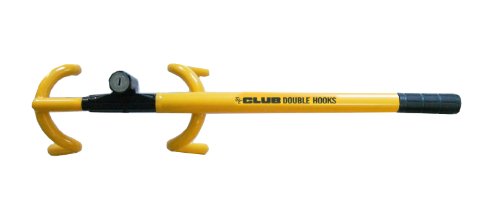
Winner International The Club 3000 Twin Hooks Steering Wheel Lock, Yellow : Automotive
View on Amazon- Defensive Driving Course (a.k.a. Point and Insurance Reduction Program)
- Take a New York–approved course online or in person and you typically get a 10% discount on the base premium for liability and PIP for three years. It can also reduce points on your license, depending on your situation.
- Telematics/usage-based insurance
- Especially helpful for drivers who travel off-peak or rack up low annual mileage. Ask about try-before-you-buy apps.
- Anti-theft and garage parking
- In higher-theft zip codes, approved anti-theft devices and secure garage parking can earn meaningful credits.
- Multi-policy bundling
- Combine auto with homeowners or renters to often save 5%–25% depending on the carrier.
- Young driver credits
- Good student (usually a B average or better) and student-away-at-school discounts can help offset high youth rates.
- Pay-in-full, autopay, and paperless
- Small but easy wins that can stack together.
- Group or affinity discounts
- Many carriers in New York offer savings for certain employers, unions, or alumni associations. It’s worth asking.
Cross-border commuters: If you regularly drive into neighboring states, it’s smart to know their rules and rates too. See our state guides for Auto Insurance in New Jersey: Rates, Requirements & How to Save and Auto Insurance in Connecticut: Rates, Requirements & How to Save.
Filing a claim in New York: what to expect
After an accident, here’s how the process typically works in a no-fault state like New York:
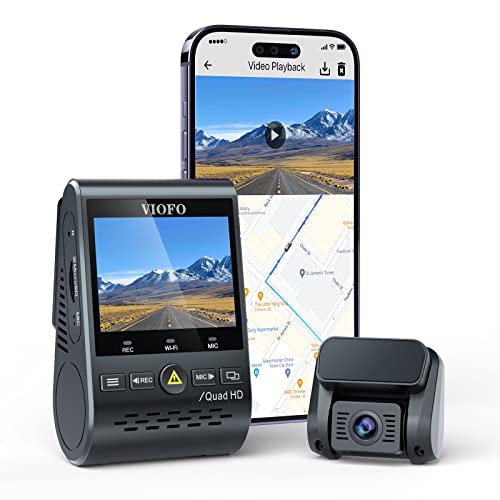
VIOFO Dual Dash Cam, 2K 1440P 60fps+1080P 30fps Front and Rear Dash Camera with Wi-Fi GPS, Parking Mode, Emergency Recording, Super Capacitor, Motion Detection (A129 Plus Duo) : Electronics
View on Amazon
How to Win Your Personal Injury Claim: Matthews, Joseph L.
Learn how to: - protect your rights ... to Win Your Personal Injury Claim <strong>provides your state's most recent laws, small-claims court limits and Department of Insurance contact information
Check Price on Amazon- Safety first and documentation
- Move to a safe spot, call 911 if needed, and exchange information. Take photos, note witnesses, and record the other driver’s insurance details.
- File your PIP (no-fault) claim promptly
- You usually must submit a no-fault application (often called NF-2) to your insurer within 30 days of the accident to preserve PIP benefits. Keep all medical bills and wage-loss proofs. Providers typically must submit bills within tight timeframes (often 45 days from service date).
- Choose how to repair your vehicle
- If you carry collision coverage, you can repair your car through your own insurer (minus your deductible) regardless of fault. If you don’t have collision, you can pursue the at-fault driver’s insurer for property damage; this may take longer while fault is investigated.
- Understand New York’s “serious injury” threshold
- Because New York is no-fault, you generally can’t sue for pain and suffering unless injuries meet a legal threshold (e.g., significant disfigurement, fracture, certain permanent limitations, or 90/180-day rule). An attorney can advise if this applies to you.
- UM/UIM claims
- If you’re hit by an uninsured or underinsured driver, your UM/UIM (SUM) may step in. Report promptly—deadlines can be strict.
- Report to DMV if required
- You must file a MV-104 with the DMV within 10 days if anyone is injured or if property damage likely exceeds $1,000. Failing to file can lead to penalties.
- Your choice of repair shop
- In New York, you have the right to choose your repair shop. Insurers can recommend preferred shops but can’t require one. They’ll base payment on prevailing labor and parts rates.
Real-world examples: what coverage choices look like
- Brooklyn commuter with a financed 2022 SUV
- Suggestion: Keep comprehensive and collision with a $1,000 deductible, consider APIP/OBEL for higher medical and wage protection, and match SUM to 100/300 BI. Ask about garage and anti-theft discounts.
- Albany family with two paid-off sedans
- Suggestion: Consider raising collision deductibles (or dropping on the older car if its value is low), keep comprehensive for theft/fire/weather, and take the defensive driving course for a 10% savings on PIP/liability.
- Queens rideshare driver
- Important: Personal policies typically exclude “driving for hire.” Make sure you have the proper rideshare endorsement and understand what Uber/Lyft cover in each period.
FAQ: common questions about New York car insurance
- Is New York a no-fault state?
- Yes. Your PIP covers your medical costs regardless of fault, up to your limits. You can only pursue pain-and-suffering damages if your injuries meet the state’s serious injury threshold.
- What are the minimum car insurance requirements in New York?
- 25/50/10 liability, basic PIP of $50,000, and UM of at least 25/50 for bodily injury. Death benefit minimums of 50/100 also apply. Many drivers choose higher limits.
- Do I need an SR-22 in New York?
- New York doesn’t generally use SR-22 forms. The DMV enforces continuous insurance. A lapse can trigger registration/plate suspension and significant penalties.
- Why are NYC rates so high?
- Dense traffic, higher theft and vandalism rates, and larger claim costs. Parking situation and garaging address matter a lot.
- Does credit affect my rate in New York?
- Many insurers use a credit-based insurance score (subject to state rules). Good credit can help; the impact varies by carrier.
- Are parking tickets a problem for insurance?
- Parking tickets typically don’t affect rates. Moving violations and crashes do.
- Is gap insurance required?
- Not by the state, but lenders and leasing companies often require it. Gap pays the difference if your car is totaled and you owe more than it’s worth.
- What if I let my insurance lapse?
- Expect fines, registration suspension, and fees to reinstate. If you’re storing the car, return plates before canceling your policy.
- Do I need special coverage for rideshare?
- Yes. Personal policies usually exclude driving for hire. Get a rideshare endorsement or a TNC-friendly policy; Uber/Lyft provide varying levels of coverage depending on the app period.
- Can I choose my own repair shop?
- Yes. It’s your legal right in New York. Your insurer will pay based on prevailing rates and your coverage.
A quick note on getting personal advice
Insurance is personal. A licensed agent can help you tailor PIP (including APIP/OBEL), set the right liability/SUM limits, and find discounts based on your driving and garaging address.
Your next step
- Ready to see real numbers? The smartest next move is to compare quotes from 3–5 insurers with the same limits and deductibles. It usually takes 10–15 minutes and can save you hundreds a year.
- Already insured? Ask your current carrier to re-rate your policy with updated mileage, a fresh telematics discount, or after you complete a defensive driving course. Then cross-check with at least two competitors.
Nothing in this article is a guarantee of coverage or price. Rates and eligibility vary by insurer and individual profile, and rules can change depending on your state. If you have questions about your specific situation, speak with a licensed New York agent.
Recommended Resources
How to Win Your Personal Injury Claim: Matthews, Joseph L.
Learn how to: - protect your rights ... to Win Your Personal Injury Claim <strong>provides your state's most recent laws, small-claims court limits and Department of Insurance contact information
VIOFO Dual Dash Cam, 2K 1440P 60fps+1080P 30fps Front and Rear Dash Camera with Wi-Fi GPS, Parking Mode, Emergency Recording, Super Capacitor, Motion Detection (A129 Plus Duo) : Electronics
Buy VIOFO Dual Dash Cam, 2K 1440P 60fps+1080P 30fps Front and Rear Dash Camera with <strong>Wi-Fi GPS, Parking Mode</strong>, Emergency Recording, Super Capacitor, Motion Detection (A129 Plus Duo): On
Winner International The Club 3000 Twin Hooks Steering Wheel Lock, Yellow : Automotive
The Club'S Patented Self-Locking Feature Locks With One Pull. Keyless Locking, for ease of use ... The Club 3000 Twin Hooks Steering Wheel Lock is <strong>a part of The Club line of quality produ
Related Articles
- Car Insurance in New York: Compare Quotes & Save on NY Auto Policies
- Home Insurance in New York: Coverage, Costs & Best Companies
- Auto Insurance in New Jersey: Rates, Requirements & How to Save
- Auto Insurance in Nevada: Rates, Requirements & How to Save
- Auto Insurance in California: Rates, Requirements & How to Save
- Auto Insurance in Delaware: Rates, Requirements & How to Save
- Auto Insurance in Louisiana: Rates, Requirements & How to Save
- Auto Insurance in Florida: Rates, Requirements & How to Save