
Renters Insurance in Nevada: What It Covers and How to Choose the Right Policy
You just signed a lease in Las Vegas, Reno, or Henderson and you’re wondering: Do I really need renters insurance in Nevada, what does it actually cover, and what will it cost me each month? Here’s the straightforward answer: renters insurance in Nevada is typically affordable protection for your stuff and your liability (the financial responsibility if you accidentally hurt someone or damage their property). Below, we’ll break down coverage, Nevada-specific risks, common gaps, what drives your price, and how to pick the right policy without overpaying.
What renters insurance in Nevada covers
A standard renters policy (often called an HO-4) bundles three core protections—personal property, liability, and loss of use—and lets you add optional endorsements. Let’s translate the jargon and use Nevada-specific examples.
Insurance for Dummies: Hungelmann, Jack
<strong>Manage life, health, and disability risks</strong> ― explore individual and group policies, understand Medicare basics, and evaluate long-term disability and long-term-care insurance ...
Check Price on AmazonPersonal property coverage (your stuff)
This pays to replace your belongings if they’re stolen or damaged by a covered peril (a cause of loss listed in the policy) like fire, smoke, vandalism, or certain types of water damage.
- Apartment in Las Vegas: A break-in leads to $3,000 in stolen electronics. Personal property coverage can pay to replace your TV, laptop, and gaming console up to your policy limits, after your deductible (the amount you pay out of pocket before insurance pays).
- Condo in Reno: Smoke from a nearby wildfire makes your furniture and clothes unusable. Smoke is typically a covered peril, so your property coverage may pay for cleaning or replacement.
- Rental home in Henderson: A burst pipe floods your bedroom. Sudden and accidental water discharge is usually covered; your ruined mattress, rug, and clothing can be claimed.
Key choices to make:
- Coverage limit: The maximum your insurer will pay for your belongings. Typical Nevada renters pick $20,000–$40,000, but you should choose the amount it would take to replace everything you own today.
- Replacement cost vs. actual cash value (ACV): Replacement cost pays what it takes to buy a new item today; ACV subtracts depreciation (age/wear). Replacement cost usually costs a few dollars more per month but makes claims far less painful.
- Sublimits: High‑value items like jewelry, watches, firearms, and collectibles often have lower built‑in limits (for example, $1,000–$2,500 for theft of jewelry). If your engagement ring is worth $6,000, you’ll want to “schedule” it (add itemized coverage) for its full value.
Liability coverage (if you’re responsible for injury or damage)
Liability coverage pays if you accidentally cause bodily injury or property damage to others, plus legal defense if you’re sued—up to your limit.
- A guest trips on a loose rug in your North Las Vegas apartment and breaks an arm. Liability can help cover their medical bills and your legal defense if they sue.
- Your dog bites a delivery driver at your Sparks rental. Liability can respond, but note many policies exclude or limit coverage for certain breeds or dogs with a prior bite history—ask before you buy.
- You unintentionally start a kitchen fire in your condo and the HOA’s insurer seeks $40,000 for building repairs. Liability can help cover what you legally owe.
Medical payments coverage (often $1,000–$5,000) is a separate add‑on that pays small medical bills for guests hurt at your place, regardless of fault. It’s not a substitute for liability limits, but it can help minor injuries get handled quickly.
Loss of use (additional living expenses)
If a covered claim makes your rental uninhabitable, loss of use pays reasonable extra costs to maintain your normal standard of living while repairs are made.
- After a fire, you need a hotel for two weeks and extra meals out. Loss of use can cover lodging, meals above your normal grocery spend, laundry, pet boarding, and increased commuting costs—up to your limit.
Optional add‑ons renters in Nevada often consider
- Water backup: Covers damage from water that backs up through sewers or drains or overflows from a sump—usually not covered without this add‑on. In many Nevada policies, it’s a small monthly add for meaningful protection.
- Scheduled personal property: Itemizes high‑value jewelry, cameras, musical instruments, or fine art for their appraised value, often with broader coverage and no deductible.
- Identity theft monitoring/coverage: Helps with costs like lost wages and legal fees if your identity is stolen.
- Earthquake: Standard renters insurance typically excludes earthquake. Some Nevada insurers offer an endorsement; others require a separate quake policy for your contents.
Want a deeper dive on these coverages? See What Does Renters Insurance Cover? (We translate the legalese and highlight common sublimits.)
- What Does Renters Insurance Cover? (/home-insurance/what-does-renters-insurance-cover)
Nevada-specific risks and landlord requirements
Nevada has a few quirks worth keeping in mind when setting up your renters policy.
Fire and wildfire smoke
Dry conditions and seasonal winds mean fire and smoke are real risks, especially around the Sierra front and in parts of Washoe and Douglas counties. Even if flames never reach your building, smoke damage to clothing, furniture, and electronics can be extensive—and typically covered. Keep proof of ownership and condition (photos, receipts) to make smoke claims smoother.
Theft and vandalism
Urban areas like Las Vegas and Reno generally see higher theft rates than rural counties. Your premium may be higher if your ZIP code has more claims, but you can often earn discounts with security features like deadbolts, a monitored alarm, gated access, or sprinklers.

SimpliSafe 8 Piece Wireless Home Security System - Optional 24/7 Professional Monitoring - No Contract - Compatible with Alexa and Google Assistant , White : Electronics
View on AmazonWater damage vs. flood
- Covered: Sudden, accidental water discharge from burst pipes, a failing appliance supply line, or an upstairs neighbor’s overflow.
- Not covered by standard renters: Flood—rising water from outside the home due to heavy rain, flash flooding, or overflowing drainage. Summer monsoon storms can dump intense rainfall quickly, especially in Clark County. If your ground‑floor unit is in a flood‑prone area, ask about contents‑only flood insurance (often available through the National Flood Insurance Program).
Desert heat and power surges
Extreme heat itself isn’t a covered peril, and wear and tear (like an old AC dying) isn’t covered. However, a sudden power surge that fries your TV may be covered—check your policy. A small plug‑in surge protector can prevent a claim and keep your rate stable.
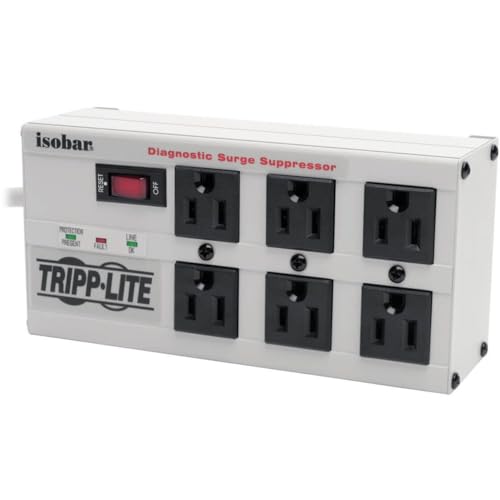
Tripp Lite IBAR6-6D Isobar 6-Outlet Surge Protector Power Strip, 6ft Cord with Right Angle Plug, Heavy-Duty Metal Housing, 3300 Joules, Lifetime Manufacturer's Warranty & $50,000 Insurance : Electronics
View on AmazonLandlord or HOA requirements
Many Nevada landlords require proof of renters insurance with a minimum liability limit—often $100,000—and may ask to be listed as an “additional interest” (they get policy updates but no coverage under your policy). If an HOA or property manager has rules about dog breeds or short‑term rentals, make sure your policy lines up to avoid denials.
Short‑term rentals and subletting
Renting your place on Airbnb or Vrbo? Most renters policies exclude business activity and short‑term rental liability unless you add a specific endorsement. Don’t assume you’re covered—ask your agent in advance.
What renters insurance typically does not cover
Knowing the gaps helps you decide what to add or buy separately.
- Flood: Rising water from outside. Consider a separate contents‑only flood policy if you’re ground‑floor or in a flood zone.
- Earthquake: Contents damage from shaking is typically excluded without an endorsement or separate policy.
- Routine wear and tear: Old plumbing, roof age, and maintenance issues are on the landlord; your policy covers your belongings after covered sudden events.
- Pests: Bed bugs, cockroaches, and rodents are typically excluded.
- Roommates’ belongings: Your policy covers you and relatives who live with you. Unrelated roommates usually need their own policy.
- Motor vehicles and e‑bikes/scooters with motors: Your policy may cover a bicycle, but not a motorized scooter or e‑bike as a “motor vehicle.” Check for special endorsements if you own one.
- Business property and liability: Work gear may have a low sublimit (often $2,500 at home, less off‑premises). Business liability is generally excluded without an in‑home business endorsement.
- High‑value items beyond sublimits: Jewelry, watches, firearms, collectibles, and cash often have low theft limits unless scheduled.
What affects the price of renters insurance in Nevada
Renters insurance is usually affordable—often somewhere around $12–$25 per month for many renters in Nevada—though rates vary by carrier, city, coverage choices, and your personal profile. Here’s what typically moves the needle:
- Location and building: ZIP code, local crime rates, proximity to wildfire exposure, building age, construction type, and protective devices (sprinklers, alarms).
- Coverage limits: More coverage for personal property and higher liability limits cost more.
- Deductible: A higher deductible (say $1,000 vs. $500) lowers your premium but increases your out‑of‑pocket costs during a claim.
- Claims history: Prior property claims (renters or homeowners) can raise your rate for a few years.
- Credit‑based insurance score: In most cases, Nevada insurers may consider credit‑based insurance scores to help set rates. Paying bills on time and limiting hard inquiries can help over time.
- Pets: Certain dog breeds or a prior bite may lead to a surcharge or exclusion—ask before you bind a policy.
- Security features and discounts: Deadbolts, monitored alarms, sprinklers, gated access, claims‑free history, autopay, pay‑in‑full, and especially bundling with auto can all lower your price.
Real‑world examples (estimates only—your quotes will vary):
- Las Vegas apartment, 1 bed/1 bath: 30‑year‑old non‑smoker, $30,000 personal property, $300,000 liability, $500 deductible, replacement cost. Typical quotes might land around $14–$28/month, depending on the building and security features.
- Reno condo near the wildland–urban interface: Same profile, plus $5,000 water backup and a scheduled $6,000 ring. You might see $20–$40/month, with the ring and water backup adding a few dollars each.
Bundling can be a big saver. If you drive, check rates with your auto insurer and compare to bundles from other carriers. If you’re shopping auto too, see Auto Insurance in Nevada: Rates, Requirements & How to Save for state basics before you bundle.
- Auto Insurance in Nevada: Rates, Requirements & How to Save (/auto-insurance/auto-insurance-in-nevada-rates-requirements-save)
How to compare policies and choose the right coverage
The fastest way to see what you would actually pay is to compare quotes from 3–5 carriers, using the same coverage setup each time. Here’s how to get there intelligently.
Step 1: Make a quick inventory of your stuff
- Walk each room and list big items (furniture, electronics, appliances you own) plus clothing, kitchenware, sports gear, and tools.
- Snap photos or a short video; save receipts for high‑value items in the cloud.
- Add it up. Many Nevada renters land between $20,000–$50,000 in replacement value faster than they expect.
Step 2: Pick replacement cost and set your limits
- Replacement cost coverage is usually worth it. It costs a bit more but pays what it takes to buy new items today.
- Property limit: Match it to your inventory—round up to the next $5,000 or $10,000.
- Liability limit: $300,000 is a practical starting point for most renters; consider $500,000 if you entertain frequently, have a dog, or have higher future earnings to protect.
- Medical payments: $1,000–$5,000 is typical.
- Loss of use: Often 20%–30% of your property limit; higher is helpful if hotel rates spike.
Step 3: Consider your risks and add endorsements
- Ground‑floor or older plumbing? Add water backup.
- Jewelry or cameras above sublimits? Schedule them.
- Near fault lines or just risk‑averse? Ask about earthquake coverage for contents.
- Dog owner? Confirm your breed is covered and whether any animal liability sublimit applies.
- Work from home? Ask about higher business property limits or an in‑home business endorsement.
Step 4: Choose a deductible you can actually pay
- $500 is common; $1,000 trims the premium but means more out of pocket at claim time. Pick an amount you could comfortably cover tomorrow.
Step 5: Compare quotes apples to apples
When you get quotes, keep these the same so you can compare cleanly:
- Property limit and valuation type (replacement cost vs. ACV)
- Liability limit and medical payments
- Deductible
- Endorsements (water backup, scheduled items, identity theft, etc.)
What to look for beyond price:
- Financial strength and claims reputation
- Sublimits that matter to you (jewelry, firearms, cash, business property)
- Dog liability wording if you have a pet
- Exclusions around short‑term rentals or roommates
Common mistakes to avoid:
- Underinsuring valuables by not scheduling them
- Choosing ACV to save a few bucks and regretting it at claim time
- Ignoring dog or short‑term rental exclusions
- Forgetting to list your landlord as an additional interest if required
- Not updating your address or coverage when you move
Ready to look at real numbers? You can Compare Renters Insurance Quotes and Coverage from top carriers in minutes.
- Renters Insurance: Compare Quotes & Get the Right Coverage Today (/home-insurance/renters-insurance-quotes-coverage)
Nevada renters insurance FAQs
Is renters insurance required in Nevada?
The state doesn’t mandate it, but many landlords do. If your lease requires renters insurance with a certain liability limit, you must carry it for the length of the lease and provide proof.
How much renters insurance do I need in Nevada?
Enough to replace all your belongings at today’s prices and to protect your assets and future income from liability claims. Many renters choose $20,000–$50,000 for property, $300,000 for liability, and a $500–$1,000 deductible. Your needs may be higher if you own expensive electronics, jewelry, or sports gear.
What’s the average cost of renters insurance in Nevada?
Rates vary by city, building, and your profile. Many Nevada renters see quotes in the $12–$25/month range for solid coverage; higher limits and add‑ons cost more.
Are items stolen from my car covered?
Your renters policy typically covers personal property stolen from your vehicle (after your deductible), but the car itself is not covered—that’s auto insurance.
Can I bundle renters and auto in Nevada?
Yes. Bundling often earns a multi‑policy discount and can simplify billing. Still, compare bundle pricing to stand‑alone options—bundles aren’t always the cheapest.
If you want a step‑by‑step on shopping, check out our guide on how to find the right renters insurance and avoid overpaying.
- How to Find the Right Renters Insurance: Coverage, Costs, and Buying Tips (/home-insurance/how-to-find-renters-insurance)
Quick checklist to set up your Nevada renters policy today
- Inventory your belongings and total a replacement value
- Choose replacement cost, set property and liability limits
- Add water backup and schedule valuables if needed
- Pick a deductible you can afford tomorrow
- Compare 3–5 quotes with identical coverage specs
- Ask about discounts: claims‑free, security devices, gated access, auto‑pay, pay‑in‑full, and bundling with auto
- Send proof to your landlord (list them as additional interest if required)
If you’d like a friendly gut‑check on your limits or endorsements, a licensed agent can review your inventory and risk factors and point out any gaps specific to your building or ZIP code. There’s no one‑size‑fits‑all policy—your best setup depends on where you live and what you own.
Ready to see your price? The fastest way to get a real number is to compare quotes from a few top carriers side by side.
- Renters Insurance: Compare Quotes & Get the Right Coverage Today (/home-insurance/renters-insurance-quotes-coverage)
Recommended Resources
Insurance for Dummies: Hungelmann, Jack
<strong>Manage life, health, and disability risks</strong> ― explore individual and group policies, understand Medicare basics, and evaluate long-term disability and long-term-care insurance ...
SimpliSafe 8 Piece Wireless Home Security System - Optional 24/7 Professional Monitoring - No Contract - Compatible with Alexa and Google Assistant , White : Electronics
No wiring or drilling required. Or contact SimpliSafe directly if you need help installing your system. <strong>1 FREE month of professional monitoring for fast police response when you need it most</
Tripp Lite IBAR6-6D Isobar 6-Outlet Surge Protector Power Strip, 6ft Cord with Right Angle Plug, Heavy-Duty Metal Housing, 3300 Joules, Lifetime Manufacturer's Warranty & $50,000 Insurance : Electronics
Buy Tripp Lite IBAR6-6D Isobar 6-Outlet Surge Protector Power Strip, 6ft Cord with Right Angle Plug, Heavy-Duty Metal Housing, 3300 Joules, <strong>Lifetime Manufacturer's Warranty & $50,000
Related Articles
- Home Insurance in Nevada: Coverage, Costs & Best Companies
- Renters Insurance in Nebraska: What It Covers, Costs, and How to Choose the Right Policy
- Auto Insurance in Nevada: Rates, Requirements & How to Save
- Renters Insurance in Idaho: What It Covers, What It Costs, and How to Choose the Right Policy
- How to Find the Right Renters Insurance: Coverage, Costs, and Buying Tips
- Renters Insurance in Mississippi: What It Covers, Costs, and How to Choose
- What Does Renters Insurance Cover? Coverage, Limits, Exclusions & Add‑Ons Explained
- Renters Insurance in Montana: What It Covers, Costs, and Why It Matters