
Home Insurance in Nevada: Coverage, Costs & Best Companies
You want straightforward answers on home insurance in Nevada: What does it actually cover, what does it cost in Las Vegas vs. Reno, and how do you pick the right company? Here is what actually matters when choosing home insurance in Nevada, with clear examples and Nevada‑specific tips.
Before we dive in: home insurance in Nevada is not required by state law, but most mortgage lenders require it. Even if your home is paid off, going without coverage leaves your biggest asset exposed.
Nevada homeowners insurance requirements and typical coverage
There is no state mandate to carry homeowners insurance, but lenders typically require it while you have a mortgage. Insurers in Nevada most commonly offer:
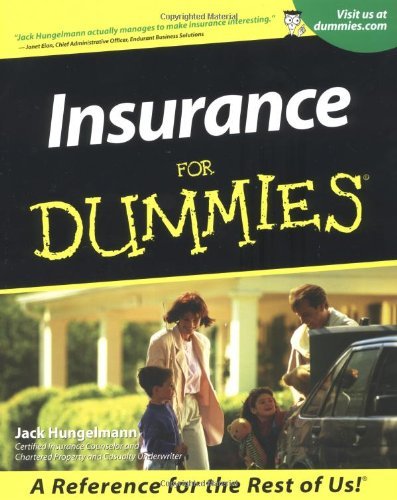
Insurance for Dummies: Hungelmann, Jack
<strong>Manage life, health, and disability risks</strong> ― explore individual and group policies, understand Medicare basics, and evaluate long-term disability and long-term-care insurance ...
Check Price on Amazon- HO‑3 policy: The standard policy for most single‑family homes. It covers your home (dwelling) for “open perils” (most sudden and accidental losses unless excluded) and your belongings for “named perils” (specific causes like fire, theft, wind).
- HO‑5 policy: A broader form with “open perils” coverage for both the dwelling and your belongings. It typically costs more but fills many gaps.
What an HO‑3 or HO‑5 typically includes:
- Dwelling coverage (Coverage A): Pays to repair or rebuild the structure of your home after a covered loss. Make sure this is replacement cost (what it costs to rebuild today), not your market price.
- Other structures (Coverage B): Sheds, fences, detached garages—usually 10% of your dwelling limit.
- Personal property (Coverage C): Your stuff—furniture, clothes, electronics. You can choose replacement cost (new-for-old) or actual cash value (depreciated value). Replacement cost usually adds a small premium but saves headaches at claim time.
- Loss of use (Coverage D): Also called additional living expenses—pays for temporary housing, meals, and extra costs if a covered loss makes your home unlivable.
- Personal liability (Coverage E): Protects you if you’re found legally responsible for someone’s injury or property damage. Most Nevada homeowners choose $300,000 to $500,000. If you have a pool, trampoline, or significant assets, consider $500,000 and an umbrella policy.
- Medical payments (Coverage F): No‑fault medical coverage for minor injuries to guests—often $1,000 to $5,000.
Key options and endorsements in Nevada:
- Extended or guaranteed replacement cost: Adds 10%–50% (or more) above your dwelling limit to offset construction cost spikes. Helpful given labor/material swings around Las Vegas and northern Nevada.
- Ordinance or law coverage: Pays for code upgrades required during repairs. Aim for at least 10%–25% of dwelling coverage, especially in older homes.
- Water backup: Covers damage from backed‑up sewers or sump pumps (not included in standard policies). Typical limits: $5,000–$25,000.
- Service line coverage: Pays to repair underground pipes/wires you own (like water or sewer lines) if they fail.
- Equipment breakdown: Helps with major systems like HVAC if they fail suddenly (wear and tear is not covered). Useful in Nevada’s extreme heat, but it won’t cover normal aging.
- Roof coverage type: Ask if your roof is covered at replacement cost (better) or actual cash value (ACV). ACV can significantly reduce payouts for sun‑baked, older roofs common in Nevada.
Deductibles explained: Your deductible is what you pay out of pocket before insurance pays. In Nevada, you’ll usually choose a flat deductible (e.g., $1,000–$2,500). Hurricane deductibles don’t apply here. If you opt for a higher deductible, you’ll typically lower your premium but take on more upfront cost if you file a claim.
What’s not covered unless you add it:
- Flood: Separate policy through the National Flood Insurance Program (NFIP) or private flood insurance.
- Earthquake: Separate endorsement or standalone policy.
- Maintenance and wear: Issues like sun‑damaged roofs, gradual leaks, or settling cracks are not covered.
New to home insurance? This quick refresher on what a standard policy covers is helpful: What Does Home Insurance Cover?
Average home insurance costs in Nevada by home value and location
Let’s set expectations. Actual premiums vary by company, your home’s specifics, your claims history, your credit‑based insurance score (used by many Nevada insurers, subject to state rules), and your exact location. That said, here’s what we typically see for home insurance in Nevada in 2026:
- Statewide averages: For a standard HO‑3 policy with a $1,000–$2,500 deductible and good credit, many homeowners pay roughly $1,000–$1,600 per year for $300,000–$350,000 in dwelling coverage. Higher limits and higher‑risk locations push costs up.
- By home value (approximate dwelling coverage):
- $250,000 dwelling: $900–$1,400 per year
- $350,000 dwelling: $1,200–$1,800 per year
- $500,000 dwelling: $1,700–$2,600 per year
- $750,000+ dwelling or custom builds: $2,400–$4,000+ per year
- By location (typical ranges):
- Las Vegas / North Las Vegas / Henderson (urban Clark County): $1,000–$1,600; rates can be lower in newer communities close to fire hydrants/stations.
- Reno / Sparks / Carson City: $1,100–$1,800; some neighborhoods price higher due to proximity to wildland areas and earthquake zones.
- Lake Tahoe area (Incline Village, Stateline): $1,700–$2,800+; wildfire exposure, heavy snow loads, and higher rebuild costs drive rates.
- Rural/wildland‑urban interface (e.g., outskirts near BLM land): $1,600–$3,000+, with mitigation and defensible space often affecting eligibility and price.
- Mesquite / Elko / Fallon / Fernley: $1,000–$1,700, depending on fire protection class and distance to hydrants.
Real‑world examples (illustrative only):
- Las Vegas, 1,900‑sq‑ft stucco home built 2010, $350,000 dwelling, $1,500 deductible, 5‑year claims‑free, good credit: often $1,200–$1,600 per year.
- Reno, 2,200‑sq‑ft home near the wildland‑urban edge, $450,000 dwelling, $2,000 deductible, one prior non‑cat water claim: often $1,700–$2,400 per year.
- Incline Village, 3,000‑sq‑ft home with Class A fire‑resistant roof, $750,000 dwelling, $2,500 deductible, claims‑free: often $2,400–$3,800 per year.
Why your rate might be higher or lower:
- Construction and roof: Tile or composite with Class A fire rating can help. Old wood‑shake roofs are tough to insure.
- Distance to fire services: Homes closer to hydrants and staffed stations usually see better pricing.
- Wildfire risk and defensible space: Insurers look at vegetation clearance, ember‑resistant vents, and access roads.
- Claims history and credit‑based insurance score: Fewer claims and stronger credit typically mean lower rates.
- Coverage choices: Replacement cost on personal property, higher liability limits, and broader endorsements add cost—but often pay off when you need them.
Pro move: the fastest way to see what you would actually pay is to compare quotes from 3–5 carriers using the same coverage limits and deductibles. If you want a deeper walkthrough of the process, start here: Home Insurance Guide 2026 — Compare Quotes, Coverage & Costs
Nevada‑specific risks: natural disasters, weather, and regional factors
Nevada doesn’t battle hurricanes or Midwestern hail, but there are real regional exposures to consider.

Ready America 70280 72 Hour Emergency Kit, 2-Person, 3-Day Backpack, Includes First Aid Kit, Survival Blanket, Portable Preparedness Go-Bag for Camping, Car, Earthquake, Travel, Hiking, and Hunting, Red
View on AmazonWildfire
- What’s covered: Fire is a standard covered peril on homeowners policies. Losses from a wildfire are usually covered, subject to deductible and policy limits.
- The catch: In higher‑risk areas, some insurers tighten underwriting or decline new business. Mitigation matters—defensible space, Class A roofs, gutter guards, and ember‑resistant vents can improve eligibility and sometimes unlock discounts.
- Tip: Ask about on‑site mitigation programs and inspections. Some carriers offer risk‑reduction visits or grants.
Earthquake
- Not covered by standard home insurance. You’ll need a separate earthquake policy or endorsement.
- Deductibles are high—often 10%–25% of the dwelling limit—so they’re built for true catastrophes.
- Where it matters most: Reno, Carson City, and areas along the Eastern Sierra.
- Typical costs: Highly variable, but many Nevada homeowners see $150–$600+ per year depending on coverage and deductibles. Rates and availability vary by carrier.
Flood and flash flooding
- Standard home insurance excludes flood (rising water from outside). In Clark County, monsoon‑season downpours can overwhelm washes and roadways.
- Options: NFIP policies or private flood insurers. In lower‑risk zones, flood coverage can be surprisingly affordable—often a few hundred dollars per year.
- Tip: Use FEMA’s Flood Map Service Center and ask your agent to check both NFIP and private flood quotes.
Wind, microbursts, and dust storms
- Wind damage to your home is typically covered; damage from wind‑driven rain may be limited unless wind first creates an opening (like roof damage).
- Keep roof maintenance current. Sun exposure and heat age materials faster in Nevada.
Snow load and ice (Tahoe/Northern Nevada)
- “Weight of ice and snow” is generally a covered peril, subject to policy terms. Discuss roof age, pitch, and access with your agent—insurers may ask.
Extreme heat and equipment failure
- Insurers don’t cover wear and tear. If your A/C fails due to age, that’s maintenance. Equipment breakdown coverage can help with sudden failures, but read the fine print.
How to compare home insurance quotes in Nevada
You’ll see different prices because you’re often not comparing the same thing. Standardize these items before you shop:
- Dwelling limit: Use a realistic replacement cost. Ask each insurer how they calculated it and whether extended replacement cost is included (e.g., +25%).
- Deductible: Keep the same deductible (say, $1,500 or $2,500) across all quotes.
- Roof coverage: Confirm replacement cost vs. ACV, and note any cosmetic‑damage exclusions on roofs and siding.
- Personal property coverage: Choose replacement cost on contents if you want new‑for‑old at claim time.
- Liability limit: Many Nevada homeowners choose $300,000–$500,000. If you have a pool, dog, or frequent guests, lean higher and consider an umbrella policy.
- Key endorsements: Water backup, service line, equipment breakdown, ordinance or law, and scheduled personal property (for jewelry or collectibles) can change total value a lot.
- Wildfire/defensible space requirements: Ask about any mandatory mitigation to qualify for coverage or discounts.
- Claims service and financial strength: Look at independent ratings and customer reviews. You want solvency and responsive claims handling.
- Admitted vs. surplus lines: Non‑admitted (surplus lines) insurers can be a fit for unique or high‑risk homes but have different guaranty protections. A licensed agent can explain trade‑offs.
What to look for when you’re choosing a company:
- Clear underwriting in wildfire‑prone areas and willingness to insure homes with fire‑resistant upgrades
- Competitive extended replacement cost (ideally +25% or more)
- Replacement cost on roofs and contents
- Helpful add‑ons for Nevada realities (water backup, equipment breakdown)
- Strong local claims presence after regional events (e.g., wildfire, flash flooding)
Consumer‑first tip: get quotes from 3–5 carriers on the same day with identical specs. It’s normal to see a few hundred dollars difference for the exact same coverages.
Want help getting started? The fastest way to see your price is to compare side‑by‑side quotes from multiple insurers. Take 8–10 minutes to gather the basics (year built, square footage, roof type, updates) and request quotes from a few carriers or an independent agent.
Best home insurance companies in Nevada: how to choose
We don’t crown a single “best” for everyone—your home, location, and risk profile drive the answer. That said, here’s how Nevada shoppers typically narrow the field:
- If you’re in a military family: USAA often delivers strong coverage and pricing for eligible members.
- If you want large national options: State Farm, Allstate, Farmers, Nationwide, Liberty Mutual, and Travelers usually write extensively in Nevada.
- If you prefer regional expertise: AAA/CSAA and certain regional carriers can be competitive, especially for bundled auto+home.
- If you live in a higher wildfire‑exposure area: Look for carriers that invest in mitigation programs and offer Class A roof credits and defensible‑space discounts.
- If your home is unique or in a tough‑to‑insure area: An independent agent can place you with specialty or surplus‑lines carriers when standard markets say no.
Important: Company availability, underwriting appetites, and rates change frequently by ZIP code. Always verify current eligibility and coverage details before you buy.
Discounts and bundling opportunities for Nevada homeowners
You don’t have to gut coverage to save. Ask about:
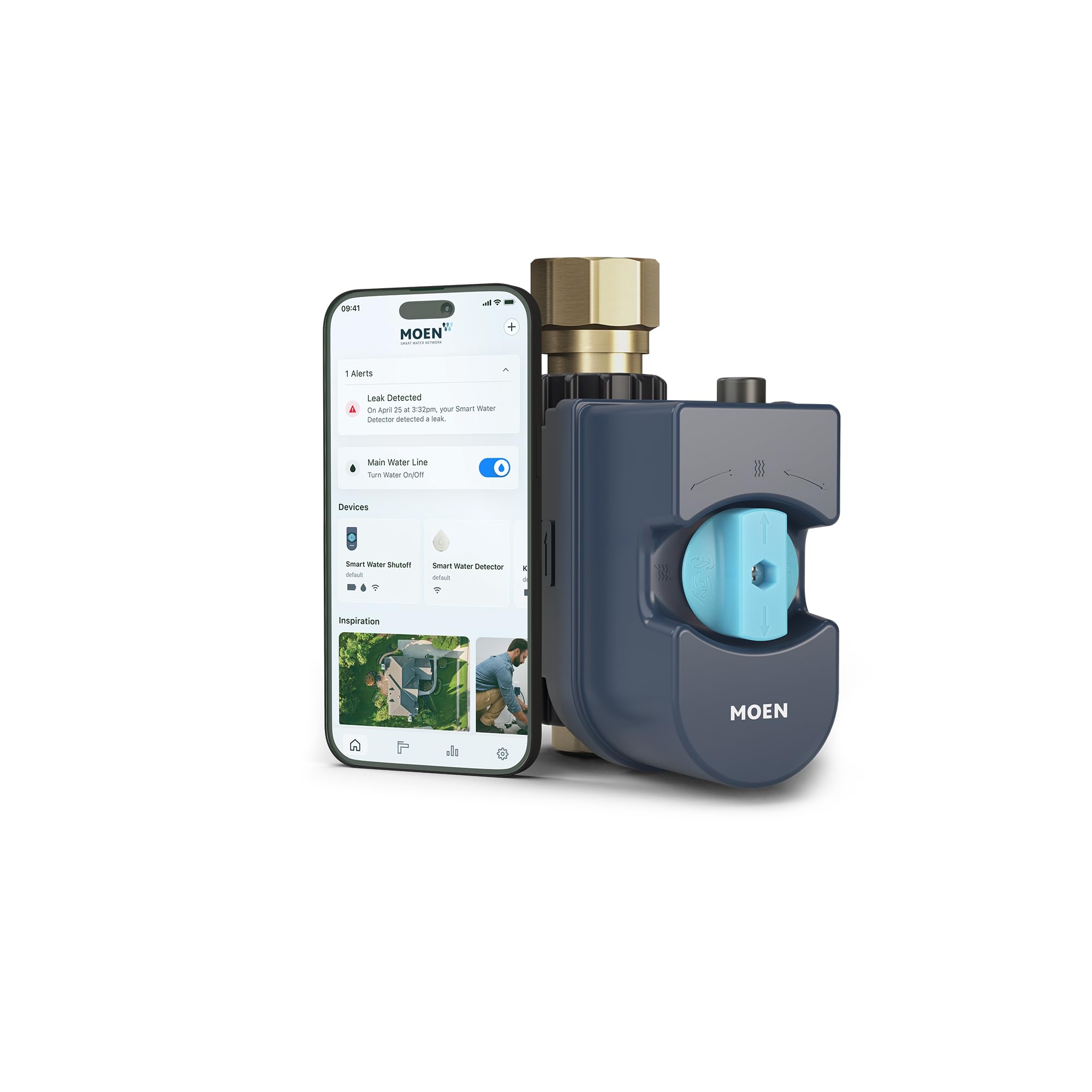
Moen Flo Smart Water Monitor and Automatic Shutoff Sensor, Wi-Fi Water Leak Detector for 3/4-Inch Diameter Pipe, 900-001 - Tub And Shower Faucets - Amazon.com
Moen Flo Smart Water Monitor and Automatic Shutoff Sensor, <strong>Wi-Fi Water Leak Detector for 3/4-Inch Diameter Pipe</strong>, 900-001 - Tub And Shower Faucets - Amazon.com
Check Price on Amazon- Bundle discounts: Home + auto is one of the biggest savings opportunities. If you’re evaluating auto at the same time, this Nevada guide is handy: Auto Insurance in Nevada: Rates, Requirements & How to Save
- Newer roof or Class A fire‑resistant roofing
- Smart home devices: Monitored alarms, water leak sensors, automatic shutoff valves
- Claims‑free history
- Gated communities and proximity to hydrants/stations
- Impact‑resistant roofing (where available)
- Pay‑in‑full, automatic payments, paperless
- Mature homeowner or affinity/association discounts (when offered)
Wildfire‑focused savings: Defensible space (clearing vegetation), ember‑resistant vents, covered eaves, and metal mesh screening can improve eligibility and may earn credits. Document upgrades with photos and receipts.
Filing a home insurance claim in Nevada
Here’s a practical playbook if something goes wrong:
- Make safety and mitigation your first moves
- Get everyone safe. Shut off utilities if needed.
- Take reasonable steps to prevent further damage (tarp a roof, stop a leak). Keep receipts—these costs are typically reimbursable.
- Document everything
- Take clear photos/videos of all affected areas.
- Create a quick list of damaged items with approximate purchase dates and costs.
- Save receipts for additional living expenses (hotel, meals) if you can’t live at home—your loss of use coverage may reimburse you.
- Notify your insurer promptly
- Report the claim as soon as practical via app, phone, or web. Ask about emergency services vendors if you need help right away.
- Understand how payouts work
- For building and contents claims, you may first receive actual cash value (ACV—the depreciated amount). After you repair or replace, you can typically recover the “depreciation holdback” to reach full replacement cost, if your policy provides it.
- Ask your adjuster to explain timelines, inspections, and any documentation they need up front.
- Choose your own licensed contractors
- You’re not usually required to use the insurer’s preferred vendors. Get multiple bids if the scope is large. Avoid signing “assignment of benefits” agreements unless you fully understand the implications.
- Keep communication in writing
- Recap calls via email. If something seems off, escalate politely and ask for a reinspection. You can also speak with a licensed public adjuster or an attorney if disputes arise.
What to look for when comparing home insurance in Nevada
Use this quick checklist:
- Adequate dwelling limit with extended replacement cost
- Replacement cost on contents and roof
- Water backup, service line, and ordinance or law endorsements
- Wildfire defensible space recognized (and credited)
- Realistic deductible you can afford on a bad day
- Strong claims reputation and financial stability
- Fair price—verified by 3–5 competing quotes on the same specs
Want a deeper dive into coverages and quote strategy? See our step‑by‑step: Home Insurance Guide 2026 — Compare Quotes, Coverage & Costs
Ready to see your Nevada rate?
The fastest way to see what you would actually pay is to compare quotes from 3–5 carriers on the same day with the same coverage selections. Have your home’s year built, square footage, roof type/age, updates (roof, plumbing, electrical, HVAC), and any security/smart devices handy. A licensed local or independent agent can quickly gather quotes and help you weigh trade‑offs.
FAQ: common questions about Nevada homeowners insurance
Is home insurance required in Nevada?
- Not by state law. Your lender will require it if you have a mortgage. It’s strongly recommended even if you own your home outright.
What is the average cost of home insurance in Nevada?
- Many homeowners pay around $1,000–$1,600 per year for mid‑range coverage, but prices vary by home value, location, roof age, your claims history, and your credit‑based insurance score.
Does home insurance cover wildfire in Nevada?
- Yes—fire is typically covered. Insurers may require mitigation or apply stricter underwriting in higher‑risk zones. Keep receipts and photos of defensible‑space work and fire‑resistant upgrades.
Do I need earthquake insurance in Reno or Carson City?
- Standard policies exclude earthquake. If you live near known fault lines or just want extra protection, consider a separate earthquake policy or endorsement. Deductibles are usually 10%–25% of the dwelling limit.
Should I buy flood insurance in Las Vegas?
- Flash flooding is a real risk even outside high‑risk FEMA zones. If heavy summer storms concern you or you’re near a wash, getting an NFIP or private flood quote is a prudent, often affordable step.
Will my premium go up after a claim?
- Often, yes—especially for water losses. Each insurer’s pricing and look‑back period differ. Ask how a potential claim could affect your rate before you file smaller losses.
Are short‑term rentals (Airbnb/VRBO) covered?
- Not under a standard homeowners policy in most cases. You may need a specific endorsement or a landlord/short‑term rental policy. Tell your insurer before you list.
Can insurers non‑renew because of wildfire risk?
- In higher‑risk areas, some carriers limit new policies or non‑renew. Mitigation helps, and an independent agent can identify carriers still writing in your area, including specialty markets if needed.
How much liability coverage should I carry if I have a pool or dog?
- Many homeowners choose at least $500,000. Certain dog breeds or diving boards may require underwriting approval. Consider an umbrella policy for extra protection.
Does my credit affect my rate in Nevada?
- Many insurers use credit‑based insurance scores in Nevada, subject to state rules. Stronger scores typically lead to lower premiums.
What if I can’t find a company willing to insure my home?
- Work with an independent agent who can shop both standard and specialty/surplus‑lines carriers. You may need to complete mitigation (e.g., Class A roof, defensible space) to qualify.
Where can I learn more about what’s covered?
- Start here for a quick, plain‑English explainer: What Does Home Insurance Cover?
A quick note: Insurance pricing and underwriting change frequently. Always confirm details with a licensed Nevada agent who can evaluate your home, your budget, and your risk tolerance.
Next step: Get personalized quotes from 3–5 Nevada‑friendly carriers or an independent agent. Standardize your coverage selections, confirm wildfire mitigation credits, and choose the company that balances strong coverage, responsive claims service, and a fair price—without cutting corners on the things that matter most.
Recommended Resources
Insurance for Dummies: Hungelmann, Jack
<strong>Manage life, health, and disability risks</strong> ― explore individual and group policies, understand Medicare basics, and evaluate long-term disability and long-term-care insurance ...
Moen Flo Smart Water Monitor and Automatic Shutoff Sensor, Wi-Fi Water Leak Detector for 3/4-Inch Diameter Pipe, 900-001 - Tub And Shower Faucets - Amazon.com
Moen Flo Smart Water Monitor and Automatic Shutoff Sensor, <strong>Wi-Fi Water Leak Detector for 3/4-Inch Diameter Pipe</strong>, 900-001 - Tub And Shower Faucets - Amazon.com
Ready America 70280 72 Hour Emergency Kit, 2-Person, 3-Day Backpack, Includes First Aid Kit, Survival Blanket, Portable Preparedness Go-Bag for Camping, Car, Earthquake, Travel, Hiking, and Hunting, Red
You need to be prepared for at least the first 72 hours after a disaster and Ready America has the solution. <strong>Ready America has developed a 2 Person, 3 Day Emergency Kit with the essentials two
Related Articles
- Renters Insurance in Nevada: What It Covers and How to Choose the Right Policy
- Auto Insurance in Nevada: Rates, Requirements & How to Save
- Home Insurance in Idaho: Coverage, Costs & Best Companies
- Home Insurance in Nebraska: Coverage, Costs & Best Companies
- Home Insurance in New Mexico: Coverage, Costs & Best Companies
- Home Insurance in Wyoming: Coverage, Costs & Best Companies
- Home Insurance in New Hampshire: Coverage, Costs & Best Companies
- Home Insurance in Virginia: Coverage, Costs & Best Companies