
Auto Insurance in Nebraska: Rates, Requirements & How to Save
You’re shopping for auto insurance in Nebraska and the quotes are all over the place. What’s actually required, what’s a smart amount of coverage, and what’s a fair price? Here’s a clear, Nebraska-focused guide to help you compare confidently, avoid common gotchas, and save without shortchanging your protection.
The fastest way to see what you would actually pay is to compare quotes from 3–5 carriers. Rates vary by driver, vehicle, and ZIP code, so use the ranges and examples below as direction—not guarantees.
Nebraska auto insurance requirements and minimum coverage
Nebraska is an at-fault state, which means the driver who causes a crash (and their insurer) pays for the other party’s injuries and property damage.
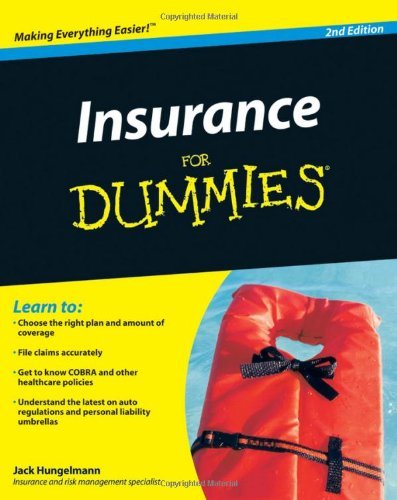
Insurance For Dummies?: Hungelmann, Jack
Whether you’re a homeowner or ... need on: ... Author Jack Hungelmann <strong>uses his twenty-five years of experience in the insurance industry to make buying insurance as simple as possible</strong>
Check Price on AmazonState minimum required coverages:
- Bodily Injury Liability (pays for injuries you cause to others): $25,000 per person / $50,000 per accident (often written as 25/50)
- Property Damage Liability (pays for damage you cause to others’ property): $25,000 per accident (25)
- Uninsured Motorist Bodily Injury (UMBI) (covers your injuries if hit by a driver with no insurance): $25,000 per person / $50,000 per accident
- Underinsured Motorist Bodily Injury (UIMBI) (kicks in when the at-fault driver’s limits aren’t enough): $25,000 per person / $50,000 per accident
What those terms mean in plain English:
- Liability coverage: Money that goes to other people if you cause a crash. It doesn’t fix your car.
- UM/UIM: Protection for you and your passengers if the other driver has too little or no insurance. Nebraska requires these for bodily injury.
- Deductible: The amount you pay out of pocket before insurance pays on certain coverages (for example, a $500 deductible on collision).
Optional but commonly recommended coverages:
- Collision (repairs your car after a crash you cause; subject to a deductible).
- Comprehensive (covers non-crash damage like hail, theft, vandalism, and deer; subject to a deductible). Nebraska sees hail and animal collisions—this one is very useful here.
- Medical Payments (helps pay medical bills for you/your passengers regardless of fault).
- Rental Reimbursement (helps pay for a rental car while yours is in the shop after a covered claim).
- Roadside Assistance.
Other Nebraska rules worth knowing:
- Proof of insurance: You must carry it and present it when requested; electronic proof is generally accepted.
- Comparative negligence: Nebraska follows a modified comparative negligence rule. You can recover damages only if you’re less than 50% at fault.
- SR-22: If your license is suspended (for example, after a DUI or driving uninsured), you may need an SR-22 (a filing your insurer sends to the state proving you’re carrying required insurance). In most cases, Nebraska requires it to be maintained for about three years—verify your exact term with the DMV and court.
Tip: Minimums are legal, not necessarily adequate. A single crash can easily run past 25/50/25. Many Nebraskans choose 100/300/100 (or higher) for stronger protection.
Average car insurance rates in Nebraska by age, vehicle, and driving record
Let’s set expectations. Nebraska tends to be lower than the national average for auto premiums, but prices still vary widely by driver. The figures below are typical ranges we see for good drivers with clean records; your actual quotes will differ.
Important: These are illustrations, not rate guarantees. Insurers price differently, and your credit, ZIP code, and coverage choices matter a lot.
Typical annual premium ranges for a clean-driving Nebraskan:
- Minimum coverage: roughly $500–$900 per year for many drivers
- "Full coverage" (a common shorthand for liability plus comprehensive and collision—exact limits vary): roughly $1,100–$1,900 per year for many drivers
By age (clean record, average car):
- 18-year-old: $2,800–$5,500/year with full coverage; $1,200–$2,400/year for minimum coverage
- 25-year-old: $1,300–$2,200/year full; $600–$1,100/year minimum
- 35-year-old: $1,100–$1,900/year full; $500–$900/year minimum
- 60-year-old: $1,000–$1,700/year full; $450–$850/year minimum
By vehicle type (35-year-old, clean record):
- 10-year-old sedan (e.g., Toyota Camry): $1,000–$1,600/year full
- New midsize SUV (e.g., Honda CR‑V): $1,200–$1,900/year full
- Sports car or performance model: $1,800–$3,000+/year full
By driving record (35-year-old, same car/ZIP):
- One speeding ticket (10–14 mph over): often 15%–30% increase at renewal
- At-fault property damage crash: often 30%–50% increase
- DUI: commonly 60%–100%+ increase, plus possible SR-22 requirement
Real-world example:
- Say you’re a 35-year-old in Lincoln driving a 2018 Honda CR‑V with 100/300/100 liability, comprehensive and collision with $500 deductibles, and good credit. Typical quotes may land around $1,200–$1,800 per year with a clean record. A recent at-fault crash could push that to $1,700–$2,600+. Again, this is directional; the only way to nail down your rate is to compare live quotes.
Want a quick read on your actual price? Compare a few carriers side by side and keep limits/deductibles identical for a true apples-to-apples view.
Factors that affect Nebraska auto insurance premiums
Insurers in Nebraska look at many of the same things carriers consider nationwide, with a few local twists.
- Location within the state: ZIPs in and around Omaha and Lincoln often run higher than very rural counties due to more traffic, theft risk, and repair costs.
- Weather and wildlife: Hail, wind, and deer collisions are part of life in Nebraska. Comprehensive coverage (for non-crash damage like hail and animal strikes) and your chosen deductible heavily influence price.
- Your driving record: Tickets, at-fault crashes, and DUIs raise rates—sometimes for three to five years.
- Credit-based insurance score: Nebraska allows insurers to use credit-based insurance scores in most cases. Better credit generally means lower rates; not all companies weigh it the same way.
- Vehicle type and cost to repair: Safety ratings, parts prices, and theft risk affect premiums. Advanced driver-assistance systems (ADAS) can lower crash frequency but are expensive to recalibrate after a fender bender.
- Coverage and deductibles: Higher liability limits and adding comprehensive/collision cost more; raising deductibles (the amount you pay before insurance kicks in) lowers premiums, usually with diminishing returns beyond $1,000.
- Annual mileage and commute: Fewer miles typically equals lower risk and lower price. Ask about low-mileage or pay-per-mile programs.
- Prior insurance and lapses: A recent lapse in coverage can spike your quotes.
- Household factors: Multi-car and multi-driver households can unlock discounts.
- Telematics programs: Usage-based insurance (you install an app or device that measures driving habits like braking and time of day) can earn notable discounts for safe patterns.
How to compare and get the cheapest auto insurance in Nebraska
You don’t have to be a pro to shop like one. Here is what actually matters when choosing a policy that keeps you protected and on budget.
- Decide your target liability limits
- Minimums are 25/50/25, but many Nebraska drivers choose 100/300/100 or 250/500/100 for better cushion.
- If you own a home or have savings, consider higher limits or a personal umbrella policy for extra protection above auto.
- Choose your physical damage strategy
- Own your car outright and could afford to replace it? Consider higher deductibles ($500–$1,000) to lower cost.
- Have a loan or lease? Your lender will require comprehensive and collision; leases may also require gap coverage (pays the difference if the car is totaled and you owe more than it’s worth).
- Get 3–5 quotes with identical specs
- Same drivers, vehicles, liability limits, deductibles, and add-ons. If you’re quoted 100/300/100 at one insurer and state minimums at another, the cheaper one isn’t actually cheaper—it’s just less coverage.
- Request both 6‑month and 12‑month policy terms. A 12‑month term locks your rate longer; a 6‑month term can adjust faster if your record improves.
- Ask about discounts up front
- Bundle with home or renters, telematics, multi-car, good driver, good student, paid-in-full, paperless, EFT (automatic payments), and anti-theft device discounts.
- Look beyond price
- Claims service reputation, local repair networks (especially for hail repair and glass), and accident forgiveness (a feature that may prevent your first at-fault crash from raising your rate) can be worth a few dollars more.
- Consider usage-based or pay-per-mile plans
- If you’re a low-mileage driver (think under ~7,500–10,000 miles/year) or drive mostly during daylight on rural roads, usage-based plans can be among the cheapest options in Nebraska.
Border driver tip: Live in Omaha and commute into Council Bluffs? Policies typically follow you across state lines, but it’s helpful to understand differences next door. See how rules compare in Iowa. South of the state line in Kansas? Requirements are slightly different there, too—see our guide to Kansas.
Ready to see your real number? The smartest next step is to compare rates from a few carriers side by side—keep your limits the same so you can pick true value, not just the lowest sticker.
Nebraska-specific discounts and savings opportunities
You’ll find the usual national discounts in Nebraska, plus a few that matter more here.

Hail Protector Inflatable Car Cover - CAR2 Size, Silver Portable System for Coupe, Sedan and Wagons 176-195 Inches in Length - Anti-Hail Protection : Automotive
View on Amazon- Bundle and multi-car: Combining auto with home or renters often delivers 10%–25% total savings. Adding a second car can drop per‑car pricing.
- Good driver and claims-free: Three to five years without tickets/accidents typically earns meaningful breaks.
- Good student and distant-student: Teens with a B average (or higher) often qualify; students living 100+ miles from home without a car may reduce cost.
- Telematics/usage-based: Nebraska’s open roads can be telematics-friendly for cautious drivers. Ask about a test period that gives an upfront discount.
- Defensive driving courses: Especially for mature drivers (55+), a state‑approved course can trigger a discount with some carriers—ask yours if they participate.
- Anti-theft and safety features: Factory alarms, VIN etching, or tracking devices may shave down comprehensive rates.
- Payment and policy choices: Paid‑in‑full, automatic payments (EFT), and paperless statements can trim a bit more.
- Low mileage, farm use, or seasonal storage: If a vehicle is driven sparingly or stored off-season, some insurers offer specialty rating or endorsements—worth asking in rural parts of the state.
Weather-smart tips that can save real money over time:
- Choose a comprehensive deductible you can actually afford in hail season. If a $1,000 deductible would hurt, a $500 deductible can be a better financial tradeoff in Nebraska.
- Glass coverage options: Some insurers offer separate glass deductibles or full glass coverage. With frequent gravel and farmland roads, cracked windshields aren’t rare.
Filing a claim in Nebraska: what to expect
When something happens, here’s a practical path to a smoother claim.
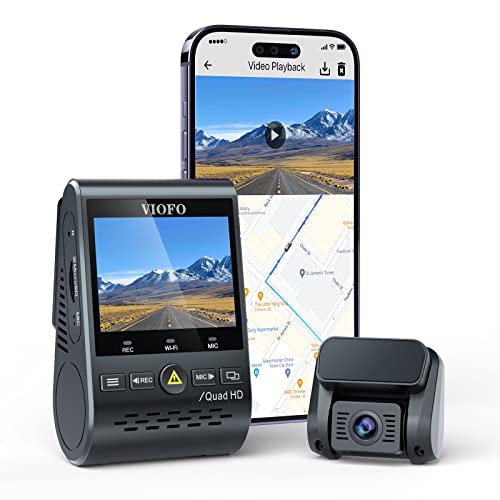
VIOFO Dual Dash Cam, 2K 1440P 60fps+1080P 30fps Front and Rear Dash Camera with Wi-Fi GPS, Parking Mode, Emergency Recording, Super Capacitor, Motion Detection (A129 Plus Duo) : Electronics
View on Amazon- Safety and documentation first
- Move to a safe spot, check for injuries, and call 911 if needed.
- Exchange information and take photos/videos (damage, positions, road, weather, license plates, and insurance cards).
- Nebraska generally requires you to report a crash to law enforcement when there’s injury, death, or apparent property damage of $1,000 or more. When in doubt, call.
- Notify your insurer promptly
- Most policies require “prompt notice.” Waiting can complicate coverage.
- You’ll be asked for a statement. Be accurate and factual. If speaking with another party’s insurer, you don’t have to give a recorded statement without guidance—especially if injuries are involved.
- Fault and estimates
- Because Nebraska is at‑fault, insurers will determine liability based on statements, police reports, and evidence.
- You can typically choose your repair shop. Insurers may have preferred networks with warranties.
- Total loss? Nebraska follows state salvage and total loss guidelines. If repairs approach the vehicle’s value, your insurer may declare it a total and pay actual cash value (what your car was worth just before the loss).
- Coverage to know during claims
- Rental reimbursement: Pays for a rental while your car is being repaired after a covered loss (limits apply—often $30–$50 per day up to 30 days).
- OEM vs aftermarket parts: Policies may allow quality aftermarket parts; ask about your options.
- Diminished value: If you weren’t at fault, you may be able to seek compensation for your car’s loss in resale value after repairs. Availability and amounts vary by claim—ask your adjuster and review your rights.
- Time limits
- Insurance policies have their own filing deadlines. For lawsuits, Nebraska’s statute of limitations is generally several years (often four for injury or property damage), but specific circumstances can change this—especially with government entities. Consider speaking with a Nebraska attorney for legal questions.
FAQ: common questions about Nebraska car insurance
What is the minimum coverage in Nebraska?
- 25/50/25 liability plus 25/50 Uninsured and Underinsured Motorist Bodily Injury. This meets the law but may not be enough to protect your finances.
Is “full coverage” required?
- Not by the state. If you finance or lease your car, your lender will require comprehensive and collision. “Full coverage” usually means liability plus comp/collision—all with specific limits and deductibles.
Do I need Uninsured/Underinsured Motorist coverage?
- Yes—Nebraska requires UM and UIM for bodily injury. It helps cover you if the other driver lacks adequate insurance.
Can insurers use my credit in Nebraska?
- In most cases, yes. Nebraska allows credit-based insurance scores to help set rates. Better credit generally leads to lower premiums.
When should I add my teen?
- Typically when they’re licensed. Some insurers want them listed once they have a permit for rating and coverage clarity—ask your carrier.
Will a hail claim raise my premium?
- Comprehensive claims (like hail or deer) usually don’t carry the same surcharge as at-fault crashes, but they can impact a claims-free discount. Practices vary by insurer.
How long do I need an SR-22 in Nebraska?
- Often about three years, depending on the offense. Your exact requirement comes from the DMV/court—confirm before canceling.
I drive to Iowa and Kansas often. Am I covered?
What to do next
- Quick win: Compare quotes from 3–5 insurers with the same limits and deductibles. It’s the fastest way to find cheap, solid auto insurance in Nebraska without guesswork.
- Not sure on coverage? A licensed agent can help you size your liability limits, pick sensible deductibles, and stack discounts based on your situation.
Ready to see your price? Start by checking local options and getting live quotes side by side: Car Insurance Near Me: Compare Local Quotes & Find Agents Fast
Note: Rates and requirements can change. This guide is educational, not legal advice. For personalized recommendations, talk with a licensed Nebraska agent or broker.
Recommended Resources
Insurance For Dummies?: Hungelmann, Jack
Whether you’re a homeowner or ... need on: ... Author Jack Hungelmann <strong>uses his twenty-five years of experience in the insurance industry to make buying insurance as simple as possible</strong>
VIOFO Dual Dash Cam, 2K 1440P 60fps+1080P 30fps Front and Rear Dash Camera with Wi-Fi GPS, Parking Mode, Emergency Recording, Super Capacitor, Motion Detection (A129 Plus Duo) : Electronics
Buy VIOFO Dual Dash Cam, 2K 1440P 60fps+1080P 30fps Front and Rear Dash Camera with <strong>Wi-Fi GPS, Parking Mode</strong>, Emergency Recording, Super Capacitor, Motion Detection (A129 Plus Duo): On
Hail Protector Inflatable Car Cover - CAR2 Size, Silver Portable System for Coupe, Sedan and Wagons 176-195 Inches in Length - Anti-Hail Protection : Automotive
Buy Hail Protector Inflatable Car Cover - CAR2 Size, Silver Portable System for Coupe, Sedan and Wagons 176-195 Inches in Length - Anti-Hail Protection: Full Car Covers - Amazon.com ✓ FREE DELIVERY po
Related Articles
- Home Insurance in Nebraska: Coverage, Costs & Best Companies
- Auto Insurance in Wyoming: Rates, Requirements & How to Save
- Auto Insurance in Nevada: Rates, Requirements & How to Save
- Auto Insurance in Arkansas: Rates, Requirements & How to Save
- Auto Insurance in Kansas: Rates, Requirements & How to Save
- Auto Insurance in Indiana: Rates, Requirements & How to Save
- Health Insurance in Nebraska: Plans, Costs & How to Enroll
- Auto Insurance in Alabama: Rates, Requirements & How to Save