
Auto Insurance in Hawaii: Rates, Requirements & How to Save
You just got an auto insurance quote in Honolulu and the number surprised you. Is that normal for Hawaii? Here’s what actually matters when choosing auto insurance in Hawaii, how the state’s no-fault rules affect your coverage, what typical rates look like, and practical ways to bring your premium down without cutting the protection you need.
This guide breaks down auto insurance in Hawaii in plain language, with real examples and state-specific tips so you can buy confidently.
Hawaii auto insurance requirements and minimum coverage
Hawaii is a no-fault state. That means after most crashes, you first use your own policy’s Personal Injury Protection (PIP) for medical bills, regardless of who caused the accident. You can still pursue the at-fault driver in certain cases (more on that below), but no-fault rules influence what you must carry and how claims start.
Here are the state minimums you must have to drive legally in Hawaii:
- Bodily Injury Liability: $20,000 per person / $40,000 per accident (often shown as 20/40). This pays for injuries you cause to others. It doesn’t pay your own medical bills.
- Property Damage Liability: $10,000 per accident. This pays to repair damage you cause to other people’s property (like their car or a fence).
- Personal Injury Protection (PIP): $10,000 per person. This pays your and your passengers’ medical expenses after a crash, no matter who’s at fault.
Optional but strongly recommended coverages:
- Uninsured/Underinsured Motorist (UM/UIM): Protects you if you’re hit by a driver with no insurance or too little insurance. In Hawaii, UM/UIM is typically offered and you can reject it in writing, but keeping it is usually a smart move.
- Collision: Pays to repair your car after a crash, regardless of fault.
- Comprehensive: Pays for non-crash damage like theft, vandalism, fire, falling objects, hurricane or windstorm damage, volcanic ash, and floods/tsunami (rising water is typically covered under comprehensive). It does not cover normal wear and tear or mechanical breakdown.
Key terms to know (and what they mean):
- Deductible: The amount you pay out of pocket before your insurance kicks in. For example, if your collision deductible is $500 and repairs cost $3,000, you’d pay $500 and your insurer would pay $2,500.
- Limit: The maximum your insurer will pay for a covered loss. If damages exceed your limit, you’re responsible for the rest.
When can you sue the at-fault driver in a no-fault state like Hawaii? Typically when your medical costs exceed a statutory threshold (commonly $5,000) or you suffer a serious/permanent injury (like significant scarring or loss of a bodily function). That’s why carrying sensible liability limits still matters.
Proof of insurance is required, and driving without it can lead to fines and potential license/registration consequences. If you have a serious violation (like a DUI), the state may require an SR-22 filing—an insurer’s certificate proving you carry at least the minimum liability coverage.
For a deeper look at how liability, collision, and comprehensive work together, see our explainer on coverage basics: Understanding Auto Insurance Coverage Types (/auto-insurance/understanding-auto-insurance-coverage-types)
Why many drivers choose higher limits in Hawaii
Minimums keep you legal, not necessarily protected. Consider a realistic bump in protection:
- Bodily Injury Liability: 100/300 (up from 20/40)
- Property Damage Liability: $50,000 or $100,000 (up from $10,000)
- PIP: Increase from $10,000 to $20,000 or more if you don’t have robust health insurance
- UM/UIM: Match your higher liability limits
Example: Say you cause a three-car fender bender near Ala Moana and property damage totals $28,000. With only $10,000 in property damage liability, you could owe the difference out of pocket. Upping that limit typically costs far less than you think and can save you from a big bill later.
Average car insurance rates in Hawaii by age, vehicle, and driving record
Hawaii tends to have lower average auto insurance costs than many mainland states, but rates still vary widely by driver, island, and insurer. Actual prices always depend on your details and can change over time.
Typical ranges many good drivers in Hawaii see today:
- Minimum coverage: roughly $35–$75 per month for many drivers with clean records
- Full coverage (liability + comprehensive + collision): roughly $110–$190 per month for many drivers with clean records
Your price may fall outside these ranges based on your location (Honolulu vs. Hilo vs. Kahului), the car you drive, annual mileage, and claims history.
How rates commonly vary by situation in Hawaii:
- Newly licensed drivers: Even though Hawaii law generally prohibits insurers from using age as a rating factor, being newly licensed (fewer years of driving experience) still tends to cost more. Expect noticeably higher premiums than long-time drivers, especially for full coverage.
- Vehicle type: Sedans and small SUVs are often the most budget-friendly to insure. Sports cars, high-performance trims, and luxury models typically cost more. EVs can be a bit higher for collision/comprehensive due to repair costs, though some carriers offer EV discounts.
- Driving record: A recent at-fault accident can increase your rate 30%–60% or more. A DUI can push premiums significantly higher for several years and may trigger an SR-22 filing requirement. One speeding ticket might raise your rate 10%–25% depending on severity.
Real-world example scenarios (illustrative only):
- Clean record on Oahu: A 35-year-old driver with a clean record, a 2019 Toyota RAV4, and about 8,000 miles per year might see full coverage quotes in the $120–$170/month range from competing carriers.
- Newly licensed on Maui: A driver licensed for less than two years, same vehicle, might see full coverage quotes closer to $180–$260/month.
- At-fault accident in Hilo: Add a recent at-fault accident and some quotes might land in the $220–$320/month range for full coverage.
Those are examples, not promises. The fastest way to see what you would actually pay is to compare real quotes from a few carriers side-by-side.
Factors that affect Hawaii auto insurance premiums
Hawaii has some unique consumer protections that change how rates are set.
- Factors generally not allowed: As of today, Hawaii law typically prohibits insurers from using your credit score, age, gender, or marital status to set personal auto rates.
- Factors that do matter:
- Driving record and claims history: Recent at-fault accidents, DUIs, and frequent claims often raise rates.
- Years licensed: Carriers can consider your driving experience (how long you’ve been licensed), which can impact newer drivers.
- Annual mileage and commute: Fewer miles usually means lower risk. Short island commutes can help.
- Vehicle type and cost to repair: Safety ratings, parts availability, and theft rates matter.
- Where you garage the car: ZIP codes with higher crash or theft frequency can see higher premiums.
- Coverage choices and deductibles: Higher liability limits and lower deductibles generally cost more; raising deductibles lowers premium but increases your out-of-pocket risk.
- PIP options: Some carriers let you choose PIP deductibles or co-pays; electing them can reduce premium.
- Discounts: Safe driver, multi-vehicle, bundling home or renters, telematics (usage-based), and military/affinity discounts are common in Hawaii.
Insurer pricing models differ, so one company may love your profile while another prices it higher. That’s exactly why quote shopping works.
How to compare and get the cheapest auto insurance in Hawaii
When you compare, make sure you’re looking at apples-to-apples coverage. Here’s a simple checklist to keep you on track.
Insurance For Dummies?: Hungelmann, Jack
Whether you’re a homeowner or ... need on: ... Author Jack Hungelmann <strong>uses his twenty-five years of experience in the insurance industry to make buying insurance as simple as possible</strong>
Check Price on AmazonWhat to look for when comparing quotes
- Match liability limits: Pick target limits (for example, 100/300/50) and keep them identical across quotes.
- Decide on full coverage: If your car is newer or financed, you’ll likely want comprehensive and collision. Align deductibles (e.g., $500 comp / $500 collision) across quotes.
- Keep UM/UIM consistent: If you include UM/UIM on one quote, include it on all—and consider matching your liability limits.
- Consider PIP choices: If a carrier offers a PIP deductible or co-pay, note the trade-off—lower premium versus more out-of-pocket if you’re hurt.
- Check repair options: Look for OEM parts endorsements (repairs with original manufacturer parts), accident forgiveness, and vanishing deductible features if those matter to you.
- Verify fees and payment plans: Some carriers add installment fees. Paying in full or by EFT can reduce costs.
- Look at claims reputation: A slightly higher premium can be worth it for better service and faster claims handling.
Pro tip: Pull your vehicle identification number (VIN), license numbers for all drivers, and prior insurance details before you shop. That helps you get accurate, bindable quotes quickly.
Ready to compare? The fastest way to see your best deal is to check several carriers side-by-side: Car Insurance Quotes: Compare Rates & Get Personalized Quotes Fast (/auto-insurance/car-insurance-quotes-compare-rates)
Smart ways to lower your rate (without losing real protection)
- Raise deductibles where comfortable: Moving from a $250 to a $500 collision deductible may shave your premium. Just be sure you have the savings to cover that higher out-of-pocket.
- Bundle with home or renters: Multi-policy discounts can be meaningful on the islands.
- Try telematics: If you’re a smooth, low-mileage driver, usage-based programs often reward your driving habits.
- Remove coverage where it makes sense: For an older car with low value, you might skip collision. Do the math—if the premium for collision is close to the car’s value, it may not be worth it.
- Keep continuous coverage: Gaps in coverage can raise your rates later.
- Shop at renewal: Even if you like your insurer, pricing changes year to year. Re-check your options.
If you want more cost-cutting ideas without compromising safety nets, try this guide: Cheap Auto Insurance: How to Lower Your Premiums & Get Quotes (/auto-insurance/cheap-auto-insurance-lower-premiums-get-quotes)
Hawaii-specific discounts and savings opportunities
Hawaii drivers often qualify for a few breakpoints you might not find (or may not be as valuable) elsewhere:
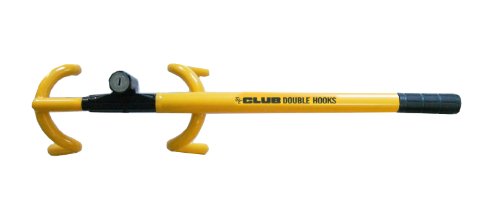
Winner International The Club 3000 Twin Hooks Steering Wheel Lock, Yellow : Automotive
View on Amazon- Low-mileage discounts: Island life can mean shorter commutes. If you drive under a certain annual mileage threshold, ask about this.
- Telematics/usage-based savings: Honolulu traffic is stop-and-go, but smooth accelerations and braking, daytime driving, and fewer miles can still add up to savings.
- Military and federal employee discounts: With a strong military presence statewide, carriers often offer competitive military rates and deployment-related options.
- Multi-vehicle and multi-policy: Households with more than one car or bundling with homeowners/renters often save.
- Safety equipment and anti-theft: Airbags, anti-lock brakes, and active anti-theft devices can help.
- Good driver discount: Staying ticket- and accident-free generally earns a lower rate over time.
- PIP deductible or co-pay options: Some Hawaii insurers allow you to choose a PIP deductible or co-pay, which can reduce premiums—just understand the trade-off if you need medical care after a crash.
Always ask the agent to review every discount you might qualify for. Discounts vary by insurer and can stack.
Filing a claim in Hawaii: what to expect
If you’re in a crash, here’s how a claim typically works under Hawaii’s no-fault system.
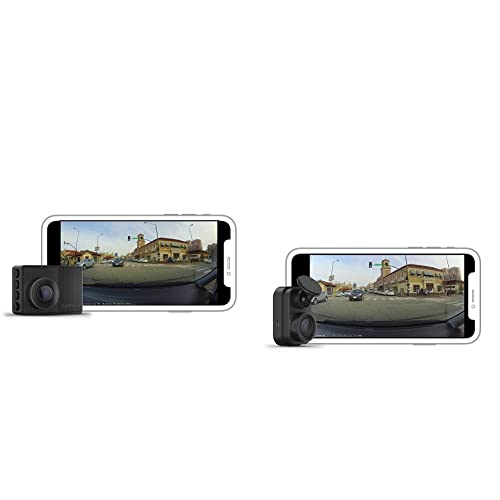
Garmin Dash Cam Mini 2, Tiny Size, 1080p and 140-degree FOV, Monitor Your Vehicle While Away w/ New Connected Features, Voice Control (Renewed) : Electronics
View on Amazon- Safety first and document the scene
- Check for injuries and call 911 if needed.
- Exchange information (names, insurance info, plate numbers, driver’s license numbers).
- Take photos of vehicle positions, damage, and surroundings.
- If significant damage or injuries are involved, call the police and get a report number.
- Notify your insurer promptly
- Report the accident as soon as you can. Many policies require prompt notice.
- Your insurer will set up a claim number and explain next steps.
- Use your PIP for medical bills
- Submit medical bills under your PIP coverage first. PIP typically pays up to your limit (often $10,000) for reasonable medical expenses.
- If your medical costs exceed that threshold or you have a qualifying serious injury, you may have the right to pursue the at-fault driver for additional damages.
- Handling vehicle damage
- If you carry collision, your insurer pays for your car repairs minus your deductible, then may seek reimbursement from the at-fault party (this is called subrogation).
- If you don’t have collision and the other driver is clearly at fault, you can pursue a third-party claim with their insurer.
- You can generally choose your repair shop. Ask about OEM parts coverage if that’s important to you.
- Uninsured/underinsured motorist (UM/UIM)
- If the at-fault driver has no insurance or too little, your UM/UIM coverage can step in for injuries and sometimes property damage, depending on your policy.
- Timelines and records
- Keep all receipts, estimates, and medical documentation.
- Claim timelines vary by insurer, but prompt responses and complete paperwork help speed things up. Hawaii also has consumer protections around fair claim handling.
If your injuries are significant or you’re unsure about thresholds and rights, consider speaking with a local attorney. And if you want a local agent to help you through policy details, you can search options here: Car Insurance Near Me: Compare Local Quotes & Find Agents Fast (/auto-insurance/car-insurance-near-me-compare-local-quotes-agents-fast)
FAQ: common questions about Hawaii car insurance
Is Hawaii a no-fault state?
- Yes. You typically use your own PIP coverage for medical bills first, regardless of fault. You may pursue the at-fault driver if your medical costs exceed a statutory threshold or you suffer a qualifying serious injury.
What are the minimum auto insurance requirements in Hawaii?
- 20/40 bodily injury liability, $10,000 property damage liability, and $10,000 PIP. UM/UIM and collision/comprehensive are optional but recommended.
Can insurers use my credit score to set my rate in Hawaii?
- Generally no. Hawaii law typically prohibits using credit score for personal auto insurance. Insurers do consider other factors like your driving record and years licensed.
Do rates differ by island?
- Often yes. Densely populated areas (like parts of Oahu) can have more crashes and theft, which may raise rates compared with some areas on the neighbor islands. Exact differences vary by insurer.
Do I need full coverage for a financed car?
- Usually yes. Lenders typically require comprehensive and collision until the loan is paid off.
Does auto insurance cover volcanic ash or hurricane damage?
- Typically yes under comprehensive coverage (which covers non-collision damage such as windstorm, fire, theft, and falling objects). Flooding/tsunami is usually covered under comprehensive too. Always confirm specifics in your policy.
What if the other driver doesn’t have insurance?
- Your UM/UIM coverage (if you carry it) can help pay for injuries and, depending on the policy, sometimes property damage. It’s a strong add-on in any state.
Will a speeding ticket raise my rate in Hawaii?
- Often yes. A single minor ticket can increase your premium for 3 years with many insurers, though the amount varies.
What if I drive very little each year?
- Ask about low-mileage and telematics discounts. Many Hawaii drivers can benefit if they mostly commute short distances.
I’m moving to Hawaii—how soon do I need local insurance?
- Once you register your vehicle in Hawaii and become a resident, you generally need a policy that meets Hawaii’s requirements. Timelines vary; check with the DMV and your insurer for specifics.
Your next step
The best way to find the cheapest auto insurance in Hawaii for your situation is to compare quotes from 3–5 carriers with the same coverage settings. That’s how you see, in black and white, who really wants your business this year.
Get started in minutes: Car Insurance Quotes: Compare Rates & Get Personalized Quotes Fast (/auto-insurance/car-insurance-quotes-compare-rates)
A quick note: This guide is educational and not legal advice. Insurance rules can change, and policy features vary by insurer. For personal recommendations based on your driving history and coverage needs, consider speaking with a licensed agent in your area.
Recommended Resources
Insurance For Dummies?: Hungelmann, Jack
Whether you’re a homeowner or ... need on: ... Author Jack Hungelmann <strong>uses his twenty-five years of experience in the insurance industry to make buying insurance as simple as possible</strong>
Garmin Dash Cam Mini 2, Tiny Size, 1080p and 140-degree FOV, Monitor Your Vehicle While Away w/ New Connected Features, Voice Control (Renewed) : Electronics
Amazon.com: Garmin Dash Cam Mini 2, <strong>Tiny Size, 1080p and 140-degree FOV, Monitor Your Vehicle While Away w/ New Connected Features, Voice Control</strong> (Renewed) : Electronics
Winner International The Club 3000 Twin Hooks Steering Wheel Lock, Yellow : Automotive
The Club'S Patented Self-Locking Feature Locks With One Pull. Keyless Locking, for ease of use ... The Club 3000 Twin Hooks Steering Wheel Lock is <strong>a part of The Club line of quality produ
Related Articles
- Home Insurance in Hawaii: Coverage, Costs & Best Companies
- Auto Insurance in Louisiana: Rates, Requirements & How to Save
- Auto Insurance in Washington: Rates, Requirements & How to Save
- Auto Insurance in California: Rates, Requirements & How to Save
- Auto Insurance in Maryland: Rates, Requirements & How to Save
- Auto Insurance in Nevada: Rates, Requirements & How to Save
- Auto Insurance in Rhode Island: Rates, Requirements & How to Save
- Auto Insurance in Alaska: Rates, Requirements & How to Save