
Auto Insurance in New Mexico: Rates, Requirements & How to Save
You’re shopping for auto insurance in New Mexico and seeing a wide range of prices. Which coverages do you actually need, what do they cost, and how do you avoid overpaying? Here’s what actually matters when choosing car insurance in the Land of Enchantment.
Note: Rates and coverage availability vary by driver, vehicle, insurer, and location. Use the numbers here as general guidance, not guaranteed quotes.
New Mexico auto insurance requirements and minimum coverage
New Mexico is an at-fault (tort) state. That means the driver who causes a crash is financially responsible for the other party’s injuries and property damage. To drive legally, you need at least the state’s minimum liability insurance:
- Bodily injury liability: $25,000 per person / $50,000 per accident (often written as 25/50). This pays for injuries you cause to others. It does not cover your injuries.
- Property damage liability: $10,000 per accident (the “10” in 25/50/10). This pays for damage you cause to someone else’s car or property.
A quick reality check: $10,000 in property damage doesn’t go very far if you total a newer SUV, and $25,000 for injuries can be exhausted quickly after an ER visit and imaging. Many New Mexico drivers choose higher limits like 100/300/100 or 250/500/100 for better protection. Higher limits typically cost less than most people expect relative to the risk they cover.
Other coverages to consider in New Mexico:
- Uninsured/Underinsured Motorist (UM/UIM): Covers your injuries (and sometimes property damage) if you’re hit by a driver with no insurance or not enough insurance. New Mexico insurers must offer this coverage, but you can reject it in writing. Because New Mexico’s uninsured driver rate is often estimated on the higher side, UM/UIM is worth serious consideration.
- Medical payments (MedPay): Optional coverage that helps pay for medical bills for you and your passengers, regardless of who’s at fault. It can be helpful if you have a high health insurance deductible (the amount you pay out of pocket before your health plan starts to pay).
- Collision coverage: Pays to repair or replace your car after a crash, regardless of fault, minus your deductible (the amount you pay before insurance kicks in). Required if you lease or finance your car.
- Comprehensive coverage: Pays for non-crash damage such as theft, vandalism, hail, wildfire, flood, and hitting an animal, minus your deductible. Weather and wildlife risks are real across much of New Mexico, so this is valuable for many drivers with vehicles worth more than a few thousand dollars.
Proof of insurance and penalties for lapses:
- New Mexico maintains an insurance verification system tied to your vehicle registration. A lapse in coverage can lead to registration suspension and reinstatement fees.
- After certain offenses (like DUI) or license reinstatement, you may be required to file an SR-22. An SR-22 isn’t insurance; it’s a form your insurer files to prove you carry required liability coverage.
Average car insurance rates in New Mexico by age, vehicle, and driving record
Let’s ground this in ballpark numbers. These are illustrative ranges based on typical pricing patterns seen in New Mexico; your actual quote will depend on many variables.
Minimum-liability coverage
- 25-year-old with a clean record: $45–$85 per month
- 35-year-old with a clean record: $40–$70 per month
- 60-year-old with a clean record: $40–$75 per month
- Teen driver on a family policy: +$90–$200 per month added to the household policy (varies widely)
Full coverage (liability higher than minimums, plus comprehensive and collision with $500–$1,000 deductibles)
- 25-year-old, clean record: $120–$210 per month
- 35-year-old, clean record: $110–$190 per month
- 60-year-old, clean record: $95–$170 per month
- Teen driver on a family policy: +$190–$400 per month added to the household policy
By vehicle type (full coverage, 35-year-old, clean record):
- Older sedan (e.g., 2012 Toyota Camry): $85–$140 per month
- Popular small SUV (e.g., 2018 Honda CR-V): $110–$170 per month
- Pickup truck (e.g., 2020 Ford F-150): $120–$190 per month
- Performance car (e.g., Dodge Charger): $160–$300+ per month
Driving record impact (35-year-old, full coverage):
- One speeding ticket (minor): often +15% to +25%
- At-fault accident with damage: often +35% to +60%
- DUI: often +60% to +100% (and an SR-22 may be required)
Location matters in New Mexico:
- Albuquerque area: Typically higher premiums due to traffic density and historically higher theft rates.
- Las Cruces, Santa Fe: Often moderate.
- Rural counties: Often lower rates, but wildlife collision risk can raise comprehensive claims.
Again, these are typical ranges, not quotes. The fastest way to see what you would actually pay is to compare quotes from 3–5 carriers using the same coverage levels and deductibles.
Factors that affect New Mexico auto insurance premiums
Here’s what really moves the needle in New Mexico pricing:
- Coverage choices and deductibles: Higher liability limits add cost but provide crucial protection. Raising your comprehensive/collision deductible from $500 to $1,000 often lowers premiums 10%–20% for those coverages.
- Driving history: Tickets, at-fault accidents, and DUIs hit rates hard and can affect pricing for 3–5 years.
- Where you live and park: Urban ZIP codes with more crashes and thefts often cost more. Garaging your vehicle off-street or in a locked garage can help.
- Vehicle value and safety profile: Newer or high-performance cars cost more to repair or replace. Safety ratings, anti-theft features, and parts availability also play a role.
- Annual mileage and commute: Lower annual miles typically mean lower risk. If you work from home or have a short commute, ask about low-mileage options.
- Credit-based insurance score: New Mexico allows insurers to use credit-based insurance scores (a measure related to how you manage credit, not your credit “worth”). Better scores typically mean lower rates.
- Prior insurance and lapses: A continuous coverage history usually helps. Lapses can raise prices and trigger registration issues.
- Uninsured motorist environment: In areas with more uninsured drivers, UM/UIM and collision claims frequency can influence overall pricing.
- Telematics (usage-based insurance): Many New Mexico insurers offer a device or app that tracks braking, acceleration, time of day, and mileage. Safe habits can earn sizable discounts, but hard braking or late-night driving may reduce the discount.
How to compare and get the cheapest auto insurance in New Mexico
If you want a fair price, consistency is key. Here’s a practical, step-by-step way to compare apples to apples.
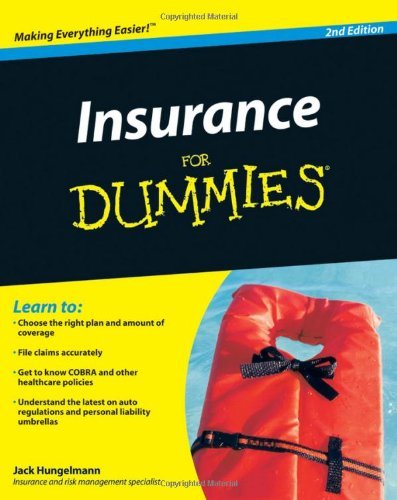
Insurance For Dummies?: Hungelmann, Jack
Whether you’re a homeowner or ... need on: ... Author Jack Hungelmann <strong>uses his twenty-five years of experience in the insurance industry to make buying insurance as simple as possible</strong>
Check Price on Amazon- Decide on your target liability limits
- Minimums (25/50/10) meet the law, not the risk. A common, stronger setup is 100/300/100 or higher. If you own a home, have savings, or have a high income, consider higher limits or an umbrella policy for extra liability protection.
- Choose whether to add UM/UIM
- Given New Mexico’s higher estimated uninsured driver rate, UM/UIM is a smart layer of protection for injuries and, when available, for property damage (UMPD). If you reject it, you typically must do so in writing.
- Decide on comp/collision and deductibles
- If your car is financed or worth more than a few thousand dollars, comprehensive and collision generally make sense. Pick a deductible you could comfortably pay tomorrow if needed. $500–$1,000 is typical.
- Line up the same coverages with every quote
- Use identical limits, deductibles, and add-ons across carriers. Otherwise, the cheapest quote might simply be the one that cut something important.
- Ask about meaningful add-ons
- Rental reimbursement (pays for a rental car while yours is in the shop after a covered claim)
- Roadside assistance (towing, jump starts, lockouts)
- New car replacement or gap coverage if you lease/finance
- Collect 3–5 quotes the same day
- Prices change often. Pulling quotes in a short window helps you compare cleanly. Include a mix of national and regional carriers.
- Look beyond price
- Check financial strength ratings (A.M. Best, for example), claims satisfaction scores, and repair network flexibility. Ask how they handle OEM vs. aftermarket parts and whether you can choose your repair shop.
- Try telematics if you’re a safe driver
- If you mostly drive during the day, avoid hard braking, and keep mileage low, a usage-based program can unlock meaningful savings.
Practical example:
- Say you’re a 35-year-old driver in Albuquerque with a 2018 Honda CR-V and a clean record. You choose 100/300/100 liability, UM/UIM, $500 deductibles for comp/collision, and add rental reimbursement.
- Carrier A: $148/month after a telematics discount
- Carrier B: $172/month, but includes accident forgiveness
- Carrier C: $161/month with a healthy multi-policy discount if you bundle home
- Which is best? If you can keep the telematics discount, Carrier A looks strong. If you want forgiveness and won’t use telematics, Carrier B might be worth the extra few dollars. Bundling with Carrier C could bring that to the mid-$140s.
Call to action: The smartest next step is to check your own numbers. Compare quotes from 3–5 insurers using the same coverages to see what you would actually pay in New Mexico.
New Mexico-specific discounts and savings opportunities
Most carriers offer familiar discounts, but a few stand out for New Mexico drivers:
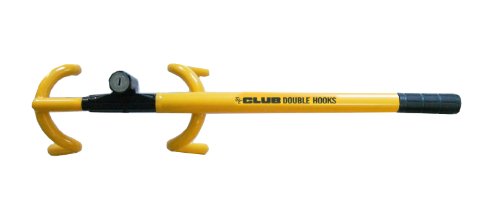
Winner International The Club 3000 Twin Hooks Steering Wheel Lock, Yellow : Automotive
View on Amazon- Mature driver course (age 55+): New Mexico law typically requires insurers to offer a discount to drivers 55 and older who complete an approved mature driver improvement course. Savings often last up to three years; ask your insurer for approved providers.
- Defensive driving / driver training: Completing an approved course can earn a discount, especially for younger drivers. Check with your carrier on requirements.
- Good student: Full-time students with a B average or better often qualify.
- Multi-policy and multi-car: Bundling auto with home or renters insurance is one of the most reliable ways to save 10%–25% across policies.
- Telematics/usage-based: Safe driving habits tracked by an app/device can lead to significant savings, especially if you drive fewer miles or avoid late-night driving.
- Anti-theft and vehicle safety: Alarm systems, immobilizers, VIN etching, and strong safety ratings can reduce comprehensive and medical-related portions of your premium.
- Low-mileage and commute: If you work from home or carpool, ask about a low-mileage tier.
- Payment and policy setup: Pay-in-full, autopay, paperless documents, and early renewal discounts can shave off small but real amounts.
- Military and affinity: New Mexico’s military community (e.g., Kirtland AFB, Holloman AFB) may qualify for military discounts with certain carriers.
Quick savings checklist:
- Increase your comprehensive and collision deductibles if you have the emergency fund to cover them.
- Drop collision/comprehensive when your car’s value falls below what you’d reasonably spend to repair/replace it (often when annual comp/collision premiums exceed 10% of the vehicle’s value).
- Re-shop your policy every 12–18 months or after major life events.
- Keep continuous coverage—lapses often lead to higher prices.
Filing a claim in New Mexico: what to expect
If you’re in a crash, here’s a plain-English roadmap.

VIOFO Dash Cam A119 V3 2K 2560x1440P Quad HD+ 60FPS Front Car Dash Camera, 5MP STARVIS Sensor, 140-Degree Wide Angle, GPS Included, Buffered Parking Mode, True HDR, Motion Detection, Time Lapse : Electronics
View on Amazon- Safety first and documentation
- Move to a safe spot if possible, call 911 for injuries, and exchange info. Take photos of all vehicles, the scene, and any visible injuries. Get witness names and numbers.
- Police report
- If there are injuries or significant damage, call the police. Having an official report typically helps the claim move faster and can clarify fault.
- Contact your insurer promptly
- Report the claim as soon as you can—usually via app, phone, or your agent. Provide the basics: time, place, vehicles, and a short description. Your insurer will assign a claim number and adjuster.
- Fault and New Mexico’s comparative negligence rule
- New Mexico follows pure comparative negligence. That means each driver can be assigned a percentage of fault, and payments adjust accordingly. Even if you share most of the blame, you can still recover a portion of your losses from the other driver (and vice versa).
- Repairs, estimates, and rental cars
- An adjuster may inspect your vehicle or ask for body shop photos/estimates. You have the right to choose your repair shop. If you carry rental reimbursement, your insurer will explain the daily limits and how long coverage lasts while your car is in the shop after a covered loss.
- Medical treatment and bills
- Use MedPay (if you have it) for early medical bills. Your health insurance can also apply. Keep records of visits, receipts, and time missed from work. If another driver is at fault, their liability insurance may reimburse you for medical costs and other damages up to their limits.
- Time limits
- New Mexico’s general statute of limitations is typically three years for bodily injury and four years for property damage from auto accidents. Contract-related timelines (like uninsured motorist claims) can differ. If injuries are serious, talk to a qualified attorney about your options and deadlines.
- Total losses and valuations
- If your vehicle is a total loss, the insurer will typically pay the actual cash value (ACV), which is the car’s market value minus depreciation (the reduction in value due to age and wear). If you lease or have a loan and owe more than ACV, gap coverage can pay the difference if you carry it.
Pro tip: If the at-fault driver’s insurer is slow, you can often use your own collision coverage to fix your car now. Your insurer may then seek reimbursement from the other carrier (a process called subrogation).
FAQ: common questions about New Mexico car insurance
Is New Mexico a no-fault state?
- No. New Mexico is an at-fault state. The driver who causes a crash is responsible for the other party’s losses, subject to comparative negligence rules.
What is the minimum car insurance in New Mexico?
- 25/50/10 for liability: $25,000 bodily injury per person, $50,000 per accident, and $10,000 property damage. These minimums are legal requirements, not recommendations.
Do I need uninsured/underinsured motorist coverage in New Mexico?
- It’s not required, but insurers must offer it, and you can reject it in writing. Because uninsured/underinsured rates in New Mexico are often higher than average, many drivers choose UM/UIM for added protection.
Can my credit affect my rate in New Mexico?
- Yes. New Mexico allows credit-based insurance scores to be used in pricing. Managing credit well typically lowers premiums over time.
How much liability coverage should I carry?
- Many drivers opt for 100/300/100 or higher. If you have assets or income to protect, consider higher limits or an umbrella policy for extra liability protection.
What is an SR-22 and when would I need one?
- An SR-22 is a certificate your insurer files with the state to prove you carry required liability coverage, usually after certain violations (like DUI) or a license reinstatement. It can increase your premiums.
Is roadside assistance worth it?
- It’s inexpensive and helpful if you don’t have a motor club membership and want coverage for tows, jump-starts, and lockouts. Check towing distance limits.
How do I get cheaper insurance with a teen driver in New Mexico?
- Add the teen to a family policy, keep grades up for the good student discount, complete driver training, consider telematics, and shop multiple carriers—pricing varies widely for young drivers.
What if I hit a deer or encounter hail or wildfire damage?
- That’s typically covered under comprehensive coverage, subject to your deductible. Given New Mexico’s wildlife and weather patterns, comprehensive is valuable for many drivers.
A quick word on advice: For personalized guidance on coverage limits and discounts, it can help to speak with a licensed agent who understands New Mexico’s market and your specific situation.
Ready to see your rate? The fastest way to know what you’d actually pay is to compare quotes from 3–5 insurers using identical coverages and deductibles. Ten minutes of comparing can save you for the next 6–12 months.
Recommended Resources
Insurance For Dummies?: Hungelmann, Jack
Whether you’re a homeowner or ... need on: ... Author Jack Hungelmann <strong>uses his twenty-five years of experience in the insurance industry to make buying insurance as simple as possible</strong>
VIOFO Dash Cam A119 V3 2K 2560x1440P Quad HD+ 60FPS Front Car Dash Camera, 5MP STARVIS Sensor, 140-Degree Wide Angle, GPS Included, Buffered Parking Mode, True HDR, Motion Detection, Time Lapse : Electronics
Amazon.com: VIOFO Dash Cam A119 V3 2K 2560x1440P Quad HD+ 60FPS Front Car Dash Camera, 5MP STARVIS Sensor, 140-Degree Wide Angle, <strong>GPS Included</strong>, Buffered Parking Mode, True HDR, Motion
Winner International The Club 3000 Twin Hooks Steering Wheel Lock, Yellow : Automotive
The Club'S Patented Self-Locking Feature Locks With One Pull. Keyless Locking, for ease of use ... The Club 3000 Twin Hooks Steering Wheel Lock is <strong>a part of The Club line of quality produ
Related Articles
- Home Insurance in New Mexico: Coverage, Costs & Best Companies
- Auto Insurance in New Hampshire: Rates, Requirements & How to Save
- Health Insurance in New Mexico: Plans, Costs & How to Enroll
- Auto Insurance in New Jersey: Rates, Requirements & How to Save
- Auto Insurance in Nebraska: Rates, Requirements & How to Save
- Auto Insurance in Nevada: Rates, Requirements & How to Save
- Auto Insurance in Arizona: Rates, Requirements & How to Save
- Auto Insurance in Oklahoma: Rates, Requirements & How to Save