
Auto Insurance in California: Rates, Requirements & How to Save
Auto Insurance in California: Rates, Requirements & How to Save
You just got a quote and the number feels high. Is that normal for auto insurance in California? Short answer: often, yes. California is one of the pricier states for car insurance, but you still have a lot of control over what you pay and the protection you get. This guide breaks down what the state requires, what drivers typically pay by age and driving record, how insurers set prices in California, and practical steps to lock in a better rate.
Along the way, I’ll translate the jargon and flag the gotchas insurers don’t usually tell you. If you’re ready to see your real price, the fastest way is to compare quotes from 3–5 carriers—more on that below.
Auto insurance in California: requirements and minimum coverage
California is an at-fault (tort) state. That means the driver who causes a crash is responsible for the other party’s damages. State law sets minimum liability limits you must carry to drive legally. As of recent updates, California’s minimum liability requirements increased, so double-check your policy—it’s easy to be underinsured if you’ve had the same limits for years.
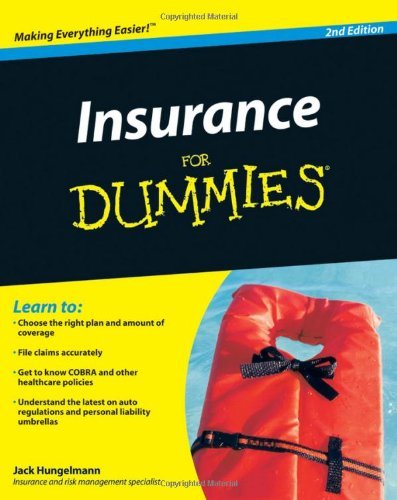
Insurance For Dummies?: Hungelmann, Jack
Whether you’re a homeowner or ... need on: ... Author Jack Hungelmann <strong>uses his twenty-five years of experience in the insurance industry to make buying insurance as simple as possible</strong>
Check Price on AmazonHere’s what the required liability coverage means:
- Bodily injury liability (BI): Pays for injuries you cause to others. This includes medical bills, lost wages, and pain-and-suffering up to your limits.
- Property damage liability (PD): Pays to repair or replace other people’s property you damage (the other person’s car, a fence, a building, etc.).
Tip: Minimum liability covers the other person, not you. If you want your own car repaired after an at-fault crash, you need collision coverage (which pays to fix your car after a crash, minus your deductible—the out-of-pocket amount before insurance kicks in). For non-crash damage like theft, wildfire, or a falling tree branch, you need comprehensive coverage (covers non-collision events, also subject to a deductible).
Other key California specifics:
- Uninsured/underinsured motorist (UM/UIM): Not required, but insurers must offer it. You can decline in writing. UM/UIM can pay for your injuries if a driver who hits you has no insurance or too little.
- Medical payments (MedPay): Optional. Helps with your and your passengers’ medical bills regardless of fault. California does not have personal injury protection (PIP) like some no-fault states.
- Proof of insurance: You must carry proof and present it during traffic stops or after a crash. Electronic proof on your phone is acceptable.
- Alternatives to insurance: California recognizes other forms of “financial responsibility,” like a surety bond or DMV cash deposit, or self-insurance for qualifying fleets. Most drivers use a standard auto policy because it’s simpler.
- SR-22: If your license is suspended (for example, after a DUI) you may need an SR-22 filing—proof from your insurer to the state that you maintain coverage.
Not sure what each coverage does? This quick explainer helps you match coverage to real-world risks: Understanding Auto Insurance Coverage Types.
Average car insurance rates in California by age, vehicle, and driving record
Rates vary widely across California—Los Angeles and the Bay Area often run higher than many suburban or rural ZIP codes due to traffic density, repair costs, and theft trends. The figures below are typical ranges we see for standard drivers in 2026, but your exact price will vary by insurer and personal rating factors.
Examples (illustrative, not quotes):
- 30-year-old, clean record, 12,000 miles/year
- Sacramento area: $150–$220/month for full coverage (liability + comprehensive + collision)
- Los Angeles: $220–$340/month for similar coverage
- 45-year-old, clean record, drives 8,000 miles/year
- Inland Empire: $140–$210/month full coverage
- San Jose: $180–$280/month full coverage
- 21-year-old, clean record
- Statewide: $240–$450/month full coverage is common; liability-only may be $110–$220/month
- Add a teen driver (licensed less than 1 year) to a family policy
- Often adds $150–$300/month depending on mileage, GPA, and the vehicles on the policy
- One at-fault accident or speeding ticket
- Expect an increase of 15%–50% for minor violations; more for at-fault injuries
- DUI
- Premiums can double or more; an SR-22 filing is typically required for several years
Vehicle matters, too:
- A used Toyota Camry or Honda Civic is generally cheaper to insure than a new luxury SUV.
- EVs can cost more to insure due to repair costs and parts availability, but some carriers offer EV discounts.
- High theft rates for certain models or areas can raise comprehensive premiums.
If your quote seems out of line, it might be your mileage estimate, rating ZIP, or a prior incident in your CLUE report (the industry claims database). Ask the insurer to review the rating inputs—they can correct mileage, garaging address, or accident details if they’re wrong.
Factors that affect California auto insurance premiums
California is different from many states because of Proposition 103 and other regulations. Here’s what actually matters when choosing and pricing coverage in California.
Primary rating factors (must be used and must carry the most weight):
- Driving safety record: Tickets, at-fault accidents, and major violations (like DUI) weigh heavily. Clean records earn better rates.
- Annual miles driven: Lower annual mileage can earn meaningful discounts. Odometer verification or mileage-tracking can be required.
- Years of driving experience: Newer drivers pay more; premiums typically drop as you gain experience without incidents.
Other factors insurers may use (with Department of Insurance approval):
- Garaging ZIP code/territory
- Type of vehicle and its safety/repair profile
- Prior insurance and lapse history
- Multi-car and multi-policy status
- Anti-theft and safety features
What California generally does not allow for rating private passenger policies:
- Credit score/credit-based insurance score
- Education level or occupation
- Gender (prohibited for most private auto pricing)
Why this matters: If you’ve moved from a state where your excellent credit lowered your premium, you won’t see that benefit in California. On the flip side, if you’re rebuilding credit, you’re not penalized for it here.
How to compare and get the cheapest auto insurance in California
You can’t change state rules, but you can shop smart. Here’s how to zero in on the best value without sacrificing key protections.
Start with the right target coverage
- Choose liability limits that match your risk. California’s minimums are often too low to cover a serious crash. Many drivers choose higher limits (for example, $100,000 per person/$300,000 per accident for bodily injury and $50,000–$100,000 for property damage) to protect savings and home equity. If you cause a $60,000 crash with only minimum PD, you could owe the difference out of pocket.
- Add collision and comprehensive if you can’t afford to replace or repair your car out of pocket.
- Consider uninsured/underinsured motorist coverage. It’s a strong value in most cases because not every driver on the road carries robust limits.
- Pick deductibles you can actually pay. A $1,000 deductible can lower your premium, but only choose it if you have that amount set aside.
Compare apples to apples across 3–5 companies
- Use the same liability limits, deductibles, and mileage estimate with each quote. Tiny differences can swing prices by hundreds.
- In California, mileage matters a lot. If your commute changed, update it. Proof (work-from-home letter, transit pass) can help lock in a low-mileage rating.
- Check how carriers handle OEM vs. aftermarket parts, rental reimbursement, and glass claims—these can affect your repair experience.
Ready to see your real number? Start here: Car Insurance Quotes: Compare Rates & Get Personalized Quotes Fast.
What to look for when comparing
- Strong liability limits relative to your assets and risk
- Transparent repair policies (OEM parts, certified shops if that matters to you)
- Accident forgiveness options and vanishing deductible programs (availability varies)
- Roadside assistance and rental reimbursement pricing
- Solid claims reputation in California markets
You can also use this quick shopping checklist: Compare Car Insurance: Best Coverage and Price Today.
Smart ways to trim the premium
- Bundle home or renters with auto if the math works
- Raise comprehensive/collision deductibles modestly (e.g., from $500 to $1,000) if you have an emergency fund
- Drop collision on older cars worth less than 8–10 times the premium for that coverage
- Opt into verified low-mileage programs if you truly drive less
- Pay in full or set up autopay to capture smaller but easy discounts
For more saving strategies without cutting essential protection, see: Cheap Auto Insurance: How to Lower Your Premiums & Get Quotes.
California-specific discounts and savings opportunities
California offers some unique, consumer-friendly angles. Don’t leave these on the table.
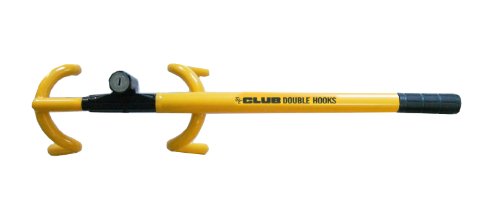
Winner International The Club 3000 Twin Hooks Steering Wheel Lock, Yellow : Automotive
View on Amazon- Good Driver Discount (Prop 103): If you qualify as a “Good Driver” (typically three years of licensed driving with a clean-ish record and no major violations), you’re entitled to a discount of at least 20%. If your quote doesn’t show this and you think you qualify, ask why.
- Mileage-based savings: Because annual miles are a primary rating factor, verified low mileage can shave a significant amount off your premium. Some carriers use odometer photos, connected devices, or verified commuting patterns. In California, how mileage is monitored and used is regulated—ask what data is collected and how it affects your rate before opting in.
- Mature Driver Improvement Course (age 55+): Completing a state-approved course can earn a multi-year discount in many cases.
- Multi-car and multi-policy: Insuring multiple vehicles or bundling with renters/home can reduce premiums, though always compare bundled vs. standalone prices.
- Vehicle safety and anti-theft: Factory-installed airbags, anti-lock brakes, and active safety tech may help; tracking/immobilizer devices can reduce comprehensive premiums in higher-theft ZIPs.
- California Low Cost Auto (CLCA) program: Income-eligible drivers may qualify for a state-sponsored basic liability policy at a reduced cost. Program details and limits are unique, and availability can change—check the official program site to see if you qualify.
Pro tip: Discounts stack differently by carrier. A company with a smaller base rate but fewer discounts can still beat a “discount-heavy” competitor. Always test the total price.
Filing a claim in California: what to expect
If you’re in a crash, here’s how claims typically work in California.

VANTRUE N4 3 Channel Dash Cam, 4K+1080P Dual Channel, 1440P+1440P+1080P Front Inside Rear Three Way Triple Car Dash Camera, IR Night Vision, Capacitor, 24 Hours Parking Mode, Support 256GB Max : Electronics
View on Amazon- Safety first: Move to a safe spot, call 911 if anyone is hurt, and exchange info. Take photos, note witnesses, and capture the other driver’s plate and insurance details.
- Report the claim promptly: Call your insurer or use the app. Quick reporting helps with liability decisions and rental arrangements.
- California is comparative negligence: Fault can be split. If you’re 30% at fault and the other driver is 70% at fault, your recovery from their insurer may be reduced by your share. Expect adjusters to investigate statements, photos, and sometimes traffic camera footage.
- Repairs and parts: California has rules about disclosure when non-OEM (aftermarket) parts are used. If OEM parts are important to you, ask your carrier what’s covered and whether you can select a shop of your choice.
- Rental car coverage: This is optional and only applies if you purchased it, or if you are not at fault and the other insurer accepts liability. If fault is disputed, you may need to front rental costs and seek reimbursement later.
- Total losses: If the car is a total loss, the payout is typically the vehicle’s actual cash value (its market value just before the loss). Sales tax, title, and fees are addressed per California rules and your policy—ask your adjuster for an itemized valuation.
- Wildfire, flood, and theft: These are covered under comprehensive coverage if you carry it. Document promptly and provide any requested proof of ownership or contents.
- Diminished value: Under your own policy, diminished value (the idea that a repaired car is worth less than before the crash) is usually not covered. In a third-party claim against the at-fault driver, you can ask for diminished value, but outcomes vary by case.
- Reporting to the DMV: California requires an accident report (Form SR-1) within a set time frame for crashes involving injury, death, or significant property damage. Check the DMV’s current threshold and submit if required.
Rideshare note: If you drive for Uber or Lyft, the company’s coverage changes by “periods” (app off, app on waiting, en route, passenger in car). Personal policies often exclude gaps unless you add a rideshare endorsement. Clarify this before you take your first trip.
If your claim stalls or you believe an offer is unfair, you can escalate within the insurer, file a complaint with the California Department of Insurance, or consult an attorney for serious injury disputes.
FAQ: common questions about California car insurance
What are the minimum car insurance limits in California?
- California requires liability insurance with state-set minimums that recently increased. Because costs from even a moderate crash can exceed minimums, many drivers choose higher limits.
Is California a no-fault state?
- No. California is an at-fault state. The driver who causes the crash is responsible for damages.
Do I need uninsured/underinsured motorist coverage in California?
- It’s not required, but it’s usually smart. It can cover your injuries if the other driver has no insurance or too little. You can reject it in writing if you prefer.
Can insurers use my credit score to price my auto insurance in California?
- No. Credit-based insurance scores are generally prohibited for private passenger auto pricing in California.
I work from home now. Will that lower my rate?
- Often, yes. Annual mileage is a primary rating factor. Update your estimate and be ready to verify.
What happens if I let my policy lapse?
- Insurers may surcharge for a lapse, and California can suspend your registration if you drive uninsured. Keep continuous coverage whenever possible.
I got a DUI. What now?
- Expect much higher rates and an SR-22 filing requirement for a set period. Compare multiple carriers—some specialize in high-risk drivers.
Do I need special coverage for Uber/Lyft or delivery driving?
- Yes. Ask for a rideshare or business-use endorsement. TNC coverage has gaps your personal policy may not fill without it.
Are EVs more expensive to insure in California?
- Often, but not always. Repair costs and parts availability can raise premiums, while safety features and some carrier discounts can offset that. Shop around.
How long do tickets and accidents affect my rate?
- Minor violations typically impact premiums for 3 years; major violations can linger longer. Clean driving helps those surcharges fall off over time.
A quick note on personalized advice
Insurance is personal. Your best mix of coverage and price depends on your driving history, mileage, vehicle, ZIP code, and budget. A licensed agent can help you match real risks to coverages and find savings you might miss.
Your next step
The fastest way to see what you’d actually pay is to compare quotes from at least 3–5 California-friendly carriers using the same coverage limits and deductibles. It takes about 5–10 minutes and can save you hundreds per year if you haven’t shopped recently.
Get started: Car Insurance Quotes: Compare Rates & Get Personalized Quotes Fast
Recommended Resources
Insurance For Dummies?: Hungelmann, Jack
Whether you’re a homeowner or ... need on: ... Author Jack Hungelmann <strong>uses his twenty-five years of experience in the insurance industry to make buying insurance as simple as possible</strong>
VANTRUE N4 3 Channel Dash Cam, 4K+1080P Dual Channel, 1440P+1440P+1080P Front Inside Rear Three Way Triple Car Dash Camera, IR Night Vision, Capacitor, 24 Hours Parking Mode, Support 256GB Max : Electronics
Amazon.com: VANTRUE N4 3 Channel Dash Cam, <strong>4K+1080P Dual Channel, 1440P+1440P+1080P Front Inside Rear Three Way Triple Car Dash Camera, IR Night Vision, Capacitor, 24 Hours Parking Mode, Suppo
Winner International The Club 3000 Twin Hooks Steering Wheel Lock, Yellow : Automotive
The Club'S Patented Self-Locking Feature Locks With One Pull. Keyless Locking, for ease of use ... The Club 3000 Twin Hooks Steering Wheel Lock is <strong>a part of The Club line of quality produ
Related Articles
- California Home Insurance: Compare Quotes, Costs & Coverage
- Home Insurance in California: Coverage, Costs & Best Companies
- Auto Insurance in Nevada: Rates, Requirements & How to Save
- Auto Insurance in Arizona: Rates, Requirements & How to Save
- Auto Insurance in Maryland: Rates, Requirements & How to Save
- Cheapest Car Insurance in California: How to Find the Lowest Rates
- Auto Insurance in Hawaii: Rates, Requirements & How to Save
- Auto Insurance in Colorado: Rates, Requirements & How to Save