
Auto Insurance in Kansas: Rates, Requirements & How to Save
You’re shopping for auto insurance in Kansas and the quotes feel all over the place. Is that normal? What actually matters in a no-fault state like Kansas, and how do you know you’re covered without overpaying? Here’s the straight talk on requirements, typical rates, and the smartest ways to save—so you can pick a policy with confidence.
Kansas auto insurance requirements and minimum coverage
Kansas is a no-fault state. That means after most crashes, you first use your own personal injury protection (PIP) benefits—regardless of who caused the accident—to pay medical bills and certain related costs. You can still pursue the at-fault driver in some cases, but only if your injuries meet specific legal thresholds (for example, medical bills above a set amount or serious/permanent injuries). A local attorney can explain how those thresholds apply to your situation.
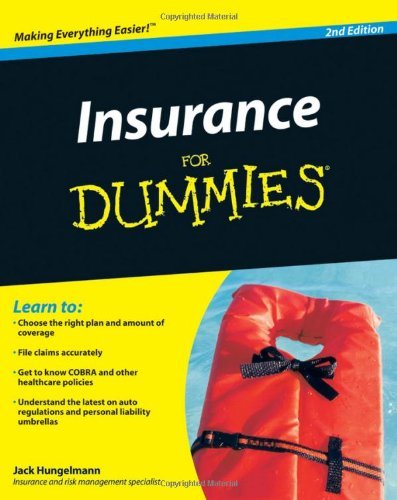
Insurance For Dummies?: Hungelmann, Jack
Whether you’re a homeowner or ... need on: ... Author Jack Hungelmann <strong>uses his twenty-five years of experience in the insurance industry to make buying insurance as simple as possible</strong>
Check Price on AmazonHere’s what the state typically requires at a minimum:
- Liability coverage (pays others if you cause a crash):
- Bodily Injury: $25,000 per person / $50,000 per accident
- Property Damage: $25,000 per accident
- Personal Injury Protection (PIP) (your no-fault benefits):
- Medical expenses: $4,500 per person
- Rehabilitation: $4,500 per person (typical minimum)
- Lost income: up to $900 per month for one year (usually 85% of income)
- In-home services: up to $25 per day for one year
- Funeral benefit: $2,000
- Survivor benefits may also apply (income and services for dependents)
- Uninsured/Underinsured Motorist Bodily Injury (UM/UIM):
- $25,000 per person / $50,000 per accident
A few notes:
- These are minimums. In real crashes, costs can easily exceed them. Many Kansas drivers choose higher limits like 100/300/100 to better protect savings, income, and home equity.
- Collision coverage (pays to repair or replace your car after a crash) and comprehensive coverage (pays for non-crash damage like hail, theft, or deer strikes) are optional unless required by your lender or lease.
- Kansas accepts electronic proof of insurance (that digital ID card on your phone), which is handy during traffic stops and registration.
If you want a refresher on how each coverage works, this quick explainer is helpful: Understanding Auto Insurance Coverage Types.
Average car insurance rates in Kansas by age, vehicle, and driving record
Let’s ground this with ballpark figures. Actual premiums vary by driver, vehicle, ZIP code, credit, and your insurer’s pricing. But these ranges can help you sanity-check quotes.
- Minimum coverage (state-required only): often around $450–$750 per year for a clean-driving adult in many Kansas ZIPs.
- Full coverage (liability + comprehensive + collision): often around $1,300–$2,000 per year for a clean-driving adult with average deductibles ($500–$1,000). Heavier-weather counties and urban ZIPs can land higher.
By driver age (clean record, typical sedan):
- 18–20: Minimum coverage $1,200–$2,200/yr; Full coverage $3,000–$5,500/yr
- 25: Minimum $500–$850; Full $1,400–$2,300
- 40: Minimum $450–$750; Full $1,300–$2,000
- 65: Minimum $500–$850; Full $1,400–$2,200
By vehicle (40-year-old, clean record, typical deductibles):
- 2019 Toyota Camry: Minimum $500–$800; Full $1,300–$1,900
- 2021 Ford F-150: Minimum $550–$900; Full $1,450–$2,100
- 2020 Honda CR-V: Minimum $500–$800; Full $1,250–$1,850
Driving record impact (40-year-old, full coverage, typical deductibles):
- One speeding ticket: +10% to +25% for 3 years (varies by insurer)
- At-fault property damage crash: +25% to +50%
- DUI: +50% to well over +100% and possible SR‑22 filing requirement
Real-world examples (illustrative only):
- Wichita 67214, 30-year-old, 2018 Camry, clean record: Full coverage might land between $1,500 and $2,200. Hail exposure and urban garaging can push toward the upper end.
- Overland Park 66212, 45-year-old, 2022 CR‑V, clean record: Full coverage might be closer to $1,300–$1,800 thanks to suburban garaging and strong credit.
Again, these are not quotes—just typical ranges based on market patterns. The fastest way to see your own price is to compare real quotes side-by-side.
Factors that affect Kansas auto insurance premiums
Insurers in Kansas weigh many variables. Here are the ones that usually move the needle most:
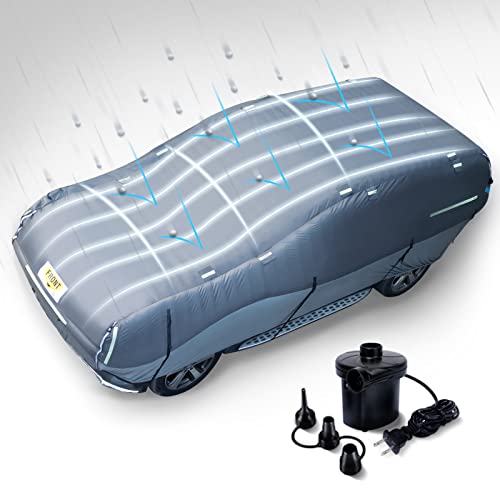
Sewinfla Thicken Inflatable Hail Protector Car Cover, Full ...
Safeguard your car against hail, rain, and UV rays with our weatherproof car covers. Featuring thick, padded construction for comprehensive protection.
Check Price on Amazon- Driving history: Tickets, at-fault accidents, and DUIs raise rates, typically for 3–5 years.
- Vehicle type and repair costs: Newer, higher-value cars and trucks (and those with pricey sensors) cost more to insure. Safety features can help.
- Where you live and park: Urban ZIPs tend to have higher frequency of claims. Kansas hail and wind events can increase comprehensive rates in storm-prone counties.
- Mileage: More miles usually means more exposure to loss, especially long commutes.
- Coverage and deductibles: Higher liability limits and lower deductibles cost more. Choosing a $1,000 comprehensive or collision deductible can lower premium compared to $500.
- Credit-based insurance score: Allowed in Kansas and commonly used. Better credit tiers often translate to lower rates.
- Age and household: Teen drivers are expensive. Multi-car households often get discounts.
- Insurance history: Lapses in coverage can bump your premium. Continuous coverage typically saves money.
- Telematics (usage-based insurance): Opt-in programs that track driving behaviors via app or device can earn sizable discounts for safe, low-mileage drivers.
Kansas-specific considerations:
- Severe weather: Hail, wind, flooding, and deer collisions are real here. Comprehensive coverage (pays for non-crash damage like hail or animal strikes) is worth a close look even on older vehicles.
- Glass claims: Windshield damage from storms and road debris is common. Some insurers offer full-glass or lower-deductible glass endorsements—check pricing.
- No-fault PIP: Because PIP is required, you’ll want to choose limits that make sense for your healthcare access and income. Higher PIP can reduce out-of-pocket surprises after a crash.
How to compare and get the cheapest auto insurance in Kansas
Here is what actually matters when choosing a Kansas policy and finding the best price for your situation.
- Match liability limits to your assets and risk: The state minimums are a starting line, not a finish line. Many Kansas drivers choose at least 100/300/100 to better protect savings and income.
- Choose smart deductibles: If you can comfortably afford a $1,000 out-of-pocket hit, raising your comprehensive and collision deductibles from $500 to $1,000 can reduce premium.
- Mind PIP levels: Your PIP (the benefits that pay your own medical bills and lost wages after a crash) has set minimums, but consider whether higher medical or wage-loss benefits make sense for your household.
- Quote both telematics and standard pricing: If you’re a gentle braker and drive fewer miles, telematics can create real savings over time.
- Compare at least 3–5 carriers at the same time: Insurers price risk differently. The cheapest company for your neighbor in Salina may not be cheapest for you in Olathe.
- Keep coverage apples-to-apples: When you compare, keep the same liability limits, PIP, deductibles, and UM/UIM limits across quotes.
- Check repair network and OEM parts policies: If you drive a newer vehicle, ask about original equipment manufacturer (OEM) parts endorsements and shop networks.
- Ask about household rating rules: Some insurers rate everyone in the household, even if not listed as drivers. Clarify this up front.
Quick next step: The fastest way to see what you would actually pay is to compare quotes from 3–5 carriers. You can start here: Car Insurance Quotes: Compare Rates & Get Personalized Quotes Fast.
For more tactics to reduce price without gutting coverage, this guide walks through common savings playbooks: Cheap Auto Insurance: How to Lower Your Premiums & Get Quotes.
Kansas-specific discounts and savings opportunities
Most discounts are available nationwide, but here’s how they typically play out for Kansas drivers:
- Safe driver and claim-free: Often 10–30% for a clean record.
- Telematics/usage-based: Initial 5–10% enrollment savings, with potential larger discounts based on driving. Great for low-mileage rural drivers.
- Multi-policy (home/condo/renters + auto): Common 10–25% across policies. Kansas homeowners often see especially strong bundle savings.
- Multi-vehicle: Insuring two or more cars on the same policy reduces per-car pricing.
- Good student and distant-student: If your student maintains a B average or goes to school 100+ miles away without a car.
- Defensive driving: Completing an approved course can help, especially for mature drivers.
- Paid-in-full, automatic payments, paperless: Small but easy wins that stack.
- Farm and affinity: In a state with significant agricultural communities, certain carriers may offer farm-use, organization, or occupational discounts—ask what’s available in your ZIP.
Pro tip: Ask your agent to run the same quote with and without telematics, and with different deductibles ($500 vs. $1,000) to see the true trade-offs in dollars.
Filing a claim in Kansas: what to expect
If you’re in a crash, here’s a practical roadmap.

VIOFO Dash Cam A119 V3 2K 2560x1440P Quad HD+ 60FPS Front Car Dash Camera, 5MP STARVIS Sensor, 140-Degree Wide Angle, GPS Included, Buffered Parking Mode, True HDR, Motion Detection, Time Lapse : Electronics
View on Amazon- Safety first and documentation
- Move to a safe spot, call 911 if anyone’s hurt, and exchange info.
- Take photos of all vehicles, the scene, weather, and any injuries. Note witnesses.
- Notify your insurer quickly
- Most policies require prompt notice. You’ll provide the date, time, location, and a basic description.
- In Kansas, your PIP (personal injury protection) will kick in first for your medical bills and certain wage loss, regardless of fault.
- Claims assignment and estimate
- A claims adjuster (the person who evaluates your loss) will contact you, review coverage, and may inspect your vehicle or ask you to visit a partner shop.
- Kansas often uses a modified comparative fault rule, where your payout for liability claims is reduced by your percentage of fault, and you generally can’t recover from another party if you’re 50% or more at fault. Your adjuster will assess fault based on statements, police reports, and evidence.
- Repairs and medical bills
- If you carry collision, you can repair your car under your policy regardless of fault (minus your deductible), then your insurer may seek reimbursement from the at-fault party later.
- For injuries, PIP pays first up to your limits. If your injuries meet the state threshold (for example, medical expenses above a specified amount or certain serious injuries), you may pursue the at-fault driver’s bodily injury coverage.
- Timing and payments
- Timelines vary by insurer and claim complexity. Keep receipts and medical bills organized to avoid delays.
- For total losses, the payout is typically your vehicle’s actual cash value (its market value at the time of loss), minus deductible, not what you originally paid.
- Special situations
- SR‑22: After certain violations (like a DUI), Kansas may require an SR‑22 filing (a form your insurer sends to the state to prove you carry required insurance) for a set period. Not all insurers file SR‑22s; you may need a specialty carrier.
- Statute of limitations: Injury and property claims generally must be filed within a certain period (often two years in Kansas), but specifics depend on the claim—consult a licensed attorney to be sure.
FAQ: common questions about Kansas car insurance
What does no-fault mean in Kansas?
- No-fault means your own PIP (personal injury protection) pays medical expenses and certain losses after a crash, regardless of who caused it. You can step outside no-fault to pursue the at-fault driver only if your injuries meet the state’s legal threshold.
Is the state minimum enough?
- Usually not. Medical costs, lost income, and vehicle prices mean minimum limits can be exhausted quickly. Many drivers choose higher limits like 100/300/100 plus comprehensive and collision.
Do I need UM/UIM if I already have PIP?
- Yes, Kansas requires uninsured/underinsured motorist bodily injury. UM/UIM helps if you’re hit by a driver with no insurance or too little insurance. PIP covers certain immediate costs; UM/UIM can address longer-term injury damages.
How can I lower my premium without sacrificing protection?
- Increase deductibles to an amount you can comfortably afford, bundle home and auto, use telematics if you’re a safe/low-mileage driver, and shop at least 3–5 carriers. Keep coverage limits consistent when comparing.
Are hail and deer collisions covered?
- Typically yes, under comprehensive coverage (the part that pays for non-crash events like hail, theft, vandalism, and animal strikes). You’ll choose a comprehensive deductible that applies to these claims.
Does Kansas allow electronic ID cards?
- Yes. You can typically show proof of insurance on your phone, which is convenient if you misplace your paper card.
What if I can’t find an insurer to cover me?
- If you’re denied by multiple companies, ask a licensed agent about the Kansas Automobile Insurance Plan (the state’s assigned risk plan). It provides access to required coverage, usually at higher rates.
Should I work with an agent or buy online?
- Both can work. Independent agents can compare multiple companies for you and explain Kansas-specific PIP and UM/UIM nuances. Direct carriers offer quick online quotes. The key is comparing the same coverage levels across options.
A quick note on getting help
Insurance is personal. A licensed Kansas agent can help you tailor PIP levels, UM/UIM limits, and deductibles to your budget and risk. When in doubt—especially after a crash—get advice specific to your situation.
Your next step
You’ll get the best feel for your real price by comparing live quotes with consistent coverage settings. Start with at least three to five companies. Try this quick path: Car Insurance Quotes: Compare Rates & Get Personalized Quotes Fast. If you prefer local help, you can also explore options here: Car Insurance Near Me: Compare Local Quotes & Find Agents Fast.
Want more savings ideas before you shop? Check out: Cheap Auto Insurance: How to Lower Your Premiums & Get Quotes.
Recommended Resources
Insurance For Dummies?: Hungelmann, Jack
Whether you’re a homeowner or ... need on: ... Author Jack Hungelmann <strong>uses his twenty-five years of experience in the insurance industry to make buying insurance as simple as possible</strong>
VIOFO Dash Cam A119 V3 2K 2560x1440P Quad HD+ 60FPS Front Car Dash Camera, 5MP STARVIS Sensor, 140-Degree Wide Angle, GPS Included, Buffered Parking Mode, True HDR, Motion Detection, Time Lapse : Electronics
Amazon.com: VIOFO Dash Cam A119 V3 2K 2560x1440P Quad HD+ 60FPS Front Car Dash Camera, 5MP STARVIS Sensor, 140-Degree Wide Angle, <strong>GPS Included</strong>, Buffered Parking Mode, True HDR, Motion
Sewinfla Thicken Inflatable Hail Protector Car Cover, Full ...
Safeguard your car against hail, rain, and UV rays with our weatherproof car covers. Featuring thick, padded construction for comprehensive protection.
Related Articles
- Auto Insurance in Kentucky: Rates, Requirements & How to Save
- Auto Insurance in Oklahoma: Rates, Requirements & How to Save
- Home Insurance in Kansas: Coverage, Costs & Best Companies
- Auto Insurance in Nebraska: Rates, Requirements & How to Save
- Auto Insurance in Missouri: Rates, Requirements & How to Save
- Auto Insurance in Arkansas: Rates, Requirements & How to Save
- Auto Insurance in Washington: Rates, Requirements & How to Save
- Auto Insurance in Arizona: Rates, Requirements & How to Save