
Home Insurance in Kansas: Coverage, Costs & Best Companies
You just got a renewal notice and your premium jumped. Is that normal for home insurance in Kansas right now? Short answer: yes, many Kansas homeowners are seeing higher rates due to wind and hail losses. The better question is: what can you do about it, and how do you make sure your coverage is actually right for your home?
This guide walks you through how home insurance in Kansas works, what it typically costs, the weather risks that drive prices here, and how to compare quotes the smart way.
Home insurance in Kansas: requirements and typical coverage
First, a quick reality check: Kansas does not require homeowners insurance by law. But if you have a mortgage, your lender will almost always require it. Even if you own your home outright, going without is a risky bet—especially in a state with frequent wind and hail.
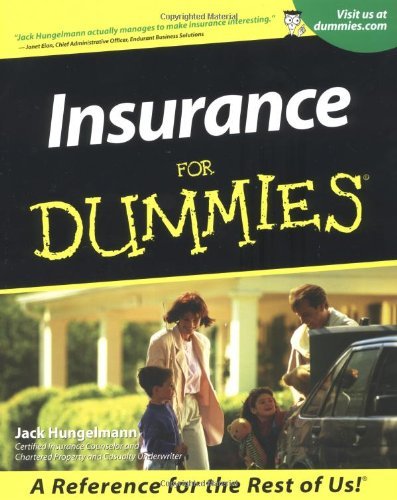
Insurance for Dummies: Hungelmann, Jack
<strong>Manage life, health, and disability risks</strong> ― explore individual and group policies, understand Medicare basics, and evaluate long-term disability and long-term-care insurance ...
Check Price on AmazonMost people carry an HO-3 policy (the common “special form” for single-family homes). Here’s what that typically includes, with plain-English definitions:
- Dwelling (Coverage A): Rebuilds or repairs your house structure if it’s damaged by a covered peril (like fire, tornado, or hail). Your dwelling limit should reflect the cost to rebuild, not your market price.
- Other Structures (Coverage B): Covers things not attached to the home—fences, sheds, detached garages. Typically 10% of Coverage A by default.
- Personal Property (Coverage C): Covers your belongings—furniture, clothes, electronics. Often set at 50%–70% of Coverage A. Ask for replacement cost coverage on personal property so claims aren’t reduced for depreciation.
- Loss of Use (Coverage D): Pays for temporary living expenses (hotels, rent, meals) if your home is unlivable after a covered loss. This is also called Additional Living Expense (ALE).
- Personal Liability (Coverage E): Protects you if you’re sued for injuries or property damage you accidentally cause. Many homeowners choose $300,000–$500,000 or more.
- Medical Payments (Coverage F): Small no-fault payments for guest injuries on your property (often $1,000–$5,000).
Key terms to know:
- Deductible: The amount you pay out of pocket on a claim before insurance pays. In Kansas, many policies have a separate wind/hail deductible (sometimes a flat dollar amount, other times a percent of your dwelling limit).
- Replacement Cost (RCV) vs. Actual Cash Value (ACV): RCV pays what it costs to replace new with new; ACV subtracts depreciation. Roofs in high-hail areas sometimes default to ACV unless you buy back RCV—pay close attention here.
- Endorsement: An add-on to your policy that changes or adds coverage (for example, water backup coverage or an RCV roof endorsement).
- Sublimit: A smaller cap within your coverage for certain items (like jewelry, firearms, or collectibles). You can “schedule” high-value items for broader protection.
Common add-ons Kansas homeowners consider:
- Water Backup: Covers damage if a sump pump fails or a sewer line backs up (not covered by standard policies). Limits like $5,000–$25,000 are typical.
- Equipment Breakdown: Covers surges and mechanical breakdowns for major systems.
- Service Line: Pays to repair underground lines (water, sewer, electric) from the street to your home.
- Ordinance or Law: Pays extra costs to meet current building codes after a loss. Older homes should strongly consider raising this above the default 10%.
- Roof Surface Payment Schedules: Some insurers include these in Kansas; they reduce payment based on roof age. Ask whether your policy has one—and what it means in a hail claim.
New to homeowners coverage? Our plain-English explainer on what home insurance covers is a helpful companion: What Does Home Insurance Cover?
Average home insurance costs in Kansas by home value and location
Kansas is consistently among the most expensive states for home insurance because of wind and hail frequency. Rates vary widely by company and neighborhood, but here are illustrative annual premium ranges for well-maintained, owner-occupied homes with a standard deductible and no recent claims. These are not quotes—your price will differ based on your home’s details and insurer.
By home value (assuming typical construction and an average-risk ZIP code):
- $200,000 home: roughly $1,600–$3,000 per year
- $300,000 home: roughly $2,200–$4,200 per year
- $400,000 home: roughly $2,800–$5,400 per year
- $600,000 home: roughly $4,200–$7,800 per year
By location (risk and building costs vary):
- Wichita and surrounding Sedgwick County: often mid-to-high due to hail; many homes have older roofs
- Kansas City area (Johnson, Wyandotte): competitive markets, but severe storms keep rates elevated
- Topeka/Lawrence: moderate-to-high; localized hail/wind patterns matter
- Central and Western Kansas (Salina, Hays, Garden City, Dodge City): hail can be frequent; some rural areas have fewer carriers, which can push rates up
What drives your price up or down:
- Roof age and material: A newer roof or Class 4 impact-resistant shingles can meaningfully lower premiums. An older roof can increase them or trigger ACV-only settlements.
- Prior claims history: Multiple wind/hail claims can raise rates or lead to higher deductibles.
- Construction details: Brick vs. frame, roof shape, and the home’s square footage.
- Credit-based insurance score: Allowed in most cases in Kansas and can affect your rate.
- Deductibles: Choosing a 1% wind/hail deductible instead of a flat $1,000 can lower premiums, but raises your out-of-pocket cost in a storm.
Real-world examples (illustrative only):
- Say you own a $300,000 home in Wichita with a 10-year-old architectural shingle roof and a $2,500 wind/hail deductible. You might see quotes between $2,400 and $4,000 per year depending on the insurer and roof coverage (ACV vs. RCV).
- A newer $400,000 home in Overland Park with a Class 4 impact-resistant roof and no prior claims might land in the $2,600–$4,400 range with a $1,500 all-perils deductible.
- A $250,000 home in western Kansas with two hail claims in the last five years might range from $2,400–$4,200 with a 1% wind/hail deductible and ACV roof terms.
If your quotes are far outside these bands, there’s usually a reason (roof condition, prior claims, or a policy feature like ACV roof settlement). Ask the agent to walk you through the key drivers.
Kansas-specific risks: natural disasters, weather, and regional factors
- Tornadoes and severe convective storms: Kansas sits in Tornado Alley. The more common losses, though, are hail and straight-line winds from severe thunderstorms.
- Hail: Frequent hailstorms make roof coverage details critical. Some policies default to ACV on older roofs or include cosmetic roof damage exclusions that limit payment for dents without leaks.
- Wind/hail deductibles: Many Kansas policies carry a separate wind/hail deductible, sometimes a percentage of your dwelling limit. Know whether yours is $1,000, $2,500, or 1% (or more).
- Flooding: Standard home insurance does not cover flood (rising water from outside). If you’re near rivers, creeks, or in urban areas prone to flash flooding, consider a separate flood policy through the National Flood Insurance Program (NFIP) or private insurers.
- Winter weather: Ice dams and freezing can cause interior water damage. Make sure your policy includes coverage for sudden and accidental discharge of water from plumbing.
- Earthquake: Low-to-moderate risk in parts of south-central Kansas. Earthquake is usually an optional endorsement with a separate deductible.
- Fire/grassfires: Wildfire risk is lower than in western states, but grassfires can spread quickly in dry, windy conditions—especially in rural areas.
Coverage tips for Kansas homes:
- Ask for RCV on your roof and personal property. If the premium is high, weigh the savings of ACV against the much larger out-of-pocket cost after hail.
- Consider impact-resistant shingles (Class 4). They can reduce damage and may qualify for a discount.
- Add water backup coverage if your basement has a sump pump or you’ve seen backups in heavy rain.
- Raise ordinance or law coverage if your home is older; code upgrades can surprise you after a loss.
How to compare home insurance quotes in Kansas
The fastest way to see what you would actually pay is to compare quotes from 3–5 carriers side by side. Use the same inputs each time so you’re truly comparing apples to apples.
What to provide for consistent quotes:
- Year built, square footage, and construction type (frame, brick, etc.)
- Roof age and material (and whether it’s impact-resistant/Class 4)
- Prior claims in the last 5 years
- Desired deductibles (all-perils and wind/hail if separate)
- Desired endorsements (water backup limits, RCV on personal property, equipment breakdown, service line)
What to look for when comparing Kansas home insurance:
- Roof settlement terms: Is the roof covered at replacement cost (RCV) or actual cash value (ACV)? Are there age-based payment schedules?
- Wind/hail deductible: Flat dollar vs. percentage (1% can be thousands of dollars). Confirm if it applies to wind, hail, or both.
- Cosmetic damage exclusions: Some policies won’t pay for dents to metal roofs or gutters without functional damage.
- Personal property coverage: Actual cash value or replacement cost? Any special sublimits you need to increase (jewelry, firearms, collectibles)?
- Ordinance or law: Consider 25%–50% for older homes.
- Loss of use (ALE): Check the limit and time cap—especially if you’d need a longer rebuild period after a major storm.
- Water backup: Pick a limit that matches your potential cleanup and restoration costs.
- Liability: Many homeowners bump to $500,000, then consider a personal umbrella policy for more.
- Company stability and service: Look at financial strength (A.M. Best ratings), claim satisfaction, and Kansas complaint records.
Want a deeper walkthrough of coverage options and shopping steps? See our broader Home Insurance Guide 2026 — Compare Quotes, Coverage & Costs.
About “best companies” in Kansas:
- National carriers: Wide coverage options, bundle discounts, and larger claim networks.
- Regional and mutual carriers: Often competitive on homes with newer roofs; local expertise with Kansas weather.
- Surplus lines/high-risk markets: A fallback if you’ve had multiple claims or an older roof.
The “best” company is the one that pairs solid roof and wind coverage with a fair price and a track record of paying claims promptly. That can be different for a 1920s Wichita bungalow versus a newer Johnson County home with a Class 4 roof.
Call to action (helpful, not pushy): Ready to see real numbers? The smartest next step is to gather 3–5 quotes with identical coverage settings. Small differences in roof coverage or wind/hail deductibles can swing your premium by hundreds.
Discounts and bundling opportunities for Kansas homeowners
You can’t control the weather, but you can stack discounts. Typical savings opportunities in Kansas include:

Honeywell CHW3610W1001 Wi-Fi Water Leak And ...
View on Amazon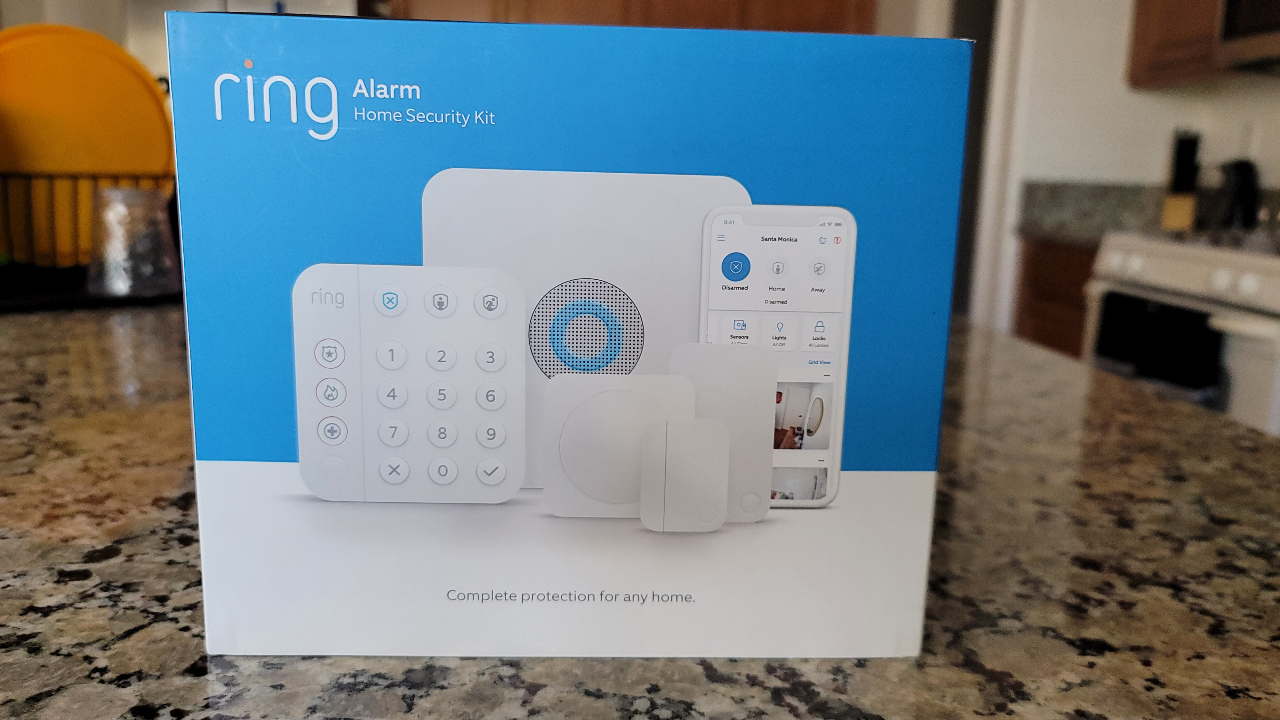
Ring Alarm 8-piece kit (2nd Gen) – home security system
View on Amazon- Home + Auto Bundle: Multi-policy discounts can be significant. If you’re shopping both, review your car coverage too: Auto Insurance in Kansas: Rates, Requirements & How to Save
- New Roof or Impact-Resistant Roof: Class 4 shingles can reduce both damage and premiums. Ask how your insurer verifies the rating (invoice, photo, or inspection).
- Protective Devices: Monitored alarm, smoke/CO detectors, water leak sensors, and smart home systems.
- Newer Home or Renovations: Newer wiring, plumbing, and roofs often rate better.
- Claims-Free: Staying claim-free typically earns a discount; think twice about small claims that could raise your premium.
- Payment and Policy Settings: Pay-in-full, autopay, and paperless billing can trim your bill.
- HOA or Gated Community Credits: Some carriers consider these lower risk.
Pro tip: If you’ve upgraded to a Class 4 roof, notify your insurer immediately and send documentation. Many companies won’t apply the discount automatically.
Filing a home insurance claim in Kansas
Storm just hit? Here’s a practical game plan.
Make the area safe and prevent further damage (mitigation). Tarp the roof, shut off water, board broken windows. Keep receipts—mitigation costs are typically covered subject to the deductible.
Document everything. Take wide and close-up photos and video. Note dates, times, and any weather details. Create an inventory for damaged belongings.
Start the claim promptly. Contact your insurer or agent and provide the essentials: what happened, when, and what’s damaged. Ask about your deductibles (all-perils and wind/hail) and any separate endorsements that apply.
Understand how payment works. With RCV, you’ll often receive an initial ACV payment, then recoverable depreciation after repairs are completed and invoices are submitted. With ACV-only roofs or payment schedules, expect lower initial and final payouts.
Contractor coordination. Use reputable, licensed, and insured contractors. Be cautious with door-to-door solicitations after hailstorms. Avoid signing an “assignment of benefits” that gives a contractor control over your claim. If you’re unsure, ask your insurer or a licensed agent to review documents.
Keep ALE receipts. If you can’t live at home during repairs, keep all invoices for lodging and meals so you can be reimbursed up to your policy limits.
Ask questions. If something in the estimate doesn’t make sense—like missing code upgrades, drip edge on a roof, or matching siding—ask your adjuster. Ordinance or law coverage can help with code-required upgrades.
If you hit a snag, the Kansas Insurance Department can explain your rights and help with complaint resolution. Your licensed agent can also advocate for you during the process.
FAQ: common questions about Kansas homeowners insurance
Is home insurance required in Kansas? Not by state law. But if you have a mortgage, your lender will require it. Even without a loan, coverage is a smart backstop against storms, fire, and liability claims.
Does homeowners insurance cover tornadoes and hail in Kansas? Typically yes—wind and hail are standard covered perils. Watch for separate wind/hail deductibles and roof settlement terms (RCV vs. ACV).
Why is home insurance so expensive in Kansas? Frequent wind and hail losses. Roof claims are common, so insurers price for that risk. Roof age, material, and prior claims play big roles.
Is flood covered by home insurance? No. Flood (rising water from outside) requires a separate NFIP or private flood policy. Consider it if you’re near waterways or in urban flood zones.
Do I need earthquake coverage? Earthquake is usually optional. Risk is lower than in many states, but it exists in parts of south-central Kansas. Ask your agent about adding it with a separate deductible.
What does “ACV roof” mean? ACV (actual cash value) pays the depreciated value of your roof, not full replacement. It can lower premiums but increases your cost after hail damage.
How much dwelling coverage should I carry? Enough to rebuild your home with today’s labor and material costs. Many insurers use a replacement cost estimator; provide accurate details about finishes and features.
Will a Class 4 roof lower my premium? Often, yes. Many insurers offer impact-resistant roof discounts in Kansas. Provide proof (invoice/material spec) to get credit.
How many quotes should I get? Typically 3–5. Match coverage settings and deductibles so you can compare fairly—especially for wind/hail terms and roof coverage.
Can my dog, trampoline, or pool affect my policy? In most cases, yes. Certain dog breeds, trampolines, and pools can affect eligibility or liability pricing. Ask your agent before you buy or install.
Need help personalizing all this? A quick conversation with a licensed agent can surface the right coverage settings for your home and neighborhood.
Call to action: The fastest way to find your actual price is to compare side-by-side quotes from a few carriers serving your ZIP code. Start with the same coverage settings, then adjust deductibles and endorsements to see where the best value lands.
If you want to get your bearings first, our plain-language explainer is a great starting point: What Does Home Insurance Cover? And for a broader shopping checklist, try our Home Insurance Guide 2026 — Compare Quotes, Coverage & Costs.
Recommended Resources
Insurance for Dummies: Hungelmann, Jack
<strong>Manage life, health, and disability risks</strong> ― explore individual and group policies, understand Medicare basics, and evaluate long-term disability and long-term-care insurance ...
Ring Alarm 8-piece kit (2nd Gen) – home security system
<strong>24/7 Professional Monitoring</strong> If a break-in or emergency is detected, we’ll request emergency response.² <strong>24/7 Professional Monitoring</strong> · If a break-in or emergency is d
Honeywell CHW3610W1001 Wi-Fi Water Leak And ...
Check each product page for other buying options. Price and other details may vary based on product size and color · <strong>Water Leak Detector 5 Pack with 105dB Adjustable Alarm, Water Alarm with Du
Related Articles
- Auto Insurance in Kansas: Rates, Requirements & How to Save
- Home Insurance in Oklahoma: Coverage, Costs & Best Companies
- Home Insurance in Colorado: Coverage, Costs & Best Companies
- Renters Insurance in Kansas: What It Covers, Costs, and How to Choose the Right Policy
- Home Insurance in South Dakota: Coverage, Costs & Best Companies
- Home Insurance in Nebraska: Coverage, Costs & Best Companies
- Home Insurance in Missouri: Coverage, Costs & Best Companies
- Home Insurance in Kentucky: Coverage, Costs & Best Companies