
Health Insurance in Kansas: Plans, Costs & How to Enroll
You’re shopping for health insurance in Kansas and the numbers feel confusing. What will it actually cost each month? When can you enroll? And which plan won’t blow up your budget if you get sick? Here’s what actually matters when choosing health coverage in Kansas—your options, typical costs, how enrollment works, and smart ways to compare plans.
Note: Rates and eligibility always depend on your age, location, household size, income, and medical needs. Wherever we share examples, treat them as illustrations—your real quotes will vary.
Health insurance options in Kansas
Kansas has several paths to coverage. The right one for you typically depends on your job, income, and whether you qualify for government programs.
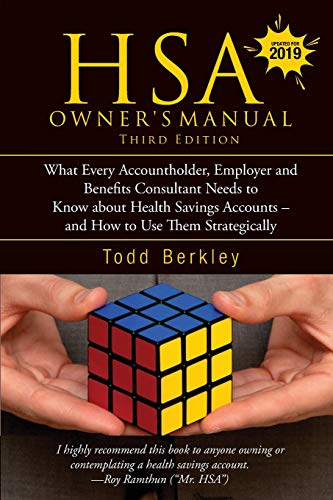
HSA Owners Manual, Third Edition: What Every Accountholder, Employer and Benefits Consultant Needs to Know about Health Savings Accounts – and How to Use them Strategically: Berkley, Todd
This book isthe owner’s manual that did not come with your HSA. If you followthe advice in this book, you’ll keep your HSA in compliancewith current HSA rules and regulations. You’ll also learn abouts
Check Price on Amazon1) Employer coverage (job-based plans)
- What it is: A group plan your employer sponsors. You usually pay part of the monthly premium (the amount you pay each month to keep coverage active) through payroll, and the employer pays the rest.
- Why choose it: Often the lowest overall cost because of employer contributions. Pre-tax payroll deductions can reduce your taxable income.
- Watch for: The deductible (the amount you pay out of pocket before insurance starts paying), copays (flat fees for visits), coinsurance (a percentage you pay after the deductible), and the out-of-pocket maximum (the most you’d pay in a year for covered care).
2) Kansas health insurance marketplace (HealthCare.gov)
- What it is: The Affordable Care Act (ACA) marketplace where Kansans buy individual and family plans. Kansas uses the federal exchange at HealthCare.gov.
- Why choose it: Income-based federal subsidies can lower your premium and cut your costs when you get care. Plans cover the 10 essential health benefits (like hospitalization, maternity, mental health, and prescription drugs) and are guaranteed issue (you can’t be denied for preexisting conditions).
- Watch for: Your eligibility for premium tax credits (APTC, the advance payment the government sends to your insurer to lower your monthly cost) and cost-sharing reductions (CSR, extra discounts on deductibles and copays if you choose a Silver plan and your income qualifies).
3) Medicaid and CHIP (KanCare)
- What it is: Kansas administers Medicaid and the Children’s Health Insurance Program (CHIP) through KanCare. It’s low- or no-cost coverage for eligible low-income residents.
- Who may qualify: Children and teens, pregnant women, some parents/caretakers with very low incomes, and people who are aged, blind, or disabled. Kansas has not adopted full Medicaid expansion as of this writing, so most adults without dependent children don’t qualify based on income alone.
- Tip: Eligibility depends on your household size, income, and category (for example, pregnancy or disability). Pregnant members typically receive comprehensive prenatal and postpartum benefits; Kansas has extended postpartum coverage (check current limits, which are often up to 12 months).
4) Private “off-exchange” plans
- What it is: Individual or family plans bought directly from an insurer or through a private broker—not through HealthCare.gov.
- Why choose it: Occasionally a plan design or network you prefer is only sold off-exchange.
- Watch for: You can’t use federal subsidies off-exchange, so if you qualify for APTC or CSR, the marketplace is usually the better deal.
5) Short-term health insurance (limited-duration)
- What it is: Temporary coverage that is not ACA-compliant. Insurers can exclude preexisting conditions and many essential benefits.
- When it’s used: Brief gaps, like between jobs. Federal rules currently limit short-term plans to very short periods (typically up to 3 months with limited extensions). They’re best viewed as last-resort stopgaps, not long-term protection.
If plan terms feel like alphabet soup, this explainer helps: Health Insurance Basics: Plans, Terms, and How to Choose (/health-insurance/health-insurance-basics)
Average health insurance premiums in Kansas by plan type and age
Unsubsidized premiums (before any financial assistance) in Kansas depend on metal tier, age, tobacco status, and county. Metal tiers—Bronze, Silver, and Gold—reflect cost-sharing, not quality:
- Bronze: Lower premiums, higher deductibles and out-of-pocket costs
- Silver: Middle ground; only Silver plans unlock CSR discounts if you qualify
- Gold: Higher premiums, lower deductibles and out-of-pocket costs
Age rating: Under the ACA, a 21-year-old typically pays around 64% of what a 40-year-old pays; a 60-year-old can pay up to 3 times a 21-year-old’s rate. Insurers may add a tobacco surcharge (often up to 50%).
Illustrative ranges for a non-smoker in Kansas (actual quotes vary by county and insurer):
- 27-year-old: Bronze $260–$360/month; Silver $340–$470; Gold $400–$540
- 40-year-old: Bronze $340–$460/month; Silver $440–$600; Gold $520–$680
- 60-year-old: Bronze $730–$1,000/month; Silver $940–$1,300; Gold $1,100–$1,450
- Family of four (40-year-old adults + two kids): Silver $1,300–$1,900/month before subsidies
What most shoppers actually pay depends heavily on subsidies. A 35-year-old in Wichita earning $38,000 (about 250% of the federal poverty level, or FPL—the income measure the government uses for benefits) might see a Silver plan drop from around $500/month to the low $200s after APTC, while someone in Overland Park earning $22,000 (about 140% FPL) could qualify for both APTC and strong CSR, potentially bringing a Silver plan premium under $100 with a much lower deductible. Your results will differ—compare live quotes to see your number.
Kansas Medicaid eligibility and enrollment (KanCare)
KanCare covers many low-income Kansans with comprehensive benefits and minimal costs. Key points:
Who’s typically eligible
- Children and teens: Often eligible at higher income levels than adults; many qualify for CHIP with low or no premiums.
- Pregnant women: Broader eligibility during pregnancy and postpartum. Kansas has extended postpartum coverage (commonly up to 12 months; confirm current policy).
- Parents/caretaker relatives: Usually only at very low income levels.
- Aged, blind, or disabled: May qualify via Supplemental Security Income (SSI) or through specific disability pathways.
- Medically Needy/Spenddown: If your income is too high but medical bills are large, you may qualify after meeting a “spenddown” amount (think of it like a temporary deductible the state sets based on your income).
Important Kansas context: As of now, Kansas has not expanded Medicaid to all low-income adults. That leaves a “coverage gap” for many adults without dependent children who earn too little for marketplace subsidies (which generally start at 100% FPL) but too much or don’t meet a category for Medicaid.
How to enroll: You can apply year-round. Be ready to verify identity, citizenship/immigration status, household composition, income, and pregnancy or disability status, if applicable. If approved, coverage can be retroactive for recent months in some cases—ask about retroactive eligibility when you apply.
If you think you’re close to qualifying, it’s worth applying. Many families discover their kids qualify for CHIP even when the adults do not.
Kansas health insurance marketplace: open enrollment and special periods
Kansas uses the federal marketplace (HealthCare.gov), which follows federal enrollment windows.
Open Enrollment Period (OEP): Typically November 1 to January 15 each year. Enroll by December 15 for coverage starting January 1. Enroll December 16–January 15 for coverage that usually starts February 1.
Special Enrollment Periods (SEPs): You can qualify to enroll outside OEP if you have a qualifying life event (QLE—life changes that trigger a 60-day enrollment window). Common QLEs include:
- Losing other qualifying coverage (like employer insurance or student plans)
- Moving to Kansas or moving within Kansas to a new rating area
- Marriage or divorce
- Birth, adoption, or placement for adoption/foster care
- Gaining eligible immigration status
- Significant income changes affecting subsidy eligibility
Income-based SEP up to 150% FPL: On HealthCare.gov, people with incomes up to 150% of FPL who qualify for APTC can typically enroll in a Silver plan year-round. If your income changes during the year, check whether this SEP applies.
Getting started on the marketplace
- Estimate your 2026 income as accurately as you can; it drives your subsidy.
- Compare multiple Silver plans if you qualify for CSR; they can dramatically lower your deductible and out-of-pocket costs.
- If you prefer lower premiums and can handle a larger deductible, compare Bronze. If you expect ongoing care or brand-name prescriptions, look at Gold.
How to compare and choose the best health plan in Kansas
Here’s the simple, reliable way to compare plans without getting lost in the weeds.
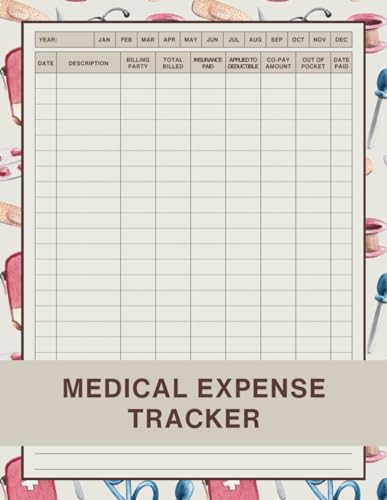
Medical Expense Tracker: A Record Logbook for Keeping Track Your Medical Spending, Bills, and Payment All in One Place | Health Expense Organizer: Media, Tylissa A.: Amazon.com
View on Amazon
Performore My Health Journal Medical Records Organizer, Professionally Printed Tabs in a 3-Ring Binder, Medical Record Book for Patients, Caregivers and Family
View on Amazon- Check your doctors and hospitals in-network
- Networks vary by plan type:
- HMO (Health Maintenance Organization): Lower costs, but you must use in-network providers and usually need referrals to see specialists.
- EPO (Exclusive Provider Organization): Similar to HMO, but referrals may not be required; still no coverage outside the network except emergencies.
- PPO (Preferred Provider Organization): More freedom to see out-of-network providers, but premiums are typically higher and out-of-network costs can be steep.
- Action step: Make a quick list of your primary care doctor, specialists, and preferred hospitals (for example, KU Medical Center). Confirm they’re in-network before you fall in love with a low premium.
- Stack the money numbers side by side
- Premium: The monthly cost to keep coverage.
- Deductible: What you pay first before the plan pays most benefits.
- Copays/coinsurance: Your share after the deductible. Copays are flat amounts (like $40 per visit). Coinsurance is a percentage (like 20% of the bill).
- Out-of-pocket maximum (OOP max): The most you could pay in a year for covered, in-network care. Once you hit this, the plan pays 100% for the rest of the year.
- Action step: Compare total cost in a “normal” year and a “bad” year. A plan with a $1,400 OOP max might be worth a higher premium if you know you have surgery coming up.
- Check drug coverage (the formulary)
- Formulary: The plan’s list of covered medications and their tiers (generic, preferred brand, specialty, etc.).
- Action step: Look up your medications and check if prior authorization is needed or if there’s a separate pharmacy deductible.
- Consider your household’s likely care usage
- Low usage: Bronze or HSA-eligible high-deductible health plans (HDHPs) can save money.
- Moderate usage: Silver—especially with CSR—often balances premium and protection.
- High usage/chronic conditions: Gold can cap your risk with lower deductibles and copays.
- Benefits that matter in Kansas day-to-day
- Telehealth and urgent care access in your town
- Mental health provider networks and visit limits
- Maternity coverage and hospital choices for delivery
- Pediatric care if you’ve got kids (and dental/vision add-ons for children)
- If self-employed or a small business owner
- Compare marketplace plans to private off-exchange options and consider tax-advantaged accounts:
- HSA (Health Savings Account): If you choose an HSA-eligible HDHP, you can put in pre-tax dollars for qualified medical expenses. Contributions usually reduce federal and state taxable income, but always check with a tax professional.
Real Kansas scenarios
- 35-year-old non-smoker in Topeka with mild asthma: You see a primary care doctor twice a year and use a brand-name inhaler. A low-premium Bronze plan looks tempting at $360/month, but it puts your inhaler on a high tier with 40% coinsurance after a large deductible. A Silver plan at $480/month with a $1,500 deductible and predictable $40 specialist copays might cost less overall.
- Family of three in Overland Park planning a new baby: Because you’ll have prenatal visits, delivery, and infant care, compare Silver and Gold. Focus on the OOP max and in-network hospital. If your income qualifies for CSR, a mid-priced Silver plan can dramatically reduce your delivery-related costs.
Quick next step: The fastest way to see what you would actually pay is to compare quotes from 3–5 carriers side by side. A licensed broker can help you verify networks, check drug coverage, and estimate your total annual cost—not just the premium.
Kansas-specific subsidies and financial assistance
- Federal premium tax credits (APTC): Based on your estimated annual household income and household size. In most cases, these lower your monthly premium immediately.
- Cost-sharing reductions (CSR): Extra discounts that lower your deductible, copays, and OOP max if your income is typically between 100% and 250% FPL and you enroll in a Silver plan. In non-expansion states like Kansas, you generally must have income at or above 100% FPL to qualify for APTC/CSR on the marketplace.
- American Indians and Alaska Natives: Special CSR rules can reduce or eliminate cost-sharing, especially if you enroll in a marketplace plan and use Indian Health/tribal/urban Indian providers.
- No additional state-funded subsidies: Kansas does not currently add its own state premium subsidies on top of federal help.
- Medicaid/CHIP through KanCare: If you’re eligible, this is often the lowest-cost route. Apply year-round.
- Medically Needy/Spenddown: If your income is too high for KanCare but you have significant medical bills, ask about spenddown options that can qualify you for coverage during periods when your costs are high.
- Community health centers and hospital financial assistance: If you’re in the coverage gap or facing unaffordable medical bills, ask local providers about sliding-fee programs or charity care policies while you work on longer-term coverage.
Tax reminder: If you take APTC during the year, you’ll reconcile it when you file your federal taxes using Form 8962. If you earned more than you estimated, you may owe some back; if you earned less, you could get a refund. Keep Healthcare.gov updated if your income or household changes.
FAQ: Common questions about health insurance in Kansas
What counts as “preexisting conditions,” and are they covered?
- A preexisting condition is any health issue you had before your plan started. ACA-compliant employer and marketplace plans must cover preexisting conditions and can’t charge you more for them. Short-term plans are different—they can exclude them.
When does my coverage start?
- During Open Enrollment, enroll by December 15 for a January 1 start. Enroll between December 16 and January 15 and your plan generally starts February 1. With a Special Enrollment Period, coverage usually starts the first of the month after you enroll (some events, like birth or adoption, can start coverage the day of the event).
Can I enroll outside Open Enrollment?
- Yes, if you have a qualifying life event like losing other coverage, moving to Kansas, marriage, or having a baby. Also, many people with incomes up to 150% FPL who qualify for APTC can enroll year-round on HealthCare.gov.
Are dental and vision included?
- For adults, dental and vision are usually separate add-on plans. Pediatric dental and vision are essential health benefits and typically included or available as stand-alone plans. Compare premiums and coverage limits carefully.
What about COBRA if I leave my job?
- COBRA lets many workers at larger employers (20+ employees) continue their job-based plan for 18–36 months, but you typically pay the full premium plus a small admin fee. If COBRA seems too expensive, you can usually shop the marketplace instead—losing job coverage is a qualifying life event.
Are short-term plans allowed in Kansas?
- Short-term plans are available for very limited durations under current federal rules and are not ACA-compliant. Expect exclusions for preexisting conditions and many essential benefits. Use them only to bridge brief gaps, and read the fine print closely.
Can college students get coverage?
- Yes. Options include staying on a parent’s plan until age 26, a student health plan through the school, a marketplace plan (often with subsidies), or KanCare/CHIP if eligible based on income.
Do HSAs exist in Kansas?
- Yes. If you enroll in an HSA-eligible high-deductible health plan, you can contribute pre-tax dollars to an HSA to pay for qualified medical expenses. Federal tax advantages apply; state tax treatment generally aligns but talk to a tax professional about your situation.
What if my income is too low for marketplace subsidies?
- That’s the coverage gap problem in non-expansion states. Check if you qualify for KanCare based on pregnancy, disability, or caring for minor children. If not, look for low-cost care at community health centers while you monitor for policy changes.
How do I avoid surprise bills?
- Stay in-network when possible, check whether a service needs prior authorization, and get cost estimates for planned procedures. For emergencies, you’re protected from many balance bills under federal law, but always review your explanations of benefits closely.
Your smart next steps
- Make a 10-minute list: your doctors, prescriptions, preferred hospitals, and your best guess of next year’s income.
- Compare at least three plans across different metal tiers and networks. If you qualify for CSR, focus on Silver.
- The fastest way to see what you would actually pay is to compare quotes from 3–5 carriers. A licensed agent can help verify networks, apply subsidies correctly, and walk you through enrollment at no extra cost to you.
If you want a primer on plan types and terms before you compare, this guide helps: Health Insurance Basics: Plans, Terms, and How to Choose (/health-insurance/health-insurance-basics)
A quick compliance note: We’re consumer advocates, but we’re not your lawyer or tax advisor. Health insurance rules and costs change. For advice tailored to your life and county, speak with a licensed Kansas agent or navigator.
Recommended Resources
HSA Owners Manual, Third Edition: What Every Accountholder, Employer and Benefits Consultant Needs to Know about Health Savings Accounts – and How to Use them Strategically: Berkley, Todd
This book isthe owner’s manual that did not come with your HSA. If you followthe advice in this book, you’ll keep your HSA in compliancewith current HSA rules and regulations. You’ll also learn abouts
Performore My Health Journal Medical Records Organizer, Professionally Printed Tabs in a 3-Ring Binder, Medical Record Book for Patients, Caregivers and Family
Colorful Assortment: <strong>Includes Dark Blue, Green, Orange, Red, Yellow, and Bright Blue binders</strong> for easy organization and identification. Each binder includes 5 index dividers, complete
Medical Expense Tracker: A Record Logbook for Keeping Track Your Medical Spending, Bills, and Payment All in One Place | Health Expense Organizer: Media, Tylissa A.: Amazon.com
<strong>Medical Spending Record</strong>: A Logbook for Keeping Track Your Medical Expenses, Bills, and Payment All in One Place | Health Expense Organizer
Related Articles
- Health Insurance in Kentucky: Plans, Costs & How to Enroll
- Health Insurance in Nebraska: Plans, Costs & How to Enroll
- Health Insurance in Oklahoma: Plans, Costs & How to Enroll
- Health Insurance in Missouri: Plans, Costs & How to Enroll
- Health Insurance in Texas: Plans, Costs & How to Enroll
- Health Insurance in Indiana: Plans, Costs & How to Enroll
- Health Insurance in Hawaii: Plans, Costs & How to Enroll
- Health Insurance in Massachusetts: Plans, Costs & How to Enroll