
Renters Insurance in Kansas: What It Covers, Costs, and How to Choose the Right Policy
You’ve found a great place in Wichita, Overland Park, or Manhattan—and now the lease says you need renters insurance. Or maybe you’re just wondering if it’s worth it. Here’s the bottom line: renters insurance in Kansas is one of the most affordable ways to protect your stuff and your savings from life’s curveballs. This guide explains what it typically covers, what Kansas-specific risks to think about, how much it may cost, and how to pick the right policy without overpaying.
What renters insurance in Kansas typically covers
Renters insurance usually bundles three core protections. Policies can vary by insurer, so always read your policy documents.
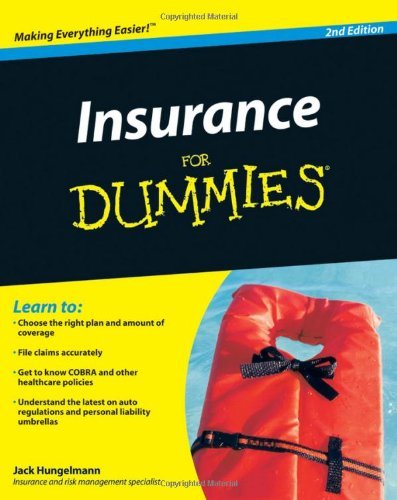
Insurance For Dummies?: Hungelmann, Jack
Whether you’re a homeowner or ... need on: ... Author Jack Hungelmann <strong>uses his twenty-five years of experience in the insurance industry to make buying insurance as simple as possible</strong>
Check Price on Amazon- Personal property coverage: Pays to repair or replace your belongings if they’re stolen or damaged by a covered peril—think fire, smoke, vandalism, windstorm, hail, or certain kinds of water damage from burst pipes. “Belongings” includes furniture, clothes, electronics, kitchenware—everything you’d take with you if you moved.
- Actual cash value (ACV) vs. replacement cost (RCV): ACV pays what an item is worth today after depreciation (wear and tear). RCV pays the cost to buy a new, similar item at today’s prices. RCV generally costs a bit more but is the better safeguard for most people.
- Personal liability coverage: Helps cover costs if you’re legally responsible for injuries to others or damage to someone else’s property. It also typically covers your legal defense (the cost of hiring a lawyer) if you’re sued over a covered incident. Many policies include medical payments to others, which covers smaller medical bills regardless of fault, usually up to a few thousand dollars.
- Loss of use (also called additional living expenses or ALE): Helps with temporary living costs—hotel, short-term rentals, meals—if your place is uninhabitable due to a covered loss (like a fire or tornado damage to the building). It doesn’t pay your normal rent, but it can help cover the extra costs of living elsewhere while repairs are made.
Optional add-ons (endorsements) to consider:
- Scheduled personal property: Raises limits for high‑value items like engagement rings, watches, collectibles, or musical instruments. Standard policies often cap jewelry theft at $1,000–$2,500.
- Water backup: Covers damage from water that backs up through sewers or drains or overflows from a sump pump—an exclusion in most base policies.
- Identity theft coverage: Helps with costs tied to identity fraud recovery.
- Earthquake coverage: Not standard; some insurers offer it as an endorsement (risk is low in Kansas but not zero).
- Equipment breakdown: Extends coverage for sudden mechanical/electrical breakdown of certain household systems and electronics (varies by insurer).
Want a deeper dive into coverage basics and limits? See What Does Renters Insurance Cover? (/home-insurance/what-does-renters-insurance-cover)
Kansas‑specific risks: tornadoes, hail, and severe storms
Kansas renters see their share of wind, hail, and lightning. Here’s how renters policies typically respond:

Midland - WR120B - NOAA Emergency Weather Alert Radio - Localized Programming, Trilingual Display, 60+ Emergency Alerts, Alarm, Selectable Alert Tone : Electronics
View on Amazon- Tornado and windstorm: Wind and hail are usually covered perils for personal property. If a tornado shatters windows and rain ruins your couch and TV, your policy would typically respond (after your deductible). Building damage is your landlord’s responsibility under their property policy. If your unit is uninhabitable, loss of use can help with hotel and meal costs.
- Hail and lightning: Hail that breaks windows or lightning that fries electronics is generally covered. Consider replacement cost coverage so you’re not stuck with depreciated values for older electronics.
- Fire and smoke: Standard covered perils. If a kitchen fire damages your belongings, you’re typically covered and may have loss of use benefits while repairs are made.
- Theft: Covered, whether at home or often “off‑premises” (like a stolen laptop at a coffee shop). Note sublimits can apply to items like jewelry and certain electronics.
- Power outages and food spoilage: Policies vary. Some include limited food spoilage coverage if the outage is caused by a covered peril on the premises. Large-area outages not tied to damage at your building may not be covered unless you add an endorsement.
- Flood: Not covered by standard renters insurance. “Flood” means rising water from outside (heavy rain, river overflow). If you’re near flood-prone areas along the Arkansas, Kansas, or Missouri Rivers, consider separate flood insurance for contents through the National Flood Insurance Program or a private insurer.
- Sewer or drain backup: Usually excluded without a water backup endorsement.
- Wind/hail deductibles: While more common in coastal states, some insurers in high-storm ZIP codes may offer or require a separate wind/hail deductible. Check your declarations page to avoid surprises.
If you want a refresher on how home insurance responds to tornado and hail across the state (and how that thinking applies to renters), see Home Insurance in Kansas: Coverage, Costs & Best Companies (/home-insurance/home-insurance-in-kansas-coverage-costs-best-companies)
What does renters insurance cost in Kansas?
Most renters in Kansas can typically expect to pay around $12–$25 per month for a standard policy, depending on your city, coverage choices, and insurer. That’s a ballpark—rates vary by individual circumstances, underwriting, and discounts.
A realistic example: Say you’re a 30‑year‑old renter in Wichita with $30,000 in personal property coverage, $300,000 in liability, loss of use included, and a $500 deductible. Depending on the carrier, your premium might fall somewhere between about $14 and $22 per month. If you pick replacement cost for belongings, raise limits, or add water backup, your price will likely be higher. If you increase your deductible to $1,000, you might shave a few dollars off—just be sure you could comfortably pay that out of pocket if you have a claim.
Actual quotes will differ based on your details and the insurer’s rating factors.
What affects your premium in Kansas
- Location (ZIP code): Insurers look at local storm frequency, building fire protection (distance to fire hydrant/station), and crime rates. Urban areas with higher theft risk may pay more than quieter suburbs, and hail‑prone corridors can also influence pricing.
- Coverage limits and endorsements: Higher personal property and liability limits cost more; endorsements like replacement cost and water backup add to premium.
- Deductible: A higher deductible (the amount you pay out of pocket before insurance kicks in) typically lowers your premium. Balance savings with what you can afford at claim time.
- Building characteristics and security: Sprinklers, smoke alarms, monitored security systems, gated entries, and sturdy locks can help. Older buildings with outdated wiring or no sprinkler system might cost more to insure.
- Claims history: Both your past claims and, in some cases, the address’s prior loss history can affect pricing.
- Credit‑based insurance score: In most states, including Kansas, insurers may use a credit‑based insurance score (a credit‑informed metric correlated with claim likelihood) to help set rates. Better scores generally mean lower premiums. Insurers must follow state rules on how this is used.
- Pets: Liability for dog bites is typically covered, but some carriers have breed or history restrictions; that can affect eligibility or pricing.
- Discounts: Bundle with auto, go paperless, set up autopay, install protective devices, or stay claim‑free to potentially lower the price.
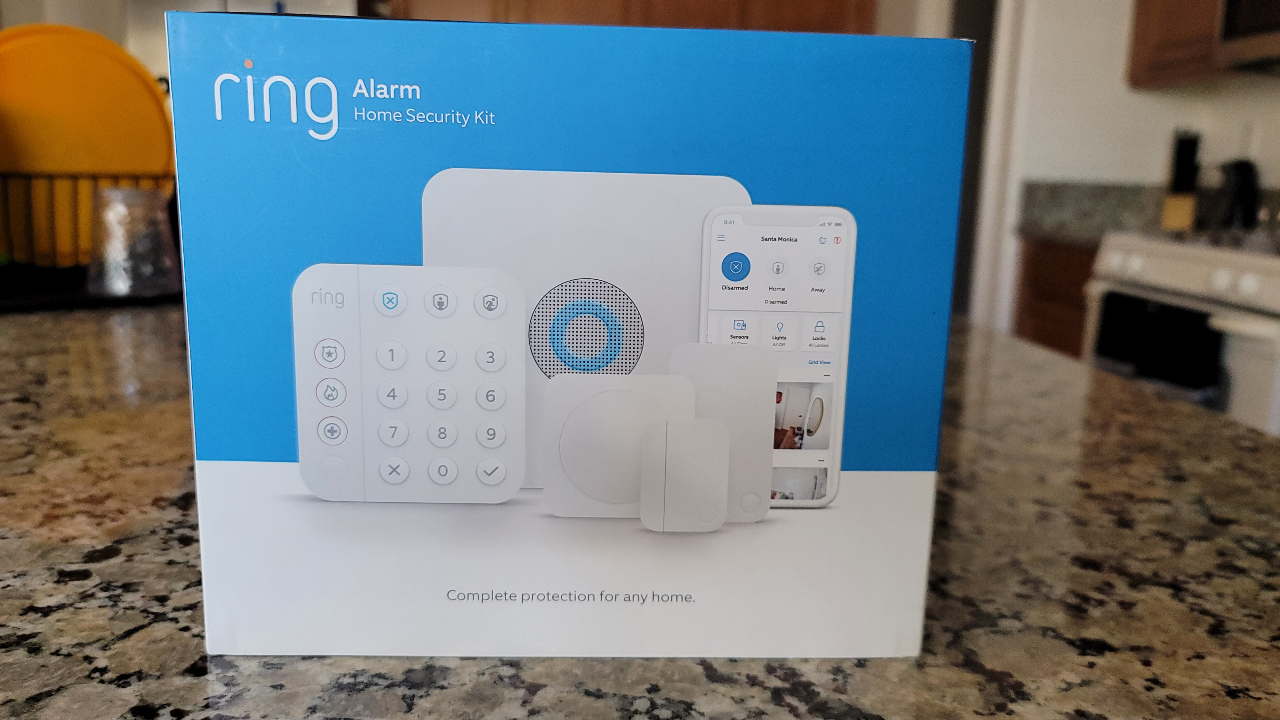
Ring Alarm 8-piece kit (2nd Gen) – home security system
<strong>24/7 Professional Monitoring</strong> If a break-in or emergency is detected, we’ll request emergency response.² <strong>24/7 Professional Monitoring</strong> · If a break-in or emergency is d
Check Price on AmazonHow to choose the right policy in Kansas
Start with what you own, then match coverage to your real risks.
- Inventory your belongings
- Walk room to room and list items with rough replacement costs. Don’t forget clothes, shoes, cookware, sports gear, small appliances, and electronics. Photos or a quick video can serve as proof later.
- Set your personal property limit
- Pick a limit that covers the total cost to replace your stuff at today’s prices. Singles often start around $20,000–$30,000; couples or families may need $40,000–$80,000+. Higher-cost wardrobes, camera gear, or gaming PCs can push you higher.
- Choose replacement cost for belongings if you can
- Replacement cost coverage usually only adds a few dollars a month and avoids depreciation surprises on things like TVs, laptops, or sofas.
- Pick a deductible you could pay tomorrow
- Common choices are $250, $500, or $1,000. A higher deductible can save money, but make sure an emergency expense at that level won’t strain your budget.
- Select liability and medical payments limits
- Liability often starts at $100,000; many Kansas renters choose $300,000 or more for extra peace of mind. Medical payments to others commonly ranges from $1,000–$5,000.
- Add endorsements that fit Kansas risks and your lifestyle
- Water backup for older buildings or basement units.
- Scheduled jewelry for engagement rings and heirlooms.
- Identity theft monitoring/recovery if you’ve experienced fraud.
- Earthquake (if offered and you want the extra cushion) and equipment breakdown where available.
- Know the common exclusions and sublimits
- Flood is excluded—consider separate contents flood coverage if you’re in a risk zone.
- Sublimits apply to items like jewelry, firearms, cash, certain electronics, silverware—check your policy’s list.
- Business property often has a low sublimit; if you run a side hustle with inventory or expensive gear, ask about a business property endorsement.
- Short‑term rentals (like hosting on Airbnb) are typically excluded without a specific endorsement and landlord permission.
- Understand who is covered
- Policies cover the named insured and resident relatives. Roommates typically need their own policies. If your landlord requires roommates to be named, know that claims or losses could affect both of you.
- Compare policies apples to apples
- Line up at least 3–5 quotes with the same limits, deductible, and endorsements. Look at: replacement cost vs. ACV, liability limit, water backup availability, wind/hail deductibles, and claim service reputation.
For more buying pointers, see How to Find the Right Renters Insurance: Coverage, Costs, and Buying Tips (/home-insurance/how-to-find-renters-insurance)
The fastest way to see what you would actually pay is to compare quotes from 3–5 carriers. Get started here: Renters Insurance: Compare Quotes & Get the Right Coverage Today (/home-insurance/renters-insurance-quotes-coverage)
Note: A licensed agent can help you fine‑tune limits, explain fine print, and flag exclusions you might miss. If you have unique risks or valuable items, it’s worth a short call.
Common questions Kansas renters ask
Is renters insurance required in Kansas? There’s no state law requiring it, but many landlords require proof of coverage and may set a minimum liability limit (commonly $100,000) and ask to be listed as an “interested party” (they’ll get a notice if the policy cancels). They’re not a covered insured on your policy.
Does renters insurance cover tornado damage to my stuff? Typically yes, wind and hail are covered perils. If a tornado damages your unit and your belongings, your policy generally helps replace them (after your deductible). If you can’t live there while repairs are made, loss of use can help with hotel and meal costs. Building repairs are on the landlord’s policy.
Are floods covered? Standard renters policies don’t cover flood (rising water from outside). Consider separate flood contents coverage if you live near rivers or in low‑lying areas. Sewer or drain backup is a separate add‑on.
What if my belongings are stolen from my car? Personal property coverage usually follows you anywhere in the world. If a thief breaks into your car and steals your laptop, the laptop is typically covered under renters insurance (subject to your deductible and sublimits). Damage to your car is handled by your auto policy’s comprehensive coverage if you carry it.
Will my landlord’s policy cover my belongings? No. Your landlord’s insurance covers the building and their liability—not your stuff or your personal liability.
Do roommates need separate policies? Usually yes. Unless you’re both named on the same renters policy (which we don’t generally recommend because claims or billing issues affect both of you), each roommate should carry their own.
Are dog bites covered? Personal liability typically covers dog bite claims, but certain breeds or dogs with a prior bite history may be excluded by some insurers. Disclose your pet to avoid a coverage gap.
Are bedbugs or pests covered? Typically excluded. A few insurers offer limited remediation endorsements—ask before you buy if that’s a concern.
How do I file a claim after a storm, fire, or theft?
- Make sure everyone is safe and prevent further damage (shut off water, board a window if safe).
- Document everything: photos, serial numbers, receipts if you have them.
- Notify your landlord of building damage.
- File the claim promptly with your insurer or agent.
- Track additional living expenses (hotel, meals) with receipts if you’re displaced.
- Keep in mind you’ll pay your deductible, and small claims can sometimes affect future premiums—ask your insurer or agent about options before you file.
I’m moving within Kansas—what happens to my policy? Many policies automatically cover personal property at a new residence for a limited time (often 30 days), but you should update your address and limits as soon as you know your move date. Your premium may change based on the new ZIP code and building features.
A quick Kansas example
You’re a 35‑year‑old non‑smoker renting a two‑bedroom in Overland Park. You choose $40,000 personal property with replacement cost, $300,000 liability, $1,000 medical payments to others, a $500 deductible, plus water backup. With a monitored alarm and an auto‑bundle discount, your quote might reasonably land in the mid‑teens to low‑twenties per month. That’s a typical range—not a guarantee—and different insurers can vary by several dollars for the same setup.
Your next step
You don’t need to overthink this. Set reasonable limits, choose replacement cost, add water backup if your setup calls for it, and compare a few carriers side by side. The fastest way to see your real price is to get quotes from 3–5 insurers: Renters Insurance: Compare Quotes & Get the Right Coverage Today (/home-insurance/renters-insurance-quotes-coverage)
If you’re unsure about limits, endorsements, or how a policy would respond to Kansas tornado or hail damage, speak with a licensed agent. A 10‑minute conversation can help you avoid the most common gaps and make sure you’re not overpaying for extras you don’t need.
Recommended Resources
Insurance For Dummies?: Hungelmann, Jack
Whether you’re a homeowner or ... need on: ... Author Jack Hungelmann <strong>uses his twenty-five years of experience in the insurance industry to make buying insurance as simple as possible</strong>
Midland - WR120B - NOAA Emergency Weather Alert Radio - Localized Programming, Trilingual Display, 60+ Emergency Alerts, Alarm, Selectable Alert Tone : Electronics
Buy Midland - WR120B - NOAA Emergency Weather Alert Radio - <strong>Localized Programming, Trilingual Display, 60+ Emergency Alerts, Alarm, Selectable Alert Tone</strong>: Weather Radios - Amazon.com
Ring Alarm 8-piece kit (2nd Gen) – home security system
<strong>24/7 Professional Monitoring</strong> If a break-in or emergency is detected, we’ll request emergency response.² <strong>24/7 Professional Monitoring</strong> · If a break-in or emergency is d
Related Articles
- Renters Insurance in Missouri: What It Covers, Costs, and How to Choose
- Renters Insurance in Nebraska: What It Covers, Costs, and How to Choose the Right Policy
- Renters Insurance in Kentucky: What Tenants Need to Know
- Auto Insurance in Kansas: Rates, Requirements & How to Save
- Home Insurance in Kansas: Coverage, Costs & Best Companies
- How to Find the Right Renters Insurance: Coverage, Costs, and Buying Tips
- Renters Insurance in Illinois: What It Covers and How to Choose the Right Policy
- Renters Insurance in Montana: What It Covers, Costs, and Why It Matters