
Auto Insurance in Washington: Rates, Requirements & How to Save
You’re shopping for auto insurance in Washington and the quotes feel all over the place. Is that normal? What actually matters in this state, and how do you keep costs down without cutting coverage you’ll regret later? This guide walks you through Washington’s requirements, typical rates, the biggest cost drivers, and practical steps to get your best price.
Washington auto insurance requirements and minimum coverage
Washington is an at-fault (tort) state, which means the driver who causes a crash pays for the other party’s injuries and vehicle damage, usually through their liability coverage (insurance that pays others when you’re at fault).
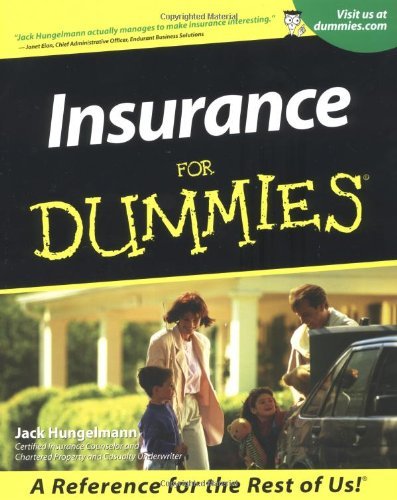
Insurance for Dummies: Hungelmann, Jack
<strong>Manage life, health, and disability risks</strong> ― explore individual and group policies, understand Medicare basics, and evaluate long-term disability and long-term-care insurance ...
Check Price on AmazonMinimum required liability limits in Washington are typically:
- $25,000 bodily injury per person
- $50,000 bodily injury per accident
- $10,000 property damage per accident
These are often written as “25/50/10.” You must carry proof of insurance (a paper or digital ID card is generally accepted) when you drive.
What’s not required but important:
- Uninsured/Underinsured Motorist (UM/UIM): Coverage that protects you if the other driver has too little or no insurance. In Washington, insurers must offer it, and you can reject it in writing. Many drivers choose to keep it because a meaningful share of crashes involve uninsured or underinsured motorists.
- Personal Injury Protection (PIP): No-fault medical coverage that pays for you and your passengers’ medical bills regardless of who caused the crash, up to your chosen limit. Insurers must offer PIP in Washington; you can reject it in writing. Basic limits often start around $10,000, with higher options available. PIP can also include limited income loss and essential services benefits depending on the policy.
A quick note on “full coverage”: There’s no policy literally named “full coverage.” What people mean is a package that includes:
- Liability (pays others when you’re at fault)
- Collision (pays to repair/replace your car if you hit another vehicle or object)
- Comprehensive (pays for non-crash damage like theft, vandalism, fire, hail, falling objects, and animal strikes)
Collision and comprehensive each have a deductible (the amount you pay out of pocket before insurance kicks in), commonly $500 or $1,000 in Washington.
Why the minimum is rarely enough: That $10,000 property damage limit can be blown through by a single newer car or moderate multi-vehicle fender bender. Medical costs can also climb fast. Many Washington drivers choose higher limits such as 100/300/50 or 250/500/100 to better protect their savings and future earnings. The cost to raise limits is typically modest compared to the potential financial risk of a serious crash.
SR-22 in Washington: If your license is suspended after a DUI, major violation, or lapse in insurance, you may be required to file an SR-22 (a form your insurer files with the state proving you carry at least the minimum required liability coverage). SR-22 is not special insurance—it’s a filing—and you typically must keep it active for three years. Missing a payment can trigger another suspension, so set auto-pay if you’re on SR-22.
Average car insurance rates in Washington by age, vehicle, and driving record
Let’s set expectations. Rates vary by ZIP code, vehicle, coverage limits, driving history, and even which insurer you choose. Consider the figures below as typical ranges—not guarantees—to help you benchmark quotes.
Clean-driving profiles (typical annual ranges):
- 35-year-old driver, minimum liability only: roughly $600–$1,100
- 35-year-old driver, full coverage (liability + comp + collision): roughly $1,200–$2,100
- New driver (licensed <3 years) or 20-year-old: liability from about $1,200–$2,200; full coverage from about $2,500–$4,500
- Teen on a parent’s policy: adding a teen can raise a family’s premium by 50%–100% in many cases; liability-only for a solo teen is often very expensive
Driving record impact (on a 35-year-old full coverage baseline):
- One speeding ticket: often +15% to +25% at renewal
- At-fault property-damage crash: often +35% to +55%
- DUI: commonly +60% to +100% (and an SR-22 filing requirement in many cases)
Vehicle impact in Washington:
- Older sedans and small SUVs usually cost less to insure than new luxury models
- Vehicles with expensive parts (luxury brands, advanced sensors) raise collision/comprehensive costs
- Theft risk matters. Certain model years of Kia/Hyundai saw increased theft claims nationally—some Washington ZIP codes price that risk higher, which can impact comprehensive rates (coverage for theft and non-crash damage)
Two Washington location examples:
- Seattle metro (denser traffic, higher repair/labor costs): often on the higher end of the ranges above
- Spokane/Tri-Cities (less congestion): often toward the lower/middle of those ranges
Again, these are ballpark figures. The fastest way to see what you would actually pay is to compare quotes from 3–5 carriers with the same coverage limits and deductibles.
Factors that affect Washington auto insurance premiums
Here’s what actually moves the needle on price in Washington:
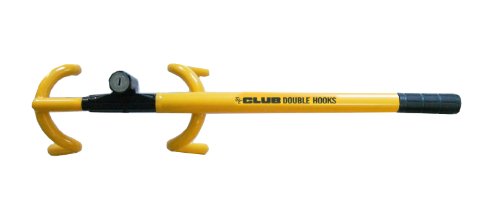
Winner International The Club 3000 Twin Hooks Steering Wheel Lock, Yellow : Automotive
View on Amazon- ZIP code risk: More traffic density, claims frequency, and theft risk generally = higher rates. Seattle and Tacoma typically cost more than Yakima or Walla Walla.
- Driving history: Tickets, at-fault crashes, and DUIs are major rating factors. Accident and violation “surcharges” often apply for 3–5 years.
- Credit-based insurance score: In Washington, insurers generally may use a credit-based insurance score (a rating tool using elements of your credit report, not your FICO score itself) to help predict claim risk. Better scores often qualify for lower rates. Paying bills on time and reducing revolving balances can help over time.
- Vehicle type and cost to repair: Newer, pricier vehicles or those with advanced ADAS sensors can increase collision/comprehensive premiums.
- Coverage choices: Higher liability limits reduce your financial risk but cost more. Higher deductibles lower premium but increase your out-of-pocket costs if you file a claim.
- Annual miles and commute: Long daily commutes typically raise rates more than low-mileage or work-from-home usage.
- Household profile: Young drivers, multiple vehicles, and recent lapses in coverage affect pricing.
- Telematics enrollment: Many insurers in Washington offer usage-based insurance programs (a phone app or device that tracks driving habits like braking, phone distraction, and mileage). Good driving can earn sizable discounts; hard braking or high nighttime miles can reduce them.
How to compare and get the cheapest auto insurance in Washington
You don’t have to become an insurance expert to get a fair price. Follow this simple playbook.
- Decide on the right coverage first
- Liability: If you own a home or have meaningful savings, consider at least 100/300/50. Renters and younger drivers may also benefit from higher limits—it’s not just for homeowners.
- UM/UIM: In a state with plenty of cross-traffic and varying insurance levels, UM/UIM is valuable protection for you and your passengers.
- PIP: Consider at least the basic PIP offer; it pays quickly for medical bills regardless of fault and can smooth things out while liability is sorted.
- Comprehensive and collision: Keep both if you can’t afford to replace or repair your car out of pocket. On older vehicles with low market value, you might drop them to save money—just know you’re self-insuring the car at that point.
- Gather what every insurer will ask for
- Driver info: License numbers, dates of birth, marital status
- Vehicle info: VINs if available, current mileage, safety features
- Driving history: Accidents/violations in the last 3–5 years
- Desired coverages: Liability limits, deductibles, optional coverages like rental reimbursement (pays for a rental car while yours is being repaired under a covered claim) and roadside assistance (towing, lockout, jump-start help)
- Compare apples to apples
- Quote the same liability limits and deductibles with each carrier
- Add or remove the same options (e.g., rental reimbursement at $40/day) so you’re comparing true price differences rather than different coverage
- Ask about discounts you actually qualify for
- Multi-policy (auto + renters/home/condo), telematics, good student, paperless/e-billing, pay-in-full, safe vehicle equipment
- If you drive under 7,500–10,000 miles per year, ask about low-mileage pricing or pay-per-mile options
- Check company quality—don’t chase the rock-bottom number blindly
- Financial strength ratings and complaint ratios matter. A cheaper policy that fights you on claims isn’t a bargain.
- Skim recent customer reviews for claims handling patterns in Washington ZIP codes near you.
- Time your switch smartly
- Quote 2–3 weeks before your renewal date; some insurers price early-shoppers a bit better than last-minute buyers
- Avoid lapses in coverage (a gap, even a short one, can increase your next premium)
Ready to see your real price? The fastest way to find savings is to compare quotes from 3–5 carriers with the same coverages. It typically takes about 10 minutes and can save you hundreds per year.
Washington-specific discounts and savings opportunities
Most of these are widely available in Washington—ask each insurer which you qualify for.
- Usage-based telematics discount: Safe braking, smoother acceleration, and low late-night driving can earn meaningful savings after a 60–90 day trial period in many programs.
- Multi-policy bundle: Auto + renters or homeowners can shave 10%–25% off in many cases. Renters policies in Washington are often inexpensive and can unlock a strong bundle discount.
- Good student and distant-student: Full-time students with a B average (or better) and students living at school without a car may qualify.
- Mature driver/defensive driving: Washington insurers commonly offer discounts when drivers aged 55+ complete an approved course. Ask your insurer about eligible programs.
- EV/hybrid and safety features: Some carriers discount for alternative-fuel vehicles or for advanced safety tech like automatic emergency braking—varies by insurer.
- Pay-in-full, autopay, and paperless: Small but easy savings that often stack.
- Low mileage and commuter benefits: If you work from home or commute by transit or bike part-time, say so—lower annual miles usually lowers premium.
Close to the border? Rates and rules change once you cross state lines. If you split time or are relocating, these state guides can help you compare:
- Oregon drivers: See requirements and savings tips: Auto Insurance in Oregon: Rates, Requirements & How to Save
- Idaho drivers: See how Idaho’s minimums and pricing differ: Auto Insurance in Idaho: Rates, Requirements & How to Save
- Alaska moves and road trips: Coverage considerations up north: Auto Insurance in Alaska: Rates, Requirements & How to Save
Filing a claim in Washington: what to expect
After a crash, here’s how it typically goes in Washington.
- Safety and documentation first
- Move to a safe spot, call 911 if needed, and exchange information
- Take photos of all vehicles, the scene, and any visible injuries
- Get witness names and contact info if available
- Decide where to file the claim
- Third-party claim: If the other driver is clearly at fault, you can file with their insurer
- First-party claim: You can also use your own policy’s collision or PIP regardless of fault, then your insurer may seek reimbursement (called subrogation)
- Washington uses pure comparative negligence
- Fault can be split between drivers (for example, 70%/30%)
- Your recovery is reduced by your share of fault; you can still pursue damages even if you were mostly at fault
- PIP can pay quickly
- If you carry PIP, submit medical bills directly to your insurer; it pays up to your policy limit regardless of fault
- Diminished value (DV) is sometimes recoverable
- If your car is repaired after a not-at-fault crash, you may be able to claim the loss in resale value from the at-fault driver’s insurer. Not all claims succeed; documentation helps.
- Total loss and settlement
- If the car is a total loss, your insurer pays the actual cash value (ACV), which is the vehicle’s market value before the crash, minus your deductible if using collision coverage
- Share maintenance records and recent comparable listings to support value
- Know the clock
- Washington’s statute of limitations for injury and property damage claims is typically three years, but don’t wait—evidence fades and deadlines vary for different claim types. Consider speaking with an attorney for injury guidance.
Practical tip: Keep all receipts, repair estimates, and medical records. If you disagree with a liability decision or settlement value, you can escalate with a supervisor, provide additional evidence, or, for your own insurer, consider appraisal/mediation options if your policy allows.
FAQ: common questions about Washington car insurance
Is Washington a no-fault state? No. Washington is an at-fault state. The driver who causes the crash is responsible for damages. PIP can still pay your medical bills regardless of fault if you added it.
What is the minimum auto insurance in Washington? 25/50/10 liability coverage (explained above). Insurers must also offer PIP and UM/UIM, which you can reject in writing.
Do insurers use credit in Washington? In most cases, yes—insurers may use a credit-based insurance score to help price policies. Improving payment history and reducing credit utilization can help over time.
Do I really need UM/UIM in Washington? It’s not required, but many drivers carry it. If you’re hit by someone with no insurance or too little, UM/UIM can cover your injuries or vehicle damage (depending on the coverage type) up to your limits.
Is PIP required in Washington? Insurers must offer it, but you can decline in writing. PIP can be a smart add because it pays medical bills quickly after a crash, regardless of fault.
I bought a new car. How long do I have to add it? Most insurers give 7–30 days of automatic coverage for a newly acquired vehicle, but the rules and coverages that carry over vary by company. Call your agent or insurer the day you buy.
What if I need an SR-22? Ask your insurer or a company that specializes in SR-22 filings. You’ll pay a small filing fee plus any premium changes due to your record, and you typically must keep the SR-22 active for three years.
Is digital proof of insurance accepted? Generally yes—Washington law allows electronic proof of insurance. Keep it easily accessible on your phone.
Will a windshield chip be covered? If you carry comprehensive coverage (non-crash damage, including glass), chip repair is typically covered—sometimes with little or no deductible depending on your policy. Check your specific terms.
A quick word on getting help
Washington insurance can get nuanced—especially after a claim or if you’re deciding on PIP and UM/UIM limits. If your situation is complex, talking with a licensed agent can help you tailor coverage to your budget and risks. Agents can also surface carrier-specific discounts you might miss online.
Ready to lock in savings? The smartest next step is to compare quotes from 3–5 insurers using the same limits and deductibles. In most cases, that’s where the real price differences show up—and where you can save without sacrificing protection.
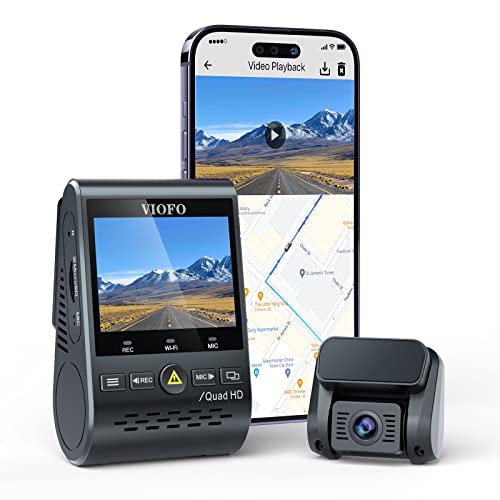
VIOFO Dual Dash Cam, 2K 1440P 60fps+1080P 30fps Front and Rear Dash Camera with Wi-Fi GPS, Parking Mode, Emergency Recording, Super Capacitor, Motion Detection (A129 Plus Duo) : Electronics
Buy VIOFO Dual Dash Cam, 2K 1440P 60fps+1080P 30fps Front and Rear Dash Camera with <strong>Wi-Fi GPS, Parking Mode</strong>, Emergency Recording, Super Capacitor, Motion Detection (A129 Plus Duo): On
Check Price on AmazonRecommended Resources
Insurance for Dummies: Hungelmann, Jack
<strong>Manage life, health, and disability risks</strong> ― explore individual and group policies, understand Medicare basics, and evaluate long-term disability and long-term-care insurance ...
VIOFO Dual Dash Cam, 2K 1440P 60fps+1080P 30fps Front and Rear Dash Camera with Wi-Fi GPS, Parking Mode, Emergency Recording, Super Capacitor, Motion Detection (A129 Plus Duo) : Electronics
Buy VIOFO Dual Dash Cam, 2K 1440P 60fps+1080P 30fps Front and Rear Dash Camera with <strong>Wi-Fi GPS, Parking Mode</strong>, Emergency Recording, Super Capacitor, Motion Detection (A129 Plus Duo): On
Winner International The Club 3000 Twin Hooks Steering Wheel Lock, Yellow : Automotive
The Club'S Patented Self-Locking Feature Locks With One Pull. Keyless Locking, for ease of use ... The Club 3000 Twin Hooks Steering Wheel Lock is <strong>a part of The Club line of quality produ
Related Articles
- Home Insurance in Washington: Coverage, Costs & Best Companies
- Auto Insurance in Maryland: Rates, Requirements & How to Save
- Auto Insurance in Wisconsin: Rates, Requirements & How to Save
- Health Insurance in Washington: Plans, Costs & How to Enroll
- Auto Insurance in Hawaii: Rates, Requirements & How to Save
- Auto Insurance in Kansas: Rates, Requirements & How to Save
- Auto Insurance in Oregon: Rates, Requirements & How to Save
- Auto Insurance in Wyoming: Rates, Requirements & How to Save