
Auto Insurance in Arkansas: Rates, Requirements & How to Save
You’re shopping for auto insurance in Arkansas and the numbers feel all over the place. Is your quote high? Too low to be real? Here’s what actually matters when choosing coverage in Arkansas, what the state requires, what typical premiums look like, and smart ways to save without shortchanging yourself.
Arkansas auto insurance requirements and minimum coverage
Arkansas is a “fault” state, which means the at-fault driver’s liability insurance pays for others’ injuries and property damage. To legally drive, you must carry at least:
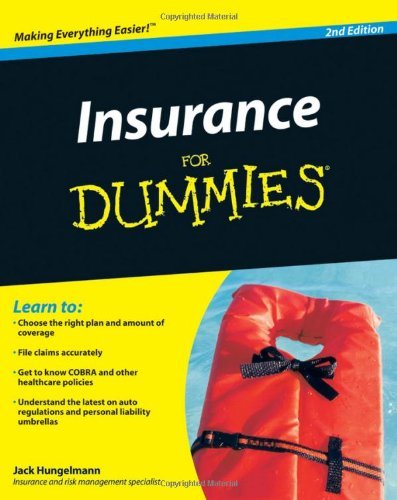
Insurance For Dummies?: Hungelmann, Jack
Whether you’re a homeowner or ... need on: ... Author Jack Hungelmann <strong>uses his twenty-five years of experience in the insurance industry to make buying insurance as simple as possible</strong>
Check Price on Amazon- Bodily injury liability: $25,000 per person and $50,000 per accident (often written as 25/50). Liability pays for other people’s injuries when you’re at fault; it does not pay for your injuries.
- Property damage liability: $25,000 per accident (the last “25” in 25/50/25). This covers damage you cause to someone else’s car or property.
Insurers in Arkansas must also offer you:
- Uninsured motorist (UM) and underinsured motorist (UIM) coverage: Pays for your injuries if the other driver has no insurance or not enough. You can reject it in writing, but many drivers keep it because Arkansas has a meaningful share of uninsured motorists on the road.
- Personal injury protection (PIP): Also called “no-fault” medical benefits. PIP helps pay for medical bills (and sometimes lost wages and funeral costs) for you and your passengers regardless of fault. It’s optional but must be offered; you can decline in writing.
What minimum coverage doesn’t cover:
- Your own car’s repairs after a crash you cause (that’s collision coverage)
- Weather, theft, vandalism, or hitting a deer (that’s comprehensive coverage)
- Towing, rental cars, or gap insurance unless you add them
If you lease or finance your vehicle, your lender typically requires collision (pays to fix your car after an at-fault crash) and comprehensive (covers non-crash damage like hail, tornadoes, theft, fire, and animals). Both come with a deductible — the amount you pay out of pocket before insurance pays the rest.
For a quick refresher on how each coverage works, see Understanding Auto Insurance Coverage Types. [/auto-insurance/understanding-auto-insurance-coverage-types]
How much liability is enough in Arkansas?
The state minimum 25/50/25 is a legal floor, not a safety net. Medical costs and vehicle prices rise fast. If you total a newer SUV or multiple cars, $25,000 in property damage can be used up quickly. Many Arkansas drivers choose higher limits like 100/300/100, especially homeowners or anyone with savings to protect.
Average car insurance rates in Arkansas by age, vehicle, and driving record
Real talk: the fastest way to see what you would actually pay is to compare quotes from 3–5 carriers. Rates vary by driver, location, and car. That said, here are example annual premium ranges we typically see in Arkansas for a clean record and good credit — just to help you benchmark. Your rates can be higher or lower.
By age (liability-only vs. full coverage):
- 18-year-old: $1,200–$2,200 liability-only; $2,800–$5,000 full coverage
- 25-year-old: $650–$1,100 liability-only; $1,600–$2,700 full coverage
- 40-year-old: $500–$900 liability-only; $1,300–$2,200 full coverage
- 65-year-old: $550–$950 liability-only; $1,400–$2,400 full coverage
By vehicle type (40-year-old, clean record):
- Older sedan (e.g., 2012 Camry): $1,000–$1,700 full coverage
- Popular pickup (e.g., F‑150): $1,200–$2,000 full coverage
- Small SUV (e.g., RAV4): $1,100–$1,900 full coverage
- Sporty car (e.g., Mustang): $1,600–$2,800+ full coverage
By driving record (40-year-old, same car):
- Clean record: $1,300–$2,200 full coverage
- One at-fault accident: $1,800–$3,000
- One speeding ticket (15+ mph over): $1,600–$2,600
- One DUI: $2,500–$4,500 (and you may need an SR‑22, a filing your insurer submits to the state to prove you carry required insurance)
These are illustrative — not offers. Urban drivers (Little Rock, North Little Rock), college towns (Fayetteville), and areas with more theft or severe weather can see higher rates. Rural drivers sometimes see lower rates, but not always. Comparing real quotes is the only way to know.
If you’re ready to price your options, start here: Car Insurance Quotes: Compare Rates & Get Personalized Quotes Fast. [/auto-insurance/car-insurance-quotes-compare-rates]
Factors that affect Arkansas auto insurance premiums
Here’s what actually moves the needle for Arkansans:
- Where you live and park: More traffic, theft, and storm losses generally mean higher rates. A garaged car can help.
- Your driving record: Accidents, speeding tickets, and DUIs significantly raise premiums. Safe-driver discounts often kick in after 3–5 years violation-free.
- Annual mileage: Fewer miles means less exposure. If you now work from home, tell your insurer — it might lower your rate.
- Vehicle type and repair costs: Trucks and SUVs are popular in Arkansas; parts and theft risk matter. Advanced safety tech can help prevent crashes but may be expensive to repair.
- Coverage limits and deductibles: Higher liability limits cost more but protect you better. Raising your physical damage deductible (the out-of-pocket portion before your insurer pays) from, say, $500 to $1,000 can lower premiums — just be sure you could comfortably pay that amount after a claim.
- Credit-based insurance score: Arkansas allows insurers to use credit-based insurance scoring. Better credit typically means lower premiums. If your credit improves, ask for a rerate.
- Prior insurance and gaps: A lapse in coverage can spike your rate. Even basic continuous coverage looks better to underwriters.
- Claims in your area: Hail and tornado seasons matter. Comprehensive coverage (for weather, theft, and animal strikes) is often a smart add-on in Arkansas.
- Add-on coverages: Roadside assistance, rental reimbursement, and gap coverage each add modest cost but can be worth it, especially on newer vehicles.
How to compare and get the cheapest auto insurance in Arkansas
The cheapest policy isn’t always the best — but you shouldn’t overpay, either. Here’s a simple playbook:
- Decide your must-have coverages
- Liability: Consider at least 50/100/50 or 100/300/100 if you own a home or have savings.
- UM/UIM: Generally worth keeping, given the number of uninsured drivers.
- Collision and comprehensive: If your car is newer, financed, or would be painful to replace, keep both. If it’s older and low-value, you can run the math to see if dropping them makes sense.
- PIP/MedPay: Helpful for quick medical bills regardless of fault.
- Set realistic deductibles
- Pick a deductible that lowers your premium but wouldn’t create a financial crisis after a crash. Many Arkansas drivers choose $500–$1,000.
- Get apples-to-apples quotes from 3–5 companies
- Same coverages, limits, and deductibles in every quote. If you change one thing, update all quotes so you’re truly comparing.
- Ask about every discount you qualify for
- Safe driver, multi-car, multi-policy (home + auto), defensive driving course, telematics (a usage-based app or device that tracks driving habits), good student, paperless, pay-in-full, and more.
- Fine-tune your coverage
- If your quote is high, look at raising your deductible, adjusting rental coverage, or removing extras you don’t need. Keep liability limits strong.
- Re-shop after big life or credit changes
- Move, marriage, new job with fewer miles, improved credit, or paying off a loan — all are good times to re-quote.
When you’re ready, you can Compare Car Insurance: Best Coverage and Price Today to get side-by-side options in minutes. [/auto-insurance/compare-car-insurance]
Arkansas-specific discounts and savings opportunities
Arkansas carriers typically offer a full menu of discounts. Some that often resonate here:
- Telematics/safe-driving apps: If you avoid hard braking, late-night trips, and phone use, these can be big savers. You’ll install a mobile app or small device to track driving for a period.
- Multi-policy (bundling): Combine auto with home, renters, or condo insurance for meaningful savings — especially if you own a home.
- Good driver and accident-free: Clean records pay less. Many insurers offer “accident forgiveness” after a certain period, but terms vary.
- Good student and distant-student: For teens and college students who maintain grades or go to school a certain distance from home without a car.
- Vehicle safety and anti-theft: Airbags, anti-lock brakes, VIN etching, and approved alarm systems can help.
- Low-mileage and commute changes: If you switched to remote or hybrid work, tell your insurer.
- Defensive driving course: Completing an approved course can earn a discount, particularly for mature drivers.
- Pay-in-full, autopay, and paperless: Small discounts that add up.
- Continuous coverage: Avoiding lapses keeps rates lower over time.
Want a deeper dive on premium-cutting tactics without sacrificing protection? Check out Cheap Auto Insurance: How to Lower Your Premiums & Get Quotes. [/auto-insurance/cheap-auto-insurance-lower-premiums-get-quotes]
Filing a claim in Arkansas: what to expect
If you’re in a crash, here’s a clear, Arkansas-friendly roadmap.

Garmin Dash Cam 57, 1440p and 140-degree FOV, Monitor Your Vehicle While Away w/New Connected Features, Voice Control, Compact and Discreet, Includes Memory Card : Electronics
View on Amazon- Safety first, then document
- Move to a safe spot. Check for injuries. Call 911 if anyone is hurt or if vehicles are blocking traffic.
- Exchange information: Names, phone numbers, insurance details, license plates, and driver’s license numbers.
- Take photos: Damage, the scene, traffic signs, weather, and any skid marks. Note the time and location.
- Police report: In Arkansas, you typically must report accidents involving injury, death, or significant property damage. A police report is valuable evidence for insurers.
- Notify your insurer quickly
- Most policies require prompt notice. You can open a claim even if you think the other driver is at fault. Your insurer can help you pursue the other party’s insurance.
- Arkansas fault rules to know
- Modified comparative negligence: If you’re partly at fault, your payout is reduced by your percentage of fault. If you’re 50% or more at fault, you typically can’t collect from the other driver.
- UM/UIM claims: If the other driver has no insurance or not enough, your UM/UIM can step in for injuries.
- PIP/MedPay (if you bought it): Can quickly cover medical bills regardless of fault, often before liability is resolved.
- Estimate and repairs
- A claims adjuster will review damage in person or via photos. You can typically choose your repair shop. Ask about parts (OEM vs. aftermarket) and guarantees on repairs.
- Total loss and gap insurance
- If repair costs exceed your car’s value, it may be totaled. If you owe more on a loan/lease than the car’s value, gap coverage can pay the difference. Without gap, you’d owe the shortfall.
- Timelines and rights
- Keep communication in writing when possible. Arkansas injury and property claims generally have a statute of limitations measured in years (often three), but don’t wait — evidence gets stale. For medical treatment, follow your doctor’s plan and keep receipts.
If you’re unsure whether to file through your policy or the other driver’s, a quick call to a licensed agent can help you weigh deductibles, rental coverage, and repair timelines.
What to look for when choosing an Arkansas auto policy
- Strong liability limits (aim higher than the minimum). Medical bills and vehicle prices rise; your coverage should keep up.
- UM/UIM coverage: Consider matching your liability limits.
- Comprehensive coverage: Arkansas sees hail, tornadoes, and deer collisions — comprehensive is the coverage that helps with those.
- A deductible you can afford today: If $1,000 would sting, choose $500 even if premiums rise a bit.
- Real rental car coverage: Check daily limits and total days. Repair backlogs can stretch rentals.
- Customer service and claims reputation: Cheaper isn’t a win if claims drag. Glance at reviews and JD Power-type ratings.
- Telematics fit: If you’re a cautious driver with a routine commute, usage-based programs can unlock large discounts.

Hail Protector SUV2 Car Cover - Silver Inflatable, Anti Hail Protection for Truck, SUV, Van 198-233 Inches : Automotive
HAIL PROOF CAR COVER, WITH UV & WATER RESISTANCE: Our patented system <strong>protects your time, the value of your automobile and your pride in the car you love</strong>. We offer six sizes/style
Check Price on AmazonReal-world Arkansas examples
- You’re a 35-year-old non-smoker in Conway with a paid-off 2015 Accord. You drive 10,000 miles per year, clean record, good credit. Typical quotes we see: $1,200–$1,800 per year for full coverage with 100/300/100 and $500 deductibles.
- You’re a 22-year-old in Fayetteville with a financed 2021 Corolla. One speeding ticket last year. Expect $1,800–$2,900 for full coverage. Ask about good-student and telematics discounts; those can be big.
- You live near Jonesboro, own a 2019 F‑150, and had a not-at-fault deer strike last fall. Comprehensive claims like animal strikes usually impact your rate less than at-fault accidents. Still, shop around; not all insurers rate claims the same.
Prefer to see real offers instead of ranges? The fastest path is to compare live rates: Car Insurance Quotes: Compare Rates & Get Personalized Quotes Fast. [/auto-insurance/car-insurance-quotes-compare-rates]
FAQ: common questions about Arkansas car insurance
Is Arkansas a no-fault state? Arkansas is a fault state for liability. However, insurers must offer PIP (no-fault medical benefits) that you can accept or decline.
What are the minimum auto insurance requirements in Arkansas? 25/50/25 for liability: $25,000 bodily injury per person, $50,000 per accident, and $25,000 property damage per accident. UM/UIM and PIP are offered but can be declined in writing.
Do I need an SR‑22 in Arkansas after a DUI or major violation? Often yes. An SR‑22 is not insurance but a filing your insurer sends to the state to prove you carry required coverage for a set time. Expect higher premiums while it’s required.
What happens if I’m caught driving without insurance in Arkansas? You may face fines, fees, and potential registration or license issues. Insurers may also charge more later due to the lapse. It’s less expensive to keep continuous coverage.
How much car insurance do I really need? Enough to protect your assets and future income. Many drivers choose at least 100/300/100 liability, keep UM/UIM, and carry comprehensive and collision for newer or financed cars.
Will my credit affect my rate in Arkansas? Typically yes. Arkansas allows insurers to use credit-based insurance scores. Better credit usually translates to lower premiums.
How long do tickets and accidents affect my rate? Commonly three years for minor violations and accidents, longer for DUIs. Shopping around can still uncover better prices even with a blemish.
Is hail or tornado damage covered? Yes, if you carry comprehensive coverage. Comprehensive covers non-collision losses like weather, theft, vandalism, fire, and animal strikes.
I just bought a car. Do I have a grace period for insurance in Arkansas? Many insurers provide a short grace period (often 7–14 days) to add a new car if you already have a policy, but you must have coverage in place to drive legally. Confirm the window with your insurer before you leave the lot.
Can I save by paying six months upfront? Usually. Pay-in-full, autopay, and paperless discounts can combine for noticeable savings.
A quick note on personalized advice
Every driver’s situation is unique — vehicle value, commute, credit, teen drivers, and prior claims all play a part. A licensed Arkansas agent can help you fine-tune limits and deductibles to hit the right balance of price and protection.
Your next step
Check your current limits and deductibles, decide what you truly need, then compare at least 3–5 quotes. It’s the simplest way to see your real price and uncover discounts you might be missing.
- Start here to see personalized Arkansas rates in minutes: Car Insurance Quotes: Compare Rates & Get Personalized Quotes Fast. [/auto-insurance/car-insurance-quotes-compare-rates]
- Or, if you want to fine-tune coverage while you compare, try: Compare Car Insurance: Best Coverage and Price Today. [/auto-insurance/compare-car-insurance]
Recommended Resources
Insurance For Dummies?: Hungelmann, Jack
Whether you’re a homeowner or ... need on: ... Author Jack Hungelmann <strong>uses his twenty-five years of experience in the insurance industry to make buying insurance as simple as possible</strong>
Garmin Dash Cam 57, 1440p and 140-degree FOV, Monitor Your Vehicle While Away w/New Connected Features, Voice Control, Compact and Discreet, Includes Memory Card : Electronics
Buy Garmin Dash Cam 57, 1440p and 140-degree FOV, Monitor Your Vehicle While Away w/New Connected Features, Voice Control, Compact and Discreet, Includes Memory Card: On-Dash Cameras - Amazon.com ✓ FR
Hail Protector SUV2 Car Cover - Silver Inflatable, Anti Hail Protection for Truck, SUV, Van 198-233 Inches : Automotive
HAIL PROOF CAR COVER, WITH UV & WATER RESISTANCE: Our patented system <strong>protects your time, the value of your automobile and your pride in the car you love</strong>. We offer six sizes/style
Related Articles
- Auto Insurance in Oklahoma: Rates, Requirements & How to Save
- Auto Insurance in Alabama: Rates, Requirements & How to Save
- Home Insurance in Arkansas: Coverage, Costs & Best Companies
- Auto Insurance in Wyoming: Rates, Requirements & How to Save
- Life Insurance in Arkansas: What Residents Need to Know
- Auto Insurance in Nebraska: Rates, Requirements & How to Save
- Auto Insurance in Arizona: Rates, Requirements & How to Save
- Auto Insurance in Illinois: Rates, Requirements & How to Save