
Auto Insurance in Missouri: Rates, Requirements & How to Save
Auto Insurance in Missouri: Rates, Requirements & How to Save
Shopping for auto insurance in Missouri? You want clear answers on what coverage the state requires, what drivers like you typically pay, and—most importantly—how to get a fair price without cutting corners. This guide breaks down Missouri’s rules, typical rates by age and driving record, and the smart moves that usually lead to real savings.
Note: Rates vary by driver. Use this as a road map, then compare personalized quotes to see your actual price.
Missouri auto insurance requirements and minimum coverage
Missouri is an at-fault (tort) state. That means the driver who causes a crash is responsible for the damages. By law, you must carry at least:
- Bodily injury liability: 25/50 — $25,000 per person and $50,000 per accident for injuries you cause to others
- Property damage liability: $25,000 per accident for damage you cause to others’ property
- Uninsured motorist (UM): 25/50 — $25,000 per person and $50,000 per accident for injuries to you/your passengers when the at-fault driver has no insurance
A quick refresher on terms:
- Liability coverage pays others when you cause a crash. It does not repair your own car.
- Uninsured motorist (UM) helps cover injuries when the at-fault driver lacks insurance. Underinsured motorist (UIM) is separate and optional; it can cover gaps when the at-fault driver doesn’t have enough liability coverage.
Optional (but common) add-ons in Missouri:
- Collision: Repairs your car after a crash, regardless of fault. You’ll pick a deductible (the amount you pay out of pocket before insurance pays), often $250–$1,000.
- Comprehensive: Covers non-crash damage like hail, tornado, theft, vandalism, and hitting a deer—big factors in Missouri. Also has a deductible.
- Medical payments (MedPay): Pays medical bills for you and your passengers, no matter who’s at fault. It’s not required but can be helpful if you have a high health insurance deductible.
- Rental reimbursement: Pays for a rental car while yours is being repaired after a covered claim.
- Roadside assistance: Towing, jump-start, lockout, and related help.
Proof of insurance: Missouri accepts electronic ID cards, so you can show your insurer’s app during a traffic stop.
Penalties for no insurance: Driving without insurance can lead to fines, points on your license, and suspension of your driving privileges and/or vehicle registration. Reinstatement often requires an SR‑22 filing (a certificate your insurer files with the state to prove you carry minimum coverage) for a set period. SR‑22 policies typically cost more.
A note on fault and claims: Missouri uses comparative fault. If you’re partially at fault, your claim payout is usually reduced by your percentage of fault. Example: If you’re 20% at fault on a $1,000 claim, you might collect $800.
Average car insurance rates in Missouri by age, vehicle, and driving record
Let’s set expectations. These ballpark ranges reflect typical quotes we see in many Missouri ZIP codes in 2024. Your rate will vary by city, credit, mileage, and the insurer’s formula.
Typical monthly ranges for a clean-driving 40-year-old in Missouri:
- Minimum state-required coverage: $60–$90 per month ($720–$1,080/year)
- Full coverage (liability 100/300/100, comprehensive and collision with $500 deductibles): $140–$210 per month ($1,680–$2,520/year)
By age (clean record, common vehicles):
- Age 18–20: Minimum $180–$300/mo; Full $350–$600/mo (youthful drivers are pricier due to limited experience)
- Age 25: Minimum $70–$110/mo; Full $150–$230/mo
- Age 40: Minimum $60–$90/mo; Full $140–$210/mo
- Age 65: Minimum $65–$100/mo; Full $150–$230/mo
By vehicle type (age 35–45, clean record):
- 10-year-old sedan (e.g., Toyota Camry): Full $130–$190/mo
- New compact SUV (e.g., Honda CR‑V): Full $170–$250/mo
- Performance model (e.g., Dodge Charger, Mustang): Full $220–$350/mo
By driving record (age 35–45, otherwise similar profile):
- One speeding ticket (10–14 mph over): Often +15–30% vs. clean
- At-fault property damage accident: Often +40–60%
- DUI/DWI: Often +60–100% (plus possible SR‑22)
By location:
- St. Louis city/inner suburbs: Often 15–35% higher than statewide average (more traffic density and theft)
- Kansas City metro: Often 10–25% higher
- Springfield/Columbia/Jefferson City: Often closer to the state average or slightly below, depending on neighborhood
Real-world example:
- Say you’re a 35-year-old driver in Columbia with a clean record, driving a 2018 Honda Accord, 12,000 miles per year. For 100/300/100 liability, comp/collision with $500 deductibles, and UM/UIM, you might see quotes from roughly $1,700–$2,200 per year. Add a recent at-fault accident, and you might see $2,400–$3,200 or more. Actual quotes will vary by insurer.
Factors that affect Missouri auto insurance premiums
The big drivers of price in Missouri are similar to other states, with a few local twists:
- Age and experience: Newer drivers are pricier. Rates usually decrease with a clean record and time behind the wheel.
- Driving record: Tickets, at-fault accidents, and DUIs raise rates. Severity and recent history matter most.
- ZIP code: Densely populated areas like St. Louis and Kansas City often see higher claims frequency and theft, which insurers price in.
- Vehicle type and cost to repair: Newer vehicles with expensive sensors (ADAS) or performance trims cost more to insure. Safety ratings help.
- Annual mileage and commute: The more you drive, the higher the risk of a claim.
- Coverage choices: Higher liability limits, lower deductibles, and add-ons (like rental or roadside) raise your premium—but typically protect you better.
- Credit-based insurance score: Missouri allows insurers to use credit-based factors. Stronger credit typically lowers premiums; lower credit can raise them. (Insurers don’t see your actual credit score, but they use a credit-based index that correlates with claim risk.)
- Claims trends and severe weather: Hail and tornado activity can increase comprehensive claims in Missouri. That can nudge rates up across a region.
- Lapses in coverage: A recent coverage gap usually leads to higher quotes.
How to compare and get the cheapest auto insurance in Missouri
The fastest way to see what you’d actually pay is to compare quotes from 3–5 carriers, apples-to-apples. Here’s how to do it like a pro.
What to look for when comparing quotes
- Match your coverage limits and deductibles across all quotes. If one quote is much cheaper, check if it quietly lowered a limit or raised a deductible.
- Liability limits: Missouri’s minimums (25/50/25) are often not enough if you cause a serious crash. Many Missouri families choose at least 100/300/50, or 250/500/100 if you have a home or savings to protect.
- UM/UIM: Missouri requires UM. Consider adding UIM (underinsured motorist) so you’re protected if the other driver’s limits are too low.
- Comprehensive and collision: If your car is worth more than you could easily replace, keep both. Consider a higher deductible to cut costs if you have savings.
- Rental reimbursement and roadside assistance: Small add-ons that are handy if you rely on your car daily.
- Claims reputation: Look at customer reviews, Missouri complaint ratios, and repair shop networks. A cheaper policy that’s a nightmare to claim on isn’t a deal.
- Financial strength: Check AM Best or similar ratings. You want an insurer that can pay claims in a big storm.
- Telematics programs: Most carriers in Missouri offer a driving app or device that can provide an initial discount and then ongoing savings based on your driving habits.
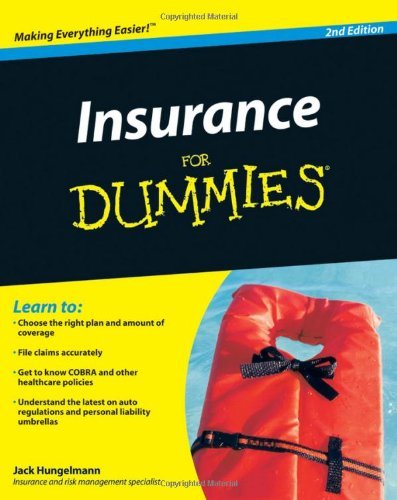
Insurance For Dummies?: Hungelmann, Jack
Whether you’re a homeowner or ... need on: ... Author Jack Hungelmann <strong>uses his twenty-five years of experience in the insurance industry to make buying insurance as simple as possible</strong>
Check Price on AmazonTactical savings moves that typically work
- Bundle auto + home/renters: Often saves 10–25% with the same carrier.
- Increase your comp/collision deductibles: Moving from $250 to $500 or $1,000 can noticeably lower full-coverage premiums.
- Clean up tickets (with time): Minor violations may fall off rating after ~3 years; major violations can take longer.
- Good driver and good student discounts: Strong report cards can help with teen/young adult rates.
- Try telematics for 60–90 days: Safer braking, limited late-night driving, and smooth acceleration often earn extra discounts.
- Pay-in-full and autopay: Modest but easy savings.
- Shop at renewal and after life changes: New address, vehicle, or milestone birthdays can shift your risk profile.
- Consider pay-per-mile if you drive very little: Some carriers offer low-mileage programs that can be cost-effective for work-from-home drivers.
Ready to see where you land? Compare personalized quotes from a few top Missouri carriers—same coverages, same deductibles. Five minutes now can save you hundreds over the next 12 months.
[Get personalized Missouri auto insurance quotes]
Missouri-specific discounts and savings opportunities
Most discounts are carrier-based, but here’s what we often see available to Missourians:
- Safe driver and claims-free: Clean multi-year record typically qualifies.
- Telematics/usage-based: Snapshot, Drive Safe & Save, SmartRide, and similar programs can add up if you drive safely and not too late at night.
- Multi-policy and multi-car: Bundle vehicles or add home/renters/condo to unlock bigger savings.
- Good student and student-away: For full-time students with a B average or who live more than ~100 miles from home without a car.
- Defensive driver or mature driver course: Some carriers discount drivers (often 55+) who complete an approved course—ask your insurer.
- Anti-theft and safety features: Factory alarms, tracking devices, and advanced safety tech can help.
- Affinity and employer groups: Credit unions, alumni associations, or certain employers sometimes have negotiated discounts.
- Garaging and parking: Keeping your car in a locked garage—especially in hail-prone or higher-theft areas—can reduce comprehensive claims risk.
Pro tip: Ask the agent to audit every discount you qualify for. It’s common to miss 2–3 small ones that together add up.
Filing a claim in Missouri: what to expect
If you’re in a crash, prioritize safety and documentation. Here’s the usual flow in Missouri.
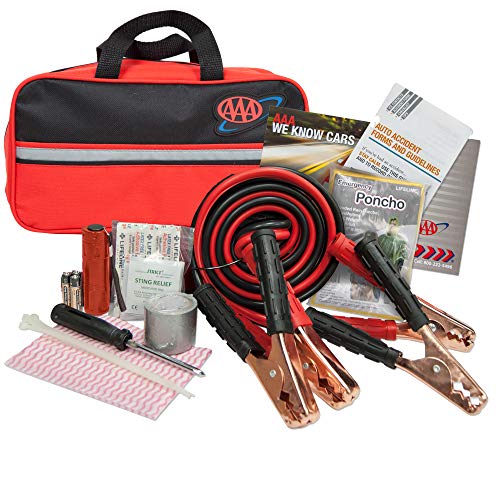
Lifeline AAA Premium Road Kit, 42 Piece Emergency Car Kit with Jumper Cables, Flashlight and First Aid Kit,4330AAA,Black : Everything Else
View on Amazon
VIOFO Dash Cam A119 V3 2K 2560x1440P Quad HD+ 60FPS Front Car Dash Camera, 5MP STARVIS Sensor, 140-Degree Wide Angle, GPS Included, Buffered Parking Mode, True HDR, Motion Detection, Time Lapse : Electronics
View on Amazon- Make the scene safe and call 911 if anyone is hurt. Exchange info and take photos/video of damage, positions, weather, and road conditions.
- Police report: If there are injuries, suspected DUI, or significant property damage, call the police. If the police don’t respond and damage is substantial, you may need to file a report. When in doubt, report—it helps the claim.
- Notify your insurer promptly, even if you think the other driver is at fault. Most policies require “prompt notice,” which protects you if the other side delays or disputes fault.
- Appraisal and repair: Your insurer (or the other driver’s) will inspect damage. You can usually choose your repair shop. Many insurers have preferred networks with guarantees on workmanship.
- Deductible: If you use your collision coverage, you’ll pay your deductible. If the other driver is found at fault later, your insurer may recover from them and reimburse your deductible (called subrogation).
- Total loss: If repairs exceed the car’s value threshold, the insurer will declare it a total loss and pay actual cash value (ACV), which is your car’s market value minus your deductible. Taxes and title fees are typically included for first-party totals—ask how your carrier handles this.
- Injury claims: With Missouri’s comparative fault, payouts may be reduced by your share of fault. Keep medical records and follow treatment plans. MedPay (if you have it) can help with out-of-pocket costs.
- Uninsured drivers: Missouri requires UM for injuries. If you’re hit by an uninsured driver, you can file a UM claim with your own insurer. For vehicle damage in an uninsured-at-fault crash, you’d typically use collision coverage or pursue the driver directly.
What about diminished value? In Missouri, you can typically pursue diminished value from the at-fault party’s insurer (the loss in your car’s resale value after repairs). You’ll need evidence—independent appraisals can help. Your own policy usually doesn’t cover diminished value unless it’s specifically endorsed.
Claim timelines: Every insurer has its own process, but you should get clear next steps within a few business days after reporting. Stay responsive and keep receipts for rental cars and towing.
FAQ: common questions about Missouri car insurance
Is auto insurance required in Missouri? Yes. You must carry 25/50/25 liability and 25/50 uninsured motorist for injuries. Driving without insurance can lead to fines, points, and suspension.
What is “full coverage” in Missouri? “Full coverage” isn’t a legal term. People use it to mean liability plus comprehensive and collision. It’s customizable—your deductibles and liability limits determine price and protection.
Do I need personal injury protection (PIP) in Missouri? No. Missouri is not a no-fault state and does not require PIP. Medical payments (MedPay) is optional and can help with medical bills regardless of fault.
Will my credit affect my auto insurance in Missouri? Typically, yes. Missouri allows credit-based insurance scoring. Stronger credit often means lower premiums. Insurers weigh many factors, not just credit.
How long do tickets affect my rate? Most minor violations affect rates for about 3 years. Serious violations (like DUI) can impact pricing longer and may require an SR‑22 filing.
What is an SR‑22 and when is it required in Missouri? An SR‑22 is a certificate your insurer files with the state to prove you carry required insurance—often after a serious violation or a license suspension. You must maintain continuous coverage during the filing period, or the state is notified.
I just bought a car—do I have a grace period? Many policies give you 14–30 days to add a newly acquired vehicle, but terms vary by insurer. Don’t assume—call your agent or insurer as soon as you buy.
What if I can’t find coverage due to tickets or accidents? Ask a few standard carriers first. If you’re still declined, the Missouri Automobile Insurance Plan (assigned-risk) can help place you with a participating insurer. Rates are usually higher, but it keeps you legal while you rebuild your record.
Are there special rules for hail and storm damage? Comprehensive covers hail and storm damage, subject to your deductible. In hail-prone areas, some drivers choose a slightly higher deductible to lower premiums—just be sure you have the savings to cover it.
A quick word on getting advice
This guide is educational and not legal advice. Insurance rules and rates change. For coverage decisions tailored to your situation, speak with a licensed Missouri agent.
Your next step
The smartest way to pinpoint your price for auto insurance in Missouri is to compare 3–5 quotes with the same coverages and deductibles. Have this handy: driver’s license numbers, VIN(s), annual mileage, current limits, and any tickets/accidents in the last 3–5 years.
- Target at least 100/300/50 liability if you can—it’s affordable protection for most drivers.
- Test a telematics program for a few weeks if offered; it’s one of the few discounts you can influence.
[Compare Missouri auto insurance quotes now]
Disclosures: Coverage availability and pricing depend on your individual profile, vehicle, insurer, and ZIP code. All examples here are estimates for illustration only.
Recommended Resources
Insurance For Dummies?: Hungelmann, Jack
Whether you’re a homeowner or ... need on: ... Author Jack Hungelmann <strong>uses his twenty-five years of experience in the insurance industry to make buying insurance as simple as possible</strong>
VIOFO Dash Cam A119 V3 2K 2560x1440P Quad HD+ 60FPS Front Car Dash Camera, 5MP STARVIS Sensor, 140-Degree Wide Angle, GPS Included, Buffered Parking Mode, True HDR, Motion Detection, Time Lapse : Electronics
Amazon.com: VIOFO Dash Cam A119 V3 2K 2560x1440P Quad HD+ 60FPS Front Car Dash Camera, 5MP STARVIS Sensor, 140-Degree Wide Angle, <strong>GPS Included</strong>, Buffered Parking Mode, True HDR, Motion
Lifeline AAA Premium Road Kit, 42 Piece Emergency Car Kit with Jumper Cables, Flashlight and First Aid Kit,4330AAA,Black : Everything Else
Amazon.com: <strong>Lifeline AAA Premium Road Kit</strong>, 42 Piece Emergency Car Kit with Jumper Cables, Flashlight and First Aid Kit,4330AAA,Black : Everything Else
Related Articles
- Auto Insurance in Mississippi: Rates, Requirements & How to Save
- Home Insurance in Missouri: Coverage, Costs & Best Companies
- Auto Insurance in Montana: Rates, Requirements & How to Save
- Auto Insurance in Kansas: Rates, Requirements & How to Save
- Auto Insurance in Maine: Rates, Requirements & How to Save
- Auto Insurance in Illinois: Rates, Requirements & How to Save
- Auto Insurance in Arkansas: Rates, Requirements & How to Save
- Auto Insurance in Iowa: Rates, Requirements & How to Save