
Auto Insurance in Kentucky: Rates, Requirements & How to Save
You’re shopping for auto insurance in Kentucky and the quotes feel all over the place. What’s actually required? What do drivers in Louisville or Lexington typically pay? And how do you cut the cost without leaving yourself exposed? Here’s the straight talk you need.
Note: Rates and laws change. The details below reflect common requirements at the time of writing, but always verify with a licensed agent or the Kentucky Department of Insurance.
Kentucky auto insurance requirements and minimum coverage
Kentucky is a choice no-fault state. That means most drivers have personal injury protection (often called PIP or Basic Reparation Benefits) that pays for your injuries regardless of who caused the crash. You can reject no-fault, but only by filing a formal rejection—more on that below.
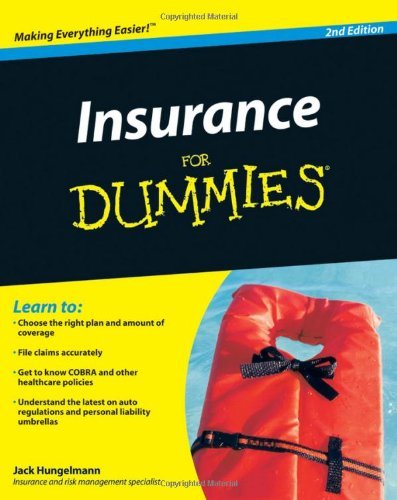
Insurance For Dummies?: Hungelmann, Jack
Whether you’re a homeowner or ... need on: ... Author Jack Hungelmann <strong>uses his twenty-five years of experience in the insurance industry to make buying insurance as simple as possible</strong>
Check Price on AmazonHere’s what the typical minimum policy in Kentucky includes:
- Bodily injury liability: 25/50 — that’s $25,000 per person and $50,000 per accident for injuries you cause to others
- Property damage liability: $25,000 for damage you cause to someone else’s vehicle or property
- Personal Injury Protection (PIP): $10,000 per person (the basic PIP), which can cover medical costs and, in many cases, a portion of lost wages regardless of fault
- Uninsured motorist (UM): Often included at 25/50 unless rejected in writing; protects you if you’re hit by an uninsured driver
Optional but common add-ons:
- Collision coverage: Pays to repair/replace your car after a crash, minus your deductible (the amount you pay out of pocket before insurance kicks in)
- Comprehensive coverage: Covers non-crash events like theft, hail, flood, fire, and deer strikes, minus your deductible
- Underinsured motorist (UIM): Helps when the at-fault driver’s limits aren’t enough
- Roadside assistance, rental reimbursement, gap coverage, and higher PIP limits
If you want a refresher on what each coverage does (with plain-English examples), see our explainer: Understanding Auto Insurance Coverage Types.
About Kentucky’s no-fault rules and lawsuits:
- With PIP, you typically first use your own PIP for injury treatment, no matter who caused the accident.
- You can generally step outside no-fault and pursue a liability claim or sue if your injuries meet the state’s lawsuit threshold—currently medical expenses over $1,000 or certain serious injuries (like a broken bone, permanent disfigurement, or death).
- No-fault rejection: You can keep full rights to sue and be sued by filing a no-fault rejection form with the state. But you’ll give up PIP benefits. Most drivers don’t reject PIP because it’s quick money for medical bills after a crash. Talk with a licensed agent before making this decision.
Proof of insurance and penalties:
- You must carry proof of insurance. Digital proof is typically accepted during traffic stops.
- Driving uninsured can lead to fines, possible registration or license suspension, and reinstatement fees. In some cases, the state may require an SR-22 (a financial responsibility filing) to reinstate driving privileges after serious violations.
What we recommend for many drivers: While Kentucky’s minimums meet the law, they rarely protect your finances after a serious crash. Many households step up to at least 50/100/50 or 100/300/100 liability and keep collision and comprehensive if the car still has value. Your needs depend on your assets, health insurance, and risk tolerance—ask an agent to tailor it.
Average car insurance rates in Kentucky by age, vehicle, and driving record
Let’s set expectations. Premiums vary by driver profile, city, vehicle, coverage level, and even your insurance score. Kentucky’s averages tend to be higher than some neighboring states due to medical costs, weather-related claims (hail, flooding, and deer strikes), and urban traffic in areas like Louisville and Lexington.
Typical ranges you might see for a clean-driving adult (not quotes; your price will vary):
- Minimum liability only: about $55–$110 per month
- Full coverage (liability plus collision/comprehensive): about $140–$260 per month
By age (clean record, typical sedans, full coverage):
- 20-year-old: $210–$380 per month
- 30–40-year-old: $140–$260 per month
- 50–60-year-old: $125–$230 per month
By driving record (30–40-year-old, same car and coverages):
- One speeding ticket: often +15% to +25%
- At-fault accident: often +35% to +60%
- DUI: can be +60% to +100% or more, and you may need an SR-22 filing
By vehicle type (30–40-year-old, clean record):
- Older, paid-off sedan with higher deductibles: tends toward the lower end of full-coverage ranges
- New compact SUV (e.g., CR‑V/RAV4 class): mid-range
- Performance car or luxury model: often higher due to repair costs and theft risk
Location effect:
- Louisville and Lexington typically run higher than smaller cities like Bowling Green, Owensboro, or Richmond due to higher traffic density and claim frequency.
Real-world examples (illustrative—not offers):
- Say you’re a 35-year-old non-smoker in Lexington with a clean record, driving a 2018 Honda CR‑V, carrying 100/300/100 with $500 deductibles. It’s common to see full-coverage quotes in the $155–$215 per month range depending on your insurance score and discounts.
- A 19-year-old in Louisville on a 2014 Toyota Corolla, minimum liability plus basic PIP, might see $95–$170 per month; full coverage could be $240–$400+ per month.
Again, these are typical patterns we see across the market. Your exact rate depends on dozens of factors.
Factors that affect Kentucky auto insurance premiums
Insurers price risk using a lot of data. In Kentucky, these inputs often move the needle most:
- Location: Urban ZIP codes with more traffic and theft tend to cost more than rural areas. Garaging your car in a locked garage can help.
- Coverage and deductibles: More coverage and lower deductibles increase your premium. Higher deductibles (like $1,000 vs. $500) can reduce comprehensive and collision costs.
- Driving history: Tickets, at-fault accidents, and DUIs hit hard. Kentucky surcharges typically last 3–5 years.
- Insurance score (credit-based): Kentucky allows insurers to consider credit-based insurance scores. Improving your credit profile can help over time.
- Vehicle: Repair costs, safety ratings, theft rates, and the presence of advanced driver-assist features all matter. A gently used sedan is usually cheaper than a new performance SUV.
- Miles driven and commute: Long commutes and heavy annual mileage increase exposure; low-mileage drivers may save.
- Age and experience: Younger drivers pay more due to limited driving history. Households with teen drivers often see a sharp jump.
- Claim patterns and weather: Hail, wind, flooding, and deer collisions (covered under comprehensive) are common Kentucky claim drivers.
- Prior insurance and gaps: Continuous coverage typically yields better rates than lapses.
- Discounts and telematics: Safe-driver programs that track braking, acceleration, and time of day can cut costs—especially if you consistently drive during lower-risk hours.
How to compare and get the cheapest auto insurance in Kentucky
The fastest way to see what you would actually pay is to compare quotes from 3–5 carriers on the same day with the same coverage limits. Here’s a smart, step-by-step approach.
- Set your target coverage before you shop
- Decide on liability limits (many Kentucky households choose at least 100/300/100).
- Decide whether to carry collision and comprehensive based on your car’s value.
- Confirm your PIP and UM/UIM preferences—and don’t reject PIP or UM without fully understanding the trade-offs.
- Gather info to speed up quotes
- VIN numbers, driver’s license numbers, current odometer readings, and your current policy declarations page.
- Be ready to list prior claims and tickets from the last 3–5 years.
- Quote apples to apples
- Match liability limits, deductibles, PIP amount, and UM/UIM selections on each quote.
- Check whether rental reimbursement and roadside are included or optional—and at what price.
- Use both online tools and local help
- Online marketplaces make it easy to compare quickly: Car Insurance Quotes: Compare Rates & Get Personalized Quotes Fast
- If you prefer local guidance, try: Car Insurance Near Me: Compare Local Quotes & Find Agents Fast
- Evaluate value, not just price
- Look at financial strength ratings, available Kentucky claims locations, and customer service. Cheap is great—until you have a claim.
- Tweak deductibles and discounts
- Test $500 vs. $1,000 deductibles to see savings.
- Ask about telematics, pay-in-full, paperless, and multi-policy discounts.
- Bind and review at renewal
- Set up autopay, confirm your ID cards (digital is fine in Kentucky), and calendar a 10-minute review at renewal—or after a major life change.
Helpful resource if you’re new to coverages: Car Insurance: Compare Quotes & Save on Coverage Today
Call to action: Ready to see real numbers? Compare at least 3–5 quotes with the same coverages. It’s the quickest way to find out who wants your business this month—and by how much.
Kentucky-specific discounts and savings opportunities
Many discounts are standard nationwide, but here’s what tends to work well for Kentucky drivers:
- Multi-policy (home/condo/renters + auto): Often one of the biggest savers.
- Multi-car: Insuring more than one vehicle on the same policy typically lowers per-car premiums.
- Telematics/safe-driver programs: Especially helpful for commuters who travel outside peak rush hours or for drivers in rural areas.
- Good student and student-away: Teens with strong GPAs or who attend school more than 100 miles away without a car can often save.
- Pay-in-full, autopay, and paperless: Small but easy wins.
- Defensive driving/accident-prevention courses: Mature drivers (often age 55+) may earn a discount after completing an approved course—ask your insurer about Kentucky-eligible programs.
- Anti-theft and VIN etching: Cars with active anti-theft systems or vehicle recovery can see savings.
- Low-mileage and carpooling: If you’ve shifted to hybrid or remote work, update your annual miles.
Pro tip: Tell your agent everything that could trigger a discount—alumni or professional associations, employer groups, and safety features. Insurers won’t always volunteer what you qualify for.
Filing a claim in Kentucky: what to expect
If you’re in a crash, safety comes first. Then:
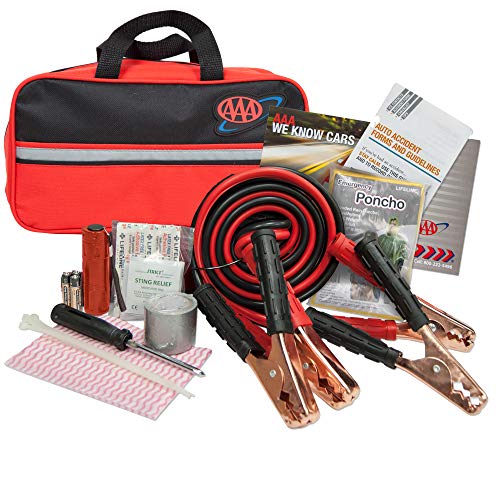
Lifeline AAA Premium Road Kit, 42 Piece Emergency Car Kit with Jumper Cables, Flashlight and First Aid Kit,4330AAA,Black : Everything Else
View on Amazon
VIOFO Dash Cam A119 V3 2K 2560x1440P Quad HD+ 60FPS Front Car Dash Camera, 5MP STARVIS Sensor, 140-Degree Wide Angle, GPS Included, Buffered Parking Mode, True HDR, Motion Detection, Time Lapse : Electronics
Amazon.com: VIOFO Dash Cam A119 V3 2K 2560x1440P Quad HD+ 60FPS Front Car Dash Camera, 5MP STARVIS Sensor, 140-Degree Wide Angle, <strong>GPS Included</strong>, Buffered Parking Mode, True HDR, Motion
Check Price on Amazon- Document the scene
- Call 911 if anyone is injured. Exchange info and take photos of vehicles, plates, road conditions, and injuries.
- Get witness names and contact info if possible.
- Notify your insurer promptly
- Most policies require “prompt” notice. Share the basics only—date, time, location, and vehicles involved. Avoid admitting fault at the scene.
- Understand Kentucky no-fault and how bills get paid
- Injury claims: Your PIP (basic $10,000 per person) typically kicks in first for medical bills and may include limited wage loss, regardless of fault.
- Property damage: Usually handled by the at-fault driver’s property damage liability, or by your own collision coverage if you want faster repairs (your insurer may subrogate—seek reimbursement—from the at-fault party later).
- If the other driver is uninsured: Your UM coverage can help with injuries. For your car, collision coverage is key.
- Choose a repair path
- You can generally choose your own repair shop, but preferred networks may speed things up. Keep receipts for towing and rental if you have those coverages.
- Total loss and valuation
- If your car is totaled, insurers settle at actual cash value (what the car was worth just before the crash). Ask for the valuation report; you can provide comparable listings if you disagree.
- Time limits matter
- Kentucky’s statute of limitations for motor-vehicle injury claims is generally two years from the accident—or from the date of last PIP payment, whichever is later. Property damage claims are also generally two years from the accident. Policy deadlines can be shorter—follow your policy instructions.
- Diminished value
- If you weren’t at fault and your car lost value after repairs, you may be able to pursue a diminished value claim against the at-fault driver’s insurer. Results vary by case.
When in doubt, consult a licensed Kentucky agent or an attorney for guidance, especially if injuries are serious or fault is disputed.
FAQ: common questions about Kentucky car insurance
Is Kentucky a no-fault state?
- Yes—Kentucky is a choice no-fault state. Most drivers carry PIP, which pays for injuries regardless of fault. You can reject no-fault by filing a state form, but you’ll lose PIP benefits and accept full tort exposure.
What is the minimum car insurance required in Kentucky?
- Typically 25/50/25 liability plus basic PIP ($10,000). Uninsured motorist is commonly included unless you reject it in writing. Minimums satisfy the law but may not be enough to protect your assets.
How much does auto insurance in Kentucky cost?
- A typical clean-driving adult might see $55–$110 per month for minimum coverage and $140–$260 for full coverage. Your rate can be higher or lower depending on location, vehicle, insurance score, and driving history.
Can I use digital proof of insurance in Kentucky?
- Yes, most officers will accept digital ID cards on your phone.
What happens if I’m caught driving without insurance?
- Expect fines and potential license and registration suspension. Reinstatement usually requires proof of insurance and may require an SR-22 filing after certain violations.
When is an SR-22 required in Kentucky?
- Typically after serious violations (like a DUI) or reinstating a suspended license. It’s not a type of insurance—just a form your insurer files to prove you carry required coverage.
Do I need UM/UIM coverage?
- Uninsured motorist (UM) can protect you if you’re hit by an uninsured driver. Underinsured motorist (UIM) helps when the at-fault driver’s limits are too low. UM is often included unless rejected; UIM is optional but wise for many households.
How does rideshare (Uber/Lyft) work in Kentucky?
- TNCs provide coverage while the app is on, but there are gaps—especially when you’re waiting for a ride request (“Period 1”). Consider a rideshare endorsement so your personal policy fills those gaps.
What if I’m an out-of-state student in Kentucky?
- If your car is garaged in Kentucky for school, you typically must meet Kentucky’s insurance requirements. Ask your insurer about good student or student-away discounts.
Should I reject no-fault to keep my right to sue?
- Most drivers don’t. Rejecting no-fault means losing PIP benefits that pay quickly after a crash. Talk to a licensed agent about your medical coverage, budget, and risk tolerance before deciding.
—
Personal help is worth it. A licensed agent who writes in Kentucky can size your coverage to your budget and explain how PIP, UM, and lawsuit thresholds really work. But the best first step is simple:
Call to action: Compare 3–5 quotes side by side with the same limits and deductibles. Even small coverage tweaks (like a $1,000 deductible or a telematics discount) can move your Kentucky premium meaningfully.
Recommended Resources
Insurance For Dummies?: Hungelmann, Jack
Whether you’re a homeowner or ... need on: ... Author Jack Hungelmann <strong>uses his twenty-five years of experience in the insurance industry to make buying insurance as simple as possible</strong>
VIOFO Dash Cam A119 V3 2K 2560x1440P Quad HD+ 60FPS Front Car Dash Camera, 5MP STARVIS Sensor, 140-Degree Wide Angle, GPS Included, Buffered Parking Mode, True HDR, Motion Detection, Time Lapse : Electronics
Amazon.com: VIOFO Dash Cam A119 V3 2K 2560x1440P Quad HD+ 60FPS Front Car Dash Camera, 5MP STARVIS Sensor, 140-Degree Wide Angle, <strong>GPS Included</strong>, Buffered Parking Mode, True HDR, Motion
Lifeline AAA Premium Road Kit, 42 Piece Emergency Car Kit with Jumper Cables, Flashlight and First Aid Kit,4330AAA,Black : Everything Else
Amazon.com: <strong>Lifeline AAA Premium Road Kit</strong>, 42 Piece Emergency Car Kit with Jumper Cables, Flashlight and First Aid Kit,4330AAA,Black : Everything Else
Related Articles
- Home Insurance in Kentucky: Coverage, Costs & Best Companies
- Auto Insurance in Kansas: Rates, Requirements & How to Save
- Auto Insurance in Indiana: Rates, Requirements & How to Save
- Auto Insurance in Arkansas: Rates, Requirements & How to Save
- Auto Insurance in Tennessee: Rates, Requirements & How to Save
- Auto Insurance in Ohio: Rates, Requirements & How to Save
- Auto Insurance in Louisiana: Rates, Requirements & How to Save
- Auto Insurance in Wyoming: Rates, Requirements & How to Save