
Auto Insurance in Florida: Rates, Requirements & How to Save
You’re shopping for auto insurance in Florida and the numbers look high. Is that normal—and what coverage do you actually need in a no‑fault state? Here’s what really matters so you can choose confident, cost‑effective protection without overpaying.
Florida auto insurance requirements and minimum coverage
Florida is a no‑fault state, which means your own policy pays certain medical costs after a crash, no matter who caused it. By law, if you register a vehicle in Florida you must carry, at a minimum:
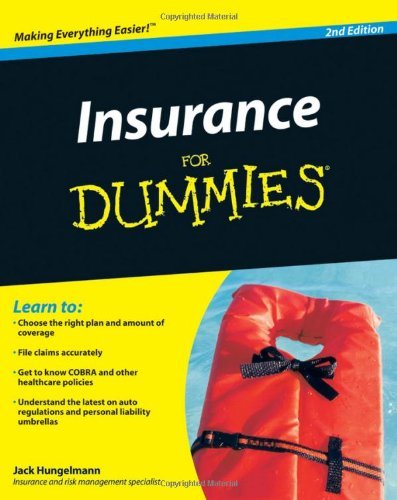
Insurance For Dummies?: Hungelmann, Jack
Whether you’re a homeowner or ... need on: ... Author Jack Hungelmann <strong>uses his twenty-five years of experience in the insurance industry to make buying insurance as simple as possible</strong>
Check Price on Amazon- Personal Injury Protection (PIP) — $10,000 minimum. PIP covers your medical bills and a portion of lost wages after a crash, regardless of fault.
- Property Damage Liability (PDL) — $10,000 minimum. PDL pays for damage you cause to someone else’s vehicle or property.
A few key points to understand:
- Bodily Injury Liability (BIL) is not required for most drivers in Florida. BIL pays for injuries you cause to others. Even though it’s optional for many, most drivers should carry it because medical costs and legal claims can be large.
- Uninsured/Underinsured Motorist (UM/UIM) coverage is optional but very valuable in Florida, where uninsured driver rates are typically high. UM/UIM helps if you’re hit by a driver with little or no insurance.
- Collision and Comprehensive are optional. Collision covers your car if it’s damaged in a crash. Comprehensive covers non‑collision events like theft, vandalism, hail, fallen trees, and flood. In Florida’s hurricane season, comprehensive is what protects your car from storm damage and flooding.
- Proof of insurance must be maintained continuously while your car is registered in Florida. A lapse can trigger license plate/registration suspension and fees.
- SR‑22/FR‑44 filings: After certain violations, the state may require proof of higher liability limits. For DUIs, Florida typically requires an FR‑44 filing with significantly higher limits (often 100/300/50) for about three years. For other serious violations/accidents, an SR‑22 may be required. Requirements vary by situation and can change—verify with the Florida Department of Highway Safety and Motor Vehicles (FLHSMV).
If you want a refresher on what each coverage does, this quick primer can help: Understanding Auto Insurance Coverage Types.
How no‑fault (PIP) works in Florida
- PIP generally pays 80% of reasonable medical expenses and 60% of lost wages up to your $10,000 limit, after your PIP deductible (the amount you pay out of pocket before insurance pays) if you selected one.
- 14‑day rule: To access PIP benefits, you typically must seek initial medical care within 14 days of the crash.
- “Emergency Medical Condition” (EMC): If a provider determines you have an EMC, you can usually access the full $10,000 limit. Without an EMC, PIP benefits may be capped at $2,500.
- Pain and suffering claims: Because Florida is no‑fault, you generally can pursue pain and suffering from the at‑fault driver only if you meet the serious injury threshold defined in Florida law.
Recommended coverage levels for Florida drivers
Minimums rarely protect your finances after a serious crash. Many Florida drivers consider:
- BIL: $100,000 per person / $300,000 per accident (or higher)
- PDL: $50,000 (or higher)
- UM/UIM: Match your BIL limits if possible; consider stacking UM if you insure multiple vehicles. “Stacking” allows higher combined limits if more than one car is on the policy (ask your insurer how it works).
- Collision/Comprehensive with deductibles you could comfortably pay today (e.g., $500–$1,000). Remember: comprehensive typically covers hurricane and flood damage to your vehicle.
Note: Florida law often requires zero deductible for windshield repair/replacement when you carry comprehensive. Check your policy terms.
Average car insurance rates in Florida by age, vehicle, and driving record
Rates vary widely by city, driver profile, and insurer. Florida is consistently among the most expensive states due to high claim frequency and severity, litigation costs, weather events, and a large share of uninsured drivers. The examples below are ballpark estimates to help you budget; your actual price will differ.
- Good driver, age 35, full coverage: $2,200–$3,200 per year in much of Florida; $3,500–$5,000 in higher‑risk ZIP codes like parts of Miami‑Dade.
- Minimum required coverage (PIP + PDL): $1,100–$1,800 statewide; often $2,000+ in South Florida.
- Age 20, clean record, full coverage: $4,000–$6,000. Younger drivers pay more due to limited driving history.
- Age 60, clean record, full coverage: $1,900–$2,700, depending on location and vehicle.
- At‑fault accident (recent): Premiums typically rise 25%–50% for three to five years, depending on severity and your insurer.
- DUI with FR‑44: Full coverage can jump to $4,500–$8,000+ in many areas due to higher required limits and surcharge.
Vehicle differences (typical impacts):
- Safe, older sedan (e.g., 2014 Toyota Camry): Often among the least expensive to insure; parts are common and repair costs moderate.
- Newer SUV with advanced safety features: Sometimes lower liability rates thanks to safety tech, but higher comprehensive/collision due to repair costs and sensors.
- Sports car or high‑horsepower model: Higher premiums because of speed, theft appeal, and expensive parts.
- Electric vehicle: Mixed. Lower maintenance but higher collision/comprehensive due to pricier parts and specialized repair networks.
City snapshot (tendencies, not quotes):
- Miami / Hialeah: Among the highest premiums in the state.
- Tampa / Orlando: High but generally less than Miami‑Dade.
- Jacksonville / Tallahassee / Pensacola: Typically lower than South/Central Florida.
Factors that affect Florida auto insurance premiums
Insurers price risk using many variables approved by regulators. In Florida, common factors include:
- Location and garaging ZIP: Claim frequency, theft rates, weather exposure, and legal environment vary by area.
- Driving record: Tickets, at‑fault crashes, and DUIs raise rates; major violations have the biggest impact.
- Mileage and usage: Long commutes and rideshare/commercial use cost more.
- Vehicle type and repair costs: Luxury and high‑tech models can be pricey to fix.
- Coverage and deductibles: Higher limits and lower deductibles increase premiums; raising deductibles can help lower costs.
- Credit‑based insurance score: Florida allows its use; better credit generally means lower rates, with exceptions.
- Age and driving experience: Teens and new drivers pay more due to limited history.
- Prior insurance and lapses: Continuous coverage typically earns better pricing; lapses can trigger fees and surcharges.
- Claims history: Multiple claims—especially at‑fault or large comprehensive claims—can push rates higher.
- Discounts and telematics: Safe‑driver programs and bundling policies can make a noticeable difference.
How to compare and get the cheapest auto insurance in Florida
If your goal is the cheapest rate that still protects you well, here’s a simple roadmap.
What to look for when you compare quotes
- Liability limits that match your assets and risk tolerance. In Florida, consider at least 100/300/50 plus UM/UIM.
- PIP options: Review PIP deductible (often $250–$1,000) and whether you want to add Medical Payments (MedPay) to help cover the 20% gap PIP doesn’t pay.
- Comprehensive and collision: Choose deductibles you can afford today. Consider a lower comprehensive deductible in hurricane season.
- UM/UIM and stacking: Especially valuable given Florida’s uninsured rate. Ask about stacked vs. non‑stacked UM/UIM if you have multiple cars.
- Repair options: OEM parts endorsements, choice of shop, and rental reimbursement if you’d need a car while yours is in the shop.
- Telematics availability: Usage‑based programs can reward gentle braking, lower mileage, and daytime driving.
- Claims reputation and glass handling: Florida windshield claims are common—ask how your insurer manages calibration costs for ADAS systems.
Ways to reduce your premium without gutting coverage
- Bundle auto with home or renters for a multi‑policy discount.
- Raise collision/comprehensive deductibles modestly (for example, from $500 to $1,000) to reduce premiums; keep an emergency fund to cover it.
- Take a defensive driving course if you’re 55+ and eligible for the mature driver discount.
- Add a PIP deductible if you can comfortably pay small medical bills; this typically lowers the premium.
- Enroll in a telematics program and drive gently for a potential discount.
- Ask about good student, multi‑car, and paperless/autopay discounts.
- Shop insurers after life events (move, marriage, new job with shorter commute) and at every renewal—rates change frequently.
The fastest way to see your real price is to compare quotes from 3–5 carriers. You can start here: Car Insurance Quotes: Compare Rates & Get Personalized Quotes Fast.
For more savings tactics, this guide has practical tips: Cheap Auto Insurance: How to Lower Your Premiums & Get Quotes.
Pro tip: Local help can be worth it
Independent agents in Florida work with multiple carriers and can explain PIP, UM stacking, and hurricane risk trade‑offs in plain English. If you want someone nearby, try: Car Insurance Near Me: Compare Local Quotes & Find Agents Fast.
Note: For personalized advice about your situation, speak with a licensed Florida insurance agent.
Florida‑specific discounts and savings opportunities
Insurers in Florida offer many of the usual discounts, plus a few that are especially relevant locally:

Optimus 2.0 GPS Tracker for Vehicles, Assets, People - 4G LTE - Real-Time GPS Tracking Device - Instant Alerts : Electronics
View on Amazon- Mature driver (55+) defensive driving: Completing a state‑approved course often earns a multi‑year discount. Ask your insurer which courses they accept.
- Good student: Full‑time students with qualifying GPAs typically save.
- Driver training for new drivers: Teen drivers who complete approved courses may see lower premiums.
- Telematics/safe‑driver programs: Can be significant if you avoid hard braking and nighttime driving.
- Multi‑car and multi‑policy: Add vehicles or bundle with home/renters/condo insurance.
- Anti‑theft devices and vehicle recovery systems: Often reduce comprehensive premiums.
- PIP deductible: Selecting a higher PIP deductible usually lowers your premium (just be sure you can pay it if you need care).
- Paid‑in‑full, paperless, and autopay: Small but easy savings.
- Affinity discounts: Certain employers, alumni groups, and associations partner with insurers; ask if you qualify.
Filing a claim in Florida: what to expect
When something happens, here’s how the process typically goes:
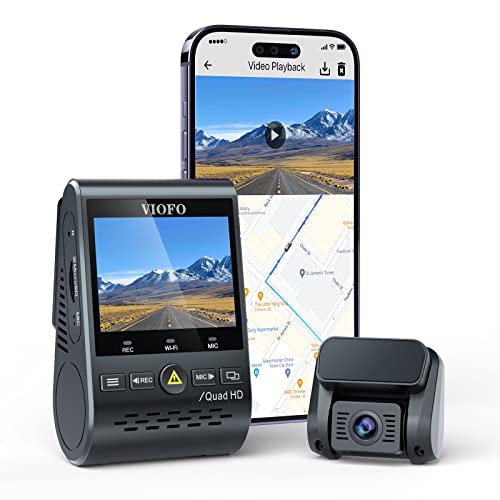
VIOFO Dual Dash Cam, 2K 1440P 60fps+1080P 30fps Front and Rear Dash Camera with Wi-Fi GPS, Parking Mode, Emergency Recording, Super Capacitor, Motion Detection (A129 Plus Duo) : Electronics
View on Amazon- Safety first and documentation
- Call 911 if needed. Exchange info and take photos/videos of all vehicles, locations, and injuries. Get witness names.
- Notify your insurer promptly
- Most policies require “prompt notice.” Share the police report number if you have one. Ask about next steps for PIP, repairs, and rental coverage.
- Seek medical care within 14 days
- To tap into PIP benefits, you usually must see a provider within 14 days. If an Emergency Medical Condition is diagnosed, you can typically access the full $10,000.
- Repairs and total loss
- If you have collision, your insurer will estimate repairs or declare a total loss based on the car’s actual cash value (ACV). Florida uses a total‑loss formula rather than a fixed percentage; the decision depends on repair costs, ACV, and salvage value.
- Windshield and glass
- With comprehensive coverage, Florida law often requires no deductible for windshield repairs/replacements. Calibration for modern safety systems may be part of the claim—ask your adjuster about approved shops.
- Liability and UM/UIM claims
- If you’re not at fault and your injuries meet Florida’s tort threshold, you can make a liability claim against the other driver. If they’re uninsured or underinsured, your UM coverage may step in.
- Diminished value
- After a not‑at‑fault crash, you may pursue diminished value from the at‑fault party’s insurer (how much less your car is worth post‑repair). First‑party DV claims depend on your policy language.
- Timelines and legal changes
- Florida shifted to a modified comparative negligence standard in 2023; if you’re more than 50% at fault in many cases, you may be barred from recovering damages from others. The statute of limitations for negligence claims is generally two years (was four). This is legal context, not legal advice—consult an attorney for your situation.
Keep receipts for medical care, towing, and rentals. Stay responsive to your adjuster to keep the claim moving.
FAQ: common questions about Florida car insurance
Is Florida a no‑fault state?
Yes. Your PIP coverage pays certain medical costs and a portion of lost wages after a crash, regardless of fault, up to your limit.
What are the minimum auto insurance requirements in Florida?
$10,000 PIP and $10,000 Property Damage Liability. BIL and UM/UIM are optional for most drivers, but widely recommended.
Do I really need Bodily Injury Liability if it’s not required?
In most cases, yes—it’s smart. Without BIL, you could be personally responsible for injuries you cause. Many Floridians choose at least 100/300 limits.
How much does auto insurance in Florida cost?
Florida is among the priciest states. A 35‑year‑old good driver often sees $2,200–$3,200 per year for full coverage outside South Florida. Minimum coverage is cheaper but offers much less protection. Your rate will vary.
What if I let my insurance lapse?
Florida can suspend your registration/plates if your PIP/PDL lapses. Reinstatement fees and SR‑22/FR‑44 filings may apply in some cases. Keep continuous coverage while your vehicle is registered.
I drive for Uber/Lyft—what coverage do I need?
Transportation network companies provide limited coverage when the app is on, with higher limits during a trip. Consider a rideshare endorsement to close gaps when you’re waiting for a ride request.
Does comprehensive cover hurricanes and flooding?
Typically yes. Comprehensive usually covers wind, hail, falling objects, and flood water damage to your car. Choose a deductible you can afford during storm season.
Are windshield replacements free in Florida?
If you carry comprehensive, Florida law typically requires insurers to waive the deductible for windshield repairs/replacements. Check your policy for details and network shop options.
What is FR‑44 and when is it required?
FR‑44 is a certificate proving you carry higher liability limits—commonly required after a DUI in Florida. It generally lasts about three years. Limits and duration are set by law and your specific case; confirm with FLHSMV and your insurer.
Ready to see what you’d actually pay? The quickest next step is to compare quotes from 3–5 insurers and line up the coverage you want. Start here: Car Insurance Quotes: Compare Rates & Get Personalized Quotes Fast or browse broader options: Insurance Quotes: Compare & Get Accurate Quotes Fast.
If you prefer tailored guidance, a licensed Florida agent can review your situation—PIP choices, UM stacking, hurricane risk—and help you fine‑tune coverage.
Recommended Resources
Insurance For Dummies?: Hungelmann, Jack
Whether you’re a homeowner or ... need on: ... Author Jack Hungelmann <strong>uses his twenty-five years of experience in the insurance industry to make buying insurance as simple as possible</strong>
VIOFO Dual Dash Cam, 2K 1440P 60fps+1080P 30fps Front and Rear Dash Camera with Wi-Fi GPS, Parking Mode, Emergency Recording, Super Capacitor, Motion Detection (A129 Plus Duo) : Electronics
Buy VIOFO Dual Dash Cam, 2K 1440P 60fps+1080P 30fps Front and Rear Dash Camera with <strong>Wi-Fi GPS, Parking Mode</strong>, Emergency Recording, Super Capacitor, Motion Detection (A129 Plus Duo): On
Optimus 2.0 GPS Tracker for Vehicles, Assets, People - 4G LTE - Real-Time GPS Tracking Device - Instant Alerts : Electronics
Amazon.com: Optimus 2.0 GPS Tracker for Vehicles, Assets, People - 4G LTE - Real-Time GPS Tracking Device - Instant Alerts : Electronics
Related Articles
- Cheapest Car Insurance in Florida: Compare Quotes & Save
- Home Insurance in Florida: Coverage, Costs & Best Companies
- Home Insurance in Florida: Quotes, Costs & Hurricane Tips
- Auto Insurance in Minnesota: Rates, Requirements & How to Save
- Best Home Insurance in Florida: Top Companies & How to Save
- Auto Insurance in Arizona: Rates, Requirements & How to Save
- Auto Insurance in Georgia: Rates, Requirements & How to Save
- Auto Insurance in Michigan: Rates, Requirements & How to Save