
Home Insurance in Florida: Quotes, Costs & Hurricane Tips
You’re shopping for home insurance and the quotes in Florida feel sky‑high. Is that normal—and what actually matters in your decision? If you’re comparing “home insurance Florida” options, here’s a clear, practical guide to coverage, hurricane deductibles, flood and sinkhole risks, Citizens Property Insurance, and how to get reliable quotes without overpaying.
Before we dive in: rates and availability change quickly in Florida. The fastest way to see what you’d actually pay is to compare quotes from 3–5 carriers, and—when possible—work with a licensed Florida agent who can explain how each policy handles hurricanes, roofs, and water damage.
Home Insurance Florida: What It Covers (and What It Doesn’t)
Florida homeowners insurance typically bundles five core protections. Insurers may label them by coverage letters (A through E). Here’s what each does, in plain English:
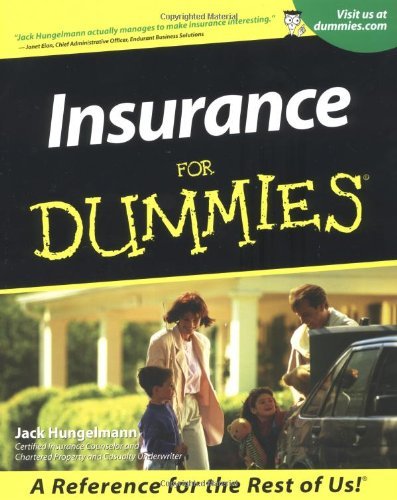
Insurance for Dummies: Hungelmann, Jack
<strong>Manage life, health, and disability risks</strong> ― explore individual and group policies, understand Medicare basics, and evaluate long-term disability and long-term-care insurance ...
Check Price on Amazon- Dwelling (Coverage A): Pays to repair or rebuild the structure of your home after a covered peril (a cause of loss your policy protects against), like fire, wind, or lightning. Aim for replacement cost coverage (rebuild value today) rather than actual cash value (depreciated amount).
- Other Structures (Coverage B): Covers things not attached to the home—fences, sheds, detached garages—often 10% of Coverage A by default. You can adjust this limit.
- Personal Property (Coverage C): Your stuff—furniture, clothes, electronics—at replacement cost (new-for-old) if you add the endorsement, or actual cash value otherwise. High-value items (jewelry, watches, collectibles) usually need to be “scheduled” (listed) for full protection.
- Loss of Use (Coverage D): Pays for temporary living expenses if a covered loss makes your home uninhabitable—hotel, short-term rental, extra meals.
- Personal Liability (Coverage E): Protects you if you’re legally responsible for injuries or damage to others, on or off your property. Also covers your legal defense. Many Floridians choose at least $300,000 to $500,000.
Common exclusions and gotchas to watch for in Florida:
- Flood: Rising water from outside your home is excluded. You’ll need separate flood insurance (either NFIP or private) to cover storm surge, heavy rain flooding, or king tides.
- Earth movement: Includes sinkholes and settling. Catastrophic ground cover collapse may be included in Florida, but broader sinkhole coverage is often optional (more on that below).
- Wear and tear, maintenance: Gradual damage (like slow roof leaks or rust) isn’t covered.
- Water backup: Water backing up through sewers or drains requires an endorsement (add-on coverage) with a chosen limit.
- Roof surface/ACV limitations: Some Florida policies offer actual cash value (depreciated) payment for older roofs or use “roof surfacing payment schedules.” Ask point‑blank how your roof would be paid.
If you want a deeper dive on standard coverages beyond Florida-specific twists, this primer helps: What Does Home Insurance Cover?
Hurricane, Windstorm, and Hurricane Deductibles in Florida
Here’s where Florida home insurance works differently—and where most surprises happen at claim time.
- Hurricane deductible: A separate, typically higher deductible that applies to hurricane losses. It’s often a percentage of your Coverage A limit—commonly 2%, 5%, or 10%—though some insurers may offer a flat dollar option. Example: With $400,000 in Coverage A and a 2% hurricane deductible, you’d pay the first $8,000 of covered hurricane damage out of pocket.
- Trigger timing: In most cases, the hurricane deductible applies when a hurricane watch or warning is issued by authorities for any part of Florida and can remain in effect until 72 hours after it’s lifted. Exact triggers vary by policy—read the definition in your contract.
- One-per-season concept: Many Florida policies apply the hurricane deductible once per calendar year. If multiple named-storm events hit in the same season, you may only pay the hurricane deductible once. Confirm your policy’s wording.
- Wind/hail (non‑hurricane) deductible: Separate from the hurricane deductible, this may be a flat or percentage deductible that applies to non-hurricane windstorms and hail.
Tips to choose the right hurricane deductible:
- Don’t just pick the lowest premium: A 5% or 10% deductible can save money up front but be painful in a claim. If your rebuild value is $600,000, a 5% hurricane deductible is $30,000.
- Check lender requirements: Some lenders cap hurricane deductibles (for example, at 2%), especially for federally backed loans.
- Know the clock: If a named storm is approaching, insurers often pause changes or new policies. Adjust deductibles before hurricane season ramps up.
Flood, Sinkhole, and Other Florida-Specific Risks
- Flood insurance (NFIP vs. private): Standard home insurance excludes flood. The National Flood Insurance Program (NFIP) offers coverage up to $250,000 for the structure and $100,000 for contents, with fixed deductibles and certain limitations (like no Additional Living Expenses). Private flood insurers may offer higher limits, replacement cost on contents, and loss of use—but availability and pricing vary by zone and home characteristics.
- When to consider: If you’re in a Special Flood Hazard Area (high‑risk FEMA zone), your lender will usually require flood insurance. Even outside high‑risk zones, heavy rain and storm surge can flood homes. In Florida, many claims occur outside mandatory zones.
- Sinkhole coverage: Florida policies typically include “catastrophic ground cover collapse,” which has a very strict definition (the building must be condemned and unsafe to occupy). Broader sinkhole coverage—paying for structural damage that doesn’t meet that threshold—is usually optional and subject to inspection and higher deductibles. If your area has a history of sinkholes or your foundation shows concerning signs, talk to an agent about this.
- Ordinance or law (building code) coverage: After a storm, you may need to rebuild to current codes. This coverage pays the extra cost to meet updated codes. Florida homes often benefit from a 25% or 50% limit—ask your agent what’s typical for your county and construction type.
- Water backup and equipment breakdown: Popular add‑ons in Florida. Water backup covers sump/sewer backups; equipment breakdown can help with sudden failure of large systems (HVAC, appliances) not caused by wear and tear.
How Florida Insurers Set Rates: What Drives Your Premium
Florida rates reflect hurricane exposure, litigation history, and reinsurance costs—plus your home’s specific risk profile. Here are the big levers you can actually influence:

YoLink Water Leak Starter Kit: Hub + 4 Leak Sensor 1 (Silent), LoRa Long-Range, App/SMS/Email Alerts, D2D Offline Triggers, 2 AAA Up to 5-Year Battery, Compatible with Alexa/IFTTT/Home Assistant - Amazon.com
View on Amazon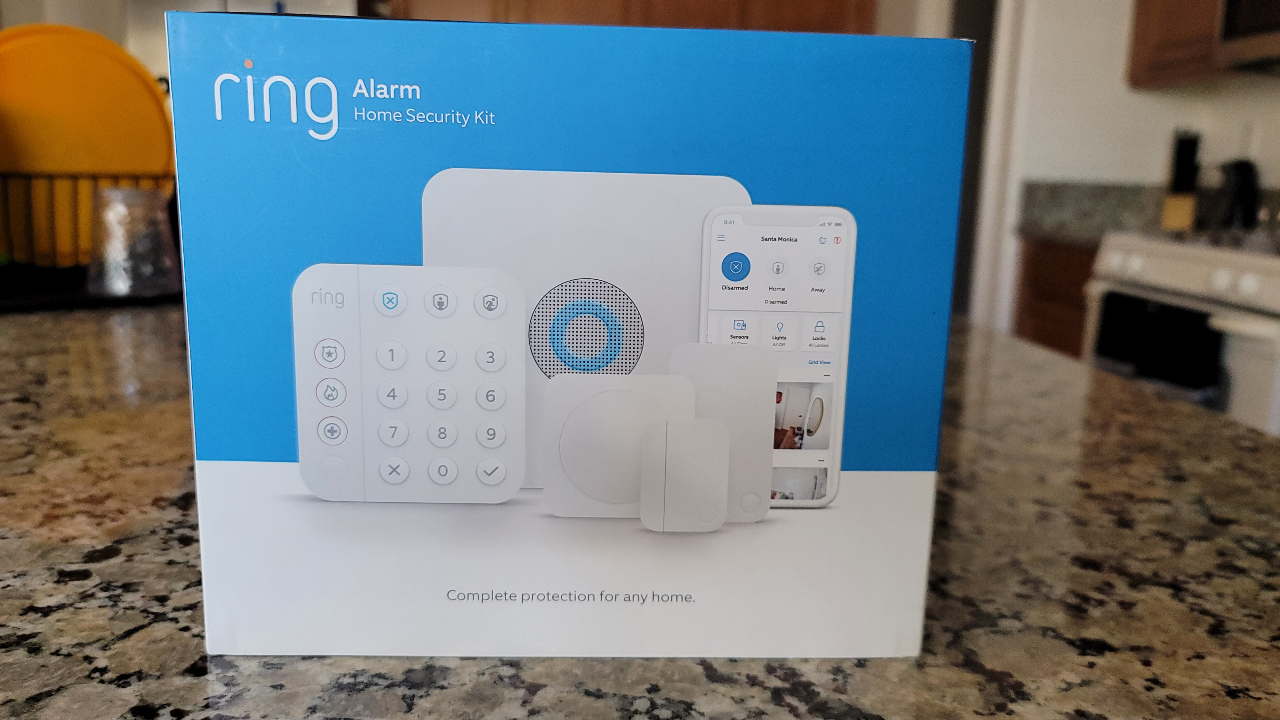
Ring Alarm 8-piece kit (2nd Gen) – home security system
View on Amazon- Roof age and type: Newer roofs, hip roof shapes, and wind‑rated shingles usually score better. Tile and metal perform well but can be costly to replace. A roof over 15–20 years may limit your options or lead to actual cash value settlement on roof surfaces unless you upgrade.
- Location: Distance to coast and large bodies of water, elevation, and wind zones all matter. A home 10 miles inland can be rated very differently than one on the beach.
- Construction: Concrete block (masonry) often fares better than wood frame in windstorms. Roof decking type, nail patterns, and secondary water resistance can earn credits.
- Claims history: Multiple or recent claims—even small water claims—tend to raise rates or restrict markets. A clean 5‑year history helps.
- Protective devices: Monitored alarms, shutters, impact‑rated windows/doors, and water leak sensors may earn credits.
- Policy features: Higher hurricane/wind deductibles reduce premium. Endorsements like water backup or scheduled jewelry increase it.
Real‑world examples (estimates, not offers—rates vary):
- 2005-built, 2,000 sq. ft. concrete block home in Orlando, 10‑year architectural shingle roof, $400,000 Coverage A, 2% hurricane deductible: Many shoppers in recent years have seen ranges around $3,000–$6,000 annually, depending on credits and carrier appetite.
- Similar home in coastal Broward or Miami‑Dade with impact windows and hip roof: You might still see $4,500–$8,500+, with impact and wind mitigation credits helping.
- 1998 frame home in Tampa Bay with a 22‑year roof and no wind mitigation report: Options can be limited and premiums materially higher until the roof is replaced and credits documented.
For more context on Florida carriers and current pricing trends, this page stays up to date: Home Insurance in Florida: Coverage, Costs & Best Companies
Wind Mitigation Discounts and Key Florida Endorsements
A wind mitigation inspection is a short home inspection focused on features that reduce wind damage. It’s not a pass/fail—its goal is to verify credits that lower your premium. Typical credits include:
- Roof deck attachment: How the decking is nailed to trusses (8d nails, nail spacing). Better attachment can mean meaningful savings.
- Roof‑to‑wall connection: Clips, single/double wraps (metal straps) that tie the roof to walls. Straps are a big deal for discounts.
- Secondary water resistance (SWR): Underlayment that helps keep water out if shingles blow off.
- Opening protection: Impact‑rated windows/doors and hurricane shutters. Document everything to capture full credit.
Smart Florida endorsements to discuss with your agent:
- Replacement cost on contents: Ensures your personal property is covered at new-for-old pricing, not depreciated.
- Water backup: Choose a limit that actually matches cleanup/replacement costs in your area (many homes need at least $10,000–$25,000).
- Increased ordinance or law: 25% or 50% is common for older homes; higher rebuild standards can drive big costs.
- Screened enclosure coverage: If you have a lanai or pool cage, standard policies may limit or exclude it—ask for the right endorsement.
Pro tip: Credits only count when documented. If you’ve upgraded your roof or added impact windows, provide receipts, permits, and your wind mitigation report.
Citizens Property Insurance and Your Alternatives
Citizens Property Insurance Corporation is Florida’s state‑backed “insurer of last resort.” Homeowners often end up with Citizens when:
- Private insurers aren’t offering coverage in their area or for their home profile (older roof, coastal location, multiple claims), or
- A private alternative quote is significantly more expensive than Citizens (eligibility rules apply and can change; carriers and regulators may require you to accept a private offer within a certain percentage of Citizens’ premium).
What to know if you’re considering Citizens:
- Coverage differences: Citizens can be more restrictive on water damage, personal property replacement, or screened enclosures. Review limits and exclusions carefully.
- Flood requirement: Citizens increasingly requires flood insurance even outside high‑risk zones, phased in over time. Expect to maintain a separate flood policy.
- Depopulation/assumptions: Private insurers may “take out” (assume) Citizens policies. You can often choose to stay or move—compare coverages, not just price.
How to switch out of Citizens later:
- Shop before renewal and after major upgrades (new roof, impact windows, updated plumbing). New credits can make private markets more competitive.
- Ask a broker to remarket your policy across admitted and strong surplus‑lines carriers. Have your wind mitigation and 4‑point inspections ready.
How to Compare Quotes and Choose the Right Policy
Here’s the practical checklist to compare home insurance in Florida apples‑to‑apples:
Coverage and limits
- Coverage A (dwelling) should match a realistic rebuild cost today, not your mortgage balance. Confirm the estimator assumptions (square footage, construction type, roof).
- Personal property: Choose replacement cost on contents when possible.
- Liability: Many Floridians opt for $300,000–$500,000. If you have a pool, dog, or significant assets, consider higher limits or an umbrella policy.
- Loss of use: Make sure the limit is enough for hotels or a short‑term rental in your area’s post‑storm market.
Deductibles and hurricane handling
- Hurricane deductible: Percentage (2%, 5%, 10%) or flat dollar? Confirm trigger wording and whether it’s once per season.
- All-other-perils (AOP) deductible: Typical flat amount ($1,000–$5,000). Higher AOP lowers premium but shifts more day‑to‑day risk to you.
- Wind/hail deductible if separate: Is it percentage‑based outside of hurricanes?
Key Florida endorsements
- Ordinance or law: 25% or 50% limit for code upgrades.
- Water backup: Pick a limit that fits your risk.
- Screened enclosure and solar: Covered, excluded, or limited?
- Special roof terms: Any ACV or roof payment schedule? Ask for a sample calculation on your roof’s age.
Insurer quality and service
- Financial strength and reinsurance: Look for carriers with solid ratings and Florida hurricane experience.
- Claims reputation: Ask how they handled Ian or Irma. Response time matters when an entire region files claims.
- Availability of mitigation discounts: Do they fully credit your wind mitigation report and impact openings?
Pricing strategy
- Request quotes with two hurricane deductibles (for example, 2% and 5%) and see savings versus risk.
- Quote both NFIP and private flood if you need flood—compare total package cost and coverage.
If you want a shortlist of carriers that are currently competitive by region and home type, this page is a helpful starting point: Best Home Insurance in Florida: Top Companies & How to Save
CTA — Ready to see real numbers? Comparing quotes from 3–5 carriers is typically the fastest way to find savings without sacrificing hurricane coverage. Gather the documents below and ask an agent to price out multiple options side‑by‑side.
Step-by-Step: Get Quotes and Your Next Moves
What to prepare before you shop
- Prior policy declarations page: Shows your current coverages and deductibles.
- Wind mitigation inspection (and 4‑point inspection for older homes): These unlock discounts and, for some carriers, are required.
- Roof documentation: Age, material, permits for replacement, any secondary water resistance.
- Home details: Square footage, year built, construction type (block/frame), updates to plumbing, electric, HVAC.
- Safety features: Monitored alarm, water leak sensors, impact glass, shutters.
- Photos: Roof, openings, and any upgrades help underwriters decide quickly.
- Claims history: Dates, types, and amounts paid. Being upfront avoids surprises later.
- Flood details (if applicable): Elevation certificate, flood zone, prior flood losses.
Questions to ask a Florida agent
- How is my roof paid—replacement cost or actual cash value? Any roof payment schedule?
- What are my hurricane and wind/hail deductibles, and when do they trigger?
- Is ordinance or law coverage set at 25% or 50%? What do you recommend for my county?
- Do I need separate flood insurance? Quote both NFIP and private, and explain the differences in coverage.
- What wind mitigation credits am I getting, and how much would I save with impact windows or a new roof?
- Are screened enclosures, solar panels, and pool equipment fully covered?
- Are there water damage sublimits or a water backup endorsement I should add?
Your action plan
- Decide your risk tolerance for deductibles: Price both 2% and 5% hurricane deductibles, and a couple of AOP deductibles. Make sure you can cover the out‑of‑pocket amount you pick.
- Set realistic rebuild values: Confirm Coverage A using your insurer’s estimator—and your contractor or agent’s local knowledge.
- Lock in mitigation: If replacing a roof, ask your roofer to install deck nailing and secondary water resistance that qualify for credits. Keep documentation.
- Compare total package cost: Add home + flood + any important endorsements. Cheaper base premium can be eclipsed by pricey flood or omitted coverages.
- Re‑shop after upgrades: New roof, impact windows, or updated systems? Requote. Credits can be substantial.
For a broader shopping walkthrough beyond Florida’s unique rules, try our step‑by‑step: Home Insurance Guide 2026 — Compare Quotes, Coverage & Costs
Real-World Mini Scenarios
- You’re a 35‑year‑old homeowner in Jacksonville with a 2004 concrete block home, $350,000 Coverage A, hip roof, and shutters. With a 2% hurricane deductible, quotes might cluster around the mid‑$3,000s to low‑$5,000s. Bumping to 5% might shave several hundred dollars—but be sure you can handle a $17,500 storm deductible.
- In Naples, a 1995 home with a 20‑year shingle roof gets limited offers and roof ACV in some quotes. Replacing the roof and adding SWR could open up more carriers and cut $1,000+ from premium in many cases.
- In Broward, two similar homes differ only by impact windows. The impact‑equipped home often gets stronger credits, lower premiums, and sometimes better deductibles.
What Insurers Don’t Always Tell You
- Roof terms can change the math: A low premium with ACV roof settlement may cost more after a storm than a higher premium with full replacement cost.
- Percentage deductibles are big numbers: Always calculate the dollar amount and set aside emergency funds.
- Flood isn’t just for coastal homes: Inland rainfall and clogged drainage cause plenty of claims. One heavy band from a slow‑moving storm can flood streets far from the beach.
- Documentation equals discounts: Without a wind mitigation report and receipts, carriers assume fewer credits.
Note: This guide is educational. For advice tailored to your situation, speak with a licensed Florida insurance agent. Actual eligibility, coverages, and rates vary by insurer, home features, and your location.
CTA — Get started: Pull your current policy, book a quick call with a Florida agent, and request quotes from at least three carriers—ideally with two hurricane deductible options and both NFIP and private flood if you’re exposed.
Recommended Resources
Insurance for Dummies: Hungelmann, Jack
<strong>Manage life, health, and disability risks</strong> ― explore individual and group policies, understand Medicare basics, and evaluate long-term disability and long-term-care insurance ...
Ring Alarm 8-piece kit (2nd Gen) – home security system
<strong>24/7 Professional Monitoring</strong> If a break-in or emergency is detected, we’ll request emergency response.² <strong>24/7 Professional Monitoring</strong> · If a break-in or emergency is d
YoLink Water Leak Starter Kit: Hub + 4 Leak Sensor 1 (Silent), LoRa Long-Range, App/SMS/Email Alerts, D2D Offline Triggers, 2 AAA Up to 5-Year Battery, Compatible with Alexa/IFTTT/Home Assistant - Amazon.com
YoLink Water Leak Starter Kit: <strong>Hub + 4 Leak Sensor 1 (Silent), LoRa Long-Range, App/SMS/Email Alerts, D2D Offline Triggers, 2 AAA Up to 5-Year Battery, Compatible with Alexa/IFTTT/Home Assista
Related Articles
- Home Insurance in Florida: Coverage, Costs & Best Companies
- Best Home Insurance in Florida: Top Companies & How to Save
- Auto Insurance in Florida: Rates, Requirements & How to Save
- Life Insurance in Florida: Coverage Options, Costs, and How to Choose
- Cheapest Car Insurance in Florida: Compare Quotes & Save
- Home Insurance in South Carolina: Coverage, Costs & Best Companies
- Home Insurance in Colorado: Coverage, Costs & Best Companies
- Home Insurance in Alabama: Coverage, Costs & Best Companies