
Auto Insurance in Minnesota: Rates, Requirements & How to Save
You just pulled a few quotes for auto insurance in Minnesota and the numbers feel all over the place. Is that normal? Yes. Minnesota is a no-fault state with a few unique rules, and those details—plus your age, car, and driving history—can swing your price quite a bit. Here’s what actually matters when choosing coverage in Minnesota and how to pay a fair rate for the protection you need.
Minnesota auto insurance requirements and minimum coverage
Minnesota is a no-fault state. That means if you’re hurt in a crash, your own policy’s Personal Injury Protection (PIP) pays first, no matter who caused the accident.
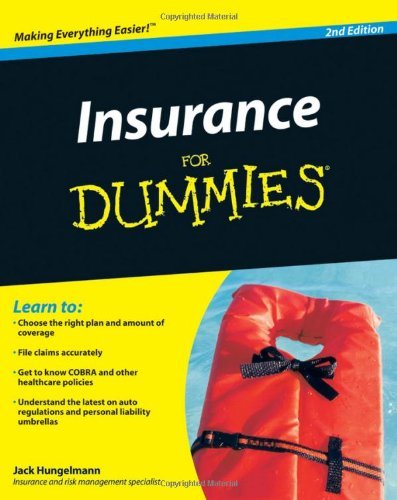
Insurance For Dummies?: Hungelmann, Jack
Whether you’re a homeowner or ... need on: ... Author Jack Hungelmann <strong>uses his twenty-five years of experience in the insurance industry to make buying insurance as simple as possible</strong>
Check Price on AmazonState-required minimums (you can choose higher limits):
- Personal Injury Protection (PIP): $40,000 per person per accident total, typically split as $20,000 for medical expenses and $20,000 for non-medical (lost wages, replacement services, funeral). PIP helps with your costs regardless of fault.
- Liability (if you injure others or damage their property):
- Bodily Injury (BI): $30,000 per person / $60,000 per accident
- Property Damage (PD): $10,000 per accident
- Uninsured Motorist (UM): $25,000 per person / $50,000 per accident
- Underinsured Motorist (UIM): $25,000 per person / $50,000 per accident
A few quick definitions you’ll see when shopping:
- Deductible: the amount you pay out of pocket before insurance kicks in on comprehensive or collision claims (for example, a $500 deductible).
- Liability coverage: pays for injuries or damage you cause to others. It never pays for your car.
- Comprehensive: covers non-collision events like hail, theft, vandalism, or hitting a deer.
- Collision: covers damage to your car from a crash, regardless of fault.
What we typically recommend for many Minnesota drivers, budget allowing:
- Liability: 100/300/50 or higher (that’s $100,000 per person/$300,000 per accident for injuries, and $50,000 for property damage). Medical bills and car prices are high; minimums often aren’t enough.
- PIP: Keep the required $40,000 and consider how your health insurance coordinates. You can increase PIP with some insurers if you want more cushion for lost wages.
- UM/UIM: Match your liability limits if you can, not just the minimums, to protect yourself if the other driver has low coverage.
- Comp and collision: Strongly consider if your car is newer, financed/leased, or you can’t afford to replace it out of pocket.
What “no-fault” really means in Minnesota
Your PIP pays your medical and certain economic losses first, even if another driver caused the crash. You can still pursue a claim against the at-fault driver for pain and suffering and other damages if your injuries meet Minnesota’s legal thresholds (for example, medical expenses above a set dollar amount, a permanent injury, permanent disfigurement, or disability lasting a set number of days). As of publication, one common threshold is more than $4,000 in medical expenses or certain serious injury criteria. Thresholds and definitions can change—ask a licensed agent or attorney how they apply to your situation.
Average car insurance rates in Minnesota by age, vehicle, and driving record
Rates vary by driver, insurer, and even neighborhood. Use these ranges as directional—not guaranteed—examples for a typical driver with average annual mileage and good credit. Actual quotes depend on many factors.
By age (liability-only vs. full coverage)
- 18-year-old in Rochester with a clean record:
- Liability-only: typically $1,800–$3,600 per year
- Full coverage (comp/collision, $500–$1,000 deductibles): typically $3,800–$6,500+ per year
- 25–30-year-old in Duluth with a clean record:
- Liability-only: typically $600–$1,100 per year
- Full coverage: typically $1,400–$2,400 per year
- 40-year-old in St. Cloud with a clean record:
- Liability-only: typically $500–$900 per year
- Full coverage: typically $1,200–$2,000 per year
- 60-year-old in Mankato with a clean record:
- Liability-only: typically $450–$850 per year
- Full coverage: typically $1,100–$1,900 per year
By vehicle type
- New compact SUV (with advanced safety tech): often lower than you’d expect for full coverage due to safety ratings, but higher to repair; $1,300–$2,200 typical for a 30-year-old clean driver.
- Older sedan worth <$6,000: liability-only could be $450–$800; adding comp-only for deer/hail can be affordable.
- Pickup truck: parts and theft rates can push full coverage to $1,500–$2,500 for a 30-year-old.
- EV: great safety features, but repair costs can lift premiums; $1,700–$2,800+ is common for full coverage.
- Certain 2011–2021 Kia/Hyundai models without immobilizers saw theft spikes around Minneapolis–St. Paul; some insurers price these higher unless a theft deterrent/software update is installed.
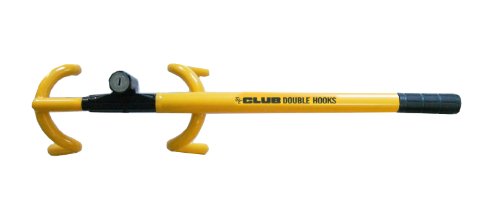
Winner International The Club 3000 Twin Hooks Steering Wheel Lock, Yellow : Automotive
View on AmazonBy driving record
- Clean record: best pricing; see ranges above.
- One speeding ticket (10–14 mph over): often 10–25% higher for 3 years, depending on carrier.
- At-fault accident: commonly adds 20–50% for 3–5 years.
- DUI/OWI: can double or more; full coverage for many drivers lands $3,500–$6,000+ per year. You may also face special proof-of-insurance filing requirements to reinstate your license.
Tip: The fastest way to see what you would actually pay is to compare quotes from 3–5 carriers on the same day with identical coverages and deductibles. Insurers weigh the same facts very differently in Minnesota.
Factors that affect Minnesota auto insurance premiums
- Where you live and park: Premiums are typically higher in denser areas like Hennepin and Ramsey counties than in more rural counties due to higher crash, theft, and litigation frequency.
- Weather and wildlife: Minnesota hail, ice, and deer collisions drive comprehensive and collision claims. If you skip comprehensive, damage from hail or a deer hit isn’t covered.
- Mileage and commute: More miles, more risk. Ask about low-mileage or usage-based programs if you drive less than average.
- Driving history: Tickets, accidents, and DUIs weigh heavily—especially within the last 3–5 years.
- Coverage and deductibles: Higher liability limits and lower deductibles cost more; raising a comp/collision deductible from $500 to $1,000 can noticeably reduce premiums.
- Vehicle specifics: Repair costs, safety ratings, theft risk, and trim level matter. Advanced safety tech can earn discounts, but expensive sensors can raise repair bills.
- Credit-based insurance score: In most cases, insurers in Minnesota use a credit-based score to help price risk. Better credit generally lowers rates, though it’s not the only factor.
- Household composition: Adding a teen can sharply increase premiums; bundling multiple cars and drivers can offset some of that.
- Continuous coverage: A recent lapse in insurance usually raises your price.
How to compare and get the cheapest auto insurance in Minnesota
Here’s how to shop smart—not just cheap—so you don’t end up underinsured.
- Decide on realistic limits first. Many Minnesota drivers are more comfortable with at least 100/300/50 liability and matching UM/UIM. Then pick deductibles you could afford tomorrow.
- Know how your PIP coordinates with health insurance. If your health plan has high deductibles or limited rehab benefits, you may want more robust PIP with some carriers.
- Gather apples-to-apples details: VIN, annual mileage, drivers’ license numbers, prior claims, and your current declarations page (your “dec page” that lists coverages and limits). Use the same info for each quote.
- Get 3–5 quotes the same day. Prices shift constantly. Include a mix of national brands and regional Minnesota-friendly insurers.
- Ask about telematics. Usage-based programs track driving habits (hard braking, time of day) via an app or device. Safe drivers often see 10–30% in potential savings, though results vary.
- Re-shop at renewal and after life changes: moving, adding a teen, paying off a car loan, or improving your credit can all affect price.
Quote-shopping checklist (copy/paste this)
- Liability limits: (target) 100/300/50
- UM/UIM: match liability limits if possible
- PIP: state minimum $40,000 total; ask about options for more wage loss coverage
- Comprehensive: yes/no; deductible $____ (consider $500–$1,000)
- Collision: yes/no; deductible $____ (consider $500–$1,000)
- Rental car and roadside: yes/no, daily limit $____
- Glass coverage: yes/no; full glass options available?
- Discounts verified: bundle, telematics, good student, 55+ course, paperless, pay-in-full, anti-theft
CTA: Want to see your real number? The fastest way to find a good deal on auto insurance in Minnesota is to compare quotes from 3–5 carriers with the same coverage setup. You’ll quickly see who’s most competitive for your exact profile.
Smart coverage tweaks that lower cost (without going bare-bones)
- Raise comp/collision deductibles to $750–$1,000 if you can afford it.
- Drop collision on an older car you could replace out of pocket; keep comprehensive for deer/hail.
- Bundle your home or renters insurance for 10–25% multi-policy savings in many cases.
- If you drive less than 7,500–10,000 miles a year, look for low-mileage or pay-per-mile options.
- Improve your credit over time—it usually helps your premium in Minnesota.
Minnesota-specific discounts and savings opportunities
- 55+ driver safety course discount: Minnesota law requires insurers to offer a premium reduction to drivers 55 and older who complete an approved driver safety course. Typically it’s around 10% for three years; a shorter refresher course is usually required to keep the discount. Ask your insurer for the approved course list.
- Telematics/usage-based programs: Safe driving habits can unlock substantial savings. Some programs provide a sign-up discount immediately, with additional savings at renewal based on your driving.
- Good student: Full-time students with qualifying GPAs often save 10–15%.
- New driver training: Teens who complete approved driver ed can see better pricing than those who don’t.
- Bundling: Home/condo/renters + auto with the same insurer commonly reduces both policies.
- Anti-theft/winter: Active anti-theft systems or immobilizers can earn discounts. Some carriers also reward winter tires or remote start devices—ask what’s available.
- Affinity/professional groups: Public employees, University of Minnesota alumni associations, and certain employers sometimes unlock preferred pricing with select carriers.
- Payment and policy setup: Pay-in-full, auto-pay, paperless delivery, and early shopper discounts can stack.
Discount names and percentages vary by insurer, and not all are available to every customer. Always ask the rep to review every discount you might qualify for.
Filing a claim in Minnesota: what to expect
Here’s the typical flow after a crash in a no-fault state like Minnesota.
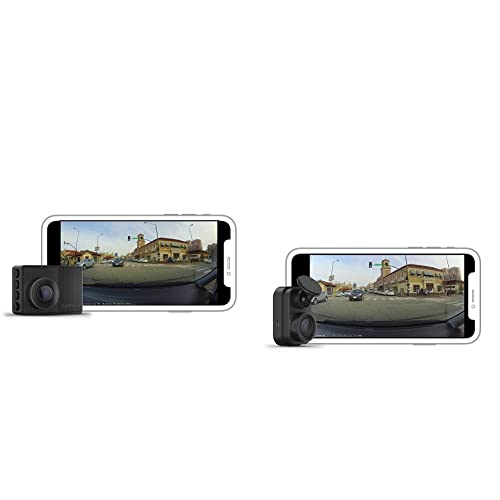
Garmin Dash Cam Mini 2, Tiny Size, 1080p and 140-degree FOV, Monitor Your Vehicle While Away w/ New Connected Features, Voice Control (Renewed) : Electronics
View on Amazon- Safety first and documentation
- Move to a safe spot if possible, check for injuries, and call 911 if needed.
- Exchange information (names, insurer, policy number) and take photos/video of vehicles, the scene, and any relevant road or weather conditions.
- Collect witness contact info if available.
- Notify your insurer and open your PIP claim
- Report the accident to your insurer promptly. Your PIP (Personal Injury Protection) handles your initial medical expenses and certain lost wages—regardless of fault.
- Keep records: medical bills, receipts, missed work dates, and any correspondence. PIP benefits require documentation.
- Vehicle damage claims
- If you carry collision, you can file with your insurer for your car’s damage; if another driver is at fault, their liability insurance should ultimately pay, but using your collision first may be faster.
- Comprehensive covers non-collision events like hail or hitting a deer.
- You have the right to choose your repair shop. Insurers can recommend preferred shops but typically cannot require you to use one.
- If the other driver is at fault
- Once your injuries meet Minnesota’s lawsuit thresholds, you may seek compensation from the at-fault driver for pain and suffering and other damages. If they have low limits or no insurance, your UM/UIM coverage can step in up to your chosen limits.
- Timelines and payments
- Insurers generally must handle claims within specific timeframes after receiving all required information, but the exact clock can vary by situation and policy. If a claim is delayed or denied, you can appeal within the company or seek legal advice.
- Diminished value
- If your car is repaired after an at-fault crash, you may be able to seek “diminished value” (loss of resale value) from the other driver’s insurer. Results vary by case; document pre- and post-accident condition and consider a professional appraisal if the loss is significant.
If you’re injured, consider speaking with a licensed Minnesota attorney. For coverage decisions, a licensed insurance agent can help you understand your options and how your health insurance interacts with PIP.
FAQ: common questions about Minnesota car insurance
Is Minnesota a no-fault state?
Yes. Your PIP pays first for your medical and certain economic losses, regardless of fault. You can still pursue the at-fault driver for non-economic damages if your injuries meet state thresholds.
What are the minimum coverage requirements in Minnesota?
- PIP: $40,000 per person (generally $20,000 medical + $20,000 non-medical)
- Liability: 30/60/10 (BI per person/BI per accident/PD)
- UM/UIM: 25/50 These are legal minimums; many drivers choose higher limits for better protection.
Do I need special proof of insurance after a DUI?
After serious violations, Minnesota may require you to maintain continuous insurance and file proof-of-insurance with the state to reinstate or keep your driving privileges. The Department of Public Safety will specify exactly what’s required. Your insurer or agent can file the necessary documentation.
How does PIP work with my health insurance?
PIP pays first up to its limits. Some policies coordinate with your health plan for medical bills after PIP is exhausted; others treat PIP as primary regardless. Ask your agent to review your policy language so you know which card to hand over at the hospital.
Can I pause coverage if I store a car for the winter or summer?
You can often switch to “storage” or “comprehensive-only” coverage if the car isn’t driven and is kept off public roads, which can lower your premium. Always keep at least comprehensive if you want protection from theft, fire, or hail while it sits.
Is hitting a deer covered in Minnesota?
Yes—by comprehensive coverage, not collision. If you decline comprehensive, deer strikes (and hail) are typically not covered.
How much liability coverage do most Minnesota drivers carry?
It varies, but many choose 100/300/50 or higher because medical bills and newer vehicle repair costs can easily exceed the minimums. Matching UM/UIM to your liability is a smart add-on in most cases.
Need help tailoring this to your life? A licensed agent can walk you through how Minnesota’s no-fault rules and PIP benefits interact with your health insurance and budget.
Ready to see real prices? Compare quotes from 3–5 companies with the same coverages and deductibles. It’s the quickest way to find out who wants your business and how to save without cutting essential protection.
Recommended Resources
Insurance For Dummies?: Hungelmann, Jack
Whether you’re a homeowner or ... need on: ... Author Jack Hungelmann <strong>uses his twenty-five years of experience in the insurance industry to make buying insurance as simple as possible</strong>
Garmin Dash Cam Mini 2, Tiny Size, 1080p and 140-degree FOV, Monitor Your Vehicle While Away w/ New Connected Features, Voice Control (Renewed) : Electronics
Amazon.com: Garmin Dash Cam Mini 2, <strong>Tiny Size, 1080p and 140-degree FOV, Monitor Your Vehicle While Away w/ New Connected Features, Voice Control</strong> (Renewed) : Electronics
Winner International The Club 3000 Twin Hooks Steering Wheel Lock, Yellow : Automotive
The Club'S Patented Self-Locking Feature Locks With One Pull. Keyless Locking, for ease of use ... The Club 3000 Twin Hooks Steering Wheel Lock is <strong>a part of The Club line of quality produ
Related Articles
- Home Insurance in Minnesota: Coverage, Costs & Best Companies
- Auto Insurance in Michigan: Rates, Requirements & How to Save
- Auto Insurance in Mississippi: Rates, Requirements & How to Save
- Auto Insurance in Florida: Rates, Requirements & How to Save
- Auto Insurance in Maryland: Rates, Requirements & How to Save
- Auto Insurance in Alaska: Rates, Requirements & How to Save
- Auto Insurance in Wisconsin: Rates, Requirements & How to Save
- Auto Insurance in Maine: Rates, Requirements & How to Save