
Health Insurance in Florida: Plans, Costs & How to Enroll
You’re shopping for health insurance in Florida and trying to make sense of premiums, networks, and confusing acronyms. Here’s what actually matters, how the Florida marketplace works, what coverage typically costs, and smart ways to compare plans so you don’t overpay or end up with surprise bills.
Note: Rates and rules change year to year. Examples below are typical ranges, not quotes. Your actual costs vary by age, county, income, household size, and insurer underwriting rules. When in doubt, talk to a licensed agent.
Health insurance options in Florida
Florida residents generally have five paths to coverage. The right one for you usually comes down to your job, income, and health needs.
Employer-sponsored coverage (job-based plans)
If your employer offers benefits, that’s often the fastest and least expensive route because the company typically pays part of the premium. You’ll choose from the plan options your employer offers and can add family members during your employer’s open enrollment or after a qualifying life event (like having a baby).
- Pros: Employer contribution, payroll deductions, broad networks in many cases
- Watch for: Your deductible (the amount you pay out of pocket before insurance pays), your out-of-pocket maximum (the most you’d pay in a year for covered, in-network care), and whether your doctors are in-network (a contracted group of providers who accept your plan’s rates)
The Florida health insurance marketplace (HealthCare.gov)
Florida uses the federal exchange at HealthCare.gov. These are Affordable Care Act (ACA)-compliant plans that must cover essential health benefits (things like prescription drugs, mental health, maternity care) and pre-existing conditions.
- You may qualify for premium tax credits (dollars that lower your monthly premium) and cost-sharing reductions (CSRs—extra help that lowers deductibles and copays if you choose a Silver plan and your income qualifies)
- Metal tiers indicate cost-sharing, not care quality: Bronze (lower premium, higher out-of-pocket), Silver (balanced costs; the only tier with CSRs), Gold/Platinum (higher premium, lower out-of-pocket)
Medicaid and Florida KidCare (CHIP)
Medicaid is public coverage for certain low-income Floridians. Florida has not expanded Medicaid to all low-income adults (as of the most recent rules), so eligibility depends on your category (child, pregnant person, parent/caretaker, senior/disabled). Children who don’t qualify for Medicaid may get low-cost coverage through Florida KidCare (the state’s Children’s Health Insurance Program, or CHIP).
- Apply anytime through ACCESS Florida (year-round enrollment)
- Florida KidCare offers subsidized premiums for many families with children; costs vary by income
Medicare (age 65+ or certain disabilities)
If you’re 65+ or have a qualifying disability, Medicare becomes your primary coverage. You can pair it with a Medicare Advantage plan or a Medicare Supplement plus a Part D drug plan. Medicare rules are different from ACA plans, so compare separately.
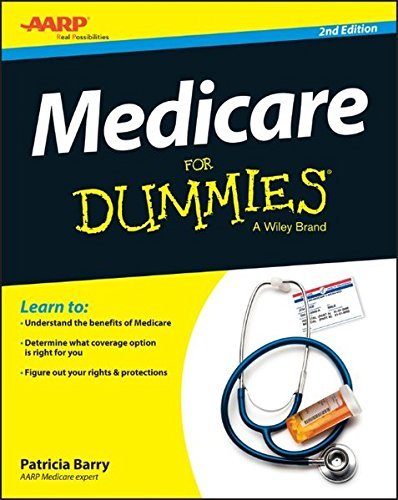
Medicare For Dummies: Barry, Patricia
That’s where Medicare For Dummies, <strong>4th Edition</strong> comes in, explaining how this complex system functions and helping you confidently navigate your way through the maze to get the most ou
Check Price on AmazonPrivate, off-exchange plans and short-term policies
Some insurers sell ACA-compliant plans directly (off-exchange). You can buy these, but you won’t get federal subsidies unless you enroll through HealthCare.gov. Short-term plans can bridge gaps but are not ACA-compliant—they can exclude pre-existing conditions, cap benefits, and leave out key services. Federal rules currently limit their duration to a few months. Use caution and read the exclusions closely.
Average health insurance premiums in Florida by plan type and age
Premiums in Florida vary a lot by county and metal tier. Unsubsidized monthly premiums (before any tax credits) typically follow this pattern:
- Age 27: Bronze $250–$350, Silver $350–$450, Gold $430–$550
- Age 40: Bronze $300–$420, Silver $430–$560, Gold $520–$680
- Age 60: Bronze $600–$900, Silver $800–$1,100, Gold $950–$1,300
Why the big range? Florida is a large, diverse market. Miami-Dade, Orlando, Tampa Bay, Jacksonville, and the Panhandle each have different insurer competition and provider pricing.
How subsidies change the math: If you qualify for premium tax credits, your cost for the benchmark Silver plan (the second-lowest-cost Silver in your area) is capped at a percentage of your household income. Many people see much lower premiums—sometimes even $0 for certain Bronze or Silver plans—depending on income and plan selection.
Examples (illustrative only, not quotes):
- A 35-year-old in Tampa earning $30,000 a year (about 200% of the federal poverty level, or FPL, for a household of one) often qualifies for sizeable tax credits. A Silver plan might net out around $60–$140 per month, with Bronze options sometimes near $0.
- A family of 3 in Orlando earning $55,000 (roughly 170% FPL) may see low Silver premiums plus enhanced CSRs that significantly reduce the deductible and copays. Children might qualify for low-cost Florida KidCare instead of marketplace coverage, further lowering the family’s total cost.
- A 58-year-old in Jacksonville earning $45,000 may find a Silver plan around a few hundred dollars per month after subsidies, instead of $800+ unsubsidized.
Important: Actual premiums depend on real-time marketplace calculations, which consider exact household size, income, ages, tobacco use, and your county’s plan lineup. Always run your info through HealthCare.gov or a licensed broker to see your precise options.
Florida Medicaid eligibility and enrollment
Florida Medicaid covers:
- Low-income children (with income limits higher than for adults)
- Pregnant people (with higher income limits during and shortly after pregnancy)
- Parents/caretakers of minor children (with very limited income)
- Seniors and people with disabilities (often via SSI-related pathways or long-term care programs)
Because Florida has not expanded Medicaid to all low-income adults, childless adults under 65 typically do not qualify unless they are pregnant or meet disability criteria. This is why some Floridians fall into a “coverage gap” if their income is below 100% FPL and they don’t meet a categorical requirement.
Florida KidCare (CHIP) for children: Many children qualify for free or low-cost coverage even if parents don’t qualify for Medicaid. Premiums can be as low as $0–$20/month per child for subsidized tiers, depending on income. Benefits include routine checkups, prescriptions, emergency services, and more.
Medically Needy (share-of-cost) program: If you have high medical bills but don’t otherwise qualify, you may be able to spend down to eligibility. You take on a “share of cost” each month; after you meet it with medical expenses, Medicaid may cover the rest for that month. This is useful for people with periodic high expenses.
How to apply: Use ACCESS Florida online, by phone, or at a community partner site. You can apply year-round and get help from navigators or local assistance organizations. Have proof of identity, citizenship/immigration status if applicable, income, and household details ready.
Coverage start dates: Medicaid and KidCare can start the month you apply or the month after, depending on the program. Some categories allow retroactive coverage; confirm with ACCESS Florida during application.
Florida health insurance marketplace: open enrollment and special periods
Key dates (typical federal exchange timeline):
- Open Enrollment: Usually Nov 1 to Jan 15 each year
- Enroll by Dec 15 for coverage starting Jan 1; enroll Dec 16–Jan 15 for Feb 1 starts
Smead Tuff Premium Poly Wallet, Accordion File Organizer for File Folders, Letter Size, 5-1/4 inch Expansion, Office Supplies, Document Organizer (73788)
View on AmazonSpecial Enrollment Periods (SEPs): Outside open enrollment, you can enroll if you have a qualifying life event. Common SEPs include:
- Loss of other coverage (like job-based insurance or Medicaid)
- Household changes (marriage, divorce, birth/adoption)
- Moving to a new Florida county or ZIP that offers different plans
- Changes in immigration status
- FEMA-declared disaster SEP: If a hurricane or other emergency affects your ability to enroll, you may qualify for extra time—watch HealthCare.gov announcements each storm season
If you qualify for a SEP, coverage typically starts the first day of the month after you select a plan, but some events (like childbirth) allow the coverage to begin the day of the event. You may need documentation (for example, proof you lost job-based coverage). Start the process early to avoid gaps.
How to compare and choose the best health plan in Florida
Here’s a practical checklist to make a confident choice.

Clever Fox Medical Planner Daily – Health ...
View on Amazon- Total yearly cost, not just the premium: Add up premium + likely out-of-pocket costs (deductible, copays, coinsurance). Your out-of-pocket maximum (the ceiling on in-network costs for the year) is your worst-case scenario.
- Network fit (HMO, EPO, PPO): HMOs and EPOs are common in Florida marketplaces and can have narrower networks. Check your primary care doctor, specialists, and preferred hospitals. Out-of-network care usually isn’t covered except in emergencies.
- Prescription drug coverage: Confirm your medications are on the plan’s formulary (the covered drug list) and note their tiers and copays. Some drugs require prior authorization.
- If your income is 100%–250% FPL, consider Silver for CSRs: Cost-sharing reductions only work with Silver plans and can dramatically lower your deductible and copays.
- Consider an HSA if you’re generally healthy: HSA-eligible High Deductible Health Plans (HDHPs) pair with a Health Savings Account (tax-advantaged money for qualified medical expenses). Look for “HSA-eligible” on the plan details.
- Look at specialist and facility access: In Florida, major health systems and popular specialists may be in some plans and not others. If a specific cardiologist or children’s hospital matters to you, verify before you enroll.
- Telehealth and mental health: Many Florida plans include robust virtual care and mental health providers. If therapy or psychiatry is important, confirm the network.
- Customer service and claims experience: Reviews can be mixed, even for big names. When in doubt, a licensed broker who knows Florida carriers can flag common pain points.
Florida-focused examples:
- You’re a 35-year-old in Miami who sees a dermatologist twice a year and takes a brand-name inhaler. A low-premium Bronze plan may look cheapest, but a Silver with CSRs could reduce specialist copays and brand-name drug costs enough to save money overall.
- You’re a family of four in Orlando with two kids in sports. Compare whether the children qualify for Florida KidCare (lower premiums) and whether the marketplace plan’s urgent care copay is reasonable for weekend injuries.
- You’re 58 in Jacksonville managing diabetes. A Gold plan with lower deductibles and strong preferred drug coverage for insulin and supplies may cost more monthly but less over the year.
Want a deeper primer on jargon and plan types? See Health Insurance Basics: Plans, Terms, and How to Choose (/health-insurance/health-insurance-basics).
Call-to-action (smart next step): The fastest way to see what you would actually pay is to compare quotes from 3–5 carriers and run your income through the marketplace calculator. A licensed Florida agent can do this at no cost to you.
Florida-specific subsidies and financial assistance
Here’s how financial help typically works in Florida.
- Premium tax credits: Based on household size and income (measured against FPL) and the cost of the benchmark Silver plan in your county. These credits lower your monthly premium and can be applied in advance.
- Cost-sharing reductions (CSRs): Extra savings that reduce deductibles and copays if your income qualifies (generally 100%–250% FPL) and you enroll in a Silver plan. The lower your income within that range, the stronger the CSR.
- Children’s coverage via Florida KidCare: Even if adults enroll on the marketplace, kids may be eligible for low- or no-cost KidCare coverage, reducing your family’s total premium.
- Coverage gap caution: In Florida, adults with incomes below 100% FPL generally don’t qualify for marketplace subsidies and may not qualify for Medicaid unless pregnant, a parent/caretaker with very low income, or disabled. Navigators can help you explore options like community health centers or the Medically Needy program.
- State add-ons: Florida does not currently offer extra state-funded marketplace subsidies beyond the federal program. Assistance typically comes from federal subsidies, Medicaid/KidCare, and local resources.
Where to get help:
- Marketplace Navigators and certified application counselors
- Licensed Florida health insurance agents/brokers
- Community health centers and hospital financial assistance offices
FAQ: common questions about Florida health insurance
What counts as a pre-existing condition, and is it covered?
- A pre-existing condition is any health issue you had before your plan starts. ACA-compliant plans must cover pre-existing conditions with no waiting period.
Is there a penalty for not having insurance in Florida?
- No federal penalty and Florida does not have a state mandate. Still, going uninsured can be very expensive if you need care.
When does coverage start after I enroll?
- During open enrollment, enroll by Dec 15 for Jan 1 start, and by Jan 15 for Feb 1. Outside open enrollment, most SEP enrollments start the first day of the month after you pick a plan (some events vary).
Can undocumented immigrants buy coverage?
- They generally can’t buy on HealthCare.gov and aren’t eligible for Medicaid, but may purchase some off-exchange private plans and can receive emergency-only Medicaid in certain life-threatening situations. Community clinics may offer discounted services.
Are dental and vision included?
- Adult dental/vision are usually separate add-ons. Pediatric dental and vision are essential health benefits and are typically included for children.
Can I keep my doctors?
- Maybe. Networks vary widely by plan and county. Search for your doctors and hospitals in the plan’s provider directory before enrolling.
What’s the difference between HMO, EPO, and PPO?
- HMO (Health Maintenance Organization): Usually requires using in-network providers and may need referrals. EPO (Exclusive Provider Organization): No out-of-network coverage except emergencies, but typically no referrals. PPO (Preferred Provider Organization): Some out-of-network coverage, higher premiums. In Florida’s marketplace, HMOs/EPOs are most common.
Are HSA plans available in Florida?
- Yes. Look for “HSA-eligible” HDHPs. You can contribute pre-tax dollars to a Health Savings Account for qualified expenses. Florida has no state income tax, but HSA tax benefits apply federally.
What if I lose Medicaid during the year?
- You should qualify for a Special Enrollment Period to enroll through HealthCare.gov. Act quickly—loss of coverage is time-limited for SEP eligibility, and you may qualify for subsidies.
How does COBRA work?
- If you lose job-based coverage from an employer with 20+ employees, you may continue the same plan for a limited time by paying the full premium (plus a small admin fee). Some small employers may offer state continuation—ask your HR or insurer.
Will a short-term plan protect me from big bills?
- Short-term plans are limited, can exclude pre-existing conditions, and often cap benefits. They’re stopgaps, not substitutes for ACA plans. Read the fine print carefully.
Your next smart step
- Compare plan options side by side on HealthCare.gov, or work with a licensed Florida agent who can show you marketplace and off-exchange options.
- The fastest way to see what you’d actually pay is to compare quotes from 3–5 carriers and run your income through the subsidy calculator. This helps you identify $0 or low-premium options you might otherwise miss.
If you’re choosing for a household, you may also find this helpful: Best Health Insurance for Families: How to Compare Plans and Choose the Right Coverage (/health-insurance/best-health-insurance-for-families-compare-plans).
Need a refresher on terminology? See Health Insurance Basics: Plans, Terms, and How to Choose (/health-insurance/health-insurance-basics).
A quick note on advice: This guide is educational. For plan recommendations specific to your doctors, prescriptions, and budget, consult a licensed Florida health insurance agent or navigator who can review your situation in detail and help with enrollment.
Recommended Resources
Medicare For Dummies: Barry, Patricia
That’s where Medicare For Dummies, <strong>4th Edition</strong> comes in, explaining how this complex system functions and helping you confidently navigate your way through the maze to get the most ou
Smead Tuff Premium Poly Wallet, Accordion File Organizer for File Folders, Letter Size, 5-1/4 inch Expansion, Office Supplies, Document Organizer (73788)
Ideal for law offices, medical practices, schools, or home organization, this wallet delivers exceptional durability and organization. Designed for efficiency and longevity, they make a perfect additi
Clever Fox Medical Planner Daily – Health ...
Clever Fox · bloom daily planners See more · Condition · New · Used · Target Audience · Adult · Kid · Student · Teacher · Teen · Sustainability Features · Any Feature · Forestry Practices · Features ·
Related Articles
- Health Insurance in Minnesota: Plans, Costs & How to Enroll
- Health Insurance in Hawaii: Plans, Costs & How to Enroll
- Health Insurance in Delaware: Plans, Costs & How to Enroll
- Health Insurance in Ohio: Plans, Costs & How to Enroll
- Home Insurance in Florida: Coverage, Costs & Best Companies
- Health Insurance in New York: Plans, Costs & How to Enroll
- Health Insurance in Illinois: Plans, Costs & How to Enroll
- Health Insurance in Connecticut: Plans, Costs & How to Enroll