
Life Insurance in Florida: Coverage Options, Costs, and How to Choose
You are here because you want straight answers about life insurance in Florida. Maybe a new mortgage, a new baby, or Florida’s hurricane season has you thinking about protecting your family. Here is what actually matters when choosing life insurance in Florida — the policy types, realistic costs, Florida-specific rules, and how to compare options without overpaying.
The main types of life insurance in Florida (and who each fits)
Before you compare quotes, get clear on the big three. A few terms you will see throughout:
- Death benefit: the lump-sum payout your beneficiaries (the people or entities you name to receive the money) get when you die.
- Premium: the price you pay, monthly or annually, to keep the policy active.
- Underwriting: the insurer’s risk review — your health, lifestyle, and records — used to determine approval and price.
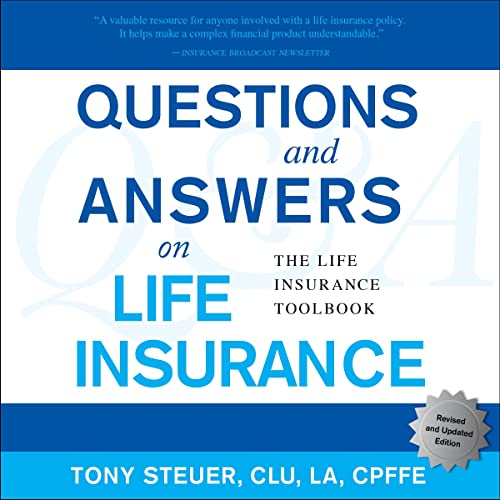
Questions and Answers on Life Insurance: Steuer, Tony
*Amazon Best Seller in Life Insurance* Questions and Answers on Life Insurance is <strong>an extremely useful and one of a kind resource for anyone looking for a simple way to understand life insuranc
Check Price on AmazonTerm life insurance
- What it is: Coverage for a set period — typically 10, 15, 20, 25, or 30 years. If you die during the term, your beneficiaries get the death benefit. There is no savings component.
- Who it fits: Most Florida families who want the most coverage for the lowest cost, especially to cover a mortgage, income replacement, and childcare while kids are at home.
- Pros: Lowest premiums per dollar of coverage; simple; many policies include conversion (the option to switch to permanent life without a new medical exam) during the term.
- Cons: Coverage ends when the term ends unless you renew at much higher costs or convert.
Example: A healthy 35-year-old non-smoker in Florida looking for $500,000 of 20-year term might see quotes roughly in the $25–$35 per month range. A 45-year-old might be closer to $55–$85 per month. Rates vary widely by age, health, tobacco use, and insurer underwriting.
Whole life insurance
- What it is: Permanent coverage that lasts your entire life, with a cash value (a built-in savings component that grows over time) you can borrow against.
- Who it fits: People who want lifelong coverage, predictable premiums, and potential cash value growth — often used for legacy goals or to fund special needs trusts.
- Pros: Guaranteed death benefit and guaranteed cash value growth (subject to the policy’s terms); level premiums.
- Cons: Much higher premiums than term for the same death benefit; less flexibility once set.
Universal life insurance (UL)
- What it is: Permanent coverage with adjustable premiums and death benefits, and a cash value tied to credited interest (fixed, indexed to a market index, or variable invested in subaccounts — each with different risk).
- Who it fits: Buyers who want permanent coverage with flexibility to raise/lower premiums within limits. Indexed UL (IUL) and Variable UL (VUL) introduce more complexity and investment risk.
- Pros: Flexibility and potential for higher cash value growth (not guaranteed in IUL/VUL).
- Cons: Requires active management; underfunding can cause lapse (policy termination for nonpayment) later in life. Costs can rise with age.
Final expense (burial) insurance
- What it is: Small whole life policies (often $10,000–$25,000) designed to cover funeral and last expenses. Often simplified issue (few questions, no medical exam) or guaranteed issue (no health questions), with graded benefits (limited payout in the first 2–3 policy years except for accidental death).
- Who it fits: Seniors or those with health conditions who want modest coverage and easy approval.
Group life insurance through work
- What it is: Employer-provided life insurance, usually 1–2x salary, sometimes with the option to buy more at group rates.
- Watch-outs: Group coverage typically ends when you leave the job. It’s smart to own an individual policy you control.
Florida-specific factors that shape your decision
Cost of living and income replacement
Florida’s housing and insurance costs can be high, especially in coastal counties. A term policy sized to replace 10–15x your annual income is a common starting point, but pressure-test it against your real Florida budget: mortgage or rent, property insurance, childcare, and any hurricane-related emergency fund needs.
Family protection and caregiving
Many Florida households are multigenerational or support family out of state. If you support parents or adult children, build that into your death benefit. Consider a waiver of premium rider (an add-on that waives premiums if you become disabled) if your budget allows.
Estate planning in a no–state-income-tax state
Florida has no state income tax and no separate state estate or inheritance tax. The federal estate tax may apply for very large estates. Death benefits are generally income-tax-free to beneficiaries; interest earned on the payout is typically taxable. For families with trusts or complex estates, life insurance can be coordinating glue. Florida also offers strong creditor protections for life insurance in many cases (cash value and death benefits may be protected from creditors under Florida law), but rules are nuanced — speak with an estate attorney about your situation.
- Helpful resource: See our guide on how life insurance fits into wills and trusts: Life Insurance and Estate Planning: How to Protect Your Family and Preserve Your Legacy
Hurricane and disaster preparedness
- Documentation: Store digital copies of your policy, beneficiary form, and agent contact in secure cloud storage. Keep paper copies in a waterproof bag.
- Payment logistics: Set up auto-pay so a storm doesn’t trigger a missed premium. After declared disasters, insurers may extend grace periods (extra time after a missed premium to pay without losing coverage). Ask your carrier how they handle Florida disaster bulletins.
- Beneficiaries: Always name both a primary beneficiary and a contingent beneficiary (the person next in line) in case you and your primary die in the same event.
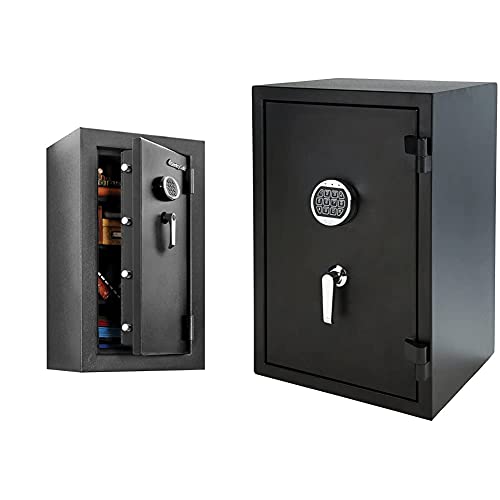
SentrySafe Waterproof and Fireproof Alloy Steel Digital Safe Box for Home with Code Button Keypad, 1.23 Cubic Feet, 17.8 x 16.3 x 19.3 Inches (exterior), SFW123GDC - Gun Safes And Cabinets - Amazon.com
View on Amazon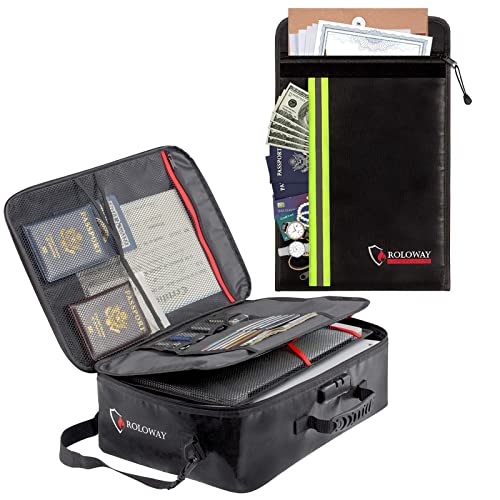
ROLOWAY Fireproof Document Bag with 2 Pockets (Black) & Large Fireproof Bag with Fireproof Money Bag (Silver)
View on AmazonRetirees, snowbirds, and moving
If you buy a policy in Florida and later move, your contract stays valid; service rules may follow your new state. If you split time between Florida and another state, make sure your mailing address and billing method are solid so you never miss notices.
How to compare life insurance in Florida
Shopping well can save you thousands over time. Here’s a practical checklist.
1) Compare the right policy types
- Term for income replacement and debts with end dates (mortgage, college years).
- Whole or UL for lifelong needs, legacy goals, or special planning cases.
- Final expense if health issues limit choices and you only need burial funds.
Not sure which lane you’re in? Start with term — you can often add a conversion option to lock in future insurability.
2) Price-check premiums from 3–5 carriers
Get apples-to-apples quotes: same death benefit, same term length, same rider set. The fastest way to see what you would actually pay is to compare quotes from 3–5 carriers. Rates vary by insurer underwriting — one company may be lenient on build (height/weight), another on blood pressure or cholesterol.
- Pro tip: Tobacco includes nicotine replacement and vaping with many insurers. If you have stopped for 12–24 months, you may qualify for better rates — ask.
For a deeper walkthrough of policy types and quotes, visit our explainer: Life Insurance: How to Choose the Right Policy and Get Quotes
3) Check financial strength and service
Look for A.M. Best ratings of A− or better (insurer claims-paying ability). Read a few recent customer reviews about claims handling. A slightly higher premium is often worth it for a stronger, more responsive carrier.
4) Understand underwriting and no-exam options
- Fully underwritten: Typically a short health exam (paramedical) with blood/urine, plus database checks (prescription history, motor vehicle records, and the MIB — an industry database of application flags). Usually the best pricing.
- Accelerated/no-exam: No medical exam for eligible applicants, relying on data and answers. Faster, but not always cheaper; availability varies by age/amount.
In Florida, insurers follow state-approved underwriting rules. You will give informed consent for any required blood work, including possible HIV tests for larger coverage amounts.
5) Compare riders (optional add-ons)
Availability and cost vary by insurer and Florida approvals. Common riders include:
- Accelerated death benefit (living benefit): Access part of the death benefit if diagnosed with a terminal or specified chronic illness.
- Waiver of premium: Premiums waived if you become totally disabled (as defined in the policy).
- Child term rider: Temporary coverage for children; can often convert later.
- Guaranteed insurability: Lets you buy more coverage later without new medical evidence.
- Accidental death benefit: Extra payout if death is accidental.
- Return of premium (ROP) on term: Refunds base premiums if you outlive the term; higher cost.
6) Watch the fees and fine print
For UL/IUL/VUL, request an illustration and look at funding assumptions, cost of insurance charges, and what happens under poor market returns. For term, confirm:
- Level premiums for the full term
- Conversion period and whether conversion is to any permanent product or a limited list
- The grace period and reinstatement terms if a premium is missed
Call-to-action: Once you know your target coverage and term length, get personalized quotes. Comparing 3–5 carriers side-by-side is the quickest way to zero in on a fair rate without overpaying.
FAQs: Life insurance in Florida
How quickly do beneficiaries get paid in Florida?
Once the insurer receives a valid claim, most death benefits are paid within 2–4 weeks. Florida requires timely claim handling and many policies pay interest if there are delays beyond a set timeframe. If a death occurs during the contestability period (the first two years, when an insurer can review the application for material misstatements), expect extra review time.
Are life insurance payouts taxable in Florida?
Typically, death benefits are income-tax-free to beneficiaries. If the insurer pays interest on the claim, that interest is usually taxable. Florida has no state income tax and no separate state estate or inheritance tax. Very large estates may face federal estate tax. For trust-owned policies or large estates, talk with a tax professional or estate attorney.
Does Florida protect life insurance from creditors?
Florida law generally provides strong creditor protections for life insurance cash values and death benefits when payable to a beneficiary, though details depend on ownership and beneficiary type. This is a legal area — consult a Florida attorney to confirm how protections apply to you.
What if I buy a policy in Florida and then move?
Your policy remains in force as long as you pay premiums. If you change residency, some service rules or product features for new changes may follow your new state’s regulations, but your existing contract stays valid.
What is the Florida free-look period?
A free-look period is the time after policy delivery during which you can cancel for a full refund of paid premiums. In Florida, most policies provide at least 10 days (often longer for seniors). Check your policy for the exact window.
What happens if I miss a premium?
Most policies include a 30- or 31-day grace period, which is extra time to pay after the due date before the policy lapses (ends). If a lapse occurs, many policies allow reinstatement within a set period, subject to back premiums and proof of insurability.
Who should I list as beneficiary in Florida?
Name a primary and a contingent beneficiary. Avoid naming a minor child directly; instead, name a trusted adult as custodian under the Florida Uniform Transfers to Minors Act or use a trust, so funds can be managed properly. If you are married, consider your spouse’s needs and any existing legal arrangements.
Can I sell my policy in Florida?
Life settlements (selling a policy to a third party) are regulated in Florida. There are waiting periods and consumer protections. If you are considering this, work with licensed settlement providers and review tax and Medicaid eligibility impacts.
How much coverage do Floridians typically need?
Start with two common approaches and tailor to your budget.
Rule of thumb: 10–15x income
If you earn $80,000, that points to $800,000–$1.2 million. Adjust based on debts, other assets, Social Security survivor benefits, and whether your spouse also earns income.
The DIME method
DIME stands for Debts, Income, Mortgage, Education — add them up:
- Debts: Credit cards, auto loans, personal loans (not your mortgage)
- Income replacement: Years your family would need your paycheck (e.g., 10 years x $80,000 = $800,000)
- Mortgage: Remaining balance
- Education: What you want to set aside per child
Florida-specific examples
- Family in Tampa: Two kids in daycare and a $420,000 mortgage. One parent earns $95,000, the other $45,000. A 20–25 year term around $1–$1.5 million for the higher earner and $500,000–$750,000 for the other typically aligns with needs.
- New homeowner in Miami-Dade: Solo buyer with a $600,000 condo mortgage and no dependents. A 20-year term for $500,000–$750,000 can ensure the home can be sold without a fire sale and cover final expenses.
- Retiree in The Villages: Mortgage is small, children are grown. A modest permanent policy ($25,000–$100,000) can handle final expenses or equalize inheritances. Consider health, longevity in your family, and whether you want guaranteed lifetime coverage.
Remember: actual premiums vary by age, health, tobacco use, medications, driving history, and the insurer’s underwriting.
Avoid these common mistakes when buying in Florida
- Waiting too long: Every birthday increases your price; new health issues can drive it up further.
- Underinsuring: A $250,000 policy may sound big, but in Florida it can vanish fast between a mortgage, debts, and childcare.
- Naming a minor directly: Set up a custodian or trust to avoid court delays.
- Hiding medical history: Material omissions can jeopardize a claim during the contestability period.
- Buying whole life when term fits best: Permanent insurance is great for lifelong needs — not always for a 20-year mortgage.
- Skipping riders you will actually use: Waiver of premium, child term, or a good conversion option can be worth modest extra cost.
- Ignoring carrier strength: Claims-paying ability matters more than saving $2/month.
- Forgetting reviews: Recheck coverage after big life events — marriage, house, baby, business loan, or retirement.
What to look for when choosing a policy
- Right-sized death benefit and term length for your Florida budget and goals
- Level premiums and a clear, reasonable conversion option
- Riders that match your risks (disability income at work? Then maybe you skip waiver; no DI? Consider it.)
- A.M. Best rating A− or better
- Simple claims process and responsive service
- Clear grace period, free-look period, and reinstatement terms
Note: For trusts, business policies, or creditor-protection strategies, coordinate with a licensed Florida agent and an estate attorney.
Ready to see real numbers?
The fastest way to see what you would actually pay is to compare quotes from 3–5 carriers. A licensed agent or online marketplace can line up apples-to-apples options in minutes and flag which insurers are friendlier to your health profile.
If you want a refresher on reading quotes and fine print, start here: Life Insurance: How to Choose the Right Policy and Get Quotes
Your next step
- Decide your target coverage amount and term length using the DIME method or 10–15x income.
- Pick your must-have riders (accelerated death benefit is often standard at no cost).
- Compare quotes from 3–5 Florida-approved carriers and check financial strength.
- Talk with a licensed agent for personalized advice, especially for trusts, business coverage, or health concerns.
A little structure now means your family is protected — in hurricane season and beyond — with a policy you understand and a premium that fits.
Recommended Resources
Questions and Answers on Life Insurance: Steuer, Tony
*Amazon Best Seller in Life Insurance* Questions and Answers on Life Insurance is <strong>an extremely useful and one of a kind resource for anyone looking for a simple way to understand life insuranc
ROLOWAY Fireproof Document Bag with 2 Pockets (Black) & Large Fireproof Bag with Fireproof Money Bag (Silver)
1 of ROLOWAY Fireproof Envelope for Cash, Legal Documents Safe <strong>(15 x 11 inch</strong>) with 2 Pockets & Waterproof Zipper, Black
SentrySafe Waterproof and Fireproof Alloy Steel Digital Safe Box for Home with Code Button Keypad, 1.23 Cubic Feet, 17.8 x 16.3 x 19.3 Inches (exterior), SFW123GDC - Gun Safes And Cabinets - Amazon.com
<strong>SentrySafe Medium Gray Fireproof Safe and Waterproof Safe Box with Dial Combination, Home Security for Money, Documents, or other Valuables</strong>, 1.23 Cubic Feet, SFW123DSB
Related Articles
- Home Insurance in Florida: Coverage, Costs & Best Companies
- Home Insurance in Florida: Quotes, Costs & Hurricane Tips
- Best Home Insurance in Florida: Top Companies & How to Save
- Life Insurance in Arizona: What Residents Should Know Before Buying
- Life Insurance in Delaware: Coverage Options, Costs, and What Residents Should Know
- Life Insurance in Georgia: What Residents Should Know Before Buying
- Auto Insurance in Florida: Rates, Requirements & How to Save
- Health Insurance in Florida: Plans, Costs & How to Enroll