
Best Home Insurance in Florida: Top Companies & How to Save
You’re shopping for the best home insurance in Florida and the numbers look…big. Between hurricanes, rising reinsurance costs, and roof rules, Florida is its own insurance universe. Here’s what actually matters when choosing a policy, which companies to consider in 2026, and practical ways to lower your bill without gutting your coverage.
Pro tip: the fastest way to see what you’d actually pay is to compare quotes from 3–5 carriers. Rates in Florida vary widely by county, roof age, wind mitigation credits, and even your distance to the coast.
Why Florida Needs Specialized Home Insurance
Florida’s home insurance market is different for a few big reasons:
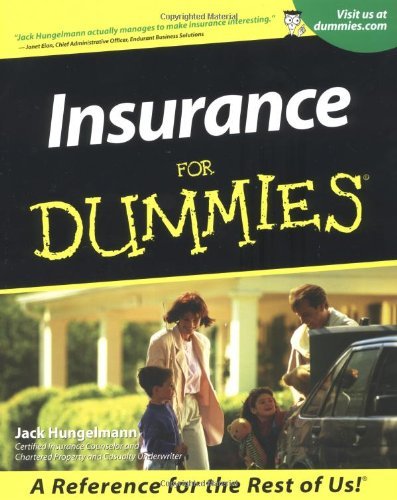
Insurance for Dummies: Hungelmann, Jack
<strong>Manage life, health, and disability risks</strong> ― explore individual and group policies, understand Medicare basics, and evaluate long-term disability and long-term-care insurance ...
Check Price on Amazon- Hurricanes and windstorm risk. Carriers price for major wind events and the cost of reinsurance (insurance for insurers). That’s a major driver of Florida premiums.
- Flood zones. Home insurance typically does not cover flood (rising water from storm surge or heavy rain). You need separate flood insurance through the National Flood Insurance Program (NFIP) or a private flood insurer.
- Sinkholes and ground collapse. In Florida, policies include coverage for “catastrophic ground cover collapse” (a very specific standard) but broader “sinkhole coverage” is optional by endorsement. Read this carefully if you live in a known sinkhole area.
- Roof rules and water losses. Insurers are laser-focused on roof age and condition, and water-damage claims. Expect inspections and policy endorsements aimed at reducing water-related losses.
- Citizens Property Insurance Corporation. Citizens is Florida’s state-backed insurer of last resort. It exists for when the private market won’t write a policy or is far more expensive. Citizens has its own eligibility rules and coverage quirks, which we’ll cover below.
If you want a deep dive on coverage and costs by region, see our Florida guide: Home Insurance in Florida: Coverage, Costs & Best Companies.
How We Evaluated Insurers in Florida
We scored companies on criteria that matter most in this market:
- Financial strength and staying power. We favor carriers with strong financial backing and robust reinsurance programs. In Florida, that’s not just a nice-to-have—it’s essential for paying hurricane claims.
- Claims handling in wind events. Look for clear hurricane claims guidance, dedicated catastrophe (CAT) teams, and proven post-storm response.
- Policy flexibility and endorsements. You want options like water back-up coverage, increased “ordinance or law” coverage (extra costs to meet current building code), special roof coverage forms, and screen enclosure endorsements.
- Florida underwriting experience. Carriers specializing in Florida risks typically understand wind mitigation credits, Florida Building Code (post-2002), and local inspection requirements better.
- Wind/hurricane deductibles. Many Florida policies include a separate percentage deductible for hurricanes (for example, 2% of your dwelling limit). We compared typical options and transparency around when these deductibles apply.
- Customer access and service. Strong agent networks or solid direct-to-consumer tools, clear online docs, and 24/7 claims reporting.
What to watch for in Florida:
- Percentage hurricane deductibles. Your hurricane deductible (the amount you pay out of pocket for hurricane damage before insurance kicks in) is usually 2%–10% of your Coverage A (dwelling) limit. On a $400,000 home, 2% equals $8,000.
- Roof coverage form. Some policies may cover older roofs at actual cash value (ACV—the depreciated amount) rather than replacement cost. Ask specifically how your roof is covered by age and material.
- Water damage sublimits. Water losses (leaks, overflows) are a major cost driver. Many policies use sublimits or special deductibles. Know yours.
- Inspection requirements. Expect a wind mitigation inspection (to earn credits) and possibly a 4-point inspection for older homes (roof, electrical, plumbing, HVAC).
Best home insurance in Florida: top 7 companies for 2026
Availability varies by county, home age/condition, prior losses, and distance to the coast. Always check current eligibility.
1) State Farm Florida
- Best for: Homeowners who can bundle auto and want strong claims resources.
- Why it stands out: Strong financial backing and a large catastrophe claims network. Typically offers solid coverage options and competitive hurricane deductible choices when available.
- Watch-outs: Underwriting can be strict in coastal counties; availability may be limited. Bundling with auto can help, but not everyone will qualify.
2) Tower Hill Insurance (including Tower Hill Insurance Exchange)
- Best for: Older homes and customers who want Florida-specific policy options.
- Why it stands out: Deep Florida experience, a variety of policy forms, and endorsements for screen enclosures, water backup, and ordinance or law. Often flexible on older-but-sound roofs with the right inspections.
- Watch-outs: For exchange policies, there may be a membership structure/fee. Rates can vary by roof age and water-loss history.
3) Universal Property & Casualty Insurance Company (UPCIC)
- Best for: Broad agent access and a range of dwelling types.
- Why it stands out: One of Florida’s larger private carriers with wide availability through agents and a menu of endorsements that can be tailored to your home.
- Watch-outs: Customer reviews are mixed on claims handling, especially after large storm events. Underwriting appetite changes by county.
4) Security First Insurance
- Best for: Digital tools and solid water-damage protection options.
- Why it stands out: Florida-focused underwriting and user-friendly online account features. Typically offers water backup and equipment breakdown add-ons.
- Watch-outs: Availability and pricing vary by wind zone and roof age. Confirm roof coverage form and any water-loss sublimits.
5) Florida Peninsula Insurance (and Edison Insurance affiliate)
- Best for: Primary residences with newer roofs or strong wind-mitigation features.
- Why it stands out: Florida-centric, with attention to water-loss prevention and screen enclosure options. Competitive for homes with modern wind protections.
- Watch-outs: Stricter on older roofs and prior water damage. Carefully compare percentage hurricane deductible options.
6) American Integrity Insurance Company of Florida
- Best for: A range of home types including seasonal/secondary homes.
- Why it stands out: Florida specialist with endorsements for golf carts, animal liability exclusions/limitations you can tailor, and water backup options.
- Watch-outs: Pay close attention to roof age rules and special deductibles for water damage or wind.
7) Kin Interinsurance Network (Kin Insurance)
- Best for: Direct-to-consumer shoppers and newer homes with good wind mitigation.
- Why it stands out: Streamlined online quoting, strong focus on home-hardening discounts, and tech-forward underwriting tailored to Florida.
- Watch-outs: Newer company with a shorter track record than long-established Florida carriers. Availability varies by county and distance to coast.
Also consider: Citizens Property Insurance Corporation. Citizens can be a critical safety net if you can’t get private coverage or if a private offer is significantly more expensive. It’s designed as a last resort and has unique rules (for example, phased flood insurance requirements and eligibility tied to private-market quotes). More on Citizens below.
Want broader picks beyond Florida? See Best Home Insurance 2026: Top Picks, How to Choose & Get Quotes.
Best picks by situation
Every home is different. Here are practical starting points based on common Florida scenarios. Your best fit will depend on your roof, wind credits, county, and claims history.
- Beachfront or high wind exposure: Start with State Farm (if available) or Kin for strong wind-mitigation pricing. If private options are limited or 20%+ more than Citizens, look at Citizens as a fallback.
- Condo owners (HO-6): Check Security First, American Integrity, or Florida Peninsula/Edison for HO-6 options. Match your condo policy to your association’s master policy—know whether the master covers “bare walls,” “original spec,” or “all-in.”
- Older home (pre-2002 code): Tower Hill and American Integrity often have options if your 4-point inspection is clean and your roof is sound. Consider roof improvements and wind mitigation to unlock discounts.
- Budget-focused shoppers: Florida Peninsula/Edison and Kin can be competitive on newer roofs with full opening protection (impact windows/shutters). Compare hurricane deductible levels carefully.
- Best for claims response: State Farm’s CAT resources are typically strong; Security First emphasizes digital claims tools. In major hurricanes, every carrier is stressed—focus on clear communication, documentation, and realistic timelines.
Note: Actual pricing and eligibility vary by carrier, county, and inspection results. In coastal or high-risk zones, choices can narrow quickly.
What Florida homeowners insurance covers (and what it doesn’t)
Most Florida homeowners buy an HO-3 policy (a standard home insurance form). It typically includes:
- Dwelling (Coverage A): Your home’s structure.
- Other Structures (Coverage B): Things like fences, detached garages, and pool cages/screen enclosures—often limited unless you add endorsements.
- Personal Property (Coverage C): Your belongings. Ask about replacement cost vs. ACV (actual cash value—the depreciated amount).
- Loss of Use (Coverage D): Temporary living expenses if your home is uninhabitable after a covered loss.
- Personal Liability (Coverage E): If you’re legally responsible for someone’s injury or property damage.
- Medical Payments (Coverage F): Small medical bills for guests, regardless of fault.
Common exclusions and Florida-specific nuances:
- Flood is excluded. Rising water from storm surge, king tides, or heavy rain requires separate flood insurance (NFIP or private). Many Floridians carry both home and flood, especially in coastal or low-lying areas.
- Hurricane/wind deductibles. A separate percentage deductible usually applies to hurricane losses. In Florida, the hurricane deductible generally applies when a hurricane watch or warning is issued and continues for a set period after the storm (often 72 hours after it ends). Florida law also treats the hurricane deductible on a calendar-year basis—if multiple hurricanes hit in one year, once you meet it, subsequent hurricane claims may apply the remaining amount up to the full deductible.
- Named-peril vs. all-risk tweaks. Some carriers use different deductibles (or exclusions) for “windstorm or hail” separate from the “hurricane deductible” in particular. Confirm exactly which events trigger which deductible.
- Roof coverage. Older roofs may be covered at ACV unless you add replacement cost or meet certain roof-age/condition requirements. Read that endorsement closely.
- Screen enclosures and pool cages. Often limited or excluded unless you add a specific endorsement.
- Ordinance or law. Pays the extra to bring your home up to current code after a loss. In Florida—where codes are strict—this can be essential. Many policies include 10%; consider 25% or 50%.
- Animal liability and water backup. These are commonly limited—look for endorsements if relevant.
New to home insurance basics? See What Does Home Insurance Cover? for a plain-English refresher.
Citizens note: Citizens has unique rules. In recent years, Citizens began phasing in a flood insurance requirement—first for properties in high-risk flood zones and, over time, for more properties based on Coverage A amounts. Requirements can change, so confirm the current rule at renewal.
How to lower your Florida home insurance premium
Yes, you can usually bring your premium down without gutting coverage. Focus on risk reduction and documentation.

Govee WiFi Water Leak Detector 3 Packs, Leak Alert with Remotely Email/APP Push and Sound Alarm, Smart Water Sensor with 100dB Adjustable Alarm, Suit for Home and Basement - Amazon.com
View on Amazon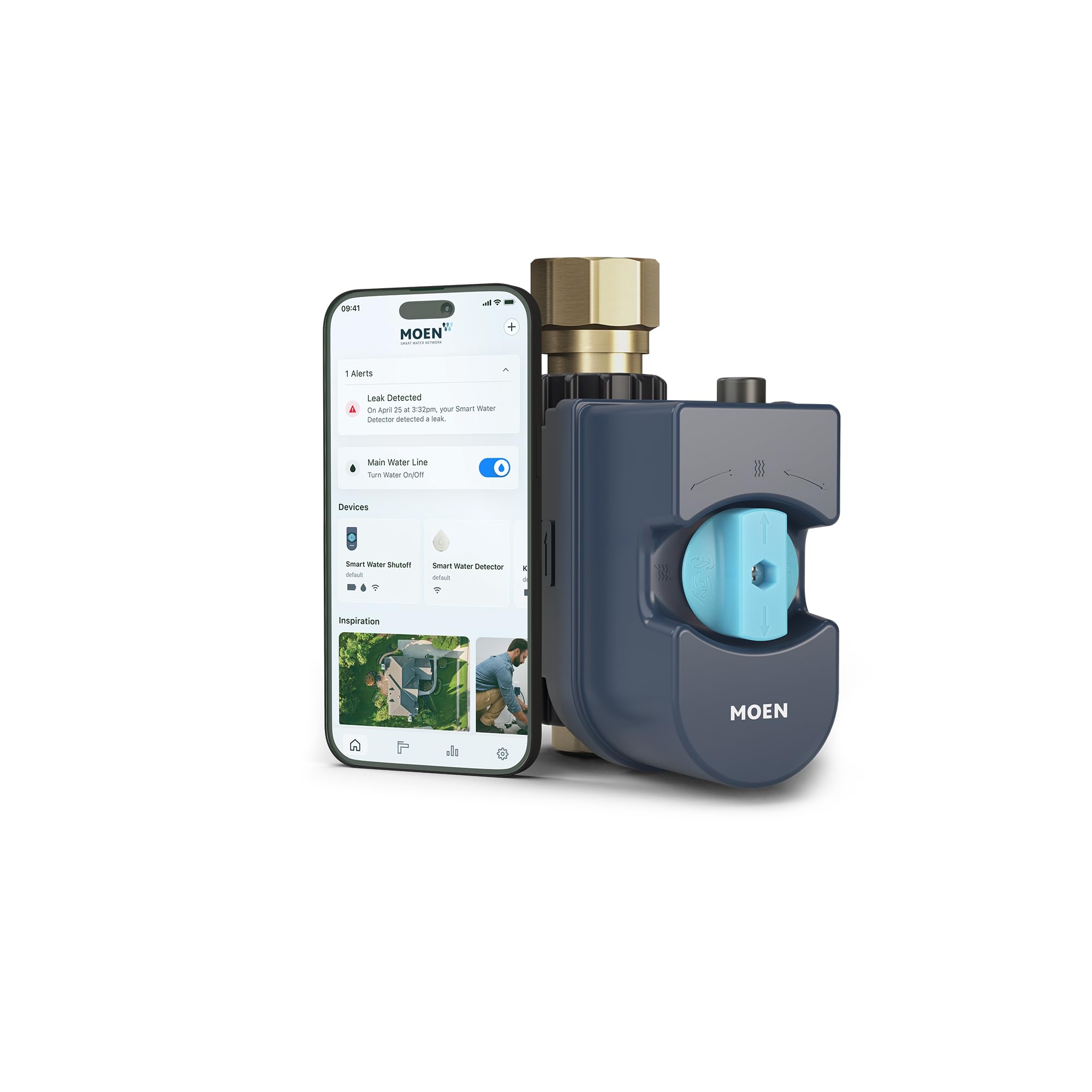
Moen Flo Smart Water Monitor and Automatic Shutoff Sensor, Wi-Fi Water Leak Detector for 3/4-Inch Diameter Pipe, 900-001 - Tub And Shower Faucets - Amazon.com
Moen Flo Smart Water Monitor and Automatic Shutoff Sensor, <strong>Wi-Fi Water Leak Detector for 3/4-Inch Diameter Pipe</strong>, 900-001 - Tub And Shower Faucets - Amazon.com
Check Price on Amazon- Get a wind mitigation inspection. Use the Uniform Mitigation Verification Inspection Form (OIR-B1-1802). Credits commonly apply for: a hip roof shape, secondary water resistance (peel-and-stick underlayment), roof deck attachment (nail size/pattern), roof-to-wall connections (clips/straps), and opening protection (impact windows or shutters). These credits can be substantial.
- Mind your roof age and condition. If your shingle roof is nearing the carrier’s age cutoff (often 10–15 years for 3-tab/architectural shingles), consider replacement before renewal, especially with a Florida Building Code-compliant installation. A roof inspection or certification can also help.
- Improve water-loss defenses. Install monitored leak sensors and automatic shutoff valves near water heaters and under sinks. Some carriers offer discounts or free devices.
- Bundle home and auto. When available, bundling can shave a meaningful percentage off your premium. If you drive in Florida, compare with Auto Insurance in Florida: Rates, Requirements & How to Save.
- Choose a higher hurricane deductible—carefully. Moving from 2% to 5% can lower your premium, but be sure you have that cash set aside. Hurricanes are not hypothetical in Florida.
- Fine-tune endorsements. Keep must-haves (ordinance or law, water backup) but avoid paying for extras you truly don’t need.
- Shop Citizens alternatives. If you’re in Citizens today, you may receive private “takeout” offers. Typically, if a private-market offer is within a certain percentage (often 20%) of your Citizens premium, you may have to accept it. Compare coverage apples-to-apples and ask how claims and deductibles differ before switching.
- Compare annually. Underwriting appetites shift quickly here. A home that was tough to insure two years ago might price better today with fresh inspections.
Example: Say you’re in Palm Beach County with a 2018 hip roof, secondary water resistance, and full impact windows. Your wind mitigation report may unlock several credits that can lower your premium compared to the same home without those features. In Miami-Dade with a 2005 gable roof and no shutters, expect higher pricing until you harden the home.
How to get quotes and compare offers
The Florida secret: carriers price the same home very differently based on inspections and wind credits. Line up your documentation, then compare side by side.
What to gather before you shop:
- Wind mitigation inspection (OIR-B1-1802), ideally within the last 5 years
- 4-point inspection for older homes (typically 30+ years old)
- Roof details: year, material, permits, any certification
- Distance to coast/water, flood zone, and current flood policy details (if any)
- Prior claims history and any repairs since
- Square footage, year built, and updates (roof, plumbing, electrical, HVAC)
- Photos of opening protection (impact windows, shutters), roof-to-wall straps, underlayment
Key questions to ask each carrier:
- What is my hurricane deductible, and exactly when does it apply?
- Is my roof covered at replacement cost or ACV? Are there age-based changes?
- What are my water-damage sublimits or special deductibles?
- How much ordinance or law coverage is included? Can I raise it to 25% or 50%?
- Are screen enclosures, pool cages, and solar panels covered—and how?
- Any requirements for leak sensors, water shutoffs, or smart-home devices to qualify for discounts?
Quick comparison checklist:
- Coverage A (dwelling) estimate and inflation guard
- Hurricane deductible percentage vs. all other perils deductible
- Roof coverage basis (RCV vs. ACV) and any schedule
- Water backup, equipment breakdown, animal liability terms
- Ordinance or law limit (aim for at least 25% in many Florida locales)
- Estimated replacement cost methodology (and can you review the worksheet?)
Ready to see real numbers? Compare quotes from 3–5 carriers. It’s the fastest way to see what you’d actually pay in your county. We can help you get multiple quotes with one quick form.
FAQ: Florida claims, Citizens, wind vs. flood, and more
How does the claims process work after a hurricane in Florida?
- Report the claim as soon as it’s safe. Document damage with photos and video before making temporary repairs to prevent further loss (keep receipts). Expect an adjuster visit—virtual or in-person—depending on post-storm conditions. In major events, timelines can be longer. Florida has tightened claim-filing deadlines in recent years, so don’t wait.
What’s the role of Citizens Property Insurance Corporation?
- Citizens provides coverage when you can’t find a private offer at a comparable price, or you’ve been declined. Eligibility rules change, but typically if a private-market offer is within a set percentage (often 20%) of a Citizens premium, you may not be eligible for Citizens. Citizens also has special requirements, including a phased flood insurance mandate. It’s a vital safety net, but it’s intended as a last resort.
What’s the difference between wind and flood coverage?
- Wind damage (like shingles torn off in a hurricane) is part of your home insurance, subject to the hurricane deductible. Flood (rising water from storm surge, heavy rain, or overflowing bodies of water) is excluded and requires separate flood insurance. Many hurricane losses involve both; you may file claims with both insurers.
How do hurricanes affect premiums?
- After severe seasons, reinsurance costs and loss experience can push rates up across the market. Home hardening (impact windows, SWR, roof straps) and updated roofs can help you qualify for lower rates than an otherwise similar home without those features.
Can I insure an older roof?
- Often yes, but terms vary. Some carriers will insure older roofs with a clean inspection; others may cover roof damage at ACV only or require higher deductibles. Replacing an aging roof to current Florida Building Code can open more carrier options and discounts.
Are sinkholes covered?
- Policies include catastrophic ground cover collapse (strict criteria). Broader “sinkhole coverage” is optional by endorsement and may require an inspection and surcharge. If you’re in a known sinkhole area, ask specifically about terms and availability.
Does my policy cover pool cages and screened enclosures?
- Often limited or excluded unless you add an endorsement. If you have a screen enclosure, make sure the structure and screen fabric are addressed explicitly in your quote.
A quick word on getting help
Every Florida home has its own risk profile. A licensed agent who knows your county can explain roof and water-damage endorsements in plain English and help you use inspection credits to your advantage. We’re happy to connect you with one and help you compare multiple quotes.
Call-to-action: Get personalized quotes from 3–5 Florida carriers. You’ll see real prices, understand your hurricane deductible options, and learn which wind credits you can still unlock.
Relevant reads on FindAssurance:
- Home Insurance in Florida: Coverage, Costs & Best Companies
- What Does Home Insurance Cover?
- Auto Insurance in Florida: Rates, Requirements & How to Save
- Best Home Insurance 2026: Top Picks, How to Choose & Get Quotes
Disclaimers: Coverage and eligibility depend on individual circumstances, inspections, and your location. This article is for general educational purposes; it isn’t legal or insurance advice. Always review full policy forms and endorsements before you buy.
Recommended Resources
Insurance for Dummies: Hungelmann, Jack
<strong>Manage life, health, and disability risks</strong> ― explore individual and group policies, understand Medicare basics, and evaluate long-term disability and long-term-care insurance ...
Moen Flo Smart Water Monitor and Automatic Shutoff Sensor, Wi-Fi Water Leak Detector for 3/4-Inch Diameter Pipe, 900-001 - Tub And Shower Faucets - Amazon.com
Moen Flo Smart Water Monitor and Automatic Shutoff Sensor, <strong>Wi-Fi Water Leak Detector for 3/4-Inch Diameter Pipe</strong>, 900-001 - Tub And Shower Faucets - Amazon.com
Govee WiFi Water Leak Detector 3 Packs, Leak Alert with Remotely Email/APP Push and Sound Alarm, Smart Water Sensor with 100dB Adjustable Alarm, Suit for Home and Basement - Amazon.com
Govee WiFi Water Leak Detector 3 Packs, <strong>Leak Alert with Remotely Email/APP Push and Sound Alarm, Smart Water Sensor with 100dB Adjustable Alarm, Suit for Home and Basement</strong> - Amazon.co
Related Articles
- Home Insurance in Florida: Coverage, Costs & Best Companies
- Home Insurance in Florida: Quotes, Costs & Hurricane Tips
- Cheapest Car Insurance in Florida: Compare Quotes & Save
- Auto Insurance in Florida: Rates, Requirements & How to Save
- Life Insurance in Florida: Coverage Options, Costs, and How to Choose
- Home Insurance in South Carolina: Coverage, Costs & Best Companies
- Best Home Insurance 2026: Top Picks, How to Choose & Get Quotes
- Home Insurance in North Carolina: Coverage, Costs & Best Companies