
Auto Insurance in Michigan: Rates, Requirements & How to Save
You just got a Michigan car insurance quote and the number seems high. Is that normal? Auto insurance in Michigan is unique because of the state’s no-fault system and Personal Injury Protection (PIP) choices. Here’s what actually matters when choosing coverage in Michigan, what typical rates look like, and how to bring your price down without leaving important protections on the table.
Michigan auto insurance requirements and minimum coverage
Michigan is a no-fault state. That means your own policy pays for your medical care after a crash, regardless of who caused it. Here’s what the law requires, plus the options most drivers should understand.
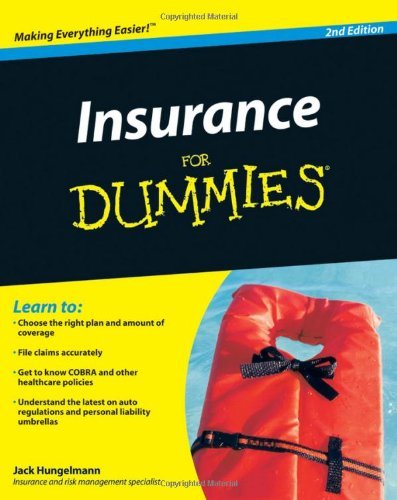
Insurance For Dummies?: Hungelmann, Jack
Whether you’re a homeowner or ... need on: ... Author Jack Hungelmann <strong>uses his twenty-five years of experience in the insurance industry to make buying insurance as simple as possible</strong>
Check Price on AmazonThe required parts of a Michigan auto policy
Personal Injury Protection (PIP): Pays for your and your household’s medical care and related costs after a crash, regardless of fault. You can choose your PIP medical limit:
- Unlimited
- $500,000
- $250,000
- $50,000 (available when the named insured is on Medicaid and your household meets certain criteria)
- Opt out of PIP medical (only if the named insured has Medicare Parts A & B and household members have qualified coverage) PIP can also include wage loss, replacement services (help with household tasks), and survivor benefits. Your choice here has one of the biggest impacts on the cost of auto insurance in Michigan.
Property Protection Insurance (PPI): $1,000,000 limit required. This is unique to Michigan. It covers damage your car causes to other people’s property in Michigan (like buildings, fences, or a properly parked vehicle). It does not pay for damage to moving vehicles.
Residual Bodily Injury & Property Damage Liability (BI/PD): Protects you if you’re sued in certain situations. Michigan’s required minimum liability limits are typically 50/100/10, meaning:
- $50,000 for bodily injury per person
- $100,000 for bodily injury per accident
- $10,000 for property damage (usually applies out of state) Note: Insurers must offer higher “default” BI options (often 250/500). You can choose lower, but many drivers stick with higher limits to protect assets.
Limited Property Damage Liability (Mini‑Tort): Lets the not‑at‑fault driver collect up to $3,000 from the at‑fault driver for their collision deductible or uncovered damage. Most policies include this automatically.
Optional but commonly recommended coverages
- Uninsured/Underinsured Motorist (UM/UIM): Covers your injuries if the other driver has little or no insurance. Not required, but strongly recommended.
- Collision and Comprehensive: Pay for repairs to your own car. Comprehensive covers non‑collision losses (theft, deer, hail). Collision covers crash damage. In Michigan, you can choose:
- Broad Collision: If you’re 50% or more at fault, you pay your deductible. If you’re not at fault, the insurer pays with no deductible.
- Standard Collision: You pay your deductible no matter who’s at fault.
- Limited Collision: Pays only if you’re not more than 50% at fault; if you are mostly at fault, there’s no collision coverage at all.
- Rental reimbursement and roadside assistance: Low-cost add‑ons that can save hassle after a loss.
If you want a refresher on what each coverage does (deductible means the amount you pay out of pocket before insurance kicks in), see our plain‑English breakdown: Understanding Auto Insurance Coverage Types.
Average car insurance rates in Michigan by age, vehicle, and driving record
Let’s level with you: auto insurance in Michigan is still among the pricier states, though reforms have helped. Your rate depends heavily on ZIP code, vehicle, credit-based insurance score, driving history, and especially your PIP choice.
Below are illustrative monthly premium ranges from recent market quotes we see for liability-only (minimums or near-minimums) and “full coverage” (higher liability limits plus comprehensive and collision). Your price will vary — sometimes significantly — based on your details and insurer.
- 18-year-old on parent’s policy, clean record
- Liability only: $170–350 per month (statewide ranges; higher in big cities)
- Full coverage: $280–600+ per month
- 25-year-old, clean record, 2018 Honda Civic, $250k PIP, broad collision $500 deductible
- Suburban areas: $160–280 per month
- City centers like Detroit: $260–500+ per month
- 35-year-old, clean record, 2021 Toyota RAV4, $250k PIP, broad collision $500 deductible
- Suburban areas: $150–260 per month
- City centers: $230–450+ per month
- 50-year-old, clean record, 2019 Ford F‑150, coordinated PIP (with health insurance), broad collision $1,000 deductible
- Many areas: $130–240 per month
- 65-year-old, clean record, 2017 Camry, $500k PIP, standard collision $500 deductible
- Many areas: $140–260 per month
- One at‑fault accident (last 3 years), otherwise clean, 35-year-old
- Add $50–$150+ per month vs. clean record, depending on insurer and ZIP
- DUI/OWI (Operating While Intoxicated) in the last 3–5 years
- Rates often 1.5x–3x higher than a comparable clean record; an SR‑22 (a financial responsibility filing your insurer sends to the state) may be required for license reinstatement
Vehicle choice matters, too. A 2019 Dodge Charger or a newer high‑theft model in Michigan can easily rate higher than a comparably priced sedan or small SUV, especially in areas with elevated theft rates.
Factors that affect Michigan auto insurance premiums
Here’s what typically moves the needle most in Michigan, and why:
- PIP medical limit: Choosing unlimited PIP usually costs most; $500k or $250k can reduce premiums. Medicaid‑qualified $50k PIP or Medicare PIP opt‑out can lower costs further if you’re eligible. Make sure your health coverage would actually handle crash injuries before coordinating or opting out.
- Coordinated vs. uncoordinated PIP: If you select “coordinated PIP” (your health insurance pays first for crash medical bills), your auto premium is typically lower. With “uncoordinated,” your auto policy pays first — often more expensive, but simpler at claim time.
- ZIP code and garaging: Urban areas, especially Detroit and some neighboring cities, tend to have higher rates due to claim frequency, severity, and theft.
- Driving history: Tickets, at‑fault crashes, and serious violations (like DUI/OWI) can raise rates for 3–5 years or more.
- Vehicle characteristics: Repair costs, safety features, and theft risk play big roles. Anti‑theft devices can help.
- Coverage and deductibles: Broad collision costs more than standard or limited; higher deductibles usually reduce premium.
- Credit-based insurance score: Michigan typically allows insurers to use credit-based insurance scores for rating, which can affect your price. Maintaining good credit can help.
- Prior insurance and lapses: A lapse in coverage can increase rates when you restart a policy.
- MCCA assessment: If you choose unlimited PIP, the Michigan Catastrophic Claims Association per‑vehicle fee often applies and can change annually. In some years, drivers with capped PIP may also see a smaller assessment. Your declarations page will show any assessment included in your premium.
How to compare and get the cheapest auto insurance in Michigan
If you want a lower premium without unpleasant surprises at claim time, compare smart — not just the sticker price.
What to look for when you shop
- PIP strategy that fits your health coverage
- If you have robust health insurance with low out‑of‑pocket costs, ask for coordinated PIP quotes and compare them to uncoordinated. If you’re on Medicare Parts A & B, you may qualify to opt out of PIP medical, but weigh the trade‑offs carefully.
- Liability limits that match your risk
- Consider 100/300/100 or higher if you have a home, savings, or future earnings to protect. The required 50/100/10 often isn’t enough in serious crashes that lead to lawsuits.
- Collision type that matches your budget and fault comfort
- Broad collision can save you a deductible when you’re not at fault — valuable in Michigan.
- Deductibles you could actually pay tomorrow
- A $1,000 deductible can meaningfully cut premium vs. $250, but only choose it if you can cover it.
- Real apples‑to‑apples quotes
- Match PIP limit, liability limits, collision type, and deductibles across all quotes. One different setting can swing price by hundreds.
Steps to find a better rate
Pull your current declarations page. List your PIP election, whether it’s coordinated or uncoordinated, liability limits, and comp/collision deductibles.
Decide what you’ll keep vs. change. For example, “I’ll compare $250k vs. $500k PIP, broad vs. standard collision, and $500 vs. $1,000 deductibles.”
Compare quotes from 3–5 carriers. The fastest way to see what you would actually pay is to compare quotes from several insurers on the same day, with identical coverages.
Ask about Michigan‑specific discounts. Coordinated PIP, usage‑based telematics, anti‑theft devices, and garaging can make a noticeable difference.
Check repair network and claims support. A rock‑bottom price isn’t helpful if it’s impossible to get a rental or parts after a crash.
Pause before dropping critical coverage. In Michigan, property damage to a moving vehicle you hit is generally handled by the other driver’s collision coverage — which is exactly why carrying your own collision matters for your car.
Call‑to‑action: Ready to see your real number? Get personalized quotes from 3–5 carriers — it’s the quickest way to find cheap auto insurance in Michigan for your situation.
Michigan‑specific discounts and savings opportunities
Insurers won’t always volunteer these. Ask directly:
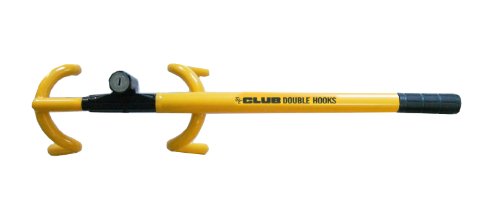
Winner International The Club 3000 Twin Hooks Steering Wheel Lock, Yellow : Automotive
View on Amazon- Coordinated PIP discount: If your health insurance will be primary for auto injuries, many carriers reduce your auto premium. Confirm any exclusions or networks to avoid surprises at claim time.
- PIP medical limit selection: Moving from unlimited to $500k or $250k PIP can lower costs. Only do this if the lower limit aligns with your risk tolerance and health plan.
- Usage‑based telematics: Apps or devices that score your driving (hard braking, phone use, late‑night trips). Safe drivers can often save 10%–30% after the first policy term, sometimes more.
- Multi‑policy/multi‑vehicle: Bundle home/renters and insure multiple cars with one carrier.
- Good driver and accident‑free: If you’ve gone 3–5 years without violations or at‑fault claims, ask for the best tiering available.
- Defensive driving/driver training: Particularly helpful for young drivers who complete state‑approved courses.
- Anti‑theft and VIN etching: Some carriers offer credits for alarms, immobilizers, or vehicle recovery systems.
- Pay‑in‑full or automatic payments: Small but easy savings.
- Affinity or employer groups: Credit unions, alumni associations, or large employers sometimes unlock discounts.
Important: Never misstate your garaging address or household drivers to get a lower price. That can lead to denied claims and policy cancellation.
Filing a claim in Michigan: what to expect
Here’s what usually happens after a crash — and what’s different in Michigan.
Immediate steps
- Make sure everyone is safe, call 911 if needed, and move to a safe location.
- Exchange information and take photos.
- File a police report when injuries, significant damage, or hit‑and‑run are involved.
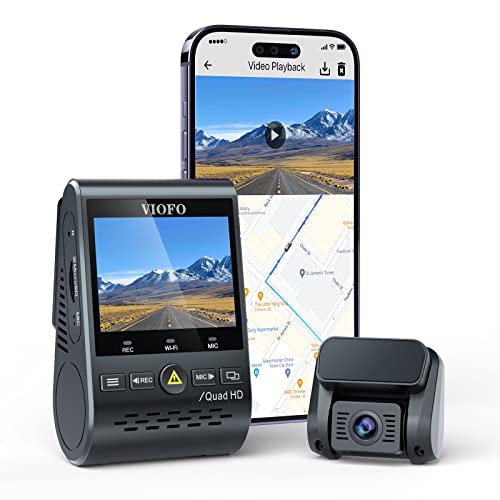
VIOFO Dual Dash Cam, 2K 1440P 60fps+1080P 30fps Front and Rear Dash Camera with Wi-Fi GPS, Parking Mode, Emergency Recording, Super Capacitor, Motion Detection (A129 Plus Duo) : Electronics
View on AmazonNotify your insurer promptly
- Report the claim as soon as possible — ideally within 24 hours. Provide the police report number, photos, and the other driver’s info.
Medical care and PIP
- Your PIP coverage pays your medical bills up to your selected limit. If you chose coordinated PIP, your health plan pays first; your auto PIP may cover what your health plan doesn’t, up to your limit.
- Michigan’s “one‑year‑back” rule generally means you must submit PIP expenses within one year of the service date for them to be payable. Keep records and submit bills promptly.
Vehicle repairs and deductibles
- If your car is damaged and you carry collision coverage, your own policy handles repairs, subject to your collision type and deductible. With broad collision, if you’re not at fault, the deductible is typically waived.
- If you don’t carry collision and another driver is at fault, you may be able to collect up to $3,000 via Michigan’s mini‑tort law to cover your deductible or part of the damage. For larger repairs, consider paying out of pocket or filing under your own collision in the future.
Damage to the other driver’s car
- In Michigan, damage to a moving vehicle is usually handled by that driver’s collision coverage. Your PPI doesn’t pay for moving vehicle damage (it can pay for damage to properly parked vehicles, buildings, fences, etc.).
If you’re sued
- Your residual BI/PD liability coverage provides a legal defense and pays judgments up to your limits in the limited situations where lawsuits are permitted. This is why carrying higher BI limits is often smart.
Have legal questions after a crash? Consider speaking with a Michigan attorney. For coverage questions, a licensed insurance agent can explain how your specific policy applies.
FAQ: common questions about Michigan car insurance
Is Michigan still a no‑fault state?
Yes. Michigan remains a no‑fault state. Your medical care after a crash is handled by your own PIP coverage, regardless of fault, up to your chosen limit.
What PIP limit should I choose?
There’s no one right answer. Many families land on $250k or $500k PIP as a balance of protection and price. If you have strong health insurance and savings, coordinated PIP with a capped limit may make sense. If you want the broadest medical protection with fewer network issues, unlimited uncoordinated PIP is the gold standard — but it costs more. A licensed agent can help you weigh cost vs. protection for your household.
Can I use my health insurance instead of PIP?
If you select “coordinated PIP,” your health plan pays first for crash medical bills and your auto policy becomes secondary. This often lowers your auto premium. Make sure your health plan doesn’t exclude auto injuries and understand deductibles, copays, and networks you’d face after a crash.
Do I need collision coverage in Michigan?
If your car is financed or leased, the lender requires it. If you own your car outright, collision is optional — but in Michigan, it’s often worth keeping because other drivers’ policies usually don’t pay for damage to your moving vehicle. Consider your car’s value and your ability to pay for repairs out of pocket.
What’s the difference between broad, standard, and limited collision?
- Broad: Deductible applies only if you’re 50% or more at fault; if not at fault, deductible is typically waived.
- Standard: Deductible applies regardless of fault.
- Limited: Pays only if you are not more than 50% at fault; no coverage if you’re mostly at fault.
Why is auto insurance in Michigan expensive?
Historically, unlimited medical benefits for everyone and high claim costs drove prices up. Reforms have reduced costs for many, but factors like high medical expenses, vehicle theft rates in some areas, and dense urban traffic still keep premiums elevated compared to many states.
What is an SR‑22 and when is it required?
An SR‑22 is a form your insurer files with the state to prove you carry the required insurance. In Michigan, drivers may be required to file an SR‑22 after certain violations (like DUI/OWI) to reinstate or maintain driving privileges. Not all insurers file SR‑22s, so you may need to shop around.
Can someone recover money from me for their vehicle damage if I’m at fault?
They can typically seek up to $3,000 through Michigan’s mini‑tort law to cover their deductible or part of their loss. Larger vehicle damage claims are usually handled through their own collision coverage.
Does credit affect my Michigan auto insurance rate?
In most cases, yes. Many insurers use a credit‑based insurance score to help set rates. Improving your credit can help lower your premium over time.
Will I get an MCCA refund again?
The Michigan Catastrophic Claims Association sets assessments and determines refunds based on its finances and claim projections. Refunds have happened in some years, but they aren’t guaranteed. Don’t plan your budget around them.
A quick note on getting personalized advice
Insurance is regulated at the state level, and details vary by company and by your health coverage. A licensed Michigan agent can review your PIP choices, coordinated vs. uncoordinated options, and collision type so you don’t pay for protection you don’t need — or skip something you’ll wish you had.
Your next step
The fastest way to see what you would actually pay is to compare quotes from 3–5 carriers with identical coverages (same PIP limit, liability limits, and collision type). Take 10 minutes to gather your current policy, then get side‑by‑side quotes. Even small changes — coordinated PIP, a higher deductible you can afford, or enrolling in a telematics program — can make auto insurance in Michigan more affordable while keeping the protections that matter most.
Recommended Resources
Insurance For Dummies?: Hungelmann, Jack
Whether you’re a homeowner or ... need on: ... Author Jack Hungelmann <strong>uses his twenty-five years of experience in the insurance industry to make buying insurance as simple as possible</strong>
VIOFO Dual Dash Cam, 2K 1440P 60fps+1080P 30fps Front and Rear Dash Camera with Wi-Fi GPS, Parking Mode, Emergency Recording, Super Capacitor, Motion Detection (A129 Plus Duo) : Electronics
Buy VIOFO Dual Dash Cam, 2K 1440P 60fps+1080P 30fps Front and Rear Dash Camera with <strong>Wi-Fi GPS, Parking Mode</strong>, Emergency Recording, Super Capacitor, Motion Detection (A129 Plus Duo): On
Winner International The Club 3000 Twin Hooks Steering Wheel Lock, Yellow : Automotive
The Club'S Patented Self-Locking Feature Locks With One Pull. Keyless Locking, for ease of use ... The Club 3000 Twin Hooks Steering Wheel Lock is <strong>a part of The Club line of quality produ
Related Articles
- Best Car Insurance in Michigan: Top Companies, Rates & How to Save
- Auto Insurance in Minnesota: Rates, Requirements & How to Save
- Home Insurance in Michigan: Coverage, Costs & Best Companies
- Auto Insurance in Maryland: Rates, Requirements & How to Save
- Auto Insurance in Arizona: Rates, Requirements & How to Save
- Auto Insurance in Massachusetts: Rates, Requirements & How to Save
- Auto Insurance in Georgia: Rates, Requirements & How to Save
- Auto Insurance in Florida: Rates, Requirements & How to Save