
Home Insurance in Florida: Coverage, Costs & Best Companies
You just got a quote for home insurance in Florida and the number made your eyebrows jump. Is that normal? In many parts of the state, yes. Between hurricanes, strict building codes, and shifting insurer appetites, Florida’s home insurance market is unique. Here’s what actually matters when choosing coverage, what it typically costs, and how to compare quotes smartly.
Note: We’ll use clear, plain language and explain every bit of jargon — because this stuff doesn’t need to be opaque.
Florida homeowners insurance requirements and typical coverage
Let’s start with the basics. Florida law does not require you to carry homeowners insurance, but if you have a mortgage your lender almost certainly will. Even if you own your home outright, going without coverage is typically a risky bet in a hurricane‑prone state.
Insurance for Dummies: Hungelmann, Jack
<strong>Manage life, health, and disability risks</strong> ― explore individual and group policies, understand Medicare basics, and evaluate long-term disability and long-term-care insurance ...
Check Price on AmazonA standard policy in Florida is usually an HO‑3 (the most common homeowners form) and it’s built from several parts:
- Dwelling coverage (Coverage A): The amount to rebuild the structure of your home, based on replacement cost (what it costs to rebuild today, not what you paid for the house). Insurers use a replacement cost estimator. Aim to cover full rebuild costs including labor spikes after storms.
- Other structures (Coverage B): Things like a detached garage, fence, or shed — typically 10% of Coverage A by default.
- Personal property (Coverage C): Your stuff — furniture, clothes, electronics. Often insured at either replacement cost (full cost to buy new) or actual cash value (ACV — replacement cost minus depreciation). Replacement cost is usually worth the extra premium.
- Loss of use (Coverage D): Pays for additional living expenses if a covered claim makes your home uninhabitable — hotels, short‑term rentals, meals.
- Personal liability (Coverage E): Protects you if you’re found legally responsible for injury or property damage to others. Many homeowners choose $300,000 to $500,000 limits.
- Medical payments to others (Coverage F): Small medical bills if a guest is hurt at your home, regardless of fault.
A few Florida‑specific wrinkles to know about:
- Hurricane deductible: In Florida, named storms typically trigger a separate percentage deductible — often 2%, 5%, or 10% of your dwelling limit. Example: With $400,000 dwelling coverage and a 2% hurricane deductible, you’d pay the first $8,000 of covered hurricane damage out of pocket. In most cases, the hurricane deductible applies once per calendar year if multiple named storms hit; check your policy.
- Windstorm coverage: Most standard policies in Florida include wind, but some coastal properties may have wind excluded and need a separate wind policy (or placement with Citizens, the state‑backed insurer of last resort).
- Flood is excluded: Standard homeowners insurance does not cover flood (rising water from outside). In Florida, flood insurance is often a smart add‑on through the National Flood Insurance Program (NFIP) or private carriers, and a lender will require it in high‑risk flood zones.
- Sinkholes and ground collapse: Florida policies generally include “catastrophic ground cover collapse” (extreme cases meeting strict criteria). Optional “sinkhole coverage” (broader, for sinkhole damage not meeting catastrophic thresholds) may be available for an added premium.
- Ordinance or law coverage: Pays to bring your home up to current building codes after a covered loss. Florida’s codes are strict; many owners increase this to 25% or 50% of dwelling coverage.
- Roof coverage details: Some insurers use a roof surfacing schedule or ACV on older roofs for wind/hail damage. Replacement cost on the roof costs more but can save you thousands after a storm.
- Screen enclosures, pool cages, and solar: These can be sub‑limited or excluded. Ask your insurer how they’re covered and whether you need an endorsement.
If you want a deeper primer on what each part of a homeowners policy does, this explainer is a helpful companion: What Does Home Insurance Cover?
Citizens Property Insurance Corporation: Citizens is Florida’s insurer of last resort. If you can’t find a private company willing to insure your home at a comparable price, you may qualify for Citizens. It’s designed as a safety net, not a bargain option. If a hurricane causes massive losses, Citizens can charge assessments (surcharges) to policyholders statewide.
Average home insurance costs in Florida by home value and location
Rates vary widely by carrier, county, roof age, and even your home’s distance to the coast. In recent years, many Florida homeowners report annual premiums ranging from roughly $3,000 to $10,000+ — with coastal and southern counties often at the high end. Your price will depend on your specific home and risk profile. Still, here are directional snapshots to set expectations.
By home value (dwelling limit) and distance from the coast, for a well‑maintained, single‑family home with a hip roof and no claims in the last 3–5 years:
- $250,000 dwelling limit
- Inland/away from coast: typically $2,200–$4,000 per year
- Near coast or wind‑exposed: typically $3,500–$6,500+
- $350,000 dwelling limit
- Inland/away from coast: typically $2,800–$5,500
- Near coast or wind‑exposed: typically $4,500–$8,500+
- $500,000 dwelling limit
- Inland/away from coast: typically $3,800–$7,500
- Near coast or wind‑exposed: typically $6,500–$12,000+
- $750,000+ dwelling limit
- Inland/away from coast: typically $5,500–$10,000+
- Near coast or wind‑exposed: typically $9,000–$18,000+
Illustrative regional scenarios (for context, not guarantees):
- Tampa Bay (Pinellas/Hillsborough): A 3‑bed concrete‑block home with a 2015 roof and $350,000 dwelling limit might see $4,000–$7,500 annually, depending on wind mitigation credits.
- Orlando/Central Florida: A similar $350,000 home may land around $2,800–$5,500, often lower than coastal metros when the roof is newer and the home is well‑mitigated.
- Miami‑Dade/Broward/Palm Beach: Coastal exposure and higher rebuild costs often push premiums into the $6,000–$12,000+ range for $400,000–$600,000 dwelling limits.
- Florida Keys/Monroe County: Due to extreme wind exposure, it’s not unusual to see $8,000–$15,000+ for higher‑value homes, with strict underwriting.
- Panhandle: Inland areas can be more moderate (say $3,000–$7,000 for mid‑value homes), while Gulf‑exposed homes trend higher.
What moves your price most in Florida:
- Roof age, material, and shape: Newer roofs, hip shapes, and impact‑rated coverings are favored.
- Wind mitigation features: Verified by a wind mitigation inspection — roof deck attachment type, secondary water resistance, opening protection (hurricane shutters/impact glass).
- Distance to coast/large body of water: Even a few miles can shift wind and flood exposure.
- Construction type: Masonry/concrete block homes often rate better than frame construction.
- Prior claims and coverage choices: Higher deductibles lower premiums; adding endorsements (like water backup) raises them.
The fastest way to see what you would actually pay is to compare quotes from 3–5 carriers on the same day. Rates in Florida change often, and one insurer’s appetite for your neighborhood can be very different from another’s.
Florida-specific risks: natural disasters, weather, and regional factors
- Hurricanes and tropical storms: Wind, debris, and heavy rain are the headline risks. Your hurricane deductible (a percentage of dwelling coverage) applies when a named storm triggers it.
- Storm surge and flood: These are not covered by standard homeowners policies. If your home is in a Special Flood Hazard Area (or you’re close to tidal water), consider flood insurance. Many Floridians inland buy it too, because heavy rain events can cause flooding.
- Wind‑borne debris: Windows, doors, and garage doors are key failure points. Impact‑rated protection can reduce both damage and premiums.
- Lightning and severe thunderstorms: Florida is lightning‑prone; most policies cover direct lightning damage, but sensitive electronics benefit from surge protection.
- Sinkholes/ground cover collapse: Certain regions (like the I‑4 corridor) are more prone. Understand the difference between the catastrophic ground cover collapse included in most policies and optional broader sinkhole coverage.
- Heat and humidity: Roof lifespan and water intrusion risks can differ from other states; insurers scrutinize maintenance and roof condition.
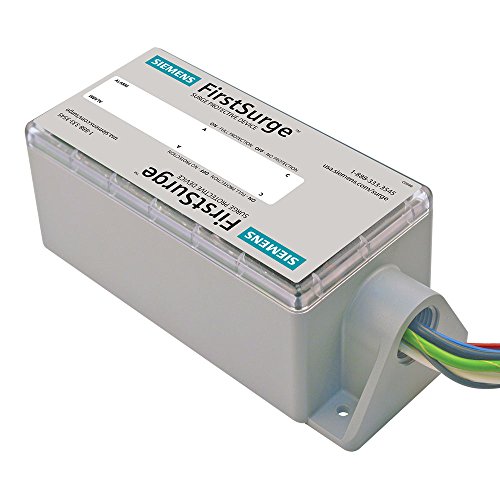
Siemens FS140 Whole House Surge Protection Device Rated for 140,000 Amps : Electronics
FHSPD140 Whole House Surge Protector FS140 Whole House Surge Protection Device <strong>Rated for 140,000 Amps, Whole Home Surge Protector, Indoor/Outdoor Use, 120/240V</strong>
Check Price on AmazonHow to compare home insurance quotes in Florida
Here’s how to make an apples‑to‑apples comparison that reflects the realities of home insurance in Florida.
- Match the big numbers
- Dwelling coverage: Use a realistic rebuild estimate. If your estimate seems low, ask the agent to walk you through their replacement cost tool inputs (square footage, construction type, upgrades).
- Personal property: Choose replacement cost coverage for your belongings if available.
- Liability: $300,000 or $500,000 is common; consider more if you have a pool, trampoline, or significant assets.
- Line up deductibles — especially the hurricane deductible
- Standard deductible: The amount you pay out of pocket for non‑hurricane claims before insurance kicks in.
- Hurricane deductible: Percentage of dwelling coverage, typically 2–10%. Verify whether it’s calendar‑year based (usually is) and what events trigger it per your policy language.
- Ask the critical Florida questions
- Wind coverage: Is wind included or excluded? If excluded, what’s the plan for separate wind or Citizens placement?
- Roof settlement: Replacement cost or ACV? Any roof surfacing schedules? How do they treat older roofs?
- Water damage limits: Any sublimits or exclusions for sudden/accidental discharge or water backup? Do you need a water backup endorsement?
- Ordinance or law: What percentage (10%, 25%, 50%)? In Florida, 25–50% is common due to code upgrades.
- Screen enclosures/solar/pool cages: Are they fully covered or sub‑limited?
- Animal liability: Any breed restrictions or exclusions?
- Verify discounts and inspection requirements
- Wind mitigation inspection: This low‑cost report often unlocks substantial credits. If you have shutters/impact glass, sealed roof deck, or a hip roof, make sure they’re documented.
- Four‑point inspection: For older homes, insurers will want to see recent condition of the roof, plumbing, electrical, and HVAC.
- Carrier quality and staying power
- Financial strength and Florida experience matter. Ask about financial ratings and Florida claims experience. You can also look at complaint trends and how quickly they settled after recent storms.
Helpful deep dives while you compare:
- Home Insurance Guide 2026 — Compare Quotes, Coverage & Costs
- Homeowners Insurance: A Complete Guide to Coverage, Costs & Quotes
Smart next step: Get personalized quotes from 3–5 carriers on the same coverage setup (same dwelling limit, same deductibles, same endorsements). It’s the quickest way to see where you actually land in today’s Florida market.
Discounts and bundling opportunities for Florida homeowners
Insurers in Florida reward hardening your home against wind and water — and bundling other policies when available.

YoLink Water Leak Starter Kit: Hub + 4 Leak Sensor 1 (Silent), LoRa Long-Range, App/SMS/Email Alerts, D2D Offline Triggers, 2 AAA Up to 5-Year Battery, Compatible with Alexa/IFTTT/Home Assistant - Amazon.com
View on Amazon- Wind mitigation credits: Documented features like impact‑rated windows/doors, a hip roof, enhanced roof deck attachment (e.g., ring‑shank nails), secondary water resistance, and hurricane shutters often produce meaningful savings.
- Newer roof discount: Many companies favor roofs under 10–15 years old, with bigger credits for impact‑rated coverings.
- Protective devices: Central fire and burglar alarms, monitored leak detection, and whole‑home surge protection can help.
- Claims‑free: A clean recent claims history generally helps.
- Pay‑in‑full, paperless, and auto‑pay: Modest but easy wins.
- Newer home or complete updates: Homes built to the latest codes (or with recent electrical/plumbing/HVAC updates) often score better rates.
- Bundle home and auto: When available, bundling can trim costs. If you’re shopping both, this Florida auto guide is a useful companion: Auto Insurance in Florida: Rates, Requirements & How to Save
Pro tip: Schedule a wind mitigation inspection before shopping, or be ready to share a recent report. Without it, many carriers assume worst‑case and your quote may look artificially high.
Filing a home insurance claim in Florida
When a storm hits, process and timing matter. Here’s a straightforward roadmap.
- Protect people and prevent further damage
- Make emergency repairs to stop additional damage (tarp a roof, shut off water). Keep all receipts — these are typically reimbursable under “reasonable repairs.”
- Document everything
- Take photos/videos of all damage from multiple angles. Create a quick list of affected rooms and items.
- Notify your insurer promptly
- Most policies require prompt notice. Florida law currently gives up to one year to file most property claims (and typically 18 months for supplemental claims), but waiting rarely helps and can create headaches. Hurricanes may have specific deadlines — check your policy.
- Be mindful of the hurricane deductible
- If a named storm triggered your percentage deductible, understand your out‑of‑pocket before authorizing major repairs.
- Meet the adjuster and keep records
- Walk the adjuster through damage. Keep a log of calls, emails, and estimates. If you hire your own contractor or public adjuster, vet credentials carefully.
- Be cautious with assignment of benefits (AOB)
- An AOB lets a contractor bill your insurer directly. Florida has reformed AOB practices, but signing one still means you’re handing over certain rights. When in doubt, talk to your insurer or a licensed agent first.
- Know your options if you disagree
- You can request a re‑inspection, use your policy’s appraisal clause if applicable, or inquire about state‑sponsored mediation. Each path has rules — ask your insurer to explain them.
Emergency preparedness tip: Keep a home inventory (even a smartphone video walkthrough) and store critical documents in a digital cloud. After a loss, it speeds everything up.
FAQ: common questions about Florida homeowners insurance
Is hurricane damage covered by home insurance in Florida?
- Wind damage from hurricanes is typically covered unless your policy excludes wind. You’ll likely have a separate hurricane deductible (a percentage of dwelling coverage). Flood from storm surge is excluded and requires separate flood insurance.
What is a good hurricane deductible in Florida?
- Many homeowners choose 2% or 5% of dwelling coverage. A higher percentage lowers your premium but increases out‑of‑pocket cost in a named storm. Pick a number you could realistically pay after a hurricane.
Do I need flood insurance if I’m not near the coast?
- Lenders require flood insurance in high‑risk zones, but heavy rain events can flood inland homes too. Many Floridians outside high‑risk zones still buy flood coverage for peace of mind. Rates vary by elevation and flood model, not just distance to water.
Why are Florida home insurance rates so high?
- Concentrated wind risk, litigation history, reinsurance costs, and roof replacements drive premiums. Recent reforms aim to stabilize the market, but pricing still varies widely by location and roof condition.
Can I get insurance with an older roof?
- Sometimes, yes — but many carriers have strict roof age or condition rules. A well‑maintained roof with documentation can help. Expect higher premiums or actual cash value (ACV) settlements on older roofs unless you upgrade.
What is Citizens and when would I use it?
- Citizens Property Insurance Corporation is the state‑backed insurer for homeowners who can’t find comparable private coverage. It’s often a backstop — not necessarily the cheapest. It can levy assessments after severe loss years.
What’s the difference between replacement cost and ACV on the roof?
- Replacement cost pays to rebuild with new materials of like kind and quality. Actual cash value (ACV) deducts for depreciation (age/wear). Replacement cost is usually more valuable after wind or hail but can cost more in premium.
Is short‑term rental (Airbnb/VRBO) activity covered?
- Standard policies often limit or exclude business/rental activity. If you rent your home, even occasionally, ask about a rental endorsement or a landlord/short‑term rental policy.
How can I lower my premium without underinsuring?
- Get a wind mitigation inspection and act on the biggest credits (opening protection, roof deck attachment). Consider a higher hurricane deductible you can still afford. Shop 3–5 carriers and ask about bundling and water‑loss prevention devices.
Will filing a claim raise my rate?
- A claim can affect pricing or eligibility at renewal, especially water and roof claims. Don’t avoid legitimate claims, but consider the size versus your deductible and potential premium impact. Ask your agent for perspective.
Ready to compare quotes?
If you’re shopping for home insurance in Florida, the smartest, fastest way to see your real price is to compare quotes from 3–5 carriers with the same coverage setup. A licensed agent can help you dial in accurate rebuild costs and find wind mitigation credits you may be missing.
If you want more background while you compare, these resources can help:
- What Does Home Insurance Cover?
- Home Insurance Guide 2026 — Compare Quotes, Coverage & Costs
- Homeowners Insurance: A Complete Guide to Coverage, Costs & Quotes
Quick note: Insurance pricing and availability change frequently in Florida. All ranges above are illustrative; your actual costs will vary based on your home, location, and the carrier’s underwriting.
Next steps
- Gather details: Year built, square footage, roof age/material, updates, any wind mitigation features (photos help).
- Get a wind mitigation inspection if you don’t have one — it can pay for itself.
- Compare at least 3–5 quotes on identical coverage inputs. Ask for options with 2% and 5% hurricane deductibles, and quote both roof ACV and replacement cost if available.
- Talk to a licensed agent for personalized advice on coverage limits and endorsements like ordinance or law and water backup.
With the right setup — and a little persistence — you can secure strong protection that reflects the realities of home insurance in Florida without overpaying for uncertainty you don’t have to carry.
Recommended Resources
Insurance for Dummies: Hungelmann, Jack
<strong>Manage life, health, and disability risks</strong> ― explore individual and group policies, understand Medicare basics, and evaluate long-term disability and long-term-care insurance ...
YoLink Water Leak Starter Kit: Hub + 4 Leak Sensor 1 (Silent), LoRa Long-Range, App/SMS/Email Alerts, D2D Offline Triggers, 2 AAA Up to 5-Year Battery, Compatible with Alexa/IFTTT/Home Assistant - Amazon.com
YoLink Water Leak Starter Kit: <strong>Hub + 4 Leak Sensor 1 (Silent), LoRa Long-Range, App/SMS/Email Alerts, D2D Offline Triggers, 2 AAA Up to 5-Year Battery, Compatible with Alexa/IFTTT/Home Assista
Siemens FS140 Whole House Surge Protection Device Rated for 140,000 Amps : Electronics
FHSPD140 Whole House Surge Protector FS140 Whole House Surge Protection Device <strong>Rated for 140,000 Amps, Whole Home Surge Protector, Indoor/Outdoor Use, 120/240V</strong>
Related Articles
- Home Insurance in Florida: Quotes, Costs & Hurricane Tips
- Best Home Insurance in Florida: Top Companies & How to Save
- Auto Insurance in Florida: Rates, Requirements & How to Save
- Life Insurance in Florida: Coverage Options, Costs, and How to Choose
- Home Insurance in Arizona: Coverage, Costs & Best Companies
- Cheapest Car Insurance in Florida: Compare Quotes & Save
- Home Insurance in Georgia: Coverage, Costs & Best Companies
- Home Insurance in Colorado: Coverage, Costs & Best Companies