
Life Insurance in Alaska: What Residents Need to Know
You’re trying to figure out life insurance in Alaska, and you want straight answers. How much coverage do you really need? Will living off the road system make it harder to get approved? And what will it actually cost? Here’s what matters most for Alaskans—without the sales fluff.
Life Insurance in Alaska: The basics
Life insurance in Alaska works the same way it does in the Lower 48: you pay a premium (the amount you pay the insurer, typically monthly) and, if you pass away while the policy is in force, your beneficiaries (the people you choose to receive the money) get a death benefit (the tax-free lump sum paid out by the insurer).
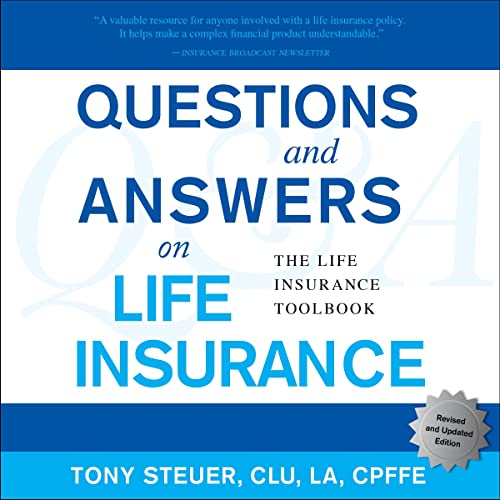
Questions and Answers on Life Insurance: Steuer, Tony
*Amazon Best Seller in Life Insurance* Questions and Answers on Life Insurance is <strong>an extremely useful and one of a kind resource for anyone looking for a simple way to understand life insuranc
Check Price on AmazonMain policy types you’ll see:
- Term life insurance: Coverage for a set period—10, 15, 20, 25, or 30 years. It’s usually the most affordable way to protect income while you’re raising kids or paying a mortgage. There’s no cash value (savings component). When the term ends, coverage ends or can sometimes be extended at a higher cost.
- Whole life insurance: A type of permanent life insurance (coverage that can last your whole life if premiums are paid) that also builds cash value (a savings-like account you can borrow against). Premiums are higher, but benefits and cash value growth are typically guaranteed.
- Universal life insurance: Another form of permanent coverage with flexible premiums and adjustable death benefit. Some versions have interest-based growth; indexed or variable versions track a market index or investments. More flexibility, more moving parts.
- Final expense (burial) insurance: Smaller permanent policies—often $5,000 to $25,000—designed to cover funeral and end-of-life costs. Usually easier underwriting, but the cost per dollar of coverage is higher.
Key terms, in plain English:
- Premium: What you pay the insurer to keep your policy active.
- Death benefit: The lump sum your beneficiaries receive when you die.
- Beneficiaries: The people or entities you name to receive the death benefit.
- Term length: How long a term policy lasts (e.g., 20 years).
- Riders: Optional add-ons to a policy, like an accelerated death benefit rider (lets you access part of the benefit if you’re diagnosed with a qualifying terminal illness) or a waiver of premium rider (the insurer pays premiums if you become disabled, per the rider’s definition).
If you want a quick refresher on the differences between term and permanent coverage, here’s a deeper dive into Whole Life Insurance Explained: Benefits, Costs, and How to Buy.
Alaska-specific factors that can affect cost, access, and planning
Life insurance in Alaska isn’t automatically more expensive, but a few realities can shape your choices and timeline.
- Rural access and scheduling: If you live off the road system or in a village, scheduling a paramed exam (a brief health check with blood/urine) can take longer. Many carriers now offer “no-exam” policies for qualified applicants, or they’ll send a mobile examiner when travel allows. Winter storms can delay lab shipments; build extra time into your plan.
- Occupation and hobbies: Commercial fishing, bush flying (as pilot), oilfield work, mountaineering, backcountry skiing, and frequent snowmachine use can be flagged as higher risk. That doesn’t mean you’ll be declined, but underwriting (the insurer’s risk review) may ask more questions, add a “flat extra” (an added charge), or offer a different rate class.
- Health care access: Limited local medical records or infrequent checkups can slow underwriting. If you don’t have recent labs, some insurers may require them; others use prescription histories and medical records instead.
- Weather and travel realities: In-state medical travel, medevac membership costs, and potential remains transport can meaningfully change how much coverage you want. Many Alaska families plan for funeral costs plus possible transport from a remote area to a chosen resting place.
- Cost of living: Heating fuel, groceries, and travel costs are typically higher in much of Alaska. If the goal is to replace income, your coverage amount may need to account for these higher ongoing expenses.
- Cannabis use: Marijuana is legal in Alaska, but insurers typically underwrite it like tobacco or flag frequency of use. Occasional users may get better pricing than daily users, but rules vary widely by company.
Bottom line: Your zip code doesn’t set your price, but the lifestyle that often comes with Alaska living—distance, weather, and certain jobs or hobbies—can influence underwriting and timing.
How much life insurance Alaskans may need
Start with your goal: If you weren’t here tomorrow, what bills need to be paid, and for how long? Consider:

I'm Dead, Now What? Planner - Important Information about My Belongings, Business Affairs, and Wishes: Peter Pauper Press
I'm Dead, Now What? Planner - <strong>Important Information about My Belongings, Business Affairs, and Wishes</strong> [Peter Pauper Press] on Amazon.com. *FREE* shipping on qualifying offers. I&
Check Price on Amazon- Income replacement: How many years of your income do you want to cover? A common benchmark is 10–15x annual income, but your number may be higher or lower.
- Debts and big expenses: Mortgage, auto loans, private student loans, credit cards, plus future needs like daycare, college savings, and elder care.
- End-of-life costs: Funerals in Alaska can run $8,000–$15,000 or more, and transporting remains from rural regions to Anchorage or out of state can add thousands.
- Existing assets and other insurance: Savings, investments, employer group life, and Social Security survivor benefits.
Two quick examples (illustrative only—rates vary by health, age, insurer, and many other factors):
- Anchorage family, age 35, non-smoker, two kids: Household income $80,000. They want the mortgage paid and 12 years of income replacement. They might choose $1,000,000 of 20- or 25-year term life. Recent market quotes for healthy non-smokers in their mid-30s often fall roughly in the $25–$60/month range for $500,000 coverage and about double that for $1,000,000, depending on gender and health class. Your actual rate could be lower or higher.
- Bethel resident, age 52, seasonal worker: Wants to cover $10,000 in credit cards, $15,000 for funeral, and $5,000–$10,000 for potential transport costs. A $50,000–$100,000 policy (term or small permanent) may fit. Expect a wider premium range at this age; comparing multiple carriers is key.
A practical approach: Add up debts + 10–15x income + final expenses − savings and existing coverage. Round up to the nearest $100,000 so your family has cushion for Alaska’s higher living and travel costs.
If you’re in your 20s or 30s, locking in a rate while you’re young and healthy typically saves a lot over time. Here’s a helpful primer: Life Insurance for Young Adults: Why to Buy Now, What to Choose, and How to Save.
How to compare life insurance quotes in Alaska
The fastest way to see what you would actually pay is to compare quotes from 3–5 Alaska-licensed carriers. Here’s what to look for as you shop.
- Financial strength: Look for strong A.M. Best ratings (A− or better is common for household names). Strong financials help ensure claims get paid.
- Policy type fit:
- Term for most income-replacement needs. Choose a term that outlasts your biggest obligations (e.g., mortgage payoff or youngest child’s graduation).
- Permanent (whole or universal) if you want lifelong coverage or to build cash value. Permanent can also support estate planning or special needs.
- Conversion options: A term conversion rider (lets you convert term to permanent without a medical exam, typically within a window) is valuable if your health changes later.
- Common riders (and what they mean):
- Accelerated death benefit: Access part of the benefit if you’re diagnosed with a qualifying terminal or specified illness.
- Waiver of premium: Keeps the policy in force if you meet the policy’s definition of disability.
- Child rider: Provides a small amount of coverage for children, often convertible to their own policy later.
- Accidental death benefit: Pays an additional amount if death is accidental (definitions vary by policy).
- Underwriting approach:
- Fully underwritten: Best pricing for healthy applicants, but may require a paramed exam and can take 3–6+ weeks.
- Simplified issue/no-exam: Faster, easier, but premiums are typically higher per dollar of coverage; available limits may be lower.
- Alaska lifestyle fit: If you fly recreationally, fish commercially, or work on the Slope, ask up front which carriers are friendlier to those risks. Policies can price such activities differently.
- Service and claims reputation: Check NAIC complaint ratios and customer reviews. Local agents who understand Alaska’s realities can be a big help even with online-focused companies.
Helpful resource to get organized: Life Insurance: How to Choose the Right Policy and Get Quotes.
Call to action: Want to see real numbers for your age and health? Compare quotes from 3–5 carriers side-by-side. It’s the quickest way to find the best fit and price.
Term vs. permanent life insurance, briefly
- Term life: Usually the best value for covering the “big years” when your income is essential. Many families layer or “ladder” (buy more than one term with different end dates) to match changing needs.
- Whole life: Premiums are higher, but coverage and cash value growth are generally guaranteed. Often used for lifelong needs, legacy goals, or to fund certain trusts.
- Universal life (including indexed/variable): More flexible premiums and potential for higher cash value growth—along with more complexity and investment risk in some versions. Make sure you understand how charges and interest crediting work over time.
If permanent coverage is on your radar, give this a read: Whole Life Insurance Explained: Benefits, Costs, and How to Buy.
Alaska-specific application tips and timelines
Applying is straightforward, but plan ahead if you’re in a remote area or have seasonal work.
- Application and interview: Most carriers offer fully digital applications. Expect a health and lifestyle questionnaire; some conduct a brief phone interview.
- Records and data checks: Insurers typically review prescription histories, the MIB (a database that notes past insurance applications), and motor vehicle records. Having a recent checkup helps, but it’s not always required.
- Paramed exam (if needed): A 20–30 minute visit for vitals and labs. Off the road system, mobile examiners may need to coordinate travel; in winter, allow extra time for weather-related delays.
- No-exam options: Many healthy applicants qualify for accelerated or instant decisions using data checks instead of bloodwork. Coverage amounts vary by carrier and age.
- What affects approval and price: Age, health (blood pressure, BMI, A1C), tobacco/cannabis use, medications, family history, driving record (DUIs are a big factor), and risky activities (e.g., piloting, mountaineering, commercial fishing). Honesty matters—misstatements can void a policy during the two-year contestability period (the time when insurers can review and potentially deny a claim for material misrepresentation).
- Payment and start date: Policies usually start (are “in force”) when the first premium is paid and the insurer issues the policy. Some carriers offer temporary coverage once you apply and pay the first premium—ask what applies in Alaska.
If you run into snags (like an exam delay in a village), ask about:
- An alternative carrier with no-exam underwriting
- Using recent employer or clinic labs, if acceptable
- Scheduling exams during known travel to Anchorage/Fairbanks/Juneau
FAQs: Life insurance in Alaska
- Are life insurance rates higher in Alaska? Not automatically. Your age, health, and lifestyle drive pricing more than ZIP code. That said, certain high-risk hobbies and occupations more common in Alaska can affect rates.
- Can I get a policy if I live in a rural village off the road system? Typically yes. Many carriers support digital applications and will coordinate an exam if needed—or offer no-exam coverage for eligible applicants.
- Do I need an Alaska driver’s license? You’ll need valid government ID, but it doesn’t have to be a driver’s license. Some carriers also verify your address and residency status.
- What if I move out of Alaska later? Your policy travels with you. You don’t have to re-qualify if you move.
- Does the Permanent Fund Dividend (PFD) count as income? Underwriting focuses on your regular earned income and financial profile. You don’t usually need to count the PFD, but your agent can advise on your situation.
- How fast can I get covered? Simplified or accelerated policies can offer decisions in minutes to days. Fully underwritten policies often take 2–6 weeks, longer if medical records or rural exams are delayed.
- What about grace periods and “free look”? Most policies include a grace period (around 30 days) for late payments and a free-look period (often at least 10 days) to review and cancel for a refund. Check your specific contract.
Where Alaskans can get help
- Licensed agents and brokers: A local or Alaska-savvy broker can spot underwriting pitfalls (like aviation or commercial fishing) and steer you to friendly carriers.
- Alaska Division of Insurance: You can verify that a company is licensed in Alaska and review consumer resources.
- Online marketplaces: Great for checking multiple quotes at once—just confirm the carriers are licensed in Alaska.
Note: This guide is educational. For advice tailored to your health, family, and finances, talk with a licensed agent.
Smart next steps
- Decide on a target amount and term length. Use the debts + income replacement + final costs − assets formula, then round up for Alaska-specific costs.
- Compare quotes from 3–5 carriers. Look closely at conversion options, riders you actually need, and underwriting friendliness for your job or hobbies.
- Choose the policy you’ll keep. A slightly lower premium is meaningless if the policy doesn’t fit your life or if renewing later will be painful.
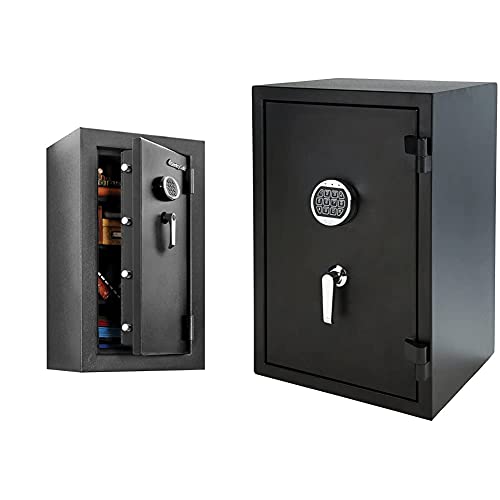
SentrySafe Waterproof and Fireproof Alloy Steel Digital Safe Box for Home with Code Button Keypad, 1.23 Cubic Feet, 17.8 x 16.3 x 19.3 Inches (exterior), SFW123GDC - Gun Safes And Cabinets - Amazon.com
View on AmazonReady to see real offers? The fastest way to confirm what you’d actually pay is to compare quotes from multiple Alaska-licensed insurers. If you want a structured walkthrough, start here: Life Insurance: How to Choose the Right Policy and Get Quotes.
Recommended Resources
Questions and Answers on Life Insurance: Steuer, Tony
*Amazon Best Seller in Life Insurance* Questions and Answers on Life Insurance is <strong>an extremely useful and one of a kind resource for anyone looking for a simple way to understand life insuranc
I'm Dead, Now What? Planner - Important Information about My Belongings, Business Affairs, and Wishes: Peter Pauper Press
I'm Dead, Now What? Planner - <strong>Important Information about My Belongings, Business Affairs, and Wishes</strong> [Peter Pauper Press] on Amazon.com. *FREE* shipping on qualifying offers. I&
SentrySafe Waterproof and Fireproof Alloy Steel Digital Safe Box for Home with Code Button Keypad, 1.23 Cubic Feet, 17.8 x 16.3 x 19.3 Inches (exterior), SFW123GDC - Gun Safes And Cabinets - Amazon.com
<strong>SentrySafe Medium Gray Fireproof Safe and Waterproof Safe Box with Dial Combination, Home Security for Money, Documents, or other Valuables</strong>, 1.23 Cubic Feet, SFW123DSB
Related Articles
- Auto Insurance in Alaska: Rates, Requirements & How to Save
- Home Insurance in Alaska: Coverage, Costs & Best Companies
- Life Insurance in Alabama: What Residents Need to Know
- Health Insurance in Alaska: Plans, Costs & How to Enroll
- Life Insurance in Arizona: What Residents Should Know Before Buying
- Life Insurance in Arkansas: What Residents Need to Know
- Life Insurance in Illinois: What Residents Need to Know
- Life Insurance in Idaho: What Residents Need to Know