
Home Insurance in Alaska: Coverage, Costs & Best Companies
You are shopping for home insurance in Alaska and the numbers feel all over the map. What actually needs to be covered here—earthquakes, wildfire, ice dams, fuel oil tanks? And what do people like you typically pay in Anchorage, Fairbanks, Juneau, or out in the Valley or Kenai? This guide lays out how Alaska homeowners insurance works, what typically costs what, and how to compare quotes the right way so you are not overpaying or underinsured.
Alaska homeowners insurance requirements and typical coverage
First, a reality check: Alaska does not require homeowners insurance by law. But if you have a mortgage, your lender will require you to carry it. And even without a lender, protecting your biggest asset from fire, wind, theft, and other losses is usually a smart move.
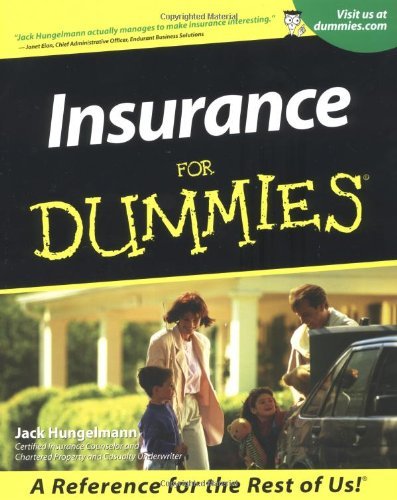
Insurance for Dummies: Hungelmann, Jack
<strong>Manage life, health, and disability risks</strong> ― explore individual and group policies, understand Medicare basics, and evaluate long-term disability and long-term-care insurance ...
Check Price on AmazonA standard HO-3 policy (the most common homeowners policy) typically includes:
- Dwelling coverage (Coverage A): Pays to repair or rebuild your home if it is damaged by a covered peril. Insurers recommend using replacement cost (what it costs to rebuild today) rather than market value.
- Other structures (Coverage B): Fences, detached garages, sheds—usually 10% of your dwelling limit by default.
- Personal property (Coverage C): Your stuff—furniture, clothes, electronics. You can choose actual cash value (depreciated) or replacement cost (new for old). Replacement cost generally costs more but pays better at claim time.
- Loss of use (Coverage D): Also called additional living expense or ALE. Pays for temporary housing, meals, and extra costs if a covered claim makes your home unlivable.
- Personal liability (Coverage E): If someone is injured or you cause property damage and are legally responsible. Many homeowners in Alaska carry $300,000–$500,000.
- Medical payments to others (Coverage F): Small medical bills for guests injured on your property, regardless of fault, usually $1,000–$5,000.
Key policy terms explained
- Deductible: The amount you pay out of pocket before insurance pays. For example, with a $1,000 deductible, a $10,000 covered loss typically nets $9,000 from your insurer.
- Open-peril vs. named-peril: Most HO-3 policies cover your dwelling on an open-peril basis (everything except what is excluded) and your personal property on a named-peril basis (specific causes of loss listed in the policy).
- Replacement cost vs. actual cash value (ACV): Replacement cost pays to repair/replace without subtracting depreciation; ACV subtracts depreciation. Ask for replacement cost on both dwelling and personal property if you can.
Alaska-specific add-ons to consider
- Earthquake coverage: Standard policies exclude earth movement. You can add an earthquake endorsement or buy a separate policy. Deductibles are typically a percentage of your dwelling limit (often 10%–20%).
- Flood insurance: Standard homeowners policies exclude flood (rising water from outside). Consider an NFIP or private flood policy, especially near rivers, coasts, or ice-jam-prone areas. There is usually a 30-day waiting period for NFIP.
- Water backup of sewer/sump: Adds coverage if a sewer backs up or sump pump fails—commonly offered in $5,000–$25,000 limits.
- Service line coverage: Pays to repair underground lines you own (water, sewer, electrical) damaged by wear-and-tear or freezing.
- Equipment breakdown: Covers sudden failure of systems like boilers, heat pumps, or appliances not caused by wear-and-tear alone.
- Home heating oil endorsement: Many Alaska homes have fuel oil tanks. Standard policies often exclude gradual leaks or pollution cleanup. Ask about a heating oil spill endorsement that can help with cleanup and property damage.
- Ordinance or law: Pays extra costs to bring a damaged home up to current building codes—useful in older structures and remote areas where rebuild costs can spike.
What matters most in Alaska
- Accurate rebuild cost: Remote locations, barge or ferry transport, and winter construction windows can push rebuild costs higher than you expect. Ask your agent to run an updated replacement cost estimate and consider extended replacement cost (often an extra 25%–50% over your limit).
- Adequate loss of use: Housing is tight in many communities. Consider higher ALE limits or longer coverage periods (12–24 months) so you are not out-of-pocket if repairs take a while.
- Roof coverage type: Verify whether your roof is covered at replacement cost or ACV, especially in high-snow and high-wind areas.
Average home insurance costs in Alaska by home value and location
Rates vary widely based on your home’s replacement cost, age and roof condition, heating type (wood stove or oil can add surcharge), distance to a fire station or hydrant, claims history, credit-based insurance score (where allowed), and—very important in Alaska—how remote the property is.
Based on recent market scans as of 2024, here are illustrative annual premium ranges for a well-maintained, frame-construction primary home with a $1,000 deductible and replacement cost coverage. These are not quotes—your rate will vary.
Anchorage (hydrant within 1,000 feet, 5 miles to staffed fire station)
- $250,000 dwelling: roughly $950–$1,450 per year
- $350,000 dwelling: roughly $1,200–$1,900 per year
- $500,000 dwelling: roughly $1,650–$2,600 per year
Fairbanks/North Pole area (colder temps, some wildfire interface, many homes on fuel oil)
- $250,000 dwelling: roughly $1,050–$1,650
- $350,000 dwelling: roughly $1,350–$2,200
- $500,000 dwelling: roughly $1,900–$3,000
Juneau/Southeast coastal communities (heavy precipitation, coastal wind, logistics)
- $250,000 dwelling: roughly $1,000–$1,600
- $350,000 dwelling: roughly $1,300–$2,000
- $500,000 dwelling: roughly $1,800–$2,900
Mat-Su (Palmer/Wasilla and surrounding areas)
- $250,000 dwelling: roughly $1,000–$1,700
- $350,000 dwelling: roughly $1,300–$2,200
- $500,000 dwelling: roughly $1,900–$3,100
Kenai Peninsula (Soldotna, Kenai, Homer; coastal wind and wildfire exposure in some areas)
- $250,000 dwelling: roughly $1,050–$1,750
- $350,000 dwelling: roughly $1,350–$2,250
- $500,000 dwelling: roughly $1,950–$3,150
Rural/remote properties (limited or no local fire protection, no hydrants, difficult access)
- $250,000 dwelling: often $1,800–$3,500+
- $350,000 dwelling: often $2,300–$4,500+
- $500,000 dwelling: often $3,200–$6,500+
Real-world scenario examples
- Anchorage example: 1,800 sq. ft. home built in 1995, $350,000 dwelling coverage, 8-year-old composite roof, gas heat, monitored alarm, $1,000 deductible. Quotes typically fall around $1,300–$1,900 annually, depending on the insurer and your credit/claims profile.
- Fairbanks example: 2,100 sq. ft. home built in 1982, $350,000 dwelling coverage, metal roof, oil heat plus a compliant wood stove, unmonitored smoke detectors, $1,500 deductible. Quotes often range $1,500–$2,300.
- Remote cabin example: 1,200 sq. ft. primary residence 20 miles from the nearest fire station with no hydrants, $300,000 dwelling coverage, wood heat, road access only seasonally. Surplus-lines or specialty-market quotes may range from $2,800–$5,000+ due to fire protection class and access.
Remember: Insurers can price the same home very differently, and rates can change quickly. The fastest way to see what you would actually pay is to compare quotes from 3–5 carriers on the same day.
Alaska-specific risks: natural disasters, weather, and regional factors
Alaska’s beauty brings a unique risk profile. Here is how common hazards are typically handled by insurance.
Earthquakes
- Standard homeowners policies exclude earth movement, including earthquakes, landslides, and settling. You will need an earthquake endorsement or a stand-alone earthquake policy.
- Deductibles are usually a percentage of your dwelling limit (often 10%–20%), applied to the total loss amount. For a $400,000 home with a 15% deductible, you would be responsible for the first $60,000 of covered earthquake damage.
- Risk varies by region. Southcentral and parts of Southeast see frequent seismic activity. Mitigations like bracing water heaters and securing tall furniture are inexpensive and help reduce injury and damage.

HoldRite QuickBelt for 80 Gallon Water Heater, Soft Belt, QB-50-F : Everything Else
View on AmazonFlooding and ice jams
- Flood from rising water, storm surge, snowmelt, or riverine/ice-jam events is excluded on standard homeowners policies.
- Consider an NFIP or private flood policy if you are near rivers, coastlines, low-lying areas, or properties with known drainage issues. NFIP policies typically have a 30‑day waiting period, so buy before breakup season.
- Note: NFIP has limited coverage for items in basements. Ask how your mechanical systems and foundations would be handled.
Wildfire and smoke
- Fire is a covered peril on standard homeowners policies, which generally includes wildfire and smoke damage. Some insurers may apply underwriting restrictions or higher deductibles in high-risk areas during active events.
- Create defensible space: clear brush and firewood away from your home, use ember‑resistant vents, and maintain Class A fire‑rated roofing where possible. Some insurers offer mitigation credits.
Windstorms and winter extremes
- Wind damage is typically covered. In some coastal areas, insurers may apply separate wind/hail deductibles—ask how yours works.
- Weight of ice and snow is commonly covered, but insurers may limit cosmetic-only roof damage. Ice dam water intrusion is often covered; however, if the insurer determines the damage was due to long-term lack of maintenance, some parts may be denied. Keep attics well-insulated and ventilated.
- Frozen pipes are typically covered if you maintained heat or properly shut off and drained the plumbing when away. If you leave the home unheated and do not winterize, claims can be denied. Low-temperature sensors and automatic leak detectors can reduce risk and may earn discounts.
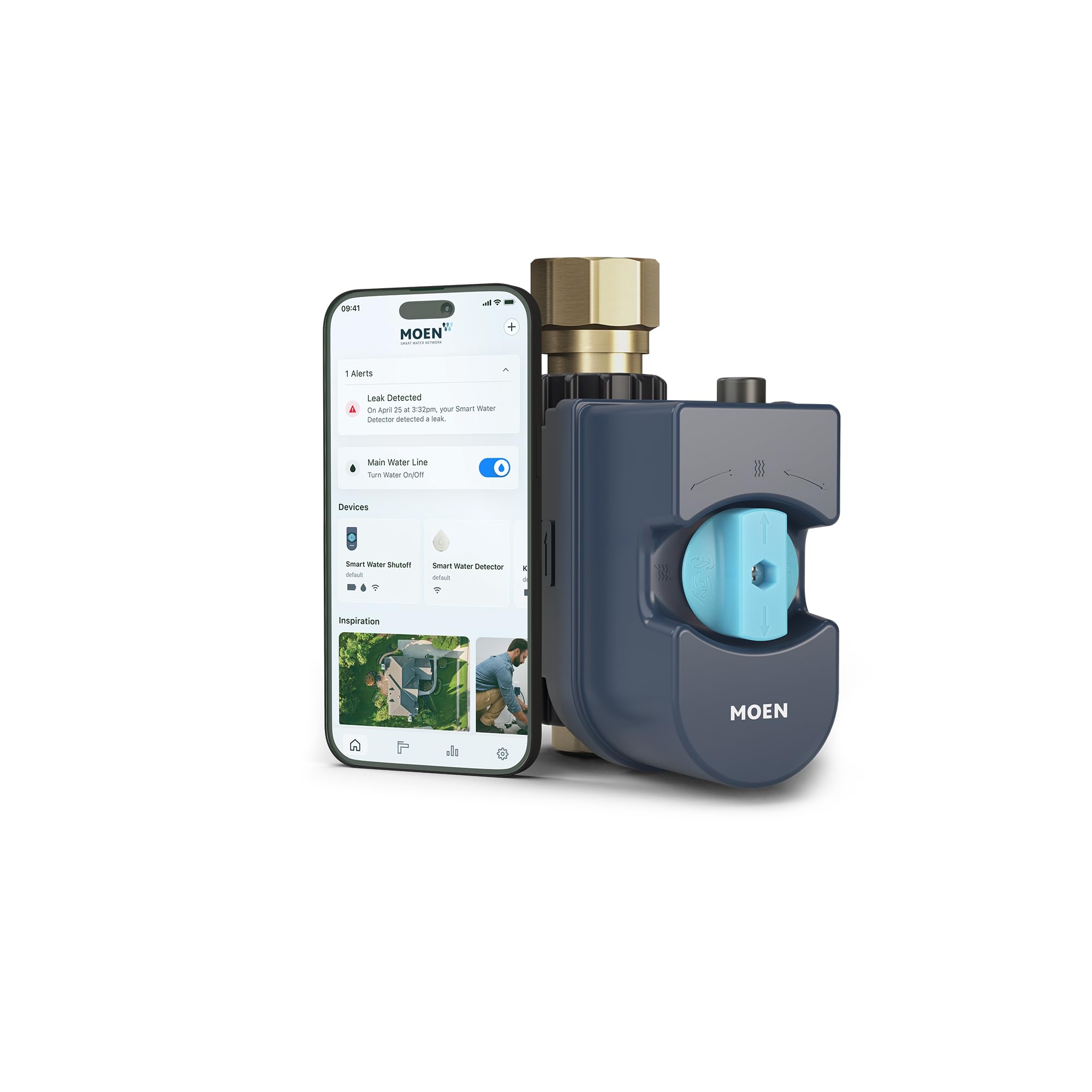
Moen Flo Smart Water Monitor and Automatic Shutoff Sensor, Wi-Fi Water Leak Detector for 3/4-Inch Diameter Pipe, 900-001 - Tub And Shower Faucets - Amazon.com
Moen Flo Smart Water Monitor and Automatic Shutoff Sensor, <strong>Wi-Fi Water Leak Detector for 3/4-Inch Diameter Pipe</strong>, 900-001 - Tub And Shower Faucets - Amazon.com
Check Price on AmazonVolcanic ash fall
- Volcanic eruption is a named peril on many policies, which can include direct damage from ash fall. Verify whether ash cleanup, damage to air filters/engines, and power-surge damage from ash-related outages would be covered on your policy.
Permafrost, thaw settlement, landslide, and erosion
- Earth movement (including settling, heave, landslide, and erosion) is typically excluded. In areas with discontinuous permafrost or steep slopes, focus on site selection, drainage, and engineering solutions.
Distance to fire protection and heating type
- ISO Public Protection Class (PPC) scores consider proximity to staffed fire stations and hydrants. No hydrant + long response times can significantly increase premiums.
- Solid-fuel appliances (wood stoves) can raise rates unless they meet clearance and installation standards. Keep documentation of professional installation.
How to compare home insurance quotes in Alaska
You will get the best results if you compare apples to apples. Here is the process that works in most cases.
Step 1: Gather accurate home details
- Square footage, year built, roof type/age, heating type(s), update years (roof, plumbing, electrical, heating), distance to hydrant/fire station, and presence of a wood stove.
- Any detached structures and their uses (shop, rental unit, storage, aircraft hangar, etc.).
Step 2: Set core coverages
- Dwelling (Coverage A): Use a current replacement cost estimate. Consider extended replacement cost (25%–50%).
- Personal property: Choose replacement cost coverage and ensure limits match your household. Schedule high‑value items (jewelry, firearms, art) for broader protection.
- Loss of use (ALE): Consider higher limits or longer duration (12–24 months) given local housing constraints.
- Liability: Many Alaska homeowners carry $300,000–$500,000. Consider a $1M+ umbrella policy if you have assets, rental units, or seasonal guests.
Step 3: Add endorsements that fit Alaska living
- Earthquake endorsement or separate policy
- Flood policy (NFIP or private)
- Water backup ($10k–$25k is common)
- Service line coverage
- Equipment breakdown
- Home heating oil spill endorsement
- Ordinance or law (10%–25% of Coverage A)
Step 4: Pick sensible deductibles
- Standard: $1,000–$2,500. If cash flow is tight, a lower deductible reduces surprise costs, but premiums rise.
- Percentage or special deductibles: Some areas have wind/hail or earthquake deductibles. Know which apply and how they are calculated.
Step 5: Compare at least 3–5 carriers, same day
- Keep coverages and deductibles identical when you request quotes.
- Ask how the roof will be settled (replacement cost vs. ACV) and whether cosmetic roof damage is excluded.
- For remote or unusual risks, independent agents who work with multiple insurers—including surplus lines—can open more options than a single-company captive agent.
What to look for beyond price
- Strong loss of use limits and timeline flexibility
- Clear treatment of wood stoves and solid-fuel heating
- Roof replacement cost coverage
- Realistic rebuild cost assumptions for winter construction and logistics
- Local claims support and contractor networks
Ready to see what you would actually pay? The fastest way is to compare quotes from 3–5 carriers with identical coverage limits. A licensed Alaska agent can help you do this in one conversation and spot gaps you might miss.
Discounts and bundling opportunities for Alaska homeowners
Insurers do not all discount the same way, but you will commonly see:
- Bundle home + auto: Often 10%–25% savings across policies, depending on the carrier.
- Claims‑free and longevity: Staying claim‑free and with the same company can reduce rates over time.
- Protective devices: Monitored smoke/CO alarms, central station fire/burglar, water leak sensors, and automatic shut‑off valves.
- New home or new roof: Homes or roofs within the last 10–15 years can rate better.
- Renovated systems: Updated electrical, plumbing, and heating systems.
- Wildfire mitigation: Defensible space, ember‑resistant vents, Class A roofing.
- Winterization/smart home: Temperature monitors and freeze/leak sensors may qualify.
- Paid‑in‑full, auto‑pay, paperless, and good credit-based insurance scores (where permitted).
- Affinity/eligibility: Military and families (USAA eligibility), certain employers or alumni groups.
Tip: Ask your agent to run the quote with and without each endorsement and discount so you can see the true value. For example, a $40/year water‑leak sensor discount plus the device cost may pay for itself the first time it catches a burst pipe.
Filing a home insurance claim in Alaska
When something happens, time and documentation are your friends—especially in remote areas where repairs can take longer.
- Protect people and prevent further damage
- Turn off water or power if needed. Make temporary repairs like tarping a roof or shutting off the oil tank. Keep receipts—temporary repairs are typically reimbursable.
- Document everything
- Take clear photos/video of all damage before cleanup. Create a quick inventory of damaged items with make/model/approximate purchase date.
- Notify your insurer or agent
- Report the claim as soon as practical. Ask about next steps, timeframes, and whether an in‑person inspection is required or a virtual estimate is acceptable (common for minor claims).
- Understand your deductible and coverage limits
- Know which deductible applies (standard, wind/hail, earthquake). For large events, ask if an advance on additional living expenses is available.
- Choose contractors carefully
- In busy seasons, contractors book up quickly. Get at least two estimates when possible. Be cautious with any “assignment of benefits” agreements that hand over claim rights—ask your adjuster before signing anything.
- Keep communication in writing
- Email follow‑ups help preserve a paper trail. If repair logistics or weather delay work, update your adjuster and ask about ALE extensions when needed.
If you hit a snag, you can contact the Alaska Division of Insurance’s consumer services for help understanding your rights and options.
FAQ: common questions about Alaska homeowners insurance
Is home insurance required in Alaska?
- Not by state law. But if you have a mortgage, your lender will require it. Even mortgage‑free homeowners usually carry coverage to protect against fire, liability, and major losses.
Does home insurance cover earthquakes?
- Standard policies exclude earth movement. You can add an earthquake endorsement or buy a separate policy. Expect a percentage deductible (often 10%–20% of Coverage A). Rates vary by region and home features.
What about flood from rain, snowmelt, or ice jams?
- Flood is excluded. Consider NFIP or private flood insurance. There is typically a 30‑day waiting period on NFIP policies unless tied to a loan closing.
Are wildfire and smoke covered?
- Fire is a covered peril on most policies, which generally includes wildfire and smoke/soot damage. Ash cleanup may be covered if it causes direct physical loss—check your policy wording.
Will my policy cover ice dams and frozen pipes?
- Usually, yes—if you maintained heat or properly winterized the home. Insurers can deny or reduce coverage when damage stems from neglect. Keep attics insulated and use temperature/leak sensors when away.
Does homeowners insurance cover fuel oil tank leaks?
- Gradual leaks and pollution cleanup are often excluded. Ask about a home heating oil endorsement that can help pay for cleanup and property damage from sudden and accidental releases.
Can I insure a cabin or remote home?
- Often, yes—but not with every carrier. Distance to fire protection, road access, and heating type matter. You may need a specialty or surplus‑lines policy with higher deductibles and premiums.
Does my homeowners policy cover short‑term rentals or long‑term tenants?
- Not by default. Occasional short‑term rentals or having a tenant in an accessory unit usually require an endorsement or a different policy form (landlord/rental policy). Tell your agent before you list the property.
Are snowmachines and ATVs covered?
- Your homeowners policy may cover them for theft while stored on your property (subject to limits), but liability while riding and collision/comp are usually separate recreational vehicle policies.
How much liability insurance should I carry?
- Many homeowners pick $300,000–$500,000. If you have assets, rental units, or host guests seasonally, ask about a $1 million or higher umbrella policy for broader liability protection.
What affects my rate the most in Alaska?
- Replacement cost to rebuild, distance to hydrants/fire station, roof age/condition, heating type (wood/oil surcharges), claims and credit history, and whether the location is remote or in a wildfire interface zone.
A quick note on advice
Every home and situation is different. A licensed Alaska insurance agent can review your specific property—especially if you have a wood stove, fuel oil, outbuildings, or remote access—and help tailor coverage.
Next step
- Get side‑by‑side quotes from 3–5 insurers, keeping limits and deductibles the same. Ask for versions with and without earthquake, water backup, and service line coverage so you can decide where each dollar adds the most value.
If you are ready, take 10 minutes to compare quotes. It is the quickest way to see your real price for home insurance in Alaska and spot easy savings without cutting essential coverage.
Recommended Resources
Insurance for Dummies: Hungelmann, Jack
<strong>Manage life, health, and disability risks</strong> ― explore individual and group policies, understand Medicare basics, and evaluate long-term disability and long-term-care insurance ...
Moen Flo Smart Water Monitor and Automatic Shutoff Sensor, Wi-Fi Water Leak Detector for 3/4-Inch Diameter Pipe, 900-001 - Tub And Shower Faucets - Amazon.com
Moen Flo Smart Water Monitor and Automatic Shutoff Sensor, <strong>Wi-Fi Water Leak Detector for 3/4-Inch Diameter Pipe</strong>, 900-001 - Tub And Shower Faucets - Amazon.com
HoldRite QuickBelt for 80 Gallon Water Heater, Soft Belt, QB-50-F : Everything Else
MADE IN USA: The HoldRite QuickBelt Water Heater Strap is made in the USA and is the most tested and recognized water heater seismic/earthquake restraint available
Related Articles
- Auto Insurance in Alaska: Rates, Requirements & How to Save
- Home Insurance in Alabama: Coverage, Costs & Best Companies
- Life Insurance in Alaska: What Residents Need to Know
- Health Insurance in Alaska: Plans, Costs & How to Enroll
- Home Insurance in Montana: Coverage, Costs & Best Companies
- Home Insurance in Hawaii: Coverage, Costs & Best Companies
- Home Insurance in Wyoming: Coverage, Costs & Best Companies
- Home Insurance in Maine: Coverage, Costs & Best Companies