
Life Insurance in Illinois: What Residents Need to Know
You’re shopping for life insurance in Illinois and want straight answers: which policy type fits your life, what state rules actually matter, and how to compare quotes without wasting time. You’re in the right place. Below, we cover the essentials Illinois residents should know so you can choose confident coverage and avoid common mistakes.
The basics: term vs. whole vs. universal life
Life insurance in Illinois works the same way it does elsewhere: you pay premiums (what you pay to keep the policy active) and your beneficiary (the person or trust you name to receive the money) gets a tax-advantaged death benefit when you die. The big choice is policy type.
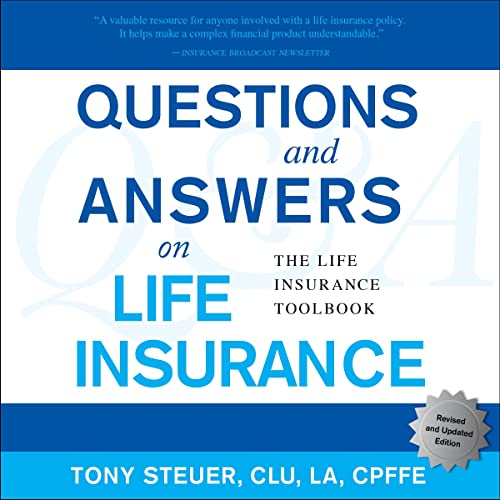
Questions and Answers on Life Insurance: Steuer, Tony
*Amazon Best Seller in Life Insurance* Questions and Answers on Life Insurance is <strong>an extremely useful and one of a kind resource for anyone looking for a simple way to understand life insuranc
Check Price on AmazonTerm life insurance
- What it is: Coverage for a set period—often 10, 20, or 30 years. If you pass away during the term, your beneficiary receives the death benefit. There’s no cash value (savings component) and it typically expires at the end of the term.
- Who it fits: Most families who want the largest coverage per dollar during their peak earning and child‑raising years. Great for covering a mortgage, income replacement, or college savings goals.
- Typical cost example: A healthy 35‑year‑old non‑smoker in Illinois might see quotes for a $500,000, 20‑year term policy from roughly $20–$35 per month for males and $15–$30 for females. Rates vary by health, build, term length, and insurer underwriting (the risk review an insurer does to set your rate).
Whole life insurance
- What it is: Permanent coverage that lasts your entire life as long as you pay premiums. It includes cash value (money that builds inside the policy tax‑deferred) you can borrow against. Premiums are higher than term for the same death benefit.
- Who it fits: People who want lifelong coverage and stable premiums, or those planning for legacy, final expenses, or estate needs. Also used in some long‑term financial strategies—just be careful with fees and assumptions.
- Watchouts: Surrender charges (fees to cancel early) and policy loans (borrowing from the cash value, which reduces the death benefit if not repaid) can surprise buyers.
Universal life insurance
- What it is: Permanent coverage with flexible premiums and adjustable death benefits. Variants include Guaranteed Universal Life (GUL), Indexed Universal Life (IUL), and Variable Universal Life (VUL). All have a cash value component, but how it grows differs by type.
- Who it fits: People who want permanent coverage but more flexibility than whole life. GUL is commonly used for “lifetime term”—permanent coverage with minimal cash value at a lower cost than whole life. IUL/VUL can carry more market risk and complexity.
- Watchouts: Policy performance depends on credited interest or market outcomes (for IUL/VUL). Underfunding (not paying enough premium to support the policy costs) can cause a lapse (policy termination).
Illinois‑specific rules, protections, and practical implications
A big part of buying life insurance in Illinois is understanding the rules that affect your rights and your beneficiaries.
Consumer protections you can count on in Illinois
- Free‑look period: Illinois requires a minimum “free‑look” period—typically at least 10 days from policy delivery—giving you time to review the policy and cancel for a full refund if it’s not right. Some policies and situations may provide a longer window based on the insurer’s terms.
- Grace period: You usually have at least 31 days after a missed premium before the policy lapses. If you pass away during the grace period, the insurer may pay the death benefit minus the overdue premium.
- Contestability period: For the first two years, the insurer can contest a claim if there’s a material misrepresentation on the application. After two years, the policy is generally incontestable (except for non‑payment of premiums and certain fraud scenarios).
- Suicide clause: Most Illinois policies include a suicide exclusion for the first two years. If suicide occurs during that window, premiums may be refunded but the death benefit may not be paid. After two years, the exclusion typically no longer applies.
- Guaranty Association coverage: If an insurance company becomes insolvent, the Illinois Life and Health Insurance Guaranty Association may provide protection, typically up to certain limits (often up to $300,000 in death benefits and $100,000 in cash value per insured, subject to law). Don’t rely on this as a strategy—choose a financially strong insurer.
Beneficiaries and estate issues in Illinois
- Naming beneficiaries: Illinois is not a community property state. Generally, you can name anyone as beneficiary. However, court orders (like divorce decrees or child support) can require life insurance or specific beneficiary designations.
- Minors as beneficiaries: Insurers cannot pay large sums directly to minors. If you name a minor child, set up a trust or appoint a custodian under the Illinois Uniform Transfers to Minors Act to avoid delays and court involvement.
- Divorce considerations: After divorce, beneficiary designations can be complicated. Illinois law may affect how ex‑spouse designations are treated, and some court orders require keeping an ex‑spouse as beneficiary to secure support. Review and update your designations with a licensed attorney or advisor when life events occur.
- Illinois estate tax: Illinois has a separate state estate tax with an exemption level that has typically been lower than the federal amount. Large estates may face Illinois estate tax; owning life insurance inside certain trusts can be part of planning. Always consult a tax professional—individual outcomes vary.

Quicken Willmaker & Trust 2025: Book & Online Software Kit: Nolo, Editors of
Quicken WillMaker & Trust 2025: Book & Online Software Kit is <strong>the original estate planning software created and updated regularly by Nolo's experts</strong>.
Check Price on AmazonClaims and unclaimed benefits in Illinois
- Claim timing: Most insurers pay claims promptly after receiving proof of death and required documents. Interest may accrue on delayed benefits as required by Illinois law.
- Unclaimed Life Insurance Benefits Act: Illinois requires insurers to periodically check the Social Security Death Master File and attempt to contact beneficiaries, helping payouts reach the right people.

SentrySafe Black Fireproof and Waterproof Safe, File Folder and Document Box with Key Lock, Ex. 14.3 x 15.5 x 13.5 inches, HD4100 - Amazon.com
View on AmazonReplacing policies in Illinois
If you’re swapping one policy for another, Illinois requires specific replacement disclosures. You’ll see comparison forms showing old vs. new costs and benefits. This is for your protection—use it. Remember: replacing resets the contestability and suicide clocks and can trigger surrender charges or tax issues.
How to compare life insurance in Illinois: coverage, premiums, riders, underwriting
Here’s what actually matters when choosing between policies and quotes in Illinois.
Decide on a coverage amount that matches your life
- Income replacement: A common starting point is 10–15x your annual income, but a better method tallies your actual needs: mortgage, other debts, child care, college funding goals, and how many years of income you want to replace.
- Example: A 40‑year‑old parent in Naperville earning $90,000 with a $300,000 mortgage, two kids, and $20,000 in savings might target $750,000–$1,000,000 in term coverage depending on how many years of income they want to secure.
Understand what drives premiums (your price)
- Age and health: Younger and healthier applicants generally pay less. Tobacco use is a major rate driver. Build (height/weight), blood pressure, cholesterol, and family history are common underwriting factors.
- Coverage and term length: More coverage and longer terms cost more, all else equal.
- Policy type: Term is usually the most affordable. Whole life and universal life cost more for the same death benefit because they include lifelong protection and cash value.
- Hobbies and driving: Scuba, rock climbing, or a risky driving record can affect rates.
Riders: add‑ons that can be worth it
- Accelerated death benefit rider: Lets you access part of the death benefit if you’re diagnosed with a terminal illness or certain chronic/critical conditions. Terms vary; accessing benefits reduces what beneficiaries receive.
- Waiver of premium rider: If you become disabled (as defined in the rider), the insurer pays your premiums while you remain disabled.
- Child term rider: Low‑cost coverage for children that can sometimes be converted later.
- Accidental death rider: Pays an additional benefit if death results from an accident. Useful for some, but not a substitute for adequate base coverage.
- Return of premium (ROP) on term: Higher premiums, but you get back eligible premiums if you outlive the term. Do the math; sometimes buying cheaper term and saving the difference wins.
Underwriting paths in Illinois
- Fully underwritten: Involves a medical exam and detailed health review. Often yields the best rates for healthy applicants.
- Accelerated underwriting: For qualifying health profiles, insurers may waive the exam and decide quickly using electronic health data. Limits vary.
- Simplified issue: Short application, no exam, lower coverage amounts, and typically higher premiums per dollar.
- Guaranteed issue: No health questions or exam, small face amounts (often $5,000–$25,000), graded death benefit for the first two years (limited payout if death isn’t accidental). Useful later in life or for serious health conditions.
What to look for when comparing quotes
- Financial strength: Prefer A‑ (Excellent) or better financial ratings from AM Best or similar. Strong insurers are more likely to deliver decades from now.
- Guaranteed vs. non‑guaranteed elements: Distinguish guaranteed premiums/benefits from projections. For universal/whole life, ask for the guaranteed ledger.
- Policy illustrations: Review the illustration (the insurer’s long‑term projection of policy values) and focus on guaranteed columns. Performance assumptions can be optimistic.
- Conversion options on term: The ability to convert term to permanent insurance without new medical underwriting can be valuable if your health changes. Know the deadline and which permanent products are eligible.
- Fees and flexibility: For permanent policies, understand surrender charges, cost of insurance (the internal cost deducted monthly), and how premium flexibility works.
- Service and claims reputation: Look at complaint ratios and customer reviews, not just price.
For a deeper dive into choosing the right policy type and getting quotes, see our step‑by‑step guide: Life Insurance: How to Choose the Right Policy and Get Quotes (/life-insurance/life-insurance-choose-right-policy-get-quotes).
Common Illinois buying scenarios—and how to handle them
Buying through your employer in Illinois
- Group life basics: Many Illinois employers offer group life. It’s typically guaranteed issue up to a limit (no medical questions up to, say, 1x–2x salary), with optional buy‑up amounts.
- Pros: Easy enrollment and subsidized or low cost for base coverage.
- Cons: Coverage is tied to your job and may not be portable (you can’t take it with you) unless you have portability or conversion rights.
- What to know: Illinois residents usually have the right to convert group coverage to an individual policy without new medical questions within a limited window (often 31 days) after job loss or benefit termination. Conversion is convenient but can be pricey—compare individual term quotes first.
Replacing an existing policy
- Why people replace: Lower rates after improving health, need more/less coverage, or switching from term to permanent (or vice versa).
- Pitfalls: Replacements reset contestability and suicide periods. You could lose valuable features like a favorable conversion option or low loan rate. Whole and universal life may have surrender charges.
- Smart move: Keep your old policy active until the new one is fully approved and in force. Review the insurer’s replacement disclosures and run side‑by‑side comparisons of guaranteed values.
Getting coverage later in life in Illinois
- Ages 55–75: Expect higher premiums and more careful underwriting. Guaranteed universal life (GUL) is popular for lifetime coverage without volatile cash value.
- Final expense policies: Simplified or guaranteed issue whole life with small face amounts to cover burial and final bills. Be aware of graded benefits in the first two policy years.
- Health realities: Even with conditions like diabetes or controlled hypertension, coverage is often available in Illinois—just expect a range of offers. Compare multiple carriers because underwriting philosophies vary.
Real‑world premium snapshots (estimates—not offers)
- 35‑year‑old, non‑smoker in Chicago, $500,000, 20‑year term: roughly $20–$35/month (male), $15–$30/month (female).
- 45‑year‑old, non‑smoker in Peoria, $500,000, 20‑year term: roughly $45–$80/month (male), $35–$65/month (female).
- 55‑year‑old, non‑smoker in Springfield, $500,000, 15‑year term: roughly $110–$190/month (male), $90–$160/month (female). Actual rates vary based on health, medications, build, family history, driving record, and insurer underwriting guidelines.
How to get quotes in Illinois (without the runaround)
- Clarify your goal and budget
- Decide whether you need term or permanent coverage based on your time horizon and obligations. Pick a target coverage amount and a “won’t‑break‑the‑budget” monthly number.
- Gather quick facts that drive pricing
- Current and past medical conditions, medications, lab results (if recent), driving incidents, tobacco/nicotine use, family history (parents/siblings) of early cardiovascular issues or cancer, height/weight.
- Get quotes from 3–5 carriers
- The fastest way to see what you would actually pay is to compare quotes from 3–5 carriers side‑by‑side. In most cases, you’ll see similar numbers—but differences in conversion options and riders can be decisive.
- Choose your underwriting path
- If you’re very healthy, ask about accelerated underwriting to skip the exam. If you have health conditions, a fully underwritten route may produce better final pricing.
- Read the illustration and policy before you sign
- Check guarantees, conversion deadlines, rider costs, and any exclusions. Use your free‑look period to make sure it’s right.
Helpful next step: Compare multiple quotes and see real options tailored to Illinois residents. It’s quick, and you’ll learn where you stand today.
Avoid these common mistakes
- Underinsuring: Buying $100,000 because it’s cheap when your family needs $700,000 leaves a dangerous gap.
- Overcomplicating: Don’t buy a complex permanent policy when a simple 20‑ or 30‑year term will do the job for a fraction of the price.
- Ignoring conversion options: If your health could change, a strong term conversion feature is valuable.
- Letting coverage lapse accidentally: Use automatic payments and note your 31‑day grace period—but don’t rely on it.
- Naming a minor as beneficiary without a plan: Use a trust or UTMA custodian in Illinois to avoid court delays.
- Not updating beneficiaries: Major life events—marriage, divorce, new child—should trigger immediate updates.
- Replacing without math: Don’t surrender a policy until you’ve compared guaranteed values, surrender charges, and tax consequences.
When to talk to a licensed agent in Illinois
A licensed agent can translate underwriting jargon, pre‑shop carriers based on your health profile, and explain trade‑offs between term and permanent coverage. If you have health complexities, business‑owner needs, or estate‑tax exposure, personalized advice is worth it. There’s no one “best” company for everyone—insurers price and underwrite differently in Illinois.
CTA: Ready to see real numbers? Compare personalized quotes from several top carriers. The fastest way to find the right fit for your Illinois household is to line options up side‑by‑side.
FAQs about life insurance in Illinois
- Are life insurance payouts taxable in Illinois? Typically, death benefits are income‑tax‑free federally and for Illinois state income tax. Large estates may face Illinois estate tax. Consult a tax professional.
- How fast are claims paid? Many claims pay within 30–60 days after submitting required documents. If payment is delayed, interest may accrue as required by Illinois law.
- Can I buy life insurance if I have health issues? Often, yes. You may get an offer at a higher rate class. Simplified or guaranteed‑issue options exist for more serious conditions, typically with lower coverage limits and waiting periods.
- Should I buy through work or on my own? Group life is a good baseline. But because it’s tied to your job and may not be portable, most families also own individual term life they control.
Note: This guide provides general information for Illinois residents and is not legal, tax, or financial advice. For tailored guidance, consult a licensed Illinois agent or advisor.
Next step: Get your numbers. Compare quotes from 3–5 reputable insurers today and use your free‑look period to confirm you made the right call.
Recommended Resources
Questions and Answers on Life Insurance: Steuer, Tony
*Amazon Best Seller in Life Insurance* Questions and Answers on Life Insurance is <strong>an extremely useful and one of a kind resource for anyone looking for a simple way to understand life insuranc
Quicken Willmaker & Trust 2025: Book & Online Software Kit: Nolo, Editors of
Quicken WillMaker & Trust 2025: Book & Online Software Kit is <strong>the original estate planning software created and updated regularly by Nolo's experts</strong>.
SentrySafe Black Fireproof and Waterproof Safe, File Folder and Document Box with Key Lock, Ex. 14.3 x 15.5 x 13.5 inches, HD4100 - Amazon.com
Whether you’re looking for a ... needs. <strong>Crafted with advanced fireproof and waterproof technology, the SentrySafe HD ensures that your documents and valuables remain intact even in the face of
Related Articles
- Car Insurance in Illinois: Rates, Requirements & Best Quotes
- Life Insurance in Indiana: What Residents Need to Know
- Auto Insurance in Illinois: Rates, Requirements & How to Save
- Life Insurance in Iowa: What Residents Should Know Before Buying
- Life Insurance in Connecticut: What Residents Should Know
- Home Insurance in Illinois: Coverage, Costs & Best Companies
- Life Insurance in Georgia: What Residents Should Know Before Buying
- Life Insurance in Idaho: What Residents Need to Know