
Life Insurance in Alabama: What Residents Need to Know
You’re thinking about life insurance in Alabama because you want your family covered if the worst happens. But the quotes feel all over the place, and the jargon doesn’t help. Here’s what actually matters, how costs typically look in Alabama, and smart steps to lock in the right policy at a price that fits.
Life Insurance in Alabama: The Basics
Life insurance pays a death benefit (a tax-advantaged lump sum paid to your beneficiary—the person you name to receive the money) if you pass away while the policy is in force. In Alabama, families typically use life insurance to:
- Replace lost income so your household can keep up with the mortgage, rent, and everyday bills
- Cover funeral and burial costs (often $7,000–$10,000, depending on services)
- Pay off debts (like a mortgage, car loan, or credit cards) so loved ones aren’t stuck with them
- Create a financial cushion for childcare, college savings, or caring for aging parents
Key terms you’ll see:
- Premium: the amount you pay for coverage, usually monthly or annually
- Death benefit: the payout amount your beneficiary receives when you pass away
- Beneficiary: the person or entity (like a trust or charity) you name to receive the payout
- Underwriting: the insurer’s risk review of your age, health, lifestyle, and application details to price your policy
- Rider: an optional add-on to enhance your coverage (for example, a waiver of premium rider that keeps your policy in force if you become disabled and can’t pay)
In most cases, individual life insurance death benefits are federal and Alabama state income-tax-free when paid to an individual beneficiary (tax treatment can vary in specific scenarios—talk to a tax pro for personal guidance).
Types of Life Insurance Available in Alabama
You’ll find the same core options here that you’ll see nationally. The right fit depends on your time horizon, budget, and how much flexibility you need.
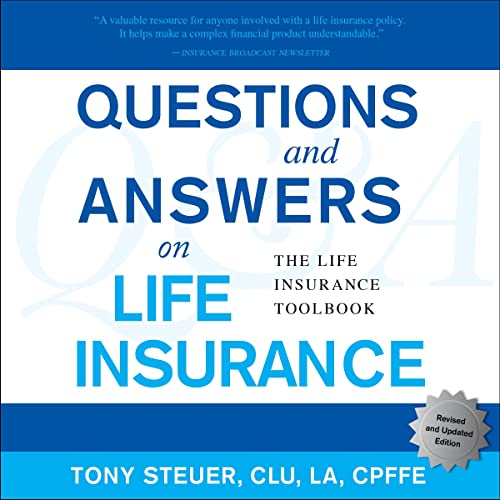
Questions and Answers on Life Insurance: Steuer, Tony
*Amazon Best Seller in Life Insurance* Questions and Answers on Life Insurance is <strong>an extremely useful and one of a kind resource for anyone looking for a simple way to understand life insuranc
Check Price on AmazonTerm Life Insurance (coverage for a set period)
- What it is: Coverage for a specific term (often 10, 20, or 30 years). If you die during the term, your beneficiary receives the death benefit. If you outlive the term, the policy ends.
- Why people pick it: It’s typically the most affordable way to get a large death benefit during your peak earning and debt years.
- Best for: Growing families, homeowners with a mortgage, and anyone who wants maximum coverage per dollar.
- Cost snapshot: A healthy 35-year-old non-smoker in Alabama might see rates around $20–$30 per month for a 20-year, $500,000 policy, while a smoker could pay 2–3x more. Actual rates vary by age, health, and insurer.
- Tip: Look for a conversion option (the right to convert term coverage into a permanent policy without a new medical exam) if you want flexibility later.
For a deeper comparison of features and trade-offs, see our guide: Term vs. Whole Life Insurance: Which Is Right for You?
Whole Life Insurance (lifetime coverage with savings component)
- What it is: Permanent coverage that lasts your entire life, as long as premiums are paid. It builds cash value (a savings component you can borrow against) at a rate set by the policy.
- Why people pick it: Predictable, level premiums; guaranteed death benefit; and cash value that grows on a tax-deferred basis.
- Best for: People who want lifelong coverage, have maxed out other savings options, or are funding estate or legacy goals.
- Cost snapshot: Premiums are higher than term for the same death benefit because coverage is guaranteed for life and includes cash value.
Explore details on costs, guarantees, and how cash value works here: Whole Life Insurance Explained: Benefits, Costs, and How to Buy
Universal Life Insurance (flexible permanent coverage)
- What it is: Permanent insurance with flexible premiums and an adjustable death benefit. Cash value growth is tied to interest rates, market indexes, or sub-accounts (depending on the type—fixed, indexed, or variable).
- Best for: People who want lifetime coverage but may need room to adjust premiums or benefits over time. Complexity is higher; review illustrations carefully.
Final Expense and Guaranteed Issue Policies (small permanent policies)
- Final expense or simplified issue: Smaller whole life policies (often $5,000–$25,000) designed to cover funeral and end-of-life costs. “Simplified issue” means fewer health questions and typically no medical exam.
- Guaranteed issue: No health questions and no medical exam. Acceptance is guaranteed if you meet age requirements (often 50–80). These policies usually have a graded death benefit (limited or no payout for non-accidental death in the first 2 years) and higher premiums per dollar of coverage.
- Best for: Seniors or individuals with serious health issues who can’t qualify for other coverage. Carefully confirm the graded death benefit rules.
What Affects the Cost of Life Insurance in Alabama
Insurers price risk the same way nationwide, but Alabama’s health profile and lifestyle patterns can play a role in what you personally pay.
- Age: Younger buyers typically get the best rates because the risk of death is lower. Every birthday can nudge premiums up.
- Health: Conditions like high blood pressure, diabetes, and high BMI (body mass index) can raise premiums, and these are relatively common in the Southeast.
- Smoking status: Tobacco users generally pay 2–4x more than non-smokers, with some insurers distinguishing between cigarettes, cigars, and vaping.
- Coverage amount and term length: Larger death benefits and longer terms cost more. Shortening a term from 30 to 20 years can lower the monthly premium significantly.
- Policy type: Term is typically the most affordable. Permanent policies (whole or universal life) cost more but provide lifelong coverage and cash value.
- Gender and family history: Statistically, women live longer and often pay less; certain hereditary conditions can affect your rate class.
- Occupation and hobbies: High-risk jobs (like certain construction, manufacturing, or logging roles common in parts of Alabama) and activities (skydiving, scuba) can increase costs.
- Driving record and prescriptions: Recent DUIs or a heavy prescription history can affect underwriting.
- Riders (optional add-ons): Features like waiver of premium (keeps coverage if you become disabled and can’t pay) or long-term care riders add cost.
Quick price snapshots (illustrative only)
- 29-year-old in Birmingham, non-smoker, healthy: $300,000, 20-year term might land roughly $14–$20 per month.
- 42-year-old in Huntsville, non-smoker, healthy: $500,000, 20-year term might be around $35–$70 per month.
- 55-year-old in Montgomery, non-smoker, with treated blood pressure: $250,000, 15-year term might be roughly $50–$110 per month.
These are not quotes. Actual premiums vary widely by insurer, underwriting class, and personal details. The fastest way to see what you would actually pay is to compare quotes from 3–5 carriers.
Alabama-Specific Rules, Protections, and Practical Tips
While life insurance is fairly uniform across the U.S., there are state-level rules and protections Alabama residents should know.
- Licensing and consumer help: Policies are regulated by the Alabama Department of Insurance. If you’re unsure about an agent or have a complaint, you can verify an agent’s license and ask the Department for help.
- Free-look period: New policies include a free-look period (typically at least 10 days) to review coverage and cancel for a full refund if it’s not right for you. Check your policy; some insurers offer longer.
- Grace period: If you miss a payment, there’s usually a 30- or 31-day grace period to make it and keep coverage active.
- Contestability period: During the first two years, the insurer can review your application for misstatements if a claim occurs. After that, your policy is generally incontestable except for nonpayment of premiums.
- Guaranty association backstop: If a licensed life insurer becomes insolvent, the Alabama Life and Disability Insurance Guaranty Association may protect benefits up to certain limits (commonly up to $300,000 in life insurance death benefits per insured, with additional caps on cash values). This isn’t a substitute for choosing a strong company—use financially sound carriers.
- Beneficiary protections and payouts: In most cases, death benefits paid to a named individual beneficiary are protected from the insured’s creditors. Benefits paid to your estate may be subject to creditor claims and probate. Naming a minor can create delays—consider a custodian under UTMA (Uniform Transfers to Minors Act) or a trust to manage funds.
Learn more about how designations work and common mistakes to avoid here: Life Insurance Beneficiary Rules: What Policyholders Need to Know
- Taxes: For individual beneficiaries, death benefits are typically federal- and Alabama state income-tax-free. If the policy is owned by a business, or if large estates and trusts are involved, different rules can apply.
If you’re coordinating life insurance with a will or trust, this guide helps you think it through: Life Insurance and Estate Planning: How to Protect Your Family and Preserve Your Legacy
How to Compare Quotes and Choose Affordable Coverage
Here’s a simple, practical way to shop with confidence.
1) Set your coverage amount
- A quick rule of thumb is 10–15x your annual income, but a needs-based check is better: add up debts, years of income replacement, childcare/college goals, and final expenses. Subtract savings and existing coverage.
2) Pick a term length or decide on permanent coverage
- Term: Match the years you need protection—often the time left on your mortgage or until kids are financially independent.
- Permanent: Consider if you have lifelong dependents, want estate liquidity, or value the savings component.
For a side-by-side of benefits and trade-offs, see: Term vs. Whole Life Insurance: Which Is Right for You?
3) Get apples-to-apples quotes from 3–5 carriers
- Compare the same death benefit, term length, and rider choices across multiple insurers.
- Look for strong financial strength ratings (for example, A- or better from AM Best) and a clean claims reputation.
- Ask whether the premium is fully level (stays the same) for the entire term and confirm any policy fees.
If you want a quick refresher on the process: Life Insurance: How to Choose the Right Policy and Get Quotes
4) Consider riders that matter (skip the rest)
- Accelerated death benefit rider (lets you access part of the death benefit if diagnosed with a qualifying terminal illness)
- Waiver of premium rider (keeps coverage if you’re disabled and can’t pay your premium)
- Child rider (small coverage amounts for children)
- Term conversion (convertibility window and age limits vary—get this in writing if you want future flexibility)
5) Decide on medical exam vs. no-exam underwriting
- Traditional underwriting with a quick health exam can yield lower premiums for healthy applicants.
- No-exam or simplified issue policies trade speed and convenience for higher monthly cost per dollar of coverage.
6) Common pitfalls to avoid
- Letting your term expire without a plan: Know your conversion deadline and re-shop 6–12 months before the term ends.
- Naming a minor child directly: Use a custodian or trust to avoid court-appointed guardianship delays.
- Replacing a policy without comparison: Don’t cancel existing coverage until your new policy is approved and in force.
Call-to-action: The fastest way to see what you would actually pay is to compare quotes from 3–5 Alabama-friendly carriers. A licensed agent can show you side-by-side options and help you avoid paying for riders you don’t need.
Real-World Alabama Scenarios
Young professional in Birmingham (age 29, non-smoker): You rent now but plan to buy in a year. A $300,000–$500,000, 20- or 30-year term typically gives strong income replacement during your peak earning years. Expect roughly mid-teens to mid-$20s per month for $300,000–$500,000 if you’re in excellent health; rates vary.
Family in Huntsville (age 42, non-smoker) with a $350,000 mortgage and two kids: Consider $750,000–$1,000,000, 20-year term to cover income, the mortgage, and college funding. Add a waiver of premium rider if you rely on one income. If you want lifelong coverage to help with final expenses or estate liquidity, layer a small permanent policy.
Small business owner in Mobile (age 51): If a partner or key employee depends on you, look at term coverage for buy-sell funding or key person needs. If cash flow is uneven, explore universal life for flexible premiums—but scrutinize projections.
Retiree in Montgomery (age 61) with health concerns: A simplified issue final expense policy ($10,000–$20,000) can cover funeral costs. If health issues are significant, a guaranteed issue policy may be available, but confirm the graded death benefit limitations during the first two years.
How Life Insurance Claims Work in Alabama
When a loved one passes, here’s the basic process to help beneficiaries start a claim:
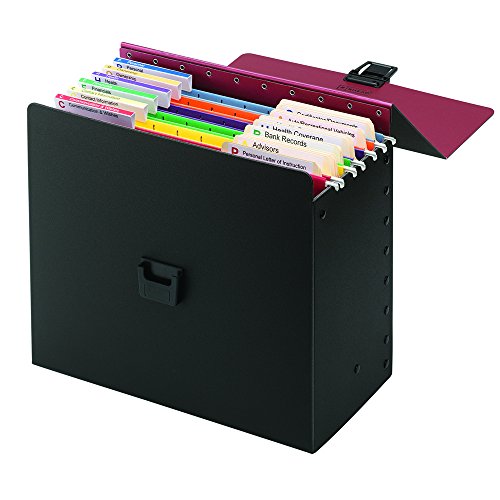
Smead Life Documents Organizer Kit (92010), Black
View on Amazon
SentrySafe Black Fireproof and Waterproof Safe, File Folder and Document Box with Key Lock, Ex. 14.3 x 15.5 x 13.5 inches, HD4100 - Amazon.com
View on Amazon- Get multiple copies of the death certificate from the county or vital records office.
- Contact the insurer or agent and request claim forms. You’ll need the policy number, beneficiary’s ID, and completed forms.
- Choose payout options: Most people take a lump sum. Some insurers offer settlement options (like installments or interest-bearing accounts). “Lump sum” means the full death benefit is paid at once.
- Timing: After the insurer receives proof of death and completed forms, claims are typically paid within a few weeks. If the death occurs during the contestability period (first two years), the insurer may review the application before paying.
If you’re unsure about beneficiary designations, review this explainer: Life Insurance Beneficiary Rules: What Policyholders Need to Know
Working With Local Insurers and Agents
- Local expertise helps: Alabama agents know which carriers price favorably for common regional health profiles and occupations.
- Independent agents can shop multiple companies at once, saving time and often money.
- Ask about underwriting sweet spots: Some carriers are more lenient on blood pressure, build (height/weight), or cigar use than others.
- Verify the agent’s license with the Alabama Department of Insurance and ask about their carrier appointments and experience.
What to Look For When Choosing a Policy
- Financial strength: Favor carriers rated A- or better by AM Best.
- Level premiums in writing: Ensure your premium stays fixed for the full term.
- Solid conversion terms: Note the age limit and whether you can convert to multiple permanent options.
- Useful riders only: Prioritize accelerated death benefit and waiver of premium; skip costly extras you’re unlikely to use.
- Fair underwriting fit: If one insurer rates you up for build or blood pressure, try another that’s known to be friendlier for your profile.
A Note on Group Life Through Work
Employer-provided life insurance is a great perk, but:
- Coverage amounts are often limited (for example, 1–2x salary).
- It may not be portable if you leave your job.
- Rates can rise at older ages.
Consider owning an individual policy you control, then layer any free or low-cost group coverage on top.
Ready for the Next Step?
You don’t need to guess. Get quotes from 3–5 reputable carriers to see your actual price based on your age, health, and goals. A licensed Alabama agent can help you compare apples-to-apples, explain riders, and make sure your beneficiary designations are clean.
Friendly reminder: Rates vary by individual circumstances and insurer. No guide can guarantee eligibility or pricing—but shopping smartly and locking in coverage earlier typically leads to lower premiums and stronger protection for your family.
Recommended Resources
Questions and Answers on Life Insurance: Steuer, Tony
*Amazon Best Seller in Life Insurance* Questions and Answers on Life Insurance is <strong>an extremely useful and one of a kind resource for anyone looking for a simple way to understand life insuranc
SentrySafe Black Fireproof and Waterproof Safe, File Folder and Document Box with Key Lock, Ex. 14.3 x 15.5 x 13.5 inches, HD4100 - Amazon.com
Whether you’re looking for a ... needs. <strong>Crafted with advanced fireproof and waterproof technology, the SentrySafe HD ensures that your documents and valuables remain intact even in the face of
Smead Life Documents Organizer Kit (92010), Black
Organizing key life documents helps ... kit <strong>contains a poly file box, 6 colored hanging folders, 24 SuperTab file folders, 9 Viewable quick-fold tabs, 3 label sheets with preprinted labels and
Related Articles
- Auto Insurance in Alabama: Rates, Requirements & How to Save
- Home Insurance in Alabama: Coverage, Costs & Best Companies
- Life Insurance in Arkansas: What Residents Need to Know
- Life Insurance in Alaska: What Residents Need to Know
- Life Insurance in Arizona: What Residents Should Know Before Buying
- Life Insurance in Indiana: What Residents Need to Know
- Health Insurance in Alabama: Plans, Costs & How to Enroll
- Life Insurance in Delaware: Coverage Options, Costs, and What Residents Should Know