
Health Insurance in Alaska: Plans, Costs & How to Enroll
You’re shopping for health insurance in Alaska and the numbers can feel high. Is that normal here, and which plan actually makes sense for you? This guide breaks down your options, typical costs, enrollment timing, and how to choose a plan that fits your life in the Last Frontier.
Note: Actual premiums and eligibility vary by your age, location, income, tobacco use, and plan. Use this as a roadmap, then compare real quotes to see your price.
Your health insurance options in Alaska
Alaskans usually get coverage through one of these paths:
- Health insurance marketplace (the federal exchange at HealthCare.gov): ACA-compliant individual and family plans with access to premium tax credits (discounts) based on income. Insurers in Alaska typically offer Bronze, Silver, and Gold “metal” tiers. All must cover essential benefits like hospital care, maternity, prescriptions, and mental health.
- Medicaid (Alaska Medicaid, including Denali KidCare for children/pregnant people): Low- to moderate-income coverage with no monthly premium in most cases. Alaska has expanded Medicaid to more adults; details below.
- Employer-sponsored coverage: If your job offers a plan, it’s often the most affordable route because employers typically pay part of the premium.
- Private (off-exchange) ACA plans: The same ACA protections, but you won’t get marketplace subsidies. Sometimes helpful if you don’t qualify for subsidies and want a specific plan not sold on-exchange.
- COBRA/continuation coverage: If you leave a job with health benefits, you can keep that plan for a limited time by paying the full premium (plus a small admin fee). It’s convenient but can be expensive.
- Medicare (age 65+ or certain disabilities): If you’re approaching Medicare eligibility, compare your Part A/B, Part D, and Medicare Advantage options separately.
- Short-term health insurance: Stopgap coverage that’s not ACA-compliant—can exclude preexisting conditions and essential benefits. It’s usually best only for very short gaps in coverage.
If you want a refresher on plan types and terms (like deductible, the amount you pay out of pocket before insurance pays), see our explainer: Health Insurance Basics: Plans, Terms, and How to Choose. Read the basics
Average health insurance premiums in Alaska by plan type and age
Unsubsidized premiums in Alaska are generally higher than the national average—especially in remote areas—though the state’s reinsurance program helps keep rates more stable.
Here’s how costs typically compare before subsidies, using broad ranges to set expectations. Your actual price will vary by insurer, ZIP code, and plan benefits.
- Bronze plans (lower premiums, highest deductibles):
- Age 21: roughly $300–$500/month
- Age 40: roughly $400–$700/month
- Age 60: roughly $800–$1,300/month
- Silver plans (moderate premiums and cost-sharing; required for cost-sharing reductions if you qualify):
- Age 21: roughly $350–$600/month
- Age 40: roughly $500–$900/month
- Age 60: roughly $1,000–$1,500+/month
- Gold plans (higher premiums, lower deductibles):
- Age 21: roughly $450–$750/month
- Age 40: roughly $650–$1,050/month
- Age 60: roughly $1,200–$1,800+/month
Why such a spread? A few key drivers:
- Age rating: In ACA plans, a 60-year-old can pay up to 3x what a 21-year-old pays before subsidies.
- Region and network: Rural areas and narrow networks can affect pricing and access.
- Metal tier and plan design: Lower deductibles and richer benefits cost more in monthly premium.
- Tobacco surcharge: Smoking can increase premiums significantly in most cases.
About subsidies (premium tax credits): If you buy through the marketplace and your household income falls within the eligible range, you may qualify for a monthly discount tied to the cost of the “benchmark” Silver plan where you live. Many Alaskans pay far less than the ranges above after subsidies. Under current law, enhanced subsidies are available through 2025; future rules may change.
Example scenarios (illustrative only):
- You’re 35, non-smoker in Anchorage with a $55,000 household MAGI (modified adjusted gross income, the income measure the marketplace uses). A Silver plan sticker price might be $650/month, but with a subsidy, your net could be notably lower—often a few hundred dollars—depending on the benchmark price in your area.
- You’re 60, non-smoker in Fairbanks with a $28,000 MAGI. After subsidies, you might see Silver options with manageable monthly costs. You could also qualify for cost-sharing reductions (explained below) that lower deductibles and copays.
Important: These numbers are not quotes. The fastest way to see what you would actually pay is to compare quotes from 3–5 carriers.
Alaska Medicaid eligibility and enrollment
Alaska has expanded Medicaid to cover more adults. Eligibility is based on the Alaska-adjusted Federal Poverty Level (FPL), which is higher than the 48-state FPL. Broadly:
- Adults 19–64: Typically eligible up to 138% of the Alaska FPL (income limit varies by household size). No asset test for expansion adults.
- Children and pregnant people: Higher income thresholds apply through Denali KidCare; infants and children often qualify at significantly higher FPL levels.
- People with disabilities and older adults: May qualify through other Medicaid categories with different rules.
Key points:
- Year-round enrollment: You can apply anytime—no open enrollment window.
- How to apply: Online portal, by mail, or through local assistance. You’ll verify identity, residency, household size, and income (pay stubs, tax return, award letters).
- Coverage start: If approved, coverage can be retroactive up to 3 months in some cases if you had qualifying medical bills.
- Coordination with marketplace: If your income is too high for Medicaid but still modest, the marketplace may offer subsidized plans. If you qualify for Medicaid, you generally can’t receive marketplace subsidies at the same time.
If you’re Alaska Native or American Indian (AI/AN), you can keep using IHS/Tribal health services. Having Medicaid or a marketplace plan can expand your referral options and reduce out-of-pocket costs for non-IHS care.
Alaska health insurance marketplace: open enrollment and special periods
Alaska uses the federal marketplace (HealthCare.gov) for individual and family plans.
- Open Enrollment: Typically November 1 to January 15. Enroll by December 15 for a January 1 start; enroll after December 15 and by January 15 for a February 1 start.
- Special Enrollment Periods (SEPs): You can enroll midyear if you have a qualifying life event such as loss of other coverage, moving to Alaska or between Alaskan regions, marriage, birth/adoption, or significant income change. Most SEPs last 60 days from the event; some allow 60 days before and after.
- Year-round SEP for many AI/AN: Members of federally recognized tribes can enroll or change marketplace plans once per month year-round, and may have $0 cost-sharing on certain plans depending on income.
After you pick a plan, finalize enrollment by paying your first month’s premium (the binder payment) by the plan’s deadline so coverage actually starts.
How to compare and choose the best health plan in Alaska
Here’s what actually matters when choosing a plan, especially in Alaska’s unique care landscape:

HSA Owners Manual, Third Edition: What Every Accountholder, Employer and Benefits Consultant Needs to Know about Health Savings Accounts – and How to Use them Strategically: Berkley, Todd
This book isthe owner’s manual that did not come with your HSA. If you followthe advice in this book, you’ll keep your HSA in compliancewith current HSA rules and regulations. You’ll also learn abouts
Check Price on Amazon- Total cost of care, not just the premium: Add up the premium, deductible (what you pay before insurance kicks in), copays (fixed dollar amounts for services), coinsurance (the percentage you pay after the deductible), and out-of-pocket maximum (the most you’ll pay in a year for covered in-network care). A slightly higher premium with a much lower deductible can be cheaper if you use care regularly.
- Network fit in your region: Check doctors and hospitals near you—especially if you’re off the road system. Some plans include travel benefits for specialty care not available locally; verify when and how those apply and whether preauthorization is required.
- Prescription coverage: Look up your medications on the plan’s formulary (the covered drug list). Watch tiers and prior authorization rules.
- Cost-sharing reductions (CSR) if you qualify: If your income qualifies, CSR makes a Silver plan act like a richer plan (lower deductible and copays). In many cases, a CSR Silver can beat Gold for people under certain income thresholds.
- HSA-eligible High Deductible Health Plans (HDHPs): If you’re healthy and want to save pre-tax dollars for care, an HSA-compatible Bronze or Silver might work. Check the IRS minimum deductible and plan labeling.
- Telehealth and mental health access: Telehealth can be a lifeline in winter or rural areas. Confirm copays and which services are included.
- Emergency and medevac/air ambulance: Ask how emergency services are billed, whether out-of-network emergencies are paid at in-network levels (typical with ACA plans), and what the plan’s air ambulance coverage looks like.
- Referrals and prior authorizations: If you’ll need specialty care in Anchorage, Juneau, or out of state, understand the process and any required referrals.
Two quick Alaska scenarios to make this concrete:
- 28-year-old fishing guide in Homer: Mostly needs preventive and urgent care. A lower-premium Bronze HSA plan could work if you can fund the HSA and handle a higher deductible. Confirm local urgent care options and telehealth. If your income is seasonal and qualifies for subsidies, check a CSR Silver to shrink your deductible.
- 55-year-old in Fairbanks managing diabetes: A Silver or Gold plan with predictable copays for primary care and specialists may be worth the higher premium. Confirm your endocrinologist and preferred pharmacy are in-network, and price your insulin and supplies across plans.
CTA: Want a fast, no-pressure way to see real numbers? Compare quotes from 3–5 Alaska carriers and check your doctors and drugs side by side. It’s the quickest way to spot the right value.
Alaska-specific subsidies and financial assistance
- Premium tax credits (PTC): Based on your household size and MAGI. These lower your monthly premium for marketplace plans. Under current law, enhanced credits run through 2025, capping what most households pay as a percentage of income for the benchmark Silver plan. If your income changes midyear, update the marketplace to avoid surprise tax reconciliation.
- Cost-sharing reductions (CSR): If you qualify by income and choose a Silver plan, your deductible and copays drop—sometimes dramatically. In Alaska, where care can be expensive to access, CSR can be a big deal for budgeting.
- Alaska Reinsurance Program: The state reimburses insurers for a portion of very high-cost claims, helping stabilize premiums for everyone in the individual market. You don’t apply for this; it’s built into pricing.
- Alaska Native and American Indian benefits: Enrolling in a marketplace plan can pair with IHS/Tribal care. Depending on income, AI/AN enrollees may have $0 cost-sharing and can change plans monthly.
- Hospital and clinic financial assistance: Many Alaska hospitals and community health centers have charity care policies that reduce or forgive bills based on income. Always ask before and after care.
- Medicare Savings Programs and Extra Help: If you’re on Medicare with limited income/assets, these programs can help pay Part B premiums and lower drug costs.
Seasonal income tip: If you earn most of your income during fishing, tourism, or construction seasons, estimate your annual MAGI carefully when you enroll. Report midyear changes promptly so your premium tax credit stays accurate and to reduce the chance you’ll owe money at tax time.
Alaska health insurance marketplace: open enrollment timing and what to expect
- When coverage starts: Enroll by the 15th of a month for coverage usually starting the 1st of the next month. During Open Enrollment, Dec 15 -> Jan 1; Jan 15 -> Feb 1 starts are common rules.
- Binder payments: Your plan won’t start until your first premium is paid. Watch your email and mail for instructions.
- ID cards and care: Digital ID cards often arrive within 7–14 days after payment; physical cards follow by mail. You can schedule care once your plan is active.
What to bring to an enrollment appointment (or have handy at home)
- Social Security numbers or document numbers for non-citizens lawfully present
- Dates of birth for all household members
- Home ZIP code and mailing address
- Estimated annual MAGI for the coverage year (pay stubs, last tax return, award letters)
- Current plan info (if switching), names of doctors/clinics/pharmacies, and a list of medications with dosages

ENGPOW Fireproof Document Bag with Lock,File ...
View on Amazon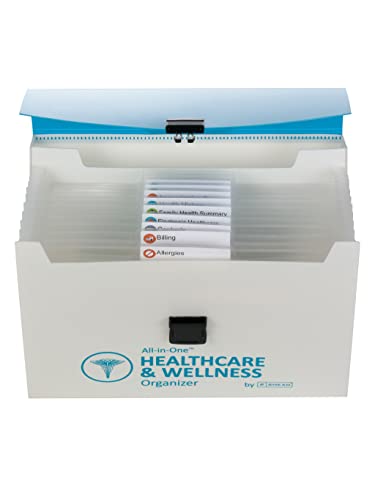
Smead All-in-One Healthcare & Wellness Organizer, 13 Pockets, Letter Size, Flap with Elastic Closure, White/Teal (92070)
View on AmazonFAQ: Common questions about health insurance in Alaska
- Is Alaska a Medicaid expansion state? Yes. Many low-income adults are eligible up to 138% of the Alaska-adjusted FPL, and kids/pregnant people often qualify at higher levels under Denali KidCare.
- How much does health insurance cost in Alaska? Before subsidies, a 40-year-old might see Silver plans in the $500–$900/month range, but many Alaskans pay less after premium tax credits. The only way to know your price is to get quotes with your age, ZIP code, and income.
- Do I need to wait for Open Enrollment? If you have a qualifying life event—like losing job-based coverage, moving, marriage, or having a baby—you can use a Special Enrollment Period. Medicaid is year-round. AI/AN members often have year-round marketplace flexibility.
- Is there a penalty if I don’t have coverage? There’s no Alaska state penalty and no current federal penalty, but going uninsured is risky—one emergency or medevac bill can be financially devastating.
- Can I use IHS/Tribal health with a marketplace plan? Yes. Many AI/AN enrollees keep using Tribal health for primary care and leverage marketplace coverage for referrals, specialty care, or prescriptions not available through IHS.
- Will my plan cover care in Seattle or out of state? Emergencies are typically covered at in-network cost-sharing even if the facility is out of network, but nonemergency care usually requires in-network providers. Some Alaska plans include travel benefits when certain services aren’t available locally—verify the rules before you go.
- What if my income changes after I enroll? Update the marketplace right away. Your premium tax credit will be adjusted going forward. If you underestimate income and don’t update, you may owe some credit back at tax time.
- Are dental and vision included? Pediatric dental and vision are included in ACA plans. Adult dental/vision are usually add-ons.
- Can I have Medicaid and a marketplace subsidy at the same time? No. If you become eligible for Medicaid, you won’t qualify for marketplace subsidies for that same month. You can transition between programs as your income changes.
Get personalized help from a licensed expert
A good Alaska-based broker or navigator can compare carrier networks from Anchorage to the Mat-Su Valley to the Kenai Peninsula—and help you estimate seasonal income for subsidies. There’s no extra cost to you for using a licensed broker; carriers pay them.
CTA: The smartest next step is to compare Alaska quotes from 3–5 carriers, check your doctors and prescriptions, and see your net price with subsidies. It takes about 10 minutes and can save you real money.
This guide is for general education. For personalized advice, consult a licensed Alaska health insurance agent or navigator who can review your situation and the latest state and federal rules.
Recommended Resources
HSA Owners Manual, Third Edition: What Every Accountholder, Employer and Benefits Consultant Needs to Know about Health Savings Accounts – and How to Use them Strategically: Berkley, Todd
This book isthe owner’s manual that did not come with your HSA. If you followthe advice in this book, you’ll keep your HSA in compliancewith current HSA rules and regulations. You’ll also learn abouts
Smead All-in-One Healthcare & Wellness Organizer, 13 Pockets, Letter Size, Flap with Elastic Closure, White/Teal (92070)
Healthcare documents are stored ... or the hospital. Flap and cord closure adds protection and security. <strong>File includes 12 expanding pockets</strong>....
ENGPOW Fireproof Document Bag with Lock,File ...
Invest in a secure, well-designed notary bag to keep your essential supplies organized and protected. Browse locking options with durable, waterproof materials.
Related Articles
- Auto Insurance in Alaska: Rates, Requirements & How to Save
- Health Insurance in Alabama: Plans, Costs & How to Enroll
- Home Insurance in Alaska: Coverage, Costs & Best Companies
- Health Insurance in Arizona: Plans, Costs & How to Enroll
- Health Insurance in Maine: Plans, Costs & How to Enroll
- Health Insurance in Wyoming: Plans, Costs & How to Enroll
- Health Insurance in Minnesota: Plans, Costs & How to Enroll
- Health Insurance in Hawaii: Plans, Costs & How to Enroll