
Life Insurance in Arkansas: What Residents Need to Know
You’re trying to figure out life insurance in Arkansas and the quotes and jargon are swirling. How much coverage do you actually need? Term or whole life? What really affects the price here in Arkansas? Let’s cut through the noise and focus on what matters so you can make a confident choice.
The basics of life insurance in Arkansas
Life insurance pays a tax‑free death benefit (the lump sum your beneficiaries receive when you die) to the people you choose. You pay a premium (the amount you pay monthly or annually to keep the policy active). In most cases, life insurance proceeds go directly to your beneficiaries, bypassing probate.
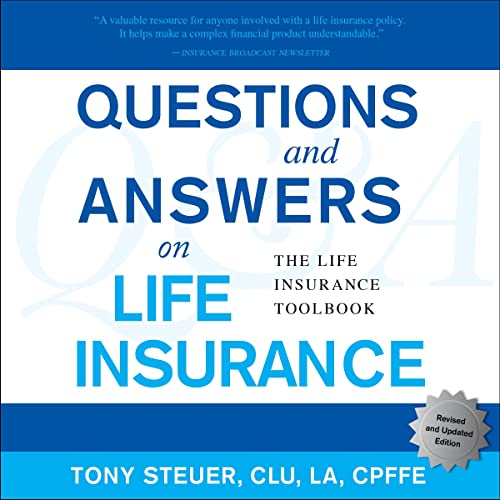
Questions and Answers on Life Insurance: Steuer, Tony
*Amazon Best Seller in Life Insurance* Questions and Answers on Life Insurance is <strong>an extremely useful and one of a kind resource for anyone looking for a simple way to understand life insuranc
Check Price on AmazonAt a high level, you’ll pick between two main types:
Term life insurance
- What it is: Coverage for a set period—often 10, 15, 20, 25, or 30 years. If you pass away during the term, your beneficiaries receive the death benefit. If you outlive the term, the policy ends.
- Why people choose it: It’s typically the most affordable way to protect income during key years (raising kids, paying a mortgage).
- Key jargon: Convertible term lets you switch to a permanent policy later without a new medical exam (underwriting rules apply). Level term means your premiums stay the same during the term.
Whole life insurance
- What it is: Lifetime coverage with guaranteed premiums, a guaranteed death benefit, and cash value (a savings-like component that grows tax-deferred and you can borrow against).
- Why people choose it: Predictability, potential for dividends (for “participating” policies—dividends are not guaranteed), and long-term estate planning needs.
- Key caveat: It’s significantly more expensive than term for the same death benefit.
Universal life insurance (UL)
- What it is: Permanent coverage with more flexible premiums and a cash value component tied to interest rates (fixed, indexed, or variable).
- Why people choose it: Flexibility to adjust premiums and coverage as life changes.
- Watchouts: Policy performance depends on credited interest or market returns; underfunding can cause a policy to lapse (end without value). Ask for a detailed illustration (the insurer’s projection of premiums, charges, and values) and stress test it at lower returns.
Final expense / burial insurance
- What it is: Smaller whole life policies (often $5,000–$25,000) designed to cover funeral and final expenses.
- Who it helps: Arkansans who want permanent coverage without a medical exam, typically older buyers.
- Trade-off: Higher cost per dollar of coverage.
Group coverage at work
- What it is: Employer-provided life insurance, often 1–2x your salary, sometimes with the option to buy more.
- Why it’s useful: Easy to enroll; no medical exam.
- Important: If you leave your job, you typically lose the coverage or pay more to convert it. Most families need additional individual coverage beyond group life.
Why Arkansans consider life insurance
People buy life insurance in Arkansas for the same core reasons people do anywhere, but the details often come down to your stage of life and financial obligations.
- Income replacement: If you’re the household earner (or one of them), term life can replace several years of your take-home pay so your family can stay on their feet. A common starting point is 10–15x annual income, then adjust for savings, debts, and child care.
- Mortgage protection: Life insurance can help your spouse or partner keep the house. If you owe $240,000 on a home in Bentonville with 25 years to go, a 25- or 30-year term for at least that amount is a clean fit.
- Debt and final expenses: Think student loans (private ones that a co-signer might still owe), car loans, and funeral costs.
- Child and dependent care: Coverage can fund child care, college, or caregiving for aging parents.
- Business needs: Arkansas small business owners may use life insurance for key person coverage (protecting the business if a key partner dies) or to fund a buy-sell agreement.
Real-world example: Say you’re a 35-year-old non-smoker in Little Rock earning $70,000 with a $250,000 mortgage and two kids. A $500,000–$750,000 20- or 30-year term policy is a typical range families consider. If you’re 55 in Fort Smith with the house nearly paid off and grown kids, a smaller 10- or 15-year term to bridge to retirement—or a well-structured permanent policy for legacy planning—may fit better. Needs vary widely; the idea is to match coverage to your real obligations.
What affects life insurance costs and eligibility in Arkansas
The good news: location isn’t a big driver of term life rates, so life insurance in Arkansas typically costs about what it would in most other states with the same profile. What actually moves the needle:
- Age: The younger you are, the lower the premium—because the risk to the insurer is lower. Locking in coverage in your 20s or 30s can save significantly over the policy’s life.
- Health: Insurers look at your medical history, build (height/weight), blood pressure, cholesterol, prescriptions, and family history. Better health usually means better rates. Certain conditions (like well-managed hypertension) may still qualify for favorable classes, while others (like recent cancer) can limit options.
- Lifestyle: Nicotine use is a major factor. A smoker in Fayetteville might pay 3–4x what a non-smoker does for the same policy. Risky hobbies (skydiving, rock climbing) and DUIs or major driving violations can also affect rates.
- Coverage amount and term length: Higher death benefits and longer terms cost more. A 30-year term will generally cost more than a 20-year for the same amount.
- Policy type: Permanent policies (whole life, universal life) cost more than term for the same death benefit because they can last your entire life and include cash value.
- Underwriting method: Fully underwritten policies often require a medical exam (a brief health check with blood and urine) and typically offer the best pricing. No-exam or “simplified issue” policies skip the exam but cost more.
Sample rate snapshots (for educational context; actual quotes vary by company, health, and underwriting):
- 30-year-old female, non-smoker, $500,000, 20-year term: often around $18–$28 per month with strong health.
- 35-year-old male, non-smoker, $500,000, 20-year term: commonly ~$22–$35 per month if in good health.
- 45-year-old male, non-smoker, $500,000, 20-year term: often ~$45–$80 per month, health-dependent.
- 35-year-old smoker, $500,000, 20-year term: roughly $70–$120+ per month. These are typical national ranges and you may see offers outside them depending on your unique profile and the insurer’s rules filed in Arkansas.
How to compare life insurance options in Arkansas
Here’s a simple, Arkansas-ready checklist to compare policies apples-to-apples.
1) Start with the right amount and term
- Tally obligations: mortgage balance, other debt, years of income to replace, child care/college goals, and a cushion for final expenses.
- Pick the term to cover the years of highest risk. If your youngest is 2, a 25- or 30-year term covers you until they’re financially independent.
2) Choose a policy type that fits your plan
- Term life: Best for pure protection at the lowest cost.
- Whole or universal life: Consider only if you have a specific lifelong need (special-needs planning, estate goals, a business buy-sell) and are prepared for higher premiums. Ask for policy illustrations and understand surrender charges (fees if you cancel early).
3) Evaluate the insurer
- Financial strength: Look for A.M. Best, S&P, or Moody’s ratings indicating the company’s ability to pay claims.
- Customer service and claims reputation: Reviews and your agent’s experience matter.
- Arkansas availability: Some riders and products vary by state filing; confirm the exact features offered in Arkansas.
4) Compare riders and key features
- Accelerated death benefit rider: Lets you access part of the death benefit if you’re diagnosed with a qualifying terminal illness (definitions vary by insurer). Often included at no extra cost.
- Waiver of premium rider: Waives premiums if you become disabled (eligibility rules apply).
- Child rider: Low-cost coverage for eligible children.
- Conversion provision (for term): How long you can convert to permanent coverage and which permanent products are available.
5) Understand the fine print
- Contestability period: Usually the first two years. If you die during this time, the insurer can review your application for misstatements. Always answer honestly.
- Suicide exclusion: Typically two years.
- Grace period: Time you have to make a late premium before the policy lapses—often around 30 days.
- Free-look period: Time after the policy is delivered to review/cancel for a refund. Arkansas typically requires a free-look window (often 10 days or more); check your policy.
6) Decide on beneficiaries the smart way
- Name both primary and contingent (backup) beneficiaries.
- Avoid naming minors directly; instead, name a trust or an adult custodian under the Uniform Transfers to Minors Act (UTMA) so funds can be managed properly.
- Review beneficiaries after major life events—marriage, divorce, birth, or adoption.
The fastest way to see what you would actually pay is to compare quotes from 3–5 carriers. You can start with an online marketplace or an independent agent who works with multiple insurers. If you want help picking a policy type and requesting quotes, see our guide: Life Insurance: How to Choose the Right Policy and Get Quotes.
Arkansas-specific considerations you should know
- Arkansas Insurance Department (AID): The AID regulates insurers and can help with complaints and general questions. It’s a consumer resource if you hit a snag with an insurer or agent.
- Product availability and riders: Insurers file products by state. Certain riders or conversion options might be slightly different in Arkansas than in neighboring states; confirm the exact Arkansas policy form.
- Policy locator help: If a loved one passed away and you’re not sure whether a policy exists, use the NAIC Life Insurance Policy Locator. Many Arkansas families have located old policies this way.
- State guaranty association: Arkansas has a life and health insurance guaranty association that offers limited protection if an insurer fails. Coverage limits apply and you should never select a policy based solely on guaranty protection. Focus on financially strong carriers.
- Taxes: As of this writing, Arkansas does not impose a state estate or inheritance tax. Federal estate tax may apply to very large estates, and other tax rules (like Modified Endowment Contract rules for certain permanent policies) can be complex. Always consult a tax professional for personal advice.
- Buying local vs. online: You’ll find strong national carriers and regional options working through Arkansas-based agents (including Farm Bureau-affiliated agencies and independent brokers). Work with someone who explains underwriting trade-offs and shows quotes from multiple companies—not just one.
If you’re reviewing your broader protection plan in Arkansas at the same time, a quick check on your other coverages can help round things out: Home Insurance in Arkansas: Coverage, Costs & Best Companies and Health Insurance in Arkansas: Plans, Costs & How to Enroll.
Common pitfalls Arkansas shoppers run into (and how to avoid them)
- Waiting too long: Prices typically rise every year you age. If you’re healthy now, locking in a term rate can be a smart move.
- Underinsuring: Choosing $100,000 because it’s cheap when your family really needs $600,000. Start with what your family would actually need to stay in the home and keep their plans on track.
- Overbuying permanent insurance: Whole or UL can be great tools—but only if the premiums comfortably fit your long-term budget and you understand the moving parts.
- Ignoring conversion options: If your term has a strong conversion feature, you keep future flexibility even if your health changes. Make sure you know the conversion deadline and available permanent products.
- Naming a minor as beneficiary: Courts may need to appoint a guardian, delaying access to funds. Use a trust or UTMA custodian instead.
- Letting a policy lapse: Missed premiums can terminate coverage. Set up autopay and pay attention to grace period notices.
Real-life Arkansas scenarios
- New parents in Fayetteville: Two 30-something non-smokers want $750,000 each for 30 years to cover daycare now and college later. They compare five carriers and find premiums range roughly from $50 to $80 combined per month, depending on underwriting class and riders. They add a child rider for temporary coverage on their newborn and calendar a beneficiary review each year.
- Small business owner in Jonesboro: Two partners arrange a cross-purchase buy–sell funded with term life. They choose 15-year terms to match their SBA loan horizon and review coverage annually as the business value grows.
- Near-retiree in Hot Springs: A 60-year-old with no mortgage but a spouse relying on pension income considers a smaller guaranteed universal life policy designed to last for life with level premiums. They stress-test the illustration and confirm the premium fits their retirement budget before buying.
What to look for before you apply
- Clear budget fit: Pick a premium you can sustain for the full term (or for life if permanent).
- Transparent underwriting path: Ask if your health profile might qualify for preferred classes or if a no-exam route is competitive.
- Strong conversion terms (for term): Longer conversion windows and access to solid permanent products add value.
- Essential riders: Accelerated death benefit often comes standard; consider waiver of premium or child rider if relevant.
- Company strength and Arkansas filings: Favor financially strong carriers and confirm the features offered on the Arkansas policy form.
How to apply in Arkansas (step-by-step)
- Get pre-qualified quotes from 3–5 insurers. This gives you a realistic premium range based on your age, health, and coverage.
- Choose a top option and complete the application honestly. You’ll answer questions about health, prescriptions, driving history, and lifestyle.
- Complete underwriting. For fully underwritten policies, expect a brief paramed exam (or use lab data/medical records for no-exam options).
- Review the offer. If the underwriting class differs from the initial quote, ask your agent to shop it with other carriers.
- Place the policy in force. Set up autopay, confirm beneficiaries, and store the policy and insurer contact info where your loved ones can find it.
- Use your free-look period to review. If anything isn’t as expected, you can typically cancel within the free-look window for a refund.

Smead Life Documents Drawer Kit (92015)
View on Amazon
SentrySafe Black Fireproof and Waterproof Safe, File Folder and Document Box with Key Lock, Ex. 14.3 x 15.5 x 13.5 inches, HD4100 - Amazon.com
View on AmazonReady to see real numbers for life insurance in Arkansas? Comparing a handful of carriers side by side is the fastest way to zero in on your true price. Start here: Life Insurance: How to Choose the Right Policy and Get Quotes.
Quick answers to common questions
- Do I need a medical exam? Often not. Many Arkansas applicants qualify for no-exam underwriting up to certain coverage limits and ages. That said, fully underwritten policies with an exam often cost less.
- Are proceeds taxable? The death benefit is typically income tax–free to beneficiaries. Interest paid on top of the benefit could be taxable. For estate and income tax implications, talk with a tax professional.
- Can I own multiple policies? Yes. Many Arkansans layer a large term policy for high-need years and a smaller permanent policy for lifelong goals. Insurers check to ensure total coverage is reasonable for your income and net worth.
- Will my rates change? Term life premiums are usually level for the term you choose. Permanent policies have different mechanics—ask how charges and credited interest work over time.
Talk to a licensed expert
Every household is different. A licensed Arkansas agent or a reputable online marketplace can walk you through underwriting trade-offs and help you compare multiple companies. If health history or hobbies are in play, the right agent can steer you to carriers that are typically more lenient for your profile.
Your next step
- Estimate your coverage need, decide on term length, and set a comfortable monthly budget.
- Compare quotes from 3–5 carriers to see what you’d actually pay—this is the clearest reality check.
- Ask about conversion options and riders, confirm Arkansas-specific features, and use your free-look period to make sure the policy is the one you want.
When you’re ready, take five minutes to compare options and request personalized quotes. It’s the simplest way to move from “research mode” to real, Arkansas-priced numbers—and peace of mind for your family.
Recommended Resources
Questions and Answers on Life Insurance: Steuer, Tony
*Amazon Best Seller in Life Insurance* Questions and Answers on Life Insurance is <strong>an extremely useful and one of a kind resource for anyone looking for a simple way to understand life insuranc
SentrySafe Black Fireproof and Waterproof Safe, File Folder and Document Box with Key Lock, Ex. 14.3 x 15.5 x 13.5 inches, HD4100 - Amazon.com
Whether you’re looking for a ... needs. <strong>Crafted with advanced fireproof and waterproof technology, the SentrySafe HD ensures that your documents and valuables remain intact even in the face of
Smead Life Documents Drawer Kit (92015)
... The life documents drawer kit (filing contents only) <strong>helps you organize and store Key life documents such as wills & trusts, Health care directives, investment and Retirement plans, ma
Related Articles
- Auto Insurance in Arkansas: Rates, Requirements & How to Save
- Life Insurance in Alabama: What Residents Need to Know
- Home Insurance in Arkansas: Coverage, Costs & Best Companies
- Life Insurance in Arizona: What Residents Should Know Before Buying
- Life Insurance in Illinois: What Residents Need to Know
- Health Insurance in Arkansas: Plans, Costs & How to Enroll
- Life Insurance in Connecticut: What Residents Should Know
- Life Insurance in Idaho: What Residents Need to Know