
Life Insurance in Arizona: What Residents Should Know Before Buying
You’re thinking about life insurance in Arizona and wondering: Which type is right for my family, how much coverage do I really need, and what will it actually cost here? You’re not alone. The right policy can protect your mortgage, replace lost income, and fund future goals—but the options and jargon can make it feel complicated. Let’s cut through it so you can make a confident choice.
The main types of life insurance in Arizona (and who each fits)
Life insurance comes in two broad categories: term and permanent. Permanent includes whole life and universal life. Here’s how to think about each option.
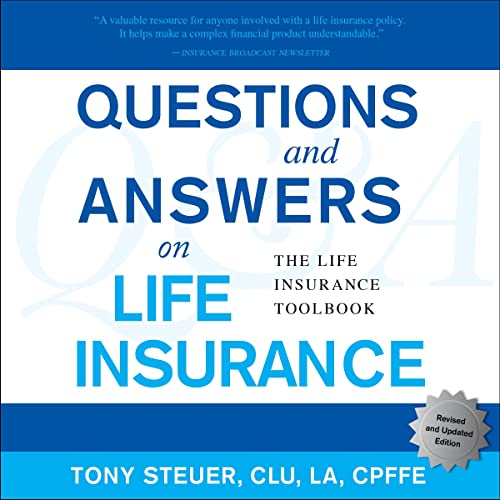
Questions and Answers on Life Insurance: Steuer, Tony
*Amazon Best Seller in Life Insurance* Questions and Answers on Life Insurance is <strong>an extremely useful and one of a kind resource for anyone looking for a simple way to understand life insuranc
Check Price on AmazonTerm life insurance
- What it is: Coverage for a set period—typically 10, 15, 20, 25, or 30 years. If you pass away during the term, your beneficiaries (the people you name to receive the payout) get the death benefit (the lump sum the policy pays).
- Premiums: Your premium (the amount you pay each month or year) is level for the term.
- Who it suits: Most Arizona families looking for the highest coverage per dollar during key years—like while paying a mortgage, raising kids, or covering college goals.
- Why people pick it: It’s typically the most affordable way to get meaningful protection.
Example: A 35-year-old non-smoker in Phoenix looking for $500,000 of 20-year term to cover a mortgage and child care often sees competitive quotes from multiple carriers. Actual rates vary by health history, coverage amount, and insurer underwriting (the process insurers use to evaluate risk and set your price).
Whole life insurance
- What it is: Permanent coverage that lasts your entire life, as long as premiums are paid. It also builds cash value (a savings-like component inside the policy that grows tax-deferred).
- Premiums: Typically higher than term and fixed for life.
- Who it suits: People who want guaranteed lifetime coverage, predictable premiums, and a cash value you can borrow against. Often used for legacy planning or final expenses.
- Considerations: Cash value growth, dividends (if offered), and fees vary by company. Borrowing from cash value reduces the death benefit if not repaid.
Universal life insurance (UL)
- What it is: Permanent coverage with flexible premiums and adjustable death benefits. Types include Guaranteed Universal Life (GUL), Indexed UL (IUL), and Variable UL (VUL).
- Premiums: Flexible—you can pay more or less within limits, with charges deducted from the policy’s cash value.
- Who it suits: People who value flexibility or want permanent coverage at lower cost than whole life. GUL can act like “lifetime term,” emphasizing guaranteed coverage over cash value growth.
- Considerations: Policy performance depends on credited interest (IUL) or market performance (VUL). Watch for no-lapse guarantees (a feature that keeps the policy in force if cash value underperforms, as long as you make required payments) and potential future premium increases.
Other options you may encounter
- Final expense (simplified issue whole life): Smaller coverage, usually $5,000–$30,000, designed to help with funeral and end-of-life costs. Simplified underwriting (fewer health questions, often no medical exam).
- Guaranteed issue: No health questions. Typically higher premiums and lower coverage caps. Consider only if you can’t qualify elsewhere.
- Group life through work: Often 1–2x your salary at little or no cost. Valuable, but usually not enough on its own—and it may not be portable if you leave your job.
If you’re just starting out or want a refresher on the basics, our simple guide to choosing a policy and getting quotes can help. See Life Insurance: How to Choose the Right Policy and Get Quotes (/life-insurance/life-insurance-choose-right-policy-get-quotes).
What to consider when comparing policies in Arizona
A policy is only “right” if it fits your life. Here’s how to size it properly and avoid paying for what you don’t need.
Your income and family obligations
- Income replacement: Many Arizonans target 10–15x annual income as a starting point, then fine-tune. The goal is to replace several years of take-home pay.
- Debts and big goals: Add your mortgage balance, auto loans, projected college costs, and any business obligations.
- Child and elder care: Ongoing costs like child care, after-school programs, or supporting aging parents can be substantial in Phoenix, Tucson, and fast-growing suburbs.
Quick worksheet (rough cut):
- Mortgage/major debts: $____
- 5–10 years of income: $____
- Child care/education fund: $____
- Final expenses buffer: $10,000–$20,000 (typical range)
- Existing assets/coverage to subtract: –$____ Total target coverage: $____
Your age and health
- Younger, healthier buyers typically qualify for lower premiums.
- Pre-existing conditions, nicotine use (including vaping), build (height/weight), and driving record can affect underwriting. Some carriers are friendlier to certain conditions than others—shopping around matters.
Budget and how long you need coverage
- Match term length to your biggest time-limited obligations: years left on the mortgage, kids’ ages, or time to retirement.
- If you want coverage for life or to leave a legacy, consider permanent coverage—or buy a convertible term policy (a term policy that lets you switch to permanent coverage, usually without a new medical exam, within a set window).
Employer benefits vs. your own policy
- Group life at work is great, but it often ends when your employment does. A personal policy ensures protection follows you.
Your broader financial plan
- Permanent policies can play a role in estate planning and business succession, but they’re typically not the first tool for emergency savings or retirement investing. Weigh the opportunity cost of higher premiums.
Arizona-specific factors that can shape your coverage
Arizona families have a few unique planning angles worth considering.
Cost of living and housing trends
- Phoenix metro home values and rents have climbed in recent years, while Tucson and many rural counties remain more affordable. If you bought during a high-price period or plan a major renovation, your mortgage balance is a big input for coverage.
- Property taxes are moderate compared with some states, but HOA fees and insurance can add up. If you’re protecting the home as a cornerstone for your family, ensure the death benefit can comfortably handle mortgage payments plus utilities and maintenance.
If you’re reviewing your full household protection, you may also want to assess your home policy. See Home Insurance in Arizona: Coverage, Costs & Best Companies (/home-insurance/home-insurance-in-arizona-coverage-costs-best-companies).
End-of-life and medical costs
- Funeral costs in Arizona typically range from about $7,000–$10,000 for a traditional service; direct cremation options can be lower. A modest final-expense rider or small permanent policy can help cover this without tapping family savings.
- Medical bills can arrive after a prolonged illness. Some policies include an accelerated death benefit rider (a built-in or optional feature that lets you access part of the death benefit if diagnosed with a qualifying terminal or critical illness). Review how and when you can use it.
If you’re also comparing medical coverage, our Health Insurance in Arizona guide can help you weigh options for ongoing care costs. See Health Insurance in Arizona: Plans, Costs & How to Enroll (/health-insurance/health-insurance-in-arizona-plans-costs-enroll).
Community property and beneficiary choices
- Arizona is a community property state. That generally means most assets acquired during marriage are jointly owned. While you can name anyone as a beneficiary, married policyholders should coordinate beneficiary designations with their spouse and broader estate plan to avoid surprises. When in doubt, speak with a licensed agent or estate attorney.

Quicken Willmaker & Trust 2025: Book & Online Software Kit: Nolo, Editors of
Quicken WillMaker & Trust 2025: Book & Online Software Kit is <strong>the original estate planning software created and updated regularly by Nolo's experts</strong>.
Check Price on AmazonState regulations to know (consumer protections)
- Free look period: Most policies include a free look (a window—often at least 10 days—where you can cancel for a refund). Check your contract for the exact period.
- Grace period: Policies typically include a grace period (commonly around 30 days) to pay a missed premium before the policy lapses (ends). Confirm the terms.
- Contestability period: For the first two years, the insurer can review the application if there’s a claim. Be accurate and complete on your application to avoid issues.
- Suicide clause: Many policies exclude suicide for the first two years. After that, standard benefits typically apply.
- Arizona’s life and disability guaranty association provides limited protection if an insurer becomes insolvent. Coverage limits and rules apply—this is not a reason to choose one policy over another, but it’s useful to know the safety net exists.
What to look for when comparing life insurance in Arizona
Here’s a practical checklist you can use to shop like a pro.
Financial strength and service
- AM Best rating of A- (Excellent) or higher is a common benchmark for long-term promises.
- NAIC complaint index: A below-1.0 score indicates fewer complaints than average.
Premiums and guarantees
- Level premiums vs. flexible: Term premiums are typically level. Universal life may allow flexibility—verify what’s guaranteed and what depends on performance.
- No-lapse guarantee (UL): If you pick universal life, a strong no-lapse provision can prevent surprises if credited interest underperforms.
Riders (optional features)
- Accelerated death benefit: Access a portion of the benefit upon qualifying illness. Check triggers and limits.
- Waiver of premium: Waives your premium if you become disabled (definition of disability varies by insurer).
- Child term rider: Provides coverage for children under one small rider instead of separate policies.
- Guaranteed insurability: Lets you buy more coverage later without new medical evidence, at set ages or life events.
- Term conversion: With term policies, confirm if you can convert to permanent coverage, the deadline to do so, and which permanent products you can convert into.
Underwriting requirements
- Fully underwritten: Often best prices, but may require a paramed exam (a brief health exam with blood/urine and measurements).
- Accelerated underwriting: For qualifying applicants, no exam and faster decisions based on health records and data.
- Simplified or guaranteed issue: Fewer questions or none, but typically higher premiums and lower coverage limits.
- “Nicotine” definitions: Vaping and occasional cigar use are treated differently by different carriers. If you vape, comparing carriers can make a real cost difference.
Policy terms and illustrations (for permanent policies)
- For whole and UL, review the illustration (a document showing how cash value and costs may evolve). Focus on guaranteed vs. non-guaranteed values, internal charges, and stress scenarios.
Pro move: Get at least three quotes with the same coverage amount and term length, then compare riders, conversion options, and the company’s financial ratings side by side. The fastest way to see what you would actually pay is to compare quotes from 3–5 carriers. You can start here: Life Insurance: How to Choose the Right Policy and Get Quotes (/life-insurance/life-insurance-choose-right-policy-get-quotes).
What it can cost in Arizona (ballpark examples)
Rates vary widely by age, health, tobacco use, and the insurer’s underwriting. Your numbers may be higher or lower, but here are common ranges we see from major carriers as of 2024:
- 30-year-old, healthy non-smoker, $500,000, 20-year term: roughly $18–$30 per month.
- 40-year-old, healthy non-smoker, $500,000, 20-year term: roughly $28–$50 per month.
- 45-year-old smoker, $500,000, 20-year term: often $120–$220 per month.
- 55-year-old, healthy non-smoker, $250,000, 15-year term: roughly $50–$110 per month.
These are only examples—not guarantees. Your actual rate depends on your individual profile, coverage details, and the carrier. The best way to land the right price is to compare several insurers side by side.
If you’re in your 20s or 30s, locking in coverage early can save a lot over time because premiums generally rise with age. See Life Insurance for Young Adults: Why to Buy Now, What to Choose, and How to Save (/life-insurance/life-insurance-for-young-adults).
How to get the right amount of coverage for an Arizona household
A step-by-step approach
- Clarify your goal: Protect income for how many years? Pay off the mortgage? Create a college fund? Leave a legacy?
- Do the math: Use the worksheet earlier, then add a buffer for inflation and surprises.
- Choose the policy type: Term for time-bound needs; permanent if you want lifetime coverage or specific estate planning goals.
- Pick a term length: Common choices are 20 or 30 years for young families; 10–15 years for those closer to retirement.
- Fit it to your budget: It’s better to buy a slightly smaller policy you can comfortably keep than a larger one you might drop.
Real-world examples
- Young family in Gilbert: Two incomes, toddler at home, 27 years left on the mortgage. They choose $750,000 30-year term for each spouse, plus a child term rider. They keep premiums level and plan to convert a portion later if needed.
- Empty nester in Tucson: Mortgage almost paid, wants to leave $100,000 to each of two kids and fund final expenses. Chooses a modest guaranteed universal life policy with a strong no-lapse guarantee, focusing on lifetime coverage at a lower cost than whole life.
- Small business owner in Flagstaff: Uses term coverage for personal protection and a separate policy for a buy-sell agreement with a business partner. Makes sure ownership and beneficiary designations match the legal agreement.
Next steps: Quotes, beneficiaries, and final checks
Here’s how to move from research to a well-chosen policy.
Get personalized quotes
- Compare at least 3–5 carriers with the same face amount (the death benefit) and term length. Ask for quotes with and without riders you’re considering.
- If you have health factors (diabetes, sleep apnea, past cancer) or nicotine use, ask your agent which carriers are most competitive for your profile before you apply.
Prepare for underwriting
- Be ready to share prescription history, recent doctor visits, and driving record. If a paramed exam is needed, hydrate well, avoid caffeine right before, and schedule it in the morning when blood pressure may be lower.
Set beneficiaries and ownership correctly
- Primary and contingent beneficiaries: Name a backup in case your primary beneficiary can’t accept the benefit.
- Review community property considerations if you’re married in Arizona. Coordinate with your spouse and consider how life insurance fits with any will or trust.
- Consider ownership: For business or estate planning, the policy owner and beneficiary may be someone other than the insured—get guidance to set this up correctly.

ShaziaVault Estate Planning & Emergency Organizer Kit – Family Document Binder for Legacy & Next of Kin Planning | Home & Office Paperwork Organizer
View on AmazonRead the fine print
- Free look and grace periods: Know your cancellation and late-payment windows.
- Riders and exclusions: See exactly when accelerated benefits apply and any exclusions that could affect a claim.
- Term conversion deadlines: Put the conversion window on your calendar if you think you might want permanent coverage later.
Review annually
- Major life events—marriage, birth, home purchase, job changes—are all triggers to reassess coverage.
Ready to see real numbers for your situation? The fastest way to know what you’d actually pay is to compare quotes from several top insurers. Start here: Life Insurance: How to Choose the Right Policy and Get Quotes (/life-insurance/life-insurance-choose-right-policy-get-quotes).
A quick note on advice
Life insurance decisions can have legal and tax implications. Consider speaking with a licensed insurance agent and, for complex estates or business needs, an attorney or tax professional. And remember: rates and options vary by your age, health, and carrier—no one can guarantee a specific price until you apply.
Recommended Resources
Questions and Answers on Life Insurance: Steuer, Tony
*Amazon Best Seller in Life Insurance* Questions and Answers on Life Insurance is <strong>an extremely useful and one of a kind resource for anyone looking for a simple way to understand life insuranc
Quicken Willmaker & Trust 2025: Book & Online Software Kit: Nolo, Editors of
Quicken WillMaker & Trust 2025: Book & Online Software Kit is <strong>the original estate planning software created and updated regularly by Nolo's experts</strong>.
ShaziaVault Estate Planning & Emergency Organizer Kit – Family Document Binder for Legacy & Next of Kin Planning | Home & Office Paperwork Organizer
Be prepared and stay organized with the <strong>ShaziaVault Estate Planning & Emergency Organizer Kit</strong> — a complete family document binder designed for legacy and next-of-kin planning. Thi
Related Articles
- Home Insurance in Arizona: Coverage, Costs & Best Companies
- Life Insurance in Arkansas: What Residents Need to Know
- Life Insurance in Alabama: What Residents Need to Know
- Life Insurance in Idaho: What Residents Need to Know
- Auto Insurance in Arizona: Rates, Requirements & How to Save
- Life Insurance in Illinois: What Residents Need to Know
- Life Insurance in Georgia: What Residents Should Know Before Buying
- Life Insurance in Florida: Coverage Options, Costs, and How to Choose