
Auto Insurance in Alaska: Rates, Requirements & How to Save
You’re shopping for auto insurance in Alaska and the numbers look…interesting. Between icy roads, moose crossings, and long distances between towns, is what you’re seeing normal? Here’s what actually matters when choosing coverage in Alaska, how rates typically break down, and practical ways to pay less without leaving yourself exposed.
Heads up: Actual premiums vary by driver, vehicle, insurer, and ZIP code. Use the ranges and examples below as a guide—not a promise.
Auto insurance in Alaska: requirements and minimum coverage
Alaska is an at-fault (tort) state, which means the driver who causes a crash is responsible for the other party’s injuries and property damage. Liability insurance is what pays for those costs when you’re at fault.
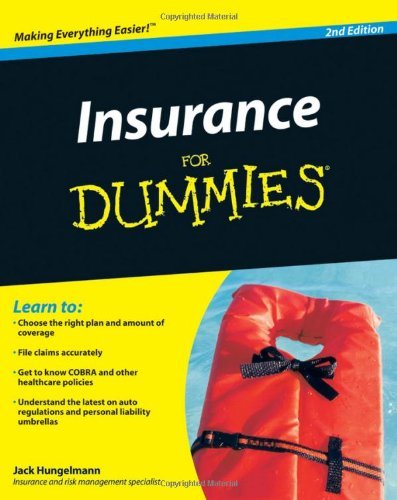
Insurance For Dummies?: Hungelmann, Jack
Whether you’re a homeowner or ... need on: ... Author Jack Hungelmann <strong>uses his twenty-five years of experience in the insurance industry to make buying insurance as simple as possible</strong>
Check Price on AmazonMinimum required liability limits in most of Alaska are typically:
- $50,000 bodily injury per person (pays for the other person’s medical bills if you’re at fault)
- $100,000 bodily injury per accident (the total the insurer will pay for all injured people in the other car)
- $25,000 property damage per accident (repairs or replacement for the other person’s car or property)
Uninsured/underinsured motorist (UM/UIM) coverage is not mandatory, but insurers must offer it at least up to your liability limits; you can reject it in writing. UM/UIM helps if you’re hit by a driver with no insurance or not enough insurance.
Important Alaska nuances:
- Remote-area exception: Some sparsely populated areas are exempt from the mandatory insurance requirement. Even if you’re exempt, you’re still financially responsible if you cause a crash. If you ever drive in areas where insurance is required (or take road trips to larger towns), carry proof of insurance.
- Lenders can require comprehensive and collision if your car is financed or leased.
- Electronic proof of insurance is generally accepted. Keep a paper copy in the glove box in case your phone dies in the cold.
What limits should you choose?
- The state minimums rarely match real-world costs after a serious crash. Many Alaska drivers choose at least 100/300/50 (or higher) to protect assets and future wages.
- Consider medical payments (MedPay), which can help with your and your passengers’ medical bills regardless of fault. It’s optional but useful given long distances to care in many parts of the state.
- Collision coverage (pays to fix your car after a crash, minus your deductible) and comprehensive coverage (covers non-crash damage like theft, vandalism, glass, fire, and wildlife collisions) are optional but often smart to keep your vehicle protected.
If you want a refresher on what each coverage does, see our plain-English breakdown: Understanding Auto Insurance Coverage Types (/auto-insurance/understanding-auto-insurance-coverage-types).
Average car insurance rates in Alaska by age, vehicle, and driving record
Alaska’s premiums tend to be around the national average, sometimes a bit lower in rural areas and higher in Anchorage or Fairbanks. Here are ballpark ranges many drivers see to help you frame quotes. These are illustrative—not guaranteed quotes.
Typical annual premium ranges in Alaska:
- Minimum-liability only: about $700–$1,300 per year for a clean driver
- Full coverage (liability plus comprehensive and collision): about $1,300–$2,200 per year for a clean driver
How different situations often price out:
- 35-year-old with a clean record in Anchorage, driving a 2019 Subaru Forester: full coverage might land around $1,500–$1,900/year, depending on deductible and credit-based insurance score (a score insurers use that considers credit-related factors; allowed in Alaska).
- 20-year-old student in Fairbanks with one at-fault fender-bender: minimum coverage could run $1,400–$2,200/year; full coverage often $2,800–$4,200+. Young age plus a recent accident is a double hit.
- 45-year-old in the Mat-Su Valley with a DUI in the past 3 years (SR-22 required): expect a significant surcharge. Full coverage can easily exceed $3,000/year until the violation ages off. Most SR-22 filings are required for about 3 years, but your timeline may differ.
- 60-year-old Juneau commuter who drives fewer than 6,000 miles per year: low mileage and a clean record can push full coverage toward the lower end, say $1,200–$1,600/year.
- Pickup vs. small SUV: Popular trucks (F-150, Silverado) sometimes run slightly higher than a compact SUV due to repair and theft trends, while a Subaru Outback/Forester is often mid-pack.
Again, these figures are reference points. The fastest way to see what you would actually pay is to compare real quotes from several carriers: Car Insurance Quotes: Compare Rates & Get Personalized Quotes Fast (/auto-insurance/car-insurance-quotes-compare-rates).
Factors that affect Alaska auto insurance premiums
Insurers look at dozens of variables. In Alaska, a few stand out:
- Location and garaging ZIP code: Anchorage and Fairbanks can price higher than some smaller communities due to higher claim frequency, theft risk, and traffic density. Remote locations may see fewer crashes but longer repair timelines and parts shortages can influence costs.
- Driving record: Accidents, speeding, and DUIs are major surcharges. A DUI often triggers an SR-22 filing (an insurer’s certificate proving you have required coverage), and rates can stay elevated for years.
- Mileage and usage: Long commutes or winter job sites can raise rates. If you drive seasonally or infrequently, ask about low-mileage or storage options.
- Vehicle type and safety features: Newer cars with advanced driver-assistance features (automatic emergency braking, lane-keep assist) can help prevent crashes and sometimes lower liability or medical costs—but the sensors are expensive to replace, which can raise collision/comprehensive premiums.
- Credit-based insurance score: Alaska allows insurers to use credit-based insurance scores to help set rates. Improving your credit profile can gradually reduce premiums with many carriers.
- Coverage selections and deductibles: Higher liability limits cost more; raising your comprehensive or collision deductible (the amount you pay out of pocket before insurance pays) can lower the premium.
- Weather and wildlife: Moose and deer collisions are a real exposure—those claims typically fall under comprehensive, not collision. Windshield cracks from gravel and winter roads are common; a glass endorsement or lower comprehensive deductible can be worth it in Alaska, though it may add a bit to the premium.
- Claims history: Even not-at-fault claims can affect pricing at some insurers. Multiple glass claims in a short period can sometimes lead to a comprehensive surcharge.
How to compare and get the cheapest auto insurance in Alaska
Here’s a simple, Alaska-tested process to get the right coverage at a solid price:
- Decide your must-have coverage
- Liability limits: If you have a home, steady income, or savings, consider at least 100/300/50. The extra cost versus state minimums is often modest relative to the protection.
- UM/UIM: With long stretches of highway and uneven insurance rates among drivers, UM/UIM is a strong value in most cases.
- Comprehensive and collision: Worth it if the car is newer, financed, or you can’t easily self-fund a big repair or total loss.
- Deductibles: Many Alaska drivers choose $500–$1,000. If you can afford a higher deductible during a cold snap when cash is tight, you can cut your premium.
- Compare 3–5 quotes the same day
- Lock in the same limits and deductibles so you’re comparing apples to apples.
- Include at least one regional carrier and one national brand. Regional insurers sometimes price Alaska’s unique risks competitively.
- Grab online quotes, then confirm with a human if you have nuances (teen driver, seasonal use, aftermarket equipment, or a prior SR-22).
- Check discounts you actually qualify for
- Bundle with homeowners or renters, even if your home is in a different structure (cabin, condo). Bundles can be 10–25% in many cases.
- Telematics/usage-based insurance (UBI): If you drive carefully and mostly during daylight, UBI can shave 5–20% after the trial period. Alaska winter roads can ding harsh braking scores—drive gently during the tracking period.
- Low mileage: If you park the car part of the year or drive under 7,500–10,000 miles annually, ask for a low-mileage rating.
- Mind the fine print
- Named driver exclusions: Some policies exclude household members not listed. If your college-age kid is home for break, make sure they’re covered before they borrow the truck.
- Aftermarket parts and equipment: Winches, lift kits, or custom wheels may need to be scheduled to be covered.
- Rental reimbursement and roadside: If you live far from a repair facility, rental coverage can be a lifesaver, and roadside help is valuable in subzero weather.
- Re-shop at renewal or after life changes
- New job? Moved from Anchorage to Kenai? Pulled a teen driver off the policy while they’re away at school? Changes can alter your risk (and price), so re-shop.
Ready to line up real numbers? Start here and compare options side-by-side: Compare Car Insurance: Best Coverage and Price Today (/auto-insurance/compare-car-insurance).
For more tactics to bring down premiums without gutting coverage, see: Cheap Auto Insurance: How to Lower Your Premiums & Get Quotes (/auto-insurance/cheap-auto-insurance-lower-premiums-get-quotes).
Alaska-specific discounts and savings opportunities
- Defensive driving/mature driver course: State-approved courses can earn a discount, especially for drivers 55+. It’s usually good for 2–3 years.
- Good student/distant student: Teens and young adults with good grades or those living more than 100 miles from home without a car on campus can score savings.
- Low-mileage or seasonal lay-up: If your vehicle sits for months, ask about a “storage” setup—keeping comprehensive but reducing or dropping liability while it’s off the road. Important: Don’t drive during a lay-up period unless you reinstate liability first.
- Military and federal employee: With multiple bases and federal agencies in Alaska, many insurers have targeted discounts.
- Anti-theft/anti-lock/winter prep: Factory alarms, immobilizers, and anti-lock brakes often help. Some insurers also offer small credits for installed tracking devices.
- Paperless, autopay, and pay-in-full: Easy wins that typically reduce administrative costs and your premium.
- Telematics/UBI: Particularly valuable if you mostly drive midday and avoid heavy winter commutes.
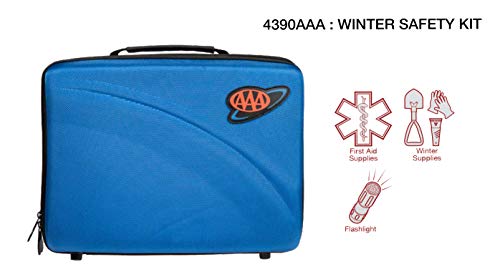
Lifeline 4390 AAA Severe Weather Emergency Road Safety Kit - 66 Pieces - Featuring Emergency Folding Shovel, Fleece Set, Fire Starter, Flashlight and More : Automotive
View on AmazonWhat insurers don’t always tell you
- That “glass claim won’t count” is not universal. Some carriers forgive an occasional windshield repair, others may surcharge after multiple claims. Ask how your insurer treats glass.
- Rejecting UM/UIM to save a few dollars can backfire if you’re hit by an uninsured driver. In most cases, the cost-to-value ratio of UM/UIM is strong in Alaska.
Filing a claim in Alaska: what to expect
If you’re in a crash or wildlife encounter:

Garmin Dash Cam 67W, 1440p and Extra-Wide 180-degree FOV, Monitor Your Vehicle While Away w/New Connected Features, Voice Control, Compact and Discreet, Includes Memory Card - 010-02505-05 : Electronics
The pocket-sized Garmin Dash Cam™ 67W with voice control (only available in English, German, French, Spanish, Italian and Swedish) <strong>automatically records 1440p video and provides discreet eyewi
Check Price on Amazon- Get safe and call for help
- Move to a safe spot if possible, turn on hazards, and call 911 for injuries or if vehicles are blocking traffic. In a wildlife collision (moose/deer), don’t approach the animal.
- Document everything
- Exchange information, take photos of damage, road conditions, and surroundings. Note witnesses and dash-cam footage if you have it.
- Notify your insurer promptly
- Most policies require “prompt notice.” You’ll provide a statement, photos, and repair-shop preference. Remote areas may rely on mobile estimators or photo estimates.
- Understand coverage paths
- At-fault other driver: You’ll typically pursue their liability coverage. Keep receipts for rentals and out-of-pocket costs.
- Your collision coverage: Pays for your car damage minus your deductible if you’re at fault—or if liability is disputed and you want faster repairs.
- Comprehensive for wildlife: Hitting a moose or deer is generally a comprehensive claim, not collision (deductible may differ).
- UM/UIM: If the at-fault driver is uninsured or underinsured, your UM/UIM kicks in for injuries (and sometimes PD, depending on your policy).
- Know Alaska fault rules and timelines
- Comparative negligence: If both drivers share fault, payouts are reduced by each party’s percentage of fault. If you’re 20% at fault, your recovery is typically reduced by 20%.
- Time limits: Injury and property damage claims have legal deadlines (often around two years), and insurance policies have notice and proof-of-loss requirements. Don’t wait to start the process.
Practical tips
- Choose a shop you trust. In Alaska’s smaller markets, you may wait for parts—ask your adjuster about extended rental coverage if repairs will be slow.
- Keep weather in mind. If a storm is incoming, tarp broken glass and avoid driving a damaged vehicle.
FAQ: common questions about Alaska car insurance
Is auto insurance required everywhere in Alaska?
- In most populated areas, yes. Some remote areas are exempt from the mandatory insurance law, but you’re still financially responsible if you cause damage. If you drive into areas where insurance is required—or leave the state—you should carry coverage.
What are the Alaska minimums again?
- 50/100/25 for liability: $50,000 per person, $100,000 per accident for bodily injury, and $25,000 for property damage.
Should I buy uninsured/underinsured motorist coverage?
- Typically yes. It’s optional, but in most cases it’s a strong value in Alaska due to long distances to medical care and a meaningful share of uninsured drivers. You can reject it in writing, but consider keeping it.
How much does car insurance cost in Alaska?
- A clean-driver full coverage policy often falls in the $1,300–$2,200/year range, and minimum coverage can be $700–$1,300/year. Your price depends on your vehicle, location, record, mileage, and credit-based insurance score.
Will winter tires lower my premium?
- Not usually as a specific discount, but safer winter driving can help prevent claims—and some telematics programs reward gentle braking and fewer nighttime trips.
Are windshield cracks covered—and will a claim raise my rate?
- Windshield damage is generally comprehensive coverage. A repair may be free or lower-cost than a full replacement depending on your deductible. One repair typically has a small impact, but multiple glass claims can raise your comprehensive rate with some carriers.
What if I’m driving to Canada?
- Ask your insurer for a Canada insurance card and confirm liability limits. Most U.S. policies extend to Canadian provinces, but carry proof that’s accepted at the border.
What is an SR-22 and how long do I need it?
- An SR-22 is a certificate your insurer files with the state to prove you have required coverage, typically after a DUI or serious violation. Many drivers must maintain it for about three years, but your exact term depends on your case.
I only drive seasonally. Can I pause coverage?
- Many Alaska insurers allow a “lay-up” period where you keep comprehensive for storage but drop or reduce liability. You must reinstate liability before driving again.
The smart next step
The fastest way to see your real price—and which discounts you actually qualify for—is to compare quotes from 3–5 carriers. Start here: Car Insurance Quotes: Compare Rates & Get Personalized Quotes Fast (/auto-insurance/car-insurance-quotes-compare-rates).
Want a deeper dive on picking limits and deductibles? Check out: Understanding Auto Insurance Coverage Types (/auto-insurance/understanding-auto-insurance-coverage-types). When you’re ready to comparison-shop, this page makes it simple: Compare Car Insurance: Best Coverage and Price Today (/auto-insurance/compare-car-insurance). For quick savings tactics, see: Cheap Auto Insurance: How to Lower Your Premiums & Get Quotes (/auto-insurance/cheap-auto-insurance-lower-premiums-get-quotes).
A quick note: For personalized advice about the right limits for your situation, speak with a licensed Alaska insurance agent. They can factor in your vehicle, commute, driving record, and any special needs like SR-22 filings or seasonal vehicle use.
Recommended Resources
Insurance For Dummies?: Hungelmann, Jack
Whether you’re a homeowner or ... need on: ... Author Jack Hungelmann <strong>uses his twenty-five years of experience in the insurance industry to make buying insurance as simple as possible</strong>
Garmin Dash Cam 67W, 1440p and Extra-Wide 180-degree FOV, Monitor Your Vehicle While Away w/New Connected Features, Voice Control, Compact and Discreet, Includes Memory Card - 010-02505-05 : Electronics
The pocket-sized Garmin Dash Cam™ 67W with voice control (only available in English, German, French, Spanish, Italian and Swedish) <strong>automatically records 1440p video and provides discreet eyewi
Lifeline 4390 AAA Severe Weather Emergency Road Safety Kit - 66 Pieces - Featuring Emergency Folding Shovel, Fleece Set, Fire Starter, Flashlight and More : Automotive
Nobody wants to be stuck on the side of the road, but the AAA Winter Safety Road Kit will help keep you safe, warm, and comfortable while you are waiting for help. <strong>It contains a folding shovel
Related Articles
- Home Insurance in Alaska: Coverage, Costs & Best Companies
- Auto Insurance in Alabama: Rates, Requirements & How to Save
- Life Insurance in Alaska: What Residents Need to Know
- Health Insurance in Alaska: Plans, Costs & How to Enroll
- Auto Insurance in Minnesota: Rates, Requirements & How to Save
- Auto Insurance in Hawaii: Rates, Requirements & How to Save
- Auto Insurance in Arizona: Rates, Requirements & How to Save
- Auto Insurance in Montana: Rates, Requirements & How to Save