
Home Insurance in California: Coverage, Costs & Best Companies
You’re probably here because you’re shopping for home insurance in California and the quotes you’re seeing are all over the place. Is that normal? Short answer: yes. California has some of the widest price swings in the country, mostly because of wildfire and earthquake risk, plus evolving insurance rules. This guide breaks down what actually matters so you can get the right coverage at a fair price.
Home insurance in California: what it covers
There’s no state law that requires homeowners insurance in California, but your mortgage lender almost certainly will. Most California buyers carry an HO-3 or HO-5 policy. Here’s what that usually includes:
- Dwelling coverage (Coverage A): Pays to rebuild or repair your home if it’s damaged by a covered peril (a cause of loss named in your policy, like fire or wind). Aim for the full replacement cost, not your home’s market value.
- Other structures (Coverage B): Fences, detached garage, sheds—typically 10% of your dwelling limit.
- Personal property (Coverage C): Your belongings. You can choose actual cash value (pays after depreciation) or replacement cost (pays what it costs to buy new today). Replacement cost is usually worth the extra premium.
- Loss of use (Coverage D): Additional living expenses if you can’t live at home during repairs—hotel, meals, laundry. Keep all receipts.
- Personal liability (Coverage E): Covers injuries or property damage you’re legally responsible for. Many Californians choose $300,000 to $500,000. Consider more if you have higher assets.
- Medical payments (Coverage F): Pays small medical bills for guests hurt on your property, regardless of fault—often $1,000 to $5,000.
- Deductible: The amount you pay out of pocket on a claim before insurance kicks in—often $1,000 to $5,000. Higher deductibles lower your premium.
Two California-specific coverage upgrades to strongly consider:
- Extended or guaranteed replacement cost: Adds 25%–50% (sometimes more) above your dwelling limit if rebuild costs spike after a wildfire. Rebuilding in California is often pricier than expected due to labor, materials, and code upgrades.
- Ordinance or law coverage: Pays the extra cost to bring older features up to current building codes during repairs—think electrical, seismic strapping, or energy standards.
What’s typically not included unless you add it:
- Earthquake damage: Not part of standard homeowners insurance. You can buy it as a separate policy, often through the California Earthquake Authority (CEA), or from private carriers. Deductibles are higher (commonly 5%–25% of Coverage A) but can be a financial lifesaver.
- Flooding from outside water: Requires a separate flood policy through the National Flood Insurance Program (NFIP) or private flood insurers. Atmospheric river events and drainage backups have made this more relevant across the state.
- Wildfire in very high-risk zones: Some insurers no longer write policies in certain areas. If you can’t find a private policy, the California FAIR Plan (last-resort fire coverage) plus a wrap-around “Difference in Conditions” policy can approximate full protection. More on this below.
If you want a deeper refresher on what each section means, this overview is a quick read: What Does Home Insurance Cover?
California homeowners insurance requirements and typical coverage
- State requirement: None, but lenders require coverage until your mortgage is paid off.
- Typical policy type: HO-3 (standard) or HO-5 (broader protection for your belongings, usually costs more).
- Recommended limits in most cases:
- Dwelling: Full replacement cost based on a rebuild estimate, not your purchase price.
- Personal liability: $300,000 to $500,000 minimum; consider an umbrella policy if you have higher assets.
- Personal property: Replacement cost coverage on contents if available.
- Loss of use: At least 12 months of actual loss sustained; 24 months is better after larger wildfires.
- Ordinance or law: 25%–50% of Coverage A if your home is older or in a code-strict city.
- Deductible: Choose a number you could comfortably pay tomorrow (many opt for $1,000–$2,500).
Pro tip: Ask the insurer how they determine your replacement cost—do they use a rebuild-cost calculator that reflects your specific finishes (tile vs. laminate, custom cabinetry, solar, etc.)?
Average home insurance costs in California by home value and location
Rates vary widely by ZIP code, wildfire exposure, age of home, roof type, and even your distance to a fire station. The examples below are typical ranges we see from admitted carriers in many areas; FAIR Plan arrangements or high wildfire scores can run higher. Your actual price can be above or below these ranges depending on your situation.
- Sacramento suburbs, $450,000 home (built 2000): $900–$1,700 per year
- San Diego city, $750,000 home (built 1995): $1,300–$2,400 per year
- Bay Area East Bay, $1,200,000 home (built 1970): $1,800–$3,500 per year
- Los Angeles hills/wildland-urban interface, $1,000,000 home: $2,500–$6,000+ per year
- Tahoe foothills/high wildfire zone, $800,000 home with FAIR Plan + wrap: $3,000–$8,000+ per year (varies widely)
- San Francisco condo (HO-6), $700,000 unit: $400–$900 per year, plus HOA master policy
A quick way to reality-check your quote: estimate $0.30–$0.80 per $100 of dwelling coverage in lower-risk metro areas. Expect higher in hillside or brush-adjacent neighborhoods. Again, these are ballpark ranges—insurers file rates with the state and price individually based on risk.
California-specific risks: natural disasters, weather, and regional factors
- Wildfire and smoke: The biggest driver of price and availability. Insurers look at brush distance, slope, wind patterns, and your “home hardening” (Class A roof, ember-resistant vents, cleared defensible space). Smoke and ash clean-up is often covered when caused by a covered fire.
- Earthquakes: Faults run throughout the state. Standard home insurance excludes quake damage. Consider CEA or private earthquake coverage; deductibles are higher but can protect your equity.
- Flooding and atmospheric rivers: Heavy rains can overwhelm drainage. Standard home insurance doesn’t cover overland flood; consider separate flood insurance if you’re near creeks, in low-lying areas, or have a basement/ground-floor living space.
- Mudflow/debris flow after wildfire: The ground becomes hydrophobic after a burn, increasing mud and debris movement. Depending on the cause, some forms of earth movement are excluded—ask specifically how your policy treats post-fire events.
- Code upgrades and labor/material surges: California’s code requirements and contractor costs can surge after disasters. That’s why extended replacement cost and ordinance-or-law coverage matter here more than in many states.

Construction Metals 14 in. x 6 in. Flange Front Bonderized Vulcan Foundation Soffit Vent - Amazon.com
View on AmazonIf you’re comparing insurers, it may help to browse our national guide for context on coverage decisions: Homeowners Insurance: A Complete Guide to Coverage, Costs & Quotes
How to compare home insurance quotes in California
The fastest way to see what you would actually pay is to compare quotes from 3–5 carriers. Availability can change by ZIP code, so cast a slightly wider net than you think you need.
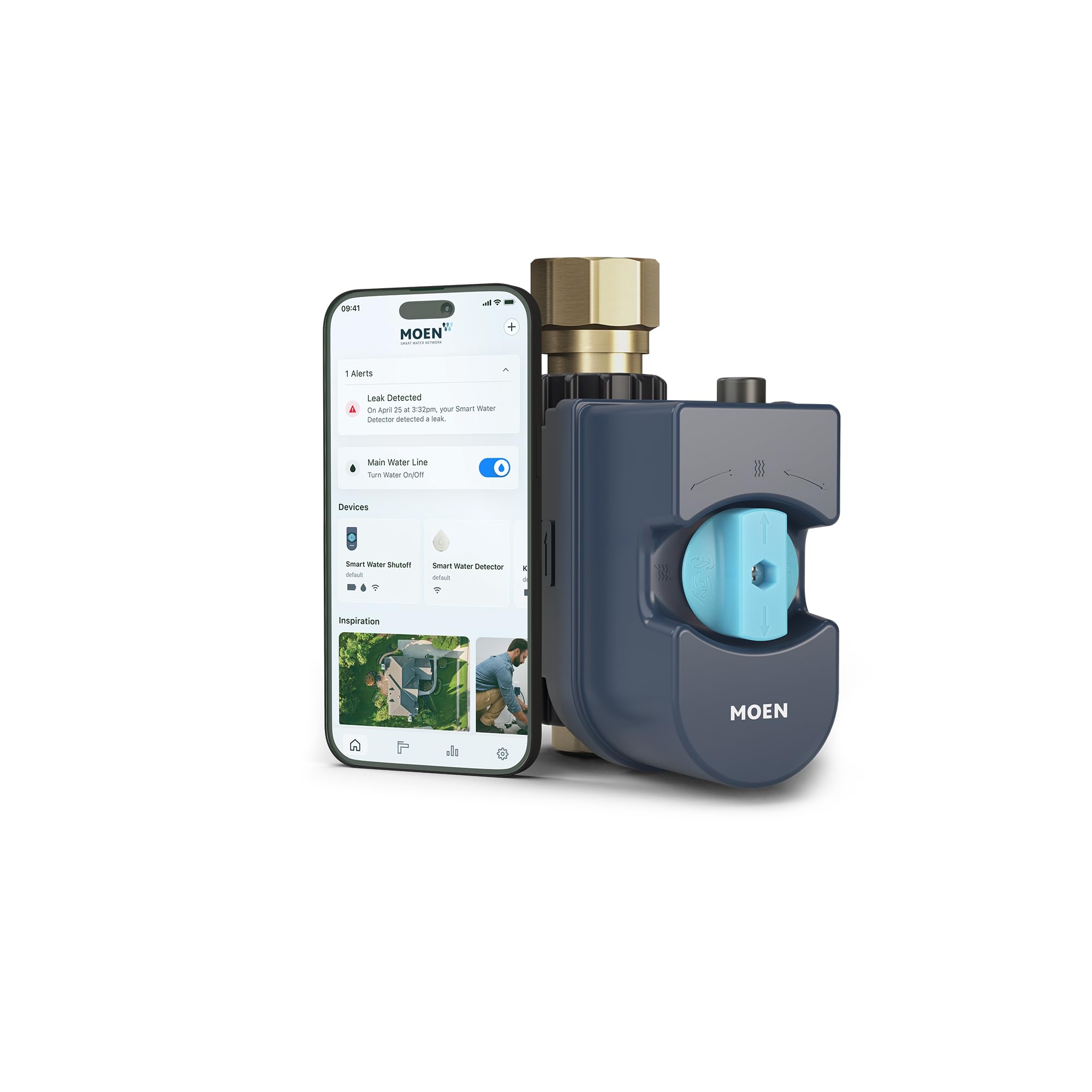
Moen Flo Smart Water Monitor and Automatic Shutoff Sensor, Wi-Fi Water Leak Detector for 3/4-Inch Diameter Pipe, 900-001 - Tub And Shower Faucets - Amazon.com
Moen Flo Smart Water Monitor and Automatic Shutoff Sensor, <strong>Wi-Fi Water Leak Detector for 3/4-Inch Diameter Pipe</strong>, 900-001 - Tub And Shower Faucets - Amazon.com
Check Price on AmazonWhat to look for when you compare:
- Rebuild estimate accuracy: Make sure the dwelling (Coverage A) is enough to rebuild with your finishes and local labor rates. Ask for a copy of the replacement-cost report and correct any errors (square footage, roof type, custom upgrades).
- Wildfire mitigation credits: Confirm you’re getting credit for Class A roofing, defensible space, ember-resistant vents, dual-pane windows, and enclosed eaves. Submit photos if needed.
- Loss of use duration: After large fires, 12 months of ALE (additional living expense) can run out fast. If available, choose 24 months.
- Personal property valuation: Prefer replacement cost over actual cash value for your belongings. Check sub-limits for jewelry, collectibles, bikes, and electronics; add endorsements where needed.
- Ordinance or law: Especially important for homes built before 1990 or heavily remodeled. Consider 25%–50% of Coverage A.
- Water damage protections: Ask about coverage for water backup of sewers/drains and for smart water shutoff device discounts.
- Admitted vs. surplus lines carriers: Admitted insurers are backed by the state guaranty fund; surplus lines can offer options when others won’t but may have different protections and taxes. Both can be appropriate—just understand the trade-offs.
- Claims handling track record: Look for strong financial strength ratings and high claim satisfaction scores. In catastrophe-prone areas, speed and flexibility matter.
- Non-renewal risk: Ask candidly about non-renewal trends in your ZIP code and what steps might help you keep coverage (home hardening, inspections, brush clearance).
A quick checklist before you quote:
- Square footage, year built, roof age, foundation type, updates (roof, electrical, plumbing, HVAC)
- Distance to fire hydrant and station
- Safety features (monitored alarm, deadbolts, wildfire mitigations)
- Estimated value of personal property and any high-value items
Want a broader sense of top-rated carriers and how to pick? See our picks and criteria here: Best Home Insurance 2026: Top Picks, How to Choose & Get Quotes
Call to action: Ready to see real numbers? Compare quotes from 3–5 carriers side-by-side. It’s the quickest way to find who will actually write in your ZIP code and at what price.
Discounts and bundling opportunities for California homeowners
Discounts vary by insurer and by state filings, but common savings in California include:
- Multi-policy (bundle) discount: Save when you bundle home and auto. If you’re shopping both, start here. For auto-specific savings ideas, see: Auto Insurance in California: Rates, Requirements & How to Save
- Wildfire mitigation: Class A roof, ember-resistant vents, 5–100 feet of defensible space, enclosed eaves, and cleared gutters can help. Some carriers require documentation or inspections.
- Claims-free: Staying claim-free for 3–5 years can reduce premiums with many insurers.
- Newer home or roof: Homes built or significantly remodeled in the last 20–30 years, or with a new Class A roof, may qualify.
- Security and safety: Monitored alarm, water shutoff sensors, smoke/CO detectors.
- HOA and condo considerations: If your HOA master policy is strong, you might choose a lower HO-6 dwelling add-on (walls-in) limit—ask your agent to review your CC&Rs and master policy.
Note: Availability and size of discounts depend on the insurer and California’s rate rules. Not every company offers every discount in every ZIP code.
The FAIR Plan and wrap-around coverage
If insurers keep declining you due to wildfire risk, ask about:
- California FAIR Plan: Provides basic fire coverage for your dwelling and belongings when you can’t find a private policy. It’s not full homeowners insurance—no liability, no water damage, no theft by default.
- Difference in Conditions (DIC) policy: A companion policy from a private insurer that adds back the missing pieces (liability, theft, water, etc.). Together, FAIR + DIC can approximate a standard policy, though often at a higher total cost.
If you go this route, pay close attention to:
- Matching limits between FAIR and DIC so you don’t have gaps
- ALE (loss of use) on both policies
- Deductibles and exclusions on each
Filing a home insurance claim in California
If something happens, here’s a calm, step-by-step way to handle it:
The Disaster Recovery Handbook & Household Inventory Guide
Amazon.com: The Disaster Recovery Handbook & Household Inventory Guide: 9780978504304: Bach, Amy, Custodio, Carol Ingalls: Books
Check Price on Amazon- Protect people first and prevent further damage. Turn off water/gas if safe, board up broken windows, cover roof openings. Keep receipts—these mitigation costs are typically reimbursable.
- Document everything. Take photos/video of all damage before cleanup. Make a room-by-room list of affected items with make/model/approximate price.
- Notify your insurer promptly. Most policies require immediate notice “as soon as practical.” Ask for your claim number, adjuster contact, and next steps.
- Ask about an advance. If you’re displaced, many insurers can provide an advance on additional living expenses so you’re not fronting everything on a credit card.
- Meet the adjuster prepared. Share your inventory and contractor estimates. Be clear but factual about the scope of damage, including smoke/ash cleanup if relevant.
- Track timelines. California’s Fair Claims Settlement Practices regulations typically require insurers to acknowledge your claim within about 15 days and accept or deny it within about 40 days after receiving your proof of claim. Timeframes can vary based on circumstances—ask your adjuster to confirm deadlines in writing.
- Review the settlement carefully. If a portion is denied or underpaid, you can:
- Request a supervisor review
- Provide additional documentation or contractor bids
- Consider an independent adjuster or legal advice in complex disputes (fees and state limits may apply, especially after declared disasters)
Tip: After wildfires, debris removal can be handled by local or state programs. Coordinate with your insurer so coverage dollars are used efficiently and you don’t duplicate payments.
Real‑world scenarios
- Say you own a 1,900‑sq‑ft home in Riverside, built in 1998, 0.7 miles from a fire station, Class A roof, and you’ve cleared 30 feet of defensible space. For $500,000 in dwelling coverage, quotes might cluster around $1,100–$1,900 per year from admitted carriers. If you added a smart water shutoff device and a monitored security system, you might shave off another 5%–10%. Rates vary by carrier.
- Now imagine a 2,200‑sq‑ft home in the Santa Rosa foothills with brush within 50 feet and a steeper slope. Standard carriers might pass, pushing you to a FAIR Plan (
$1,800–$3,800 for fire coverage, depending on limits) plus a DIC policy ($1,000–$2,500). The combo could land between $2,800–$6,300+. Availability and pricing change frequently in these zones. - You own a San Francisco condo with a strong HOA master policy. Your HO‑6 might be $450–$800 for $100,000 in personal property and $50,000 in “walls-in” coverage, plus loss assessment coverage in case the HOA levies a special assessment after a covered loss.
Common pitfalls (and how to avoid them)
- Underinsuring the dwelling: Market value isn’t rebuild cost. Use a detailed replacement-cost estimate and add extended replacement if available.
- Forgetting code upgrades: Older homes almost always need updates after a claim. Add ordinance or law coverage.
- Low loss-of-use limits: After big disasters, rentals get scarce and expensive. Opt for longer ALE periods where you can.
- Not documenting wildfire mitigation: If you’ve hardened your home, get credit for it—photos, invoices, inspection reports.
- Skipping earthquake and flood conversations: Even if you decline, know your exposure and costs to add coverage later.
FAQ: common questions about California homeowners insurance
- Are home insurance rates going up in California? Typically yes in many areas, due to wildfire losses, reinsurance costs, and inflation in rebuild costs. California’s Department of Insurance regulates rates, and market conditions are changing—availability can vary by ZIP code.
- Can my insurer non‑renew me? Insurers can non-renew with advance notice (often at least 45 days before expiration). After certain declared wildfires, the state may issue a temporary non‑renewal moratorium for impacted ZIP codes. If you get a non‑renewal, start shopping immediately and ask about mitigation steps that could help you stay insured.
- Do I need earthquake insurance? Standard home insurance excludes earthquake damage. If you can’t afford to rebuild after a major quake, consider a CEA or private earthquake policy. Deductibles are higher (commonly 5%–25%), but premiums are often manageable compared to potential loss.
- What’s the California FAIR Plan? It’s the insurer of last resort for fire coverage when you can’t find a private policy. It’s not full homeowners insurance; pair it with a DIC policy to add liability and other coverages.
- Will my policy cover smoke and ash? Usually yes when caused by a covered fire event, but documentation matters. Photograph residue, HVAC filters, and keep receipts for professional cleaning if warranted.
- How much liability coverage should I carry? Many homeowners choose $300,000–$500,000. If you have significant assets or risky exposures (pool, short‑term rental), consider higher limits or an umbrella policy.
Your next step
- Get a rebuild-cost estimate for your home and make a quick inventory of high‑value items.
- Compare quotes from 3–5 carriers, including one that actively writes in your wildfire tier and, if needed, a FAIR Plan + DIC setup.
- Ask specifically about extended replacement cost, ordinance-or-law, loss-of-use duration, and wildfire mitigation credits.
Call to action: Want help narrowing options? Comparing 3–5 quotes is the fastest way to see your real price in your ZIP code. A licensed agent can help you spot gaps and find discounts you might miss.
Note: This article offers general education. For personalized advice, talk with a licensed insurance agent who can evaluate your specific home, location, and coverage needs.
Recommended Resources
The Disaster Recovery Handbook & Household Inventory Guide
Amazon.com: The Disaster Recovery Handbook & Household Inventory Guide: 9780978504304: Bach, Amy, Custodio, Carol Ingalls: Books
Moen Flo Smart Water Monitor and Automatic Shutoff Sensor, Wi-Fi Water Leak Detector for 3/4-Inch Diameter Pipe, 900-001 - Tub And Shower Faucets - Amazon.com
Moen Flo Smart Water Monitor and Automatic Shutoff Sensor, <strong>Wi-Fi Water Leak Detector for 3/4-Inch Diameter Pipe</strong>, 900-001 - Tub And Shower Faucets - Amazon.com
Construction Metals 14 in. x 6 in. Flange Front Bonderized Vulcan Foundation Soffit Vent - Amazon.com
Construction Metals 14 in. x 6 in. Flange Front Bonderized Vulcan Foundation Soffit Vent - Amazon.com
Related Articles
- California Home Insurance: Compare Quotes, Costs & Coverage
- Home Insurance in Colorado: Coverage, Costs & Best Companies
- Best Homeowners Insurance in California (2026): Top Picks & How to Choose
- Auto Insurance in California: Rates, Requirements & How to Save
- Home Insurance in Maryland: Coverage, Costs & Best Companies
- Home Insurance in Arizona: Coverage, Costs & Best Companies
- Home Insurance in Wyoming: Coverage, Costs & Best Companies
- Home Insurance in Illinois: Coverage, Costs & Best Companies