
California Home Insurance: Compare Quotes, Costs & Coverage
You’re shopping for home insurance in California and the quotes feel all over the place. Is that normal? Short answer: yes. Home insurance California is uniquely challenging right now because of wildfire risk, tighter underwriting, and changing market conditions. The good news: you still have options if you know how coverage works, where gaps appear, and how to compare quotes the smart way.
Use this guide to understand coverage, find savings, and pick a policy that actually protects your home—not just checks a box.
How California Home Insurance Works
At its core, a homeowners policy protects your house, your stuff, and your liability. Most California homeowners carry one of two common policy forms:
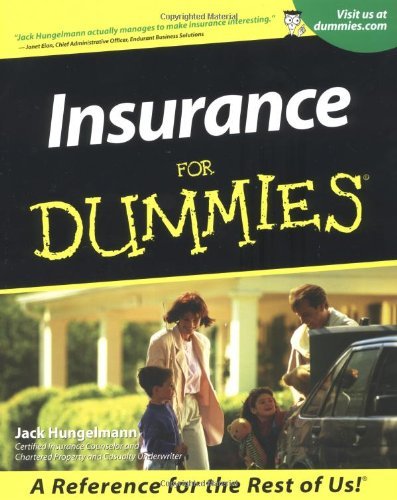
Insurance for Dummies: Hungelmann, Jack
<strong>Manage life, health, and disability risks</strong> ― explore individual and group policies, understand Medicare basics, and evaluate long-term disability and long-term-care insurance ...
Check Price on Amazon- HO-3: The most common policy. Dwelling (your home) is covered on an “open perils” basis—most causes of loss except those specifically excluded. Personal property (your belongings) is usually covered on a “named perils” list like fire, theft, and vandalism.
- HO-5: Broader protection. Both your dwelling and personal property are typically “open perils,” and it often includes higher limits for things like jewelry and fewer exclusions. It usually costs more and may be harder to get in higher-risk ZIP codes.
Typical coverages built into a California home insurance policy:
- Dwelling (Coverage A): Repairs or rebuilds the structure if it’s damaged by a covered peril. Set this at your home’s replacement cost (what it would cost to rebuild today), not its market value.
- Other Structures (Coverage B): Fences, detached garage, sheds—usually 10% of Coverage A by default.
- Personal Property (Coverage C): Your belongings. Often 50–70% of Coverage A by default. You can choose replacement cost (new for old) or actual cash value (depreciated value). Replacement cost coverage almost always makes sense.
- Loss of Use (Coverage D): Extra living expenses if you can’t live at home during repairs—hotel costs, short-term rentals, extra food costs. Limits vary widely.
- Personal Liability (Coverage E): If someone is injured on your property or you accidentally cause damage to others. Many homeowners carry $300,000–$500,000; consider more if you have assets to protect.
- Medical Payments (Coverage F): Small, no-fault coverage for minor injuries to guests, typically $1,000–$5,000.
Two terms to understand when comparing policies:
- Deductible: The amount you pay out of pocket before insurance kicks in. Higher deductibles typically lower your premium, but pick a number you could comfortably pay tomorrow.
- Replacement Cost vs. Actual Cash Value: Replacement cost pays to repair/replace without depreciation; actual cash value subtracts depreciation. Replacement cost is usually worth the modest extra premium.
For deeper background on coverages and how to size them, see our broader primer: Home Insurance Guide 2026 — Compare Quotes, Coverage & Costs.
California-Specific Exclusions and How to Fill the Gaps
California has some big-ticket risks that standard homeowners policies typically exclude. Here’s what to watch, and how to close the gaps.
Wildfire
- What’s covered: Fire is a standard covered peril, including wildfire—if you can get a policy. In higher-risk areas, some private carriers won’t write new business or may nonrenew.
- What to do if you can’t get coverage: The California FAIR Plan is a state-established last-resort policy that covers fire and a handful of related perils (named-peril coverage). It does not include liability, water damage, or theft. Many homeowners pair the FAIR Plan with a “Difference in Conditions” (DIC) policy to add those missing protections. Availability and pricing vary by ZIP code.
- Wildfire mitigation: Some insurers offer credits for home-hardening (Class A fire-rated roof, ember-resistant vents, 5-foot noncombustible zone, cleared defensible space) or community programs (Firewise). Ask which discounts are available and what proof they need.
Earthquake (California Earthquake Authority)
- Exclusion: Standard homeowners policies exclude earthquake (earth movement).
- Solution: A separate earthquake policy—often from the California Earthquake Authority (CEA) via participating insurers. You can choose deductibles (commonly 5%–25% of your Coverage A limit), and add personal property and loss-of-use options. Retrofitting older homes can unlock discounts and meaningfully improve safety.
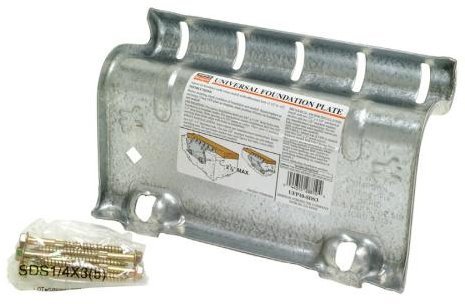
10 Pack Simpson Strong Tie UFP10-SDS3 6-3/4" x 10" Universal Foundation Plate w/SDS Screws : Industrial & Scientific
View on AmazonFlood
- Exclusion: Standard policies exclude flood (rising water from outside your home)—think heavy rain runoff, river overflow, or coastal surge.
- Solution: A separate flood policy from the National Flood Insurance Program (NFIP) or a private flood insurer. NFIP policies typically have a 30-day waiting period and offer set limits; private markets may provide higher limits or shorter waits.
Landslide/Mudflow/Earth Movement
- Exclusion: Earth movement, landslide, and mudflow are generally excluded—regardless of cause.
- Solution: Specialty “earth movement” policies or endorsements may be available in limited markets, generally with higher deductibles. If your home sits on or below a steep slope, this is worth exploring with a specialist broker.
Sewer/Water Backup
- Often excluded or limited: Backups from sewers or drains usually require an add-on endorsement with its own limit (e.g., $10,000–$25,000). Ask explicitly—this is one of the most common uncovered losses.
Key Factors That Affect Your California Premium
Why did your neighbor’s quote come in half of yours? In most cases, it comes down to risk signals and coverage choices.
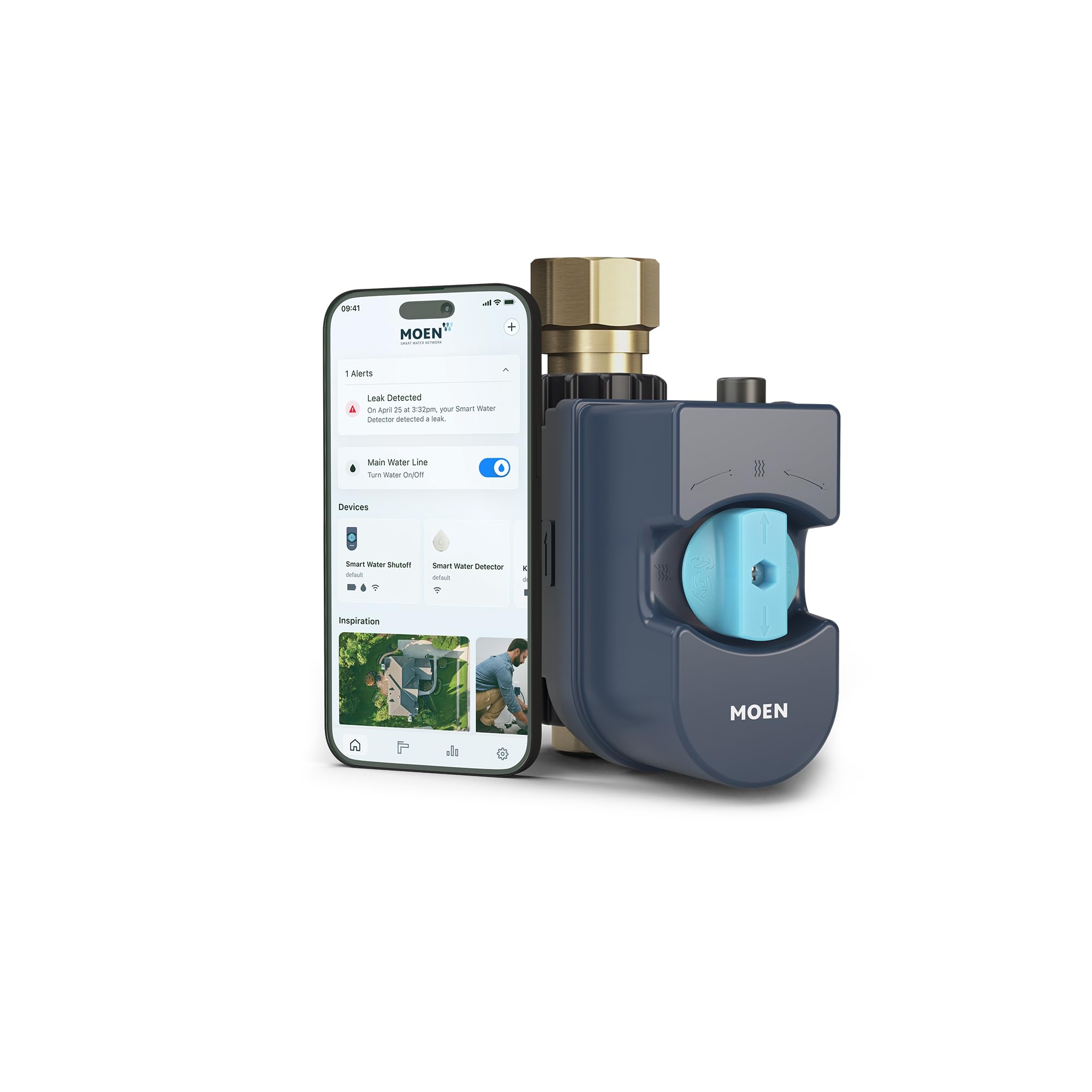
Moen Flo Smart Water Monitor and Automatic Shutoff Sensor, Wi-Fi Water Leak Detector for 3/4-Inch Diameter Pipe, 900-001 - Tub And Shower Faucets - Amazon.com
Moen Flo Smart Water Monitor and Automatic Shutoff Sensor, <strong>Wi-Fi Water Leak Detector for 3/4-Inch Diameter Pipe</strong>, 900-001 - Tub And Shower Faucets - Amazon.com
Check Price on Amazon- Location and wildfire score: Distance to brush, recent fire activity, topography, and your home’s “wildfire risk score” matter. Proximity to a hydrant and a staffed fire station can also influence pricing and eligibility.
- Roof age and material: Newer Class A roofs (asphalt composition, tile, some metal) typically rate better than older wood shake.
- Construction and updates: Stucco over wood frame, updated wiring and plumbing, upgraded electrical panels, and seismic retrofits are positives.
- Claims history: Prior property claims (even water or theft at a previous home) can influence pricing for three to five years.
- Coverage limits and add-ons: Higher dwelling limits, extended replacement cost, ordinance or law coverage, and endorsements increase premiums.
- Deductible: Higher deductibles usually reduce premiums. Some carriers offer separate higher deductibles for wind or wildfire; understand when those apply.
- Occupancy and features: Short-term rentals, pools, trampolines, certain dog breeds, and home-based businesses can affect eligibility and cost.
- Discounts: Multi-policy (bundling with auto), protective devices (monitored fire/burglar alarms), new roof, wildfire mitigation, claims-free, and e-delivery or pay-in-full discounts may apply.
Real-world example: A 35-year-old homeowner in a lower-risk suburban ZIP might see premiums in the low thousands annually for solid coverage, while a similar home in a high-wildfire corridor could see premiums several times higher—or need the FAIR Plan plus a DIC policy. Rates vary widely by carrier and ZIP code.
For a deeper look at companies active in the state, see our picks: Best Homeowners Insurance in California (2026): Top Picks & How to Choose.
State Rules and Consumer Protections to Know
California closely regulates home insurance. A few protections can work in your favor:
- Prior approval of rates: Insurers generally must file and get approval from the California Department of Insurance (CDI) before changing rates. That means increases must be justified with data.
- Nonrenewal and cancellation notices: You are entitled to advance written notice before a nonrenewal or cancellation. Timeframes vary by situation; in many cases you’ll get weeks of lead time to shop alternatives. After declared wildfire disasters, temporary moratoriums can restrict nonrenewals in impacted ZIP codes.
- Fair Claims Settlement Practices: California has timelines for claim handling. Insurers typically must acknowledge a claim promptly (often within 15 days), and accept or deny coverage within a set period after receiving proof of claim (commonly 40 days). If more time is needed, they should update you periodically. Check current CDI guidance for specifics.
- California FAIR Plan: A last-resort option if you’re declined in the standard market. It covers fire and certain named perils; most people add a companion policy to fill gaps like liability and theft.
If you believe your claim or rate decision is unfair, you can contact the CDI Consumer Hotline at 800-927-4357 for help understanding your rights and filing a complaint.
For more state-specific context on costs and availability, see: Home Insurance in California: Coverage, Costs & Best Companies.
Common Endorsements and Add-Ons for California Homeowners
- Wildfire mitigation credits: Some carriers reduce premiums if you harden your home (ember-resistant vents, Class A roof, 5-foot noncombustible zone) or your community earns a Firewise designation. Ask which improvements are verified by photo vs. inspection.
- Extended replacement cost (ERC): Adds 25%–50% (sometimes more) to Coverage A if rebuild costs surge after a catastrophe. In California’s volatile construction market, ERC can be a difference-maker.
- Ordinance or law coverage: Pays to bring your home up to current building codes during a covered rebuild. Many policies include 10%; consider increasing to 25%–50%—especially for older homes.
- Water/sewer backup: Covers damage from backed-up sewers or drains. Pick a limit aligned with potential cleanup and replacement costs; $10,000 is often a starting point but may be low for finished basements.
- Scheduled personal property: Higher-value items like jewelry, watches, fine art, or bicycles can exceed standard sublimits. Scheduling lists each item and often removes the deductible for those items.
- Umbrella liability: An extra $1–$5 million of liability protection above your home and auto policies. Particularly useful if you have a pool, short-term rental exposure, or significant assets.
Pro tip: Ask whether your personal property is covered at replacement cost or actual cash value. If it’s ACV today, the “personal property replacement cost” endorsement is typically an inexpensive, high-impact upgrade.
How to Compare Quotes and Choose the Right Policy
Comparison-shopping is where most people win. The fastest way to see what you would actually pay is to compare quotes from 3–5 carriers. Here’s how to do that with confidence.
A simple side-by-side checklist
Line up your quotes and compare these apples-to-apples:
- Coverage A (Dwelling) replacement cost estimate and whether ERC or guaranteed replacement cost is included
- Coverage C (Personal Property) amount and replacement cost vs. ACV
- Loss of Use limit (Coverage D) and time limit (some policies cap at 12 or 24 months)
- Personal Liability limit (aim for at least $300,000; consider $500,000)
- Deductible amount(s) and whether any separate wind/hail/wildfire deductibles apply
- Ordinance or law limit (10%, 25%, 50%)
- Water/sewer backup limit (if endorsed)
- Exclusions or sublimits that matter to you (mold, jewelry, firearms, bikes, collectibles)
- Wildfire underwriting conditions (home-hardening requirements, brush clearance)
- Claims service reputation and catastrophe response resources
Replacement cost vs. ACV—what it means for you
- Dwelling: Most standard policies use replacement cost for the structure. Confirm the estimator’s assumptions (square footage, quality grade, roof type). If they’re off, your limit may be too low.
- Personal property: If your TV is stolen and you have ACV, you’ll get the depreciated value—maybe half of what a new one costs. Replacement cost adds back the difference after you replace the item.
Red flags when evaluating insurers
- A quote that’s much cheaper than the pack—but with low Coverage A or missing ERC
- High wildfire deductible you didn’t intend to accept
- Low Loss of Use limits in a market where rents are high
- Water damage exclusions or very low sublimits hidden in endorsements
- Vague or no guidance on nonrenewal risk and mitigation steps
Want help narrowing your shortlist? Our curated picks can jump-start the process: Best Homeowners Insurance in California (2026): Top Picks & How to Choose.
CTA: The fastest way to see what you would actually pay is to compare quotes from 3–5 carriers. Get personalized quotes—then use the checklist above to decide.
Step-by-Step: Get Quotes and Bind Coverage in California
Here’s a practical roadmap to go from “shopping” to “insured.”
- Gather key information
- Current policy declarations page (if you have one)
- Year built, square footage, roof age/material, updates to plumbing/electrical/roof
- Foundation type, number of stories, exterior wall material, any attached/detached structures
- Distance to fire hydrant and fire station (rough estimate is fine)
- Safety features: monitored smoke/CO/burglar alarms, fire sprinklers
- Any wildfire mitigation steps completed (photos help)
- Prior claims in the past 3–5 years
- Request quotes from 3–5 sources
- Mix it up: a couple of major carriers, a regional, and an independent agent who can shop multiple markets. If you’re in a high-risk area, ask proactively about FAIR Plan + DIC options.
- Ask these targeted questions
- What is my home’s replacement cost estimator based on? Can I review the inputs?
- Is personal property covered at replacement cost? If not, what’s the cost to add it?
- Do I have extended or guaranteed replacement cost, and at what percentage?
- What’s my ordinance or law limit, and can I raise it?
- Are water/sewer backup and equipment breakdown available? At what limits and deductibles?
- Do you offer wildfire mitigation credits? What documentation is required?
- Are there any underwriting conditions (e.g., clear 100 feet of defensible space, ember-resistant vents) before binding or renewal?
- What is the claims process and average response time during wildfires?
- Bind the policy
- Be ready for an exterior or interior inspection and photo verification. In active wildfire events, temporary binding restrictions can apply—if that happens, ask when binding will reopen and if a binder can be issued once restrictions lift.
- Set up e-delivery and pay-in-full if discounts apply. Calendar your renewal 45–60 days in advance to shop early.
- Revisit annually—or after upgrades
- New roof or seismic retrofit? Ask for discounts.
- Market changes quickly in California; re-shopping each year often pays.
Bundling note: Pairing home and auto can unlock meaningful savings. If you’re also reviewing your car insurance, our guide to Auto Insurance in California: Rates, Requirements & How to Save can help you evaluate bundle options.
Filing Claims and Resolving Disputes in California
When something happens, fast, organized action helps your claim go smoothly.
- Safety first, then mitigate further damage
- Turn off water, board broken windows, and take steps to prevent additional loss. Keep receipts—mitigation costs are often reimbursable.
- Document everything
- Take photos and video of all damage (wide shots and close-ups). Make a room-by-room inventory of damaged items with model/serial numbers if possible.
- Notify your insurer promptly
- File your claim and get a claim number. Ask about next steps and timelines. In California, insurers generally must acknowledge your claim promptly and make a coverage decision within regulated timeframes after receiving proof of claim; they should update you periodically if more time is needed.
- Meet the adjuster prepared
- Have your inventory, estimates, and any contractor opinions ready. For personal property, keep receipts or proof of ownership where available.
- Understand how payments work
- For replacement cost claims, you may receive an initial ACV payment and the recoverable depreciation after you replace items or complete repairs. Ask about deadlines for submitting receipts.
- If you hit a snag
- Ask for the specific policy provision the insurer is relying on for any denial or limitation.
- Use the policy’s appraisal clause if you and the insurer can’t agree on the amount of loss (this is a valuation process, not coverage determination).
- Keep a claim diary: dates, who you spoke with, and what was said.
- If you believe you’re being treated unfairly, contact the California Department of Insurance Consumer Hotline at 800-927-4357 for guidance or to file a complaint.
What to Look For When Choosing Home Insurance in California
- Financial strength and catastrophe capacity: Look for carriers with solid ratings and demonstrated wildfire response resources.
- Transparent underwriting: Clear guidance on mitigation steps and renewal expectations.
- Adequate rebuild and ALE limits: Replacement cost aligned with current construction costs; Loss of Use long enough for California’s rebuild timelines (consider 24 months or more).
- Water damage protection: Reasonable sublimits and available water backup endorsement.
- Claims reputation: Especially after wildfire events—ask friends, read recent consumer reviews, and consult a licensed agent.
A licensed agent can help you size coverage and navigate underwriting differences across carriers. Advice tailored to your home, ZIP code, and budget typically saves time and avoids gaps.
Ready to see real numbers? Compare personalized quotes from 3–5 carriers. It’s the fastest way to understand your true price range and coverage options.
Recommended Resources
Insurance for Dummies: Hungelmann, Jack
<strong>Manage life, health, and disability risks</strong> ― explore individual and group policies, understand Medicare basics, and evaluate long-term disability and long-term-care insurance ...
Moen Flo Smart Water Monitor and Automatic Shutoff Sensor, Wi-Fi Water Leak Detector for 3/4-Inch Diameter Pipe, 900-001 - Tub And Shower Faucets - Amazon.com
Moen Flo Smart Water Monitor and Automatic Shutoff Sensor, <strong>Wi-Fi Water Leak Detector for 3/4-Inch Diameter Pipe</strong>, 900-001 - Tub And Shower Faucets - Amazon.com
10 Pack Simpson Strong Tie UFP10-SDS3 6-3/4" x 10" Universal Foundation Plate w/SDS Screws : Industrial & Scientific
Simpson Strong-Tie URFP-SDS3 URFP 10-5/8 in. x 6-1/4 in. Universal Retro Foundation Plate with Screws (Pack of 10)
Related Articles
- Home Insurance in California: Coverage, Costs & Best Companies
- Auto Insurance in California: Rates, Requirements & How to Save
- Best Homeowners Insurance in California (2026): Top Picks & How to Choose
- Home Insurance in Colorado: Coverage, Costs & Best Companies
- Home Insurance in Maryland: Coverage, Costs & Best Companies
- Health Insurance in California: Plans, Costs & How to Enroll
- Home Insurance in Illinois: Coverage, Costs & Best Companies
- Homeowners Insurance in Texas: Coverage, Costs & Get Quotes