
Home Insurance in Maryland: Coverage, Costs & Best Companies
You’re pricing home insurance in Maryland and the quotes feel all over the place. Is that normal—and how do you know what’s actually good coverage? Here’s the straight answer: home insurance in Maryland does vary a lot by county, how close you are to the Bay or ocean, your home’s age and roof, and even your prior claims. This guide breaks down what home insurance in Maryland usually covers, what it typically costs, which risks matter most here, and how to compare quotes the smart way.
We’ll use plain English, explain the jargon as we go, and give you concrete examples so you can decide confidently.
Maryland homeowners insurance requirements and typical coverage
There’s no state law that forces you to carry home insurance in Maryland. But if you have a mortgage, your lender will require it. Even if your home is paid off, a solid policy protects your biggest asset from the unexpected—fire, storms, burst pipes, lawsuits, and more.
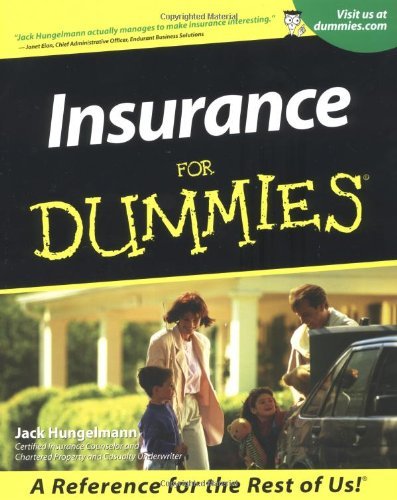
Insurance for Dummies: Hungelmann, Jack
<strong>Manage life, health, and disability risks</strong> ― explore individual and group policies, understand Medicare basics, and evaluate long-term disability and long-term-care insurance ...
Check Price on AmazonA standard Maryland policy is usually an HO-3 policy (the most common type for single-family homes). Here’s what it typically includes:
- Dwelling coverage (Coverage A): Pays to rebuild or repair your house if it’s damaged by a covered peril (like fire, wind, or theft). Choose a limit equal to your home’s replacement cost (what it would cost to rebuild today), not the market price.
- Other structures (Coverage B): Covers things not attached to your house—garage, fence, shed—usually 10% of your dwelling limit by default.
- Personal property (Coverage C): Covers your stuff—furniture, clothing, electronics—typically 50–70% of your dwelling limit. Ask for replacement cost coverage for personal property (pays to buy new items, not the depreciated value).
- Loss of use (Coverage D): Pays for temporary living expenses if you can’t live at home due to a covered claim—hotel, short-term rental, meals.
- Personal liability (Coverage E): Protects you if you’re sued for injuries or property damage to others (for example, a guest falls on your steps). Most people choose $300,000–$500,000. You can add an umbrella policy for higher limits.
- Medical payments (Coverage F): Pays small medical bills for guests hurt on your property, regardless of fault—usually $1,000–$5,000 limits.
- Deductible: The amount you pay out of pocket before insurance kicks in. Many Maryland homes—especially near the coast—also have a separate wind, hurricane, or named-storm deductible (often a percentage of your dwelling limit, like 2% or 5%).
Common add-ons Maryland homeowners consider:
- Water backup and sump overflow: Covers damage if your sump pump fails or a sewer drain backs up. Basements are common in Maryland—this is a big gap to plug.
- Service line coverage: Pays to repair underground pipes and wiring from the street to your home (water, sewer, electrical). Older homes in Baltimore City and older suburbs often benefit here.
- Ordinance or law coverage: Helps with the extra cost to bring an older home up to current building codes after a covered loss. Useful for historic areas (Annapolis, parts of Baltimore).
- Equipment breakdown: Covers sudden failure of major systems (HVAC, appliances) beyond typical wear and tear.
- Scheduled personal property: Higher limits with fewer exclusions for jewelry, fine art, or collectibles.
- Flood insurance: Flood is excluded from standard home insurance. Consider a separate National Flood Insurance Program (NFIP) or private flood policy if you’re near the Bay, ocean, rivers, or low-lying areas.
Want a deeper dive on what each coverage does and doesn’t do? See our plain-English explainer: What Does Home Insurance Cover?
Average home insurance costs in Maryland by home value and location
Let’s talk price. Rates vary by insurer and by your specifics—construction type, roof age, claim history, credit-based insurance score (where allowed), and your exact ZIP code. But here are illustrative ranges we commonly see for Maryland homeowners with no recent claims and standard deductibles. Your quotes may land outside these ranges.
By home value (replacement cost), for a typical frame home, $1,000–$2,500 wind/hail deductible and replacement cost on contents:
- $200,000 dwelling: roughly $700–$1,200 per year
- $300,000 dwelling: roughly $900–$1,600 per year
- $500,000 dwelling: roughly $1,300–$2,300+ per year
By Maryland region (for a $300,000 dwelling, average risk profile):
- Western Maryland (Frederick, Washington, Allegany, Garrett): about $800–$1,400
- Baltimore suburbs (Baltimore County, Howard, Harford): about $900–$1,600
- Montgomery and Prince George’s counties: about $1,000–$1,700
- Anne Arundel and Calvert (Bay exposure varies): about $1,100–$1,900
- Eastern Shore inland (Queen Anne’s, Talbot, Wicomico): about $1,100–$1,900
- Coastal exposure (Worcester/Ocean City, Somerset): about $1,600–$3,000+ due to wind and named-storm deductibles
- Baltimore City (older rowhomes): about $1,000–$1,900 depending on age, updates, and proximity to fire protection
Why the big swings? Two big drivers in Maryland are proximity to the Chesapeake Bay or Atlantic coast (wind and storm surge risk), and the age/condition of the home (older electrical, plumbing, or roof can raise rates).
Pro tip: the fastest way to see what you would actually pay is to compare quotes from 3–5 carriers side by side. Each insurer prices risk differently in Maryland.
For broader shopping tips beyond Maryland specifics, check our Home Insurance Guide 2026 — Compare Quotes, Coverage & Costs.
Maryland-specific risks: natural disasters, weather, and regional factors
- Tropical systems and nor’easters: While Maryland doesn’t get Florida-level hurricanes, late-summer and fall storms can bring damaging wind and heavy rain to the Bay and coast. Many coastal policies have a separate named-storm or wind/hail deductible (a percentage of Coverage A). Ask exactly when it applies.
- Flooding: Coastal and tidal flooding along the Chesapeake Bay and Atlantic coast, plus river flooding and heavy rain events, are real risks. Standard policies exclude flood. Consider NFIP or private flood coverage—even outside high-risk zones.
- Severe convective storms: Spring and summer thunderstorms bring hail and strong winds that can damage roofs, siding, and gutters. Roof age and material meaningfully affect rates and eligibility.
- Winter weather: Snow and ice can cause ice dams (water backing up under shingles) and frozen pipe bursts. Insurers may ask about insulation, heat maintenance, and secondary heat sources.
- Fire and older homes: Baltimore City rowhomes and historic districts may have older wiring or plumbing. Updating systems and the roof can lower rates and improve eligibility.
- Earthquakes: Low risk, but some companies offer a low-cost earthquake endorsement. If you want it, ask—it’s not standard.
How to compare home insurance quotes in Maryland
You’ll get the best result when you compare equal coverage. Here’s what to line up and what to look for.
What to match across quotes:
- Dwelling limit at true replacement cost: Use a rebuild estimate that reflects local labor and material costs. Don’t use your market price.
- Loss settlement terms: Choose replacement cost for dwelling and personal property. If one quote is actual cash value (pays depreciated value), it will look cheaper—but pays less at claim time.
- Deductibles: Match the all-peril deductible and any separate wind/hurricane percentage deductible. A 5% wind deductible on a $400,000 home is $20,000 out of pocket.
- Liability limit: Many Maryland households choose $500,000. Consider an umbrella policy if you have higher assets or a pool.
- Key endorsements: Water backup (aim for at least $10,000–$25,000 if you have a basement), service line ($10,000–$20,000), ordinance or law (10%–25%), special personal property (for more generous contents coverage).
What to look for when choosing a company:
- Financial strength and claims reputation: AM Best rating and customer reviews matter. Fast, fair claims beat small premium differences.
- Coastal and wind deductible rules: If you’re in Anne Arundel, Calvert, Somerset, or Worcester, clarify when a wind or named-storm deductible applies.
- Roof coverage terms: Some policies pay actual cash value on older roofs. Ask if you can get replacement cost on roof and whether cosmetic roof damage is excluded.
- Dog breed, trampoline, or pool exclusions: If this applies to you, verify underwriting rules up front.
- Credit-based insurance score: Maryland law places limits on how insurers can use credit information, but your initial rate may still be influenced by a credit-based score. Ask how your insurer uses it and how to fix errors.
- Local expertise: Regional carriers like Erie Insurance or Brethren Mutual, and national names like Travelers, Nationwide, State Farm, and Allstate, commonly write in Maryland. USAA is excellent if you’re eligible (military/affiliated). Availability and pricing vary by ZIP code.
CTA — Get your real number: The fastest way to find your price is to compare 3–5 Maryland home insurance quotes with identical coverage. Small differences in deductibles or roof terms can change a premium by hundreds of dollars. If you’d like help aligning the options, a licensed agent can do it in a few minutes.
Discounts and bundling opportunities for Maryland homeowners
Most Maryland insurers offer many of these savings. They stack, so ask about all that apply.
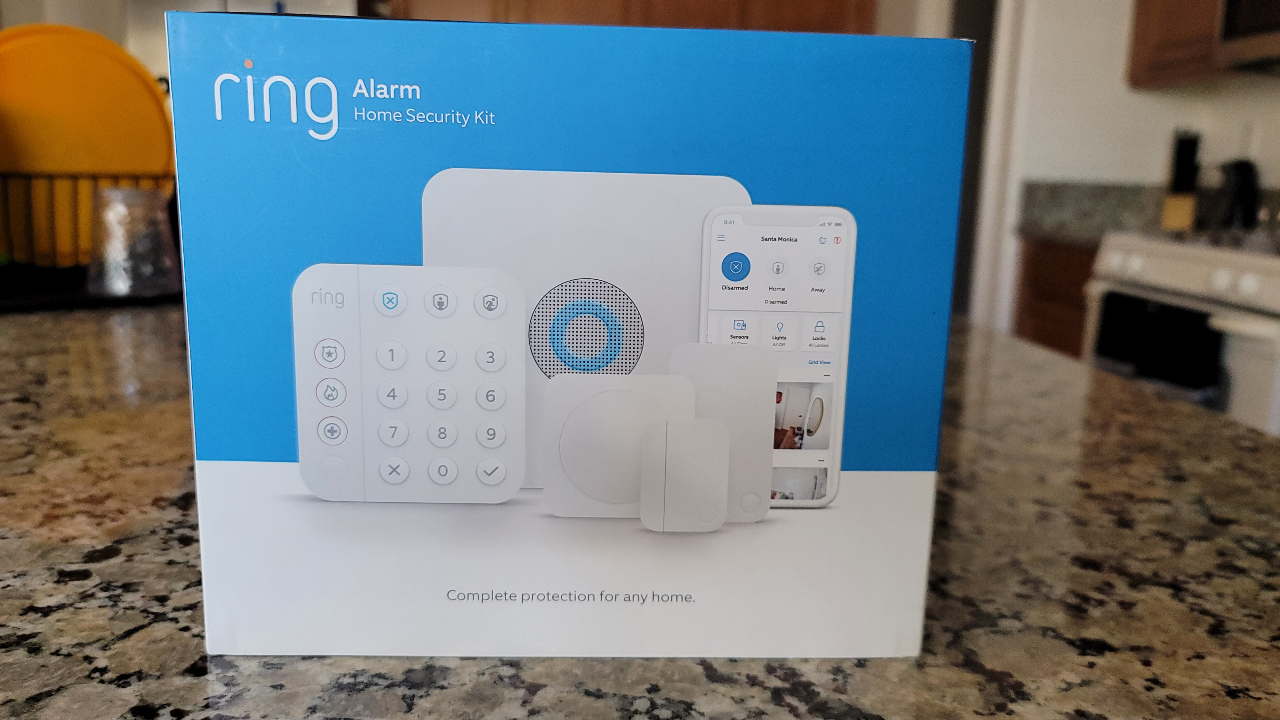
Ring Alarm 8-piece kit (2nd Gen) – home security system
View on Amazon- Bundle home + auto: Often the biggest discount. If you drive in Maryland, see how bundling compares to your current auto rate: Auto Insurance in Maryland: Rates, Requirements & How to Save
- Claims-free: 3–5 years without a claim can earn a lower rate.
- Protective devices: Central station fire and burglar alarms, monitored water leak sensors, and smart thermostats may qualify.
- Newer home or updates: New roof, updated electrical/plumbing/HVAC can reduce risk and premiums. Share permit dates or invoices with your agent.
- Pay-in-full, auto-pay, paperless: Small but easy savings.
- Roof shape and materials: Hip roofs and impact-resistant shingles can help in wind-prone areas. Ask about mitigation credits.
- HOA or gated community: Some carriers offer small discounts for certain communities.
- Loyalty and early shopping: Quoting 7–14 days before your renewal sometimes nets a better price.
Tip: Don’t let a discount talk you into weaker coverage. A strong policy with the right endorsements usually wins over a bare-bones policy that’s just cheaper.
Filing a home insurance claim in Maryland
When something goes wrong, here’s the playbook that keeps you on track.
- Make the home safe and prevent further damage.
- Shut off water, board up broken windows, tarp the roof. Keep receipts—these emergency costs are usually reimbursable.
- Document everything.
- Take photos and video of damage before cleanup if it’s safe. Write down dates, times, and a quick description of what happened.
- Contact your insurer or agent promptly.
- Provide your policy number, describe the loss, and ask about your deductibles (including any separate wind or named-storm deductible). Ask about temporary housing if you can’t live at home.
- Meet the adjuster.
- Walk them through the damage. Share contractor estimates if you have them. If code upgrades are required, mention your ordinance or law coverage.
- Review the estimate and payment.
- You might get an initial payment for actual cash value (depreciated amount), with “recoverable depreciation” paid after repairs are completed. Keep invoices and proof of completion.
- Ask about timelines and your rights.
- Maryland requires insurers to handle claims promptly and communicate clearly. If something feels stuck, politely escalate with your adjuster or ask for a claims supervisor. The Maryland Insurance Administration can also assist consumers with complaints or questions.
- Consider whether to file small losses.
- A claim might raise your future premium. For minor damage just above your deductible, it can be smarter to pay out of pocket. Ask your agent how a claim may affect your rate before filing, if time allows.
How to compare home insurance quotes in Maryland (step-by-step)
- Gather your data: Year built, square footage, roof age/material, updates to plumbing/electrical/HVAC, foundation/basement details, and any prior claims.
- Decide your deductible strategy: $1,000–$2,500 works for many households; set aside an emergency fund that matches your wind or named-storm deductible if you’re coastal.
- Choose liability: $500,000 is common; consider an umbrella if you have a pool, rental exposures, or higher net worth.
- Add endorsements that fit your home: Basements? Get at least $10,000 water backup. Older home? Add ordinance or law and service line.
- Quote 3–5 carriers on the same day with identical coverage. Revisit any outliers and ask why they’re high or low.
- Pick the policy—not just the price. Claims support, roof terms, and deductibles matter on your worst day.
Want help lining this up? A licensed Maryland agent can review quotes apples-to-apples and flag gaps in five minutes.
FAQ: common questions about Maryland homeowners insurance
- Is home insurance required in Maryland? Not by state law, but your mortgage lender will require it. Even without a mortgage, going uninsured puts your house and savings at risk.
- Does home insurance cover floods from the Bay or heavy rain? No. Standard policies exclude flood. Consider NFIP or private flood insurance, especially if you’re near the Chesapeake, Atlantic coast, rivers, or low-lying areas.
- Do Maryland policies have hurricane or named-storm deductibles? Many coastal and near-coastal policies do. It’s often a percentage (like 2% or 5%) of your dwelling limit and applies to wind or named-storm events. Ask your agent exactly when it triggers.
- How does my credit affect my rate? Insurers may use a credit-based insurance score when setting your initial rate, subject to Maryland consumer protection rules. They typically cannot cancel or refuse to renew solely because of credit.
- What if I have a historic home in Annapolis or an older Baltimore rowhouse? Share details about plaster walls, custom woodwork, or historic requirements. You may need higher replacement cost estimates and more ordinance or law coverage.
- Are my jewelry and high-value items fully covered? Standard sublimits for jewelry, watches, and firearms are low. Schedule valuables to get higher limits and broader coverage.
- Is mold damage covered? Usually only if it’s a result of a sudden, covered loss (like a burst pipe), and even then, there are tight sublimits. Preventative maintenance is key.
- Can I insure a short-term rental (Airbnb)? You’ll likely need a specific endorsement or a landlord policy (DP-3). Tell your agent how often you rent to avoid claim denials.
- How can I lower my premium without losing protection? Raise your deductible modestly, bundle home and auto, update your roof and systems, install monitored safety devices, and shop 3–5 carriers. Don’t skimp on water backup or ordinance coverage if you need them.
Next steps
- If you’re coastal or near tidal areas, ask for quotes with and without higher wind deductibles so you can see the savings versus out-of-pocket risk.
- If you have a basement, add water backup; decide on $10,000–$25,000 limits based on your finishes.
- Compare 3–5 quotes with identical coverage. If you drive in-state, include a bundled option alongside your current auto policy to see the true net price.
CTA — Ready to see real numbers? Get personalized Maryland home insurance quotes with the same coverage details. It’s the fastest way to find the right balance of price and protection. A licensed agent can help tailor endorsements—especially water backup, service line, and ordinance or law—so you’re covered for Maryland’s real-world risks.

The Basement Watchdog Emergency Battery Backup Sump Pump - Up to 2,000 GPH - 24/7 Monitoring Controller (BWE) - Sump Pump Battery Backup - Amazon.com
View on AmazonRecommended Resources
Insurance for Dummies: Hungelmann, Jack
<strong>Manage life, health, and disability risks</strong> ― explore individual and group policies, understand Medicare basics, and evaluate long-term disability and long-term-care insurance ...
The Basement Watchdog Emergency Battery Backup Sump Pump - Up to 2,000 GPH - 24/7 Monitoring Controller (BWE) - Sump Pump Battery Backup - Amazon.com
PumpSpy Dual Pump Install Kit - ... Dual Pump System To 1-1/2" Line · <strong>The Basement Watchdog Combo Preassembled Primary & Battery Backup Sump Pump System w/Monitoring Controller (CITE-
Ring Alarm 8-piece kit (2nd Gen) – home security system
<strong>24/7 Professional Monitoring</strong> If a break-in or emergency is detected, we’ll request emergency response.² <strong>24/7 Professional Monitoring</strong> · If a break-in or emergency is d
Related Articles
- Auto Insurance in Maryland: Rates, Requirements & How to Save
- Home Insurance in California: Coverage, Costs & Best Companies
- Home Insurance in New Jersey: Coverage, Costs & Best Companies
- Home Insurance in Maine: Coverage, Costs & Best Companies
- Home Insurance in Minnesota: Coverage, Costs & Best Companies
- Home Insurance in Washington: Coverage, Costs & Best Companies
- Home Insurance in Georgia: Coverage, Costs & Best Companies
- Home Insurance in Virginia: Coverage, Costs & Best Companies