
Best Home Insurance 2026: Top Picks, How to Choose & Get Quotes
You’re hunting for the best home insurance and every quote feels different. One carrier is cheaper but has a higher deductible (the amount you pay out of pocket before insurance kicks in). Another includes water backup, but excludes wind. Which one is actually the best? Here’s the truth: the best home insurance typically balances three things—strong coverage, a fair price, and a claims team that shows up when it matters.
Below, we’ll show you how to evaluate all three, share 2026 company picks by category, and give you a step-by-step checklist to compare quotes like a pro.
What “best home insurance” really means
When people say “the best home insurance,” they usually mean the policy that will make them financially whole after a loss—without overpaying. In most cases, that comes down to five pillars:
Insurance For Dummies?: Hungelmann, Jack
Whether you’re a homeowner or ... need on: ... Author Jack Hungelmann <strong>uses his twenty-five years of experience in the insurance industry to make buying insurance as simple as possible</strong>
Check Price on Amazon- Coverage fit: Do the policy and endorsements (add-ons you can buy for extra protection) match your home and risks?
- Price-to-value: Is the premium reasonable for the limits, deductible, and service you’re getting? Rates vary by state, home features, and your profile.
- Claims performance: How quickly and fairly does the insurer pay? Look at complaint ratios and customer service scores.
- Financial strength: Carriers with strong financial ratings (for example, from AM Best) are typically better equipped to pay large-scale claims.
- Stability and availability: In some states and high-risk ZIP codes, not every carrier writes new policies. The “best” option is one that actually offers you coverage.
Tip: If you want a refresher on what homeowners insurance generally covers, scan this explainer: What Does Home Insurance Cover?
Top-rated home insurance companies for 2026 (by category)
These picks reflect typical strengths seen across the market. Availability and pricing vary widely by state and even neighborhood, so always verify options for your exact address and check each carrier’s current financial strength and complaint index.
Best overall (strong coverage + service for many homeowners):
- Amica Mutual: Frequently praised for claims service and flexible endorsements; strong fit for many single-family homes.
- Erie Insurance: Competitive pricing in its regional footprint with solid service; often good for budget-conscious buyers who still want robust coverage.
- USAA (military community only): Consistently strong claims experience and coverage features; eligibility limited to military members, veterans, and their families.
Best budget (lower premiums for similar protection, depending on state):
- State Farm: Broad availability; can be price-competitive in many areas and offers strong bundling with auto.
- Nationwide: Often competitive for newer homes and when bundling multiple products; wide endorsement menu.
- Lemonade (limited states): Digital-first experience with fast quotes; strong for tech-friendly shoppers seeking a straightforward policy.
- Regional mutuals (varies by state): Local or regional carriers can be very price-competitive and service-focused—worth a quote in your ZIP.
Best for high-value homes (custom features, higher limits, broader protection):
- Chubb: High limits, risk consulting, and options like extended or guaranteed replacement cost (coverage that pays to rebuild even if costs exceed your limit, subject to policy terms).
- PURE Insurance: Tailored coverage for high-value homes, often with proactive risk mitigation support.
- AIG Private Client/Private Client Select (availability varies): Designed for complex, high-net-worth exposures.
Best customer service (claims support and satisfaction):
- Amica Mutual: Longstanding reputation for responsive claims.
- USAA (eligible members): Strong service and digital tools.
- Erie Insurance: Consistently positive regional satisfaction.
What this list doesn’t tell you: which carrier will be cheapest—or even available—in your neighborhood in 2026. For example, coastal counties in Florida and hurricane-exposed parts of the Gulf may see limited options or separate wind policies. Some Western ZIP codes with elevated wildfire risk may face higher deductibles or stricter underwriting. Your “best” option is the one that fully covers your risk profile and is competitively priced at your address.
How to compare policies for the best home insurance
The fastest way to find the best home insurance for you is to compare equal quotes (same coverage, limits, and deductibles) from 3–5 carriers. Here’s how to line them up correctly.
Core coverages (what they mean)
- Dwelling (Coverage A): Pays to repair or rebuild your home’s structure after covered damage. The limit should match the home’s reconstruction cost, not the market price.
- Other Structures (Coverage B): Sheds, fences, detached garages—typically 10% of Coverage A by default; can often be adjusted.
- Personal Property (Coverage C): Your stuff—furniture, electronics, clothing. Many policies include replacement cost (pays to replace new). If it’s actual cash value (ACV, which subtracts depreciation), ask to upgrade to replacement cost coverage where available.
- Loss of Use/Additional Living Expense (Coverage D): Pays for temporary housing and increased living costs if a covered loss makes your home uninhabitable.
- Personal Liability (Coverage E): Covers injuries or property damage you’re legally responsible for. Common limits are $300,000–$500,000; many homeowners opt for $500,000+.
- Medical Payments to Others (Coverage F): Pays smaller medical bills for guests injured on your property, regardless of fault, usually $1,000–$5,000 limits.
Want a deeper dive on each? See: Homeowners Insurance: A Complete Guide to Coverage, Costs & Quotes
Limits, valuation, and how to set them
- Replacement Cost vs. Actual Cash Value (ACV): Replacement cost pays the full amount to repair or replace without depreciation; ACV subtracts depreciation. Many carriers offer replacement cost on the dwelling by default but may require an endorsement for contents.
- Extended or Guaranteed Replacement Cost: An endorsement that increases your dwelling limit by a set percentage (for example, +25% or +50%) or even covers whatever it costs to rebuild, subject to policy terms. This can be a lifesaver during post-catastrophe price spikes.
- Personal Property sublimits: Jewelry, firearms, fine art, collectibles, and certain electronics often have low caps. Schedule high-value items (list them with appraisals) for broader coverage.
Deductibles and special wind/hail deductibles
- Standard deductible: A flat dollar amount you pay before coverage applies—often $1,000–$2,500. Raising this typically lowers your premium.
- Percentage deductibles: In wind/hail, hurricane, or named-storm areas, your policy may include a separate deductible equal to 1%–5% (or more) of your Coverage A limit. Example: With a $400,000 Coverage A and a 2% hurricane deductible, you’d pay the first $8,000 on hurricane damage.
Endorsements (smart add-ons to consider)
- Water/Sewer Backup: Covers damage if water backs up through sewers or drains—commonly excluded without this add-on.
- Service Line: Repairs underground utility lines you own (like water and sewer laterals) if they’re damaged.
- Equipment Breakdown: Helps cover sudden mechanical or electrical breakdown of home systems (HVAC, appliances), not wear and tear.
- Ordinance or Law: Pays extra costs to bring damaged parts of your home up to current code during repairs.
- Home-Sharing/Short-Term Rental: Needed if you list your home on platforms like Airbnb—standard policies often exclude this exposure.
- Identity Fraud/Computer Equipment: Optional for added protection on tech-heavy households.
Exclusions and the fine print
- Flood: Not covered by standard homeowners—buy separate flood insurance through the NFIP or a private flood carrier if you’re at risk.
- Earthquake/Earth Movement: Typically excluded; buy a separate policy or endorsement in quake-prone states.
- Wear and Tear/Neglect: Insurance covers sudden and accidental losses, not maintenance.
- Mold and Water Damage Limits: Often capped; endorsements may expand coverage.
- Dog Breed/Attractive Nuisance limits: Some carriers exclude or surcharge certain dog breeds, trampolines, or diving boards.
Location and home factors that change what’s “best”
Where you live and how your home is built can change everything—pricing, eligibility, deductibles, and even which carrier will insure you.
- State rules and market conditions: Insurance is regulated by state. In some states, rate filings and approvals can slow price changes; in others, carriers can adjust faster. If your state faces elevated catastrophe risk (wildfire, hurricane, hail), expect stricter underwriting and higher deductibles.
- Coastal and wind zones: You may see a separate wind/hail or hurricane deductible, or even need a separate wind policy from a specialized or state-backed insurer.
- Wildfire and brush exposure: Defensible space, Class A roof materials, and cleared vegetation can improve eligibility and may cut premiums.
- Hail and roof age: In hail-prone states, some carriers only offer ACV on older roofs (you’d get less for an older roof). A new impact-resistant (Class 4) roof can earn meaningful discounts.
- Flood zones: High-risk flood zones typically require separate flood insurance if you have a mortgage. Even outside high-risk areas, about one-third of flood claims come from moderate- to low-risk zones—consider a modest private or NFIP policy if local history suggests risk.
- Condo vs. single-family: Condo owners usually need an HO-6 policy to cover interior finishes, personal property, and liability, while the association’s master policy covers common areas and the building shell (details vary—read your condo docs).
- Older homes and historic properties: You may need ordinance or law coverage for code upgrades, and a carrier comfortable with knob-and-tube wiring, galvanized plumbing, or unique materials.
Ways to lower premiums without gutting coverage
You shouldn’t have to choose between the best home insurance and an affordable premium. Use these levers thoughtfully—actual savings vary by state and carrier.

SimpliSafe 10 Piece Wireless Home Security System with Outdoor Camera- Optional 24/7 Professional Monitoring - No Contract - Compatible with Alexa and Google Assistant : Electronics
View on Amazon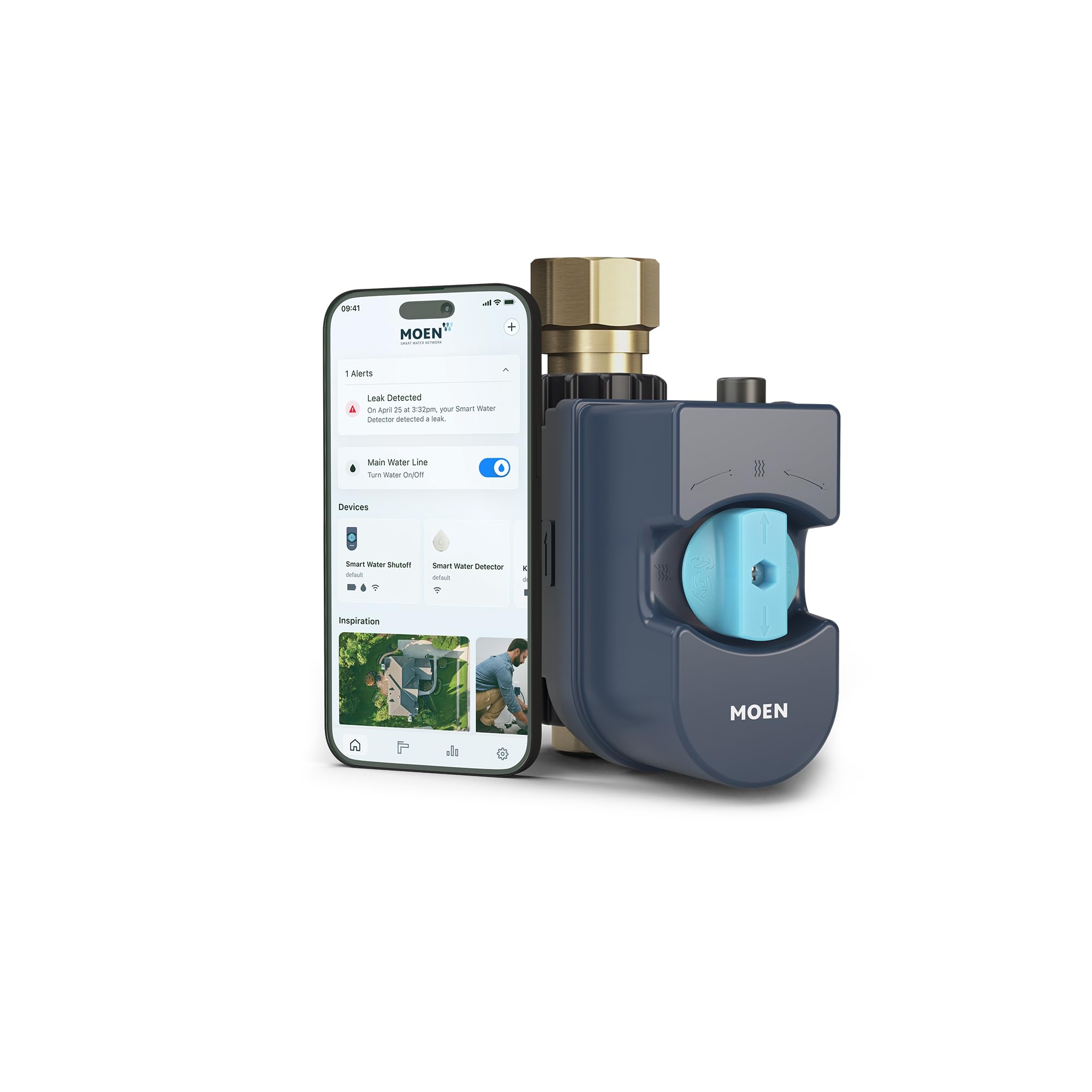
Moen Flo Smart Water Monitor and Automatic Shutoff Sensor, Wi-Fi Water Leak Detector for 3/4-Inch Diameter Pipe, 900-001 - Tub And Shower Faucets - Amazon.com
View on Amazon- Bundle with auto: Home + auto with one carrier usually nets 10%–25% total savings. Run the math with and without bundling since each carrier prices differently.
- Raise your deductible: Moving from $1,000 to $2,500 can trim your premium, but be sure you can comfortably pay the higher out-of-pocket if a loss happens.
- Upgrade your roof and mitigation: Class 4 hail-resistant shingles, secondary water barriers, hip roof geometry, hurricane straps, wind-rated garage doors, impact windows, and sealed roof decks can unlock significant discounts in wind/hail regions.
- Security and water shutoff devices: Central-station alarms, monitored smoke/CO, and automatic water shutoff/leak sensors frequently generate discounts.
- Credit-based insurance score: In most states, better credit can mean lower premiums. Some states restrict or ban its use—your agent can clarify local rules.
- Provide documentation: Proof of a new roof, recent 4-point inspection, or updates to plumbing/electrical/HVAC can improve your rate and eligibility.
- Shop at renewal and after major life changes: New carriers may rate you more favorably, especially after a roof replacement or if you’ve gone claims-free for several years.
- Avoid small claims: Frequent small claims can erase discounts and raise rates. Consider paying minor losses out of pocket if you can comfortably afford it.
For a broader walkthrough on coverage and cost drivers, you can also review our Home Insurance Guide 2026 — Compare Quotes, Coverage & Costs.
What to know about claims before you buy
When something goes wrong, claims service is what you actually bought. Here’s how it usually works and what to ask before choosing a carrier.
- First Notice of Loss (FNOL): Most carriers offer 24/7 claim reporting by app or phone. Ask about average response times in your state.
- Adjuster assignment: You’ll be assigned a staff or independent adjuster (the person who evaluates your damage). Following catastrophes, carriers may rely more on independent adjusters—ask how they manage surge capacity.
- Documentation: Take photos and videos before cleanup. Keep receipts for emergency repairs and Additional Living Expenses (ALE) like hotels and meals.
- Depreciation and holdback: Even with replacement cost, many policies first pay ACV and release the “recoverable depreciation” after repairs are completed and documented.
- Matching and code upgrades: Standard policies may not pay to replace undamaged areas for uniform appearance, and they don’t automatically cover code upgrades unless you have ordinance or law coverage.
- Preferred contractors vs. your contractor: Some carriers offer managed repair networks; others let you choose. Ask about flexibility before you buy.
- Time limits: There are deadlines to report a loss and complete repairs. Ask your carrier about timelines and any requirements to prevent further damage.
Step-by-step checklist to get quotes and pick the right policy
The fastest way to see what you’ll actually pay is to compare quotes from 3–5 carriers for the same coverage setup. Here’s a simple plan.
- Decide your coverage strategy
- Target dwelling limit (rebuild cost). Many carriers will run a replacement cost estimator—confirm key details (sq. ft., materials, custom features).
- Personal property coverage type and amount (replacement cost vs. ACV).
- Liability limit (commonly $500,000+ for most homeowners; consider more if you have higher net worth or risk exposure).
- Deductibles: Choose a base deductible and check for separate wind/hail, hurricane, or named-storm deductibles.
- Must-have endorsements: Water backup, service line, ordinance or law, extended/guaranteed replacement cost, high-value item scheduling.
- Gather info you’ll need
- Prior policy declarations page (if you have one).
- Address, build year, square footage, roof age/material, foundation type.
- Updates to roof, plumbing, electrical, HVAC (with dates/permits if available).
- Safety features (monitored alarms, sprinkler, water shutoff/leak sensors).
- Occupancy (primary, secondary, rental/short-term rental) and distance to fire hydrant/station if known.
- Photos of major systems/roof and any receipts for upgrades.
- Claims history (typically 3–5 years). Insurers may also check a CLUE report.
- Mortgagee clause details (your lender’s information) if you have a mortgage.
- Get quotes from 3–5 carriers
- Ask for identical coverage, limits, and deductibles across all quotes to compare apples to apples.
- Include one “stretch” option with extended or guaranteed replacement cost if available.
- Build a quick comparison matrix
- Columns: Carrier, Price, Coverage A limit, Deductibles (base + any wind/hail/hurricane), Contents valuation (RCV vs. ACV), Key endorsements included, Financial rating (AM Best), Complaint index, Notable exclusions.
- Circle any differences—especially deductibles, valuation (RCV vs. ACV), water backup limits, and sublimits for valuables.
- Ask pointed questions
- How are roof claims settled (RCV or ACV)? Any cosmetic damage exclusions for metal roofs or siding?
- Are there caps on water damage or mold? What’s the water backup limit offered?
- After a total loss, do you pay ACV first and hold back depreciation? How do you release the holdback?
- Do you offer managed repair? Can I use my own contractor?
- What are typical claim response times in my state?
- Choose and bind coverage
- Set effective date to avoid any gap, especially if you’re switching mid-term.
- If you have escrow, send the binder and invoice to your lender.
- Reassess yearly
- Re-run the replacement cost estimator after major upgrades or inflation spikes.
- Shop around at renewal—loyalty doesn’t always equal savings.
Ready to check your options? The fastest way to see real numbers is to compare quotes side-by-side here: Home Insurance Guide 2026 — Compare Quotes, Coverage & Costs
Real-world pricing snapshots (your rate will vary)
- Example 1: 1975 3-bed home in Texas (Dallas–Fort Worth), $350,000 dwelling, $2,000 base deductible + 2% wind/hail deductible, replacement cost on contents. With a 5-year-old Class 4 roof and monitored alarm, you might typically see quotes ranging from roughly $1,800–$3,200/year depending on credit, claims history, and carrier.
- Example 2: 2008 2,400-sq.-ft. home in suburban Ohio, $400,000 dwelling, $1,500 deductible, RCV on contents, water backup $10,000. Quotes commonly land around $1,000–$1,800/year depending on updates and discounts.
- Example 3: 1920s coastal bungalow in Florida Panhandle, $500,000 dwelling, $2,500 base deductible + 2% hurricane deductible, wind mitigation features in place. It’s common to see wider spreads—say $2,500–$6,000/year—based on roof geometry, opening protections, and carrier appetite. Some areas may require separate wind or state-backed options.
These are ballpark ranges only. Your actual rate depends on your state, ZIP code, insurer, home details, coverage choices, credit (where allowed), and claims history.
Common FAQs
Are floods covered by homeowners insurance?
- No. Standard policies exclude flood (rising water from outside). Consider an NFIP or private flood policy if there’s any chance of flooding in your area.
Replacement cost vs. actual cash value—what’s the difference?
- Replacement cost pays what it takes to repair/replace without subtracting for age or wear. ACV subtracts depreciation, which can leave you short. Many homeowners upgrade contents coverage to replacement cost if it’s not included.
Do I need an umbrella policy?
- If you have substantial assets or higher risk (pool, trampoline, teen drivers), a personal umbrella policy adds $1–$5 million of liability on top of your home and auto. It’s relatively affordable and can be critical protection after serious injuries or lawsuits.
Can I switch insurers mid-term?
- Typically yes. Most policies can be canceled pro rata (you get a refund for the unused months). If your premium is escrowed, your new carrier will usually send the invoice to your lender and you’ll receive a refund from your old carrier. Avoid coverage gaps by setting your new start date before canceling.
Is condo insurance different from homeowners?
- Yes. Condo (HO-6) covers your unit’s interior finishes, personal property, loss of use, and liability. The condo association’s master policy covers the building structure and common areas. Read your bylaws to align coverage properly.
What about earthquakes?
- Earthquake is usually excluded and must be purchased separately, either as a standalone policy or an endorsement (availability varies by state).
Will filing a claim raise my premium?
- Often, yes—especially for water and liability claims. Claim surcharges and loss of discounts can last several years. Weigh the cost carefully for minor losses.
A quick note on expert help
A licensed, independent agent can clarify state-specific rules, identify hidden exclusions, and shop multiple carriers at once. That’s especially useful if you’re in a coastal, wildfire, or hail-prone area, or if you need high-value or short-term rental coverage.
Your next step
You don’t have to guess which policy is “best.” Compare matched quotes from 3–5 carriers, review claims reputation, and check the endorsements that matter for your home. Start here to see real options in minutes: Homeowners Insurance: A Complete Guide to Coverage, Costs & Quotes
Helpful reading while you compare: What Does Home Insurance Cover?
Disclaimers: Coverage options, discounts, and availability vary by state and insurer. Quotes and examples above are illustrative and not guarantees of coverage or price. Always review your policy documents and ask your carrier or agent to explain any term you don’t understand.
Recommended Resources
Insurance For Dummies?: Hungelmann, Jack
Whether you’re a homeowner or ... need on: ... Author Jack Hungelmann <strong>uses his twenty-five years of experience in the insurance industry to make buying insurance as simple as possible</strong>
Moen Flo Smart Water Monitor and Automatic Shutoff Sensor, Wi-Fi Water Leak Detector for 3/4-Inch Diameter Pipe, 900-001 - Tub And Shower Faucets - Amazon.com
Moen Flo Smart Water Monitor and Automatic Shutoff Sensor, <strong>Wi-Fi Water Leak Detector for 3/4-Inch Diameter Pipe</strong>, 900-001 - Tub And Shower Faucets - Amazon.com
SimpliSafe 10 Piece Wireless Home Security System with Outdoor Camera- Optional 24/7 Professional Monitoring - No Contract - Compatible with Alexa and Google Assistant : Electronics
Amazon.com: SimpliSafe 10 Piece Wireless Home Security System with Outdoor Camera- Optional 24/7 Professional Monitoring - No Contract - <strong>Compatible with Alexa and Google Assistant</strong> : E
Related Articles
- Best Homeowners Insurance in California (2026): Top Picks & How to Choose
- Best Insurance Companies 2026 — Top Picks & How to Choose
- How to Find the Cheapest Homeowners Insurance (Get Quotes & Save)
- Must‑Ask Questions About Home Insurance: What Every Homeowner Should Ask
- Best Home Insurance for New Homeowners: Top Picks, Costs, and What to Look For
- Home Insurance Guide 2026 — Compare Quotes, Coverage & Costs
- Best Home Insurance in Florida: Top Companies & How to Save
- Best Home Insurance for Renters: Compare Coverage, Cost & Top Picks