
Best Homeowners Insurance in California (2026): Top Picks & How to Choose
You want the best home insurance in California, but the market has been turbulent and your options can change by ZIP code. Here’s what actually matters in 2026, which companies to consider, and how to compare quotes so you don’t overpay—or end up underinsured when you need it most.
Note: Availability and pricing change frequently in California. Always verify current eligibility in your ZIP code, and remember that rates vary by home, location, and personal profile.
Why California homes need specialized insurance
California homeowners face a one-two-three punch of risk: wildfire, earthquake, and flood. A standard homeowners policy (often called an HO-3) typically covers fire, wind, theft, and liability—but it excludes earthquakes and floods. Even for covered perils like fire, the challenge in California is getting the right coverage amount and endorsements so you can actually rebuild.
- Wildfire: In many counties, insurers weigh your property’s wildfire risk score, distance to a fire station/hydrant, vegetation, and roof/vent materials. This affects both eligibility and price.
- Earthquake: Not covered by standard homeowners insurance. You’ll typically need a separate policy—often from the California Earthquake Authority (CEA) or a private earthquake insurer.
- Flood: Also excluded from standard policies. Coverage is available through the National Flood Insurance Program (NFIP) or private flood insurers.
If you need a refresher on what a base homeowners policy covers versus what it doesn’t, this explainer is helpful: What Does Home Insurance Cover? (/home-insurance/what-does-home-insurance-cover)
How we evaluated insurers for California
We looked at factors that matter most in California’s current market:
- Claims handling and satisfaction: How the insurer performs when you actually file a claim—speed, fairness, and support.
- Pricing and stability: Typical price competitiveness, surcharge patterns in high-risk areas, and rate stability over time. (Actual premiums vary.)
- California market access: Whether the company is actively writing, the size of its CA footprint, and appetite by ZIP code. Availability can change; verify during quoting.
- Financial strength: Insurer ratings from AM Best and similar agencies indicate the ability to pay claims.
- Coverage depth for CA perils: Availability of extended replacement cost, ordinance or law coverage, wildfire mitigation discounts, and the ability to pair with the FAIR Plan when needed.
- Customer service: Complaints relative to size, digital tools, and human support.
For broader context on how we pick insurers nationally, see Best Home Insurance 2026: Top Picks, How to Choose & Get Quotes (/home-insurance/best-home-insurance-2026-top-picks-how-to-choose-get-quotes).
Best home insurance in California (2026): Top picks by need
Availability in California changes fast. Think of the list below as a starting point—always confirm who’s writing new business in your ZIP code and how they treat your wildfire score.
Best overall (widest fit for many homeowners): Mercury Insurance
- Why it stands out: Competitive pricing for many suburban ZIPs, California roots, and solid digital tools. Often a practical first quote if it’s available in your area.
- Good to know: Ask about extended replacement cost and ordinance or law coverage add-ons; these matter for rebuilds.
Best for wildfire-exposed homes: California FAIR Plan + DIC companion policy
- What this means: The FAIR Plan is California’s insurer of last resort that provides fire-only coverage when standard insurers won’t write you. A difference-in-conditions (DIC) policy from a regular carrier fills in the rest (liability, water damage, theft, etc.).
- Why it stands out: If you live in a high-risk wildfire area and can’t get a traditional HO-3, pairing FAIR Plan + DIC often becomes the most realistic path to full coverage.
- Good to know: Confirm your combined dwelling limit, additional living expense (ALE), and personal property limits align across both policies. Deductibles can differ between FAIR Plan and DIC.
Best value (budget-conscious shoppers): Farmers Insurance (availability varies)
- Why it stands out: Broad discounts (smart home devices, claims-free, bundle) and flexible deductibles can improve affordability. Farmers often remains accessible where some national carriers are tighter.
- Good to know: In some ZIP codes, Farmers may have underwriting caps or stricter guidelines. Confirm they’re actively writing in your area.
Best for high-value homes: Chubb and PURE Insurance (availability varies)
- Why they stand out: High coverage limits, risk consulting (e.g., recommendations for ember-resistant vents), and options like cash-out and guaranteed/extended replacement cost on the dwelling.
- Good to know: Appetite in high wildfire zones changes; documented mitigation (Class A roof, cleared defensible space) can help eligibility and pricing.
Best customer service (if eligible): USAA; also consider Amica Mutual (availability varies)
- Why they stand out: Consistently high service and claims marks nationally. USAA serves active duty, veterans, and eligible family members.
- Good to know: Ask about replacement cost for personal property (your stuff) and extended replacement cost on the dwelling (the structure) so coverage keeps up with California construction costs.
Worth a look (regional and specialty options): Some regionals and specialty markets step in where big brands pause. A knowledgeable independent agent can identify which are open in your ZIP code this month.
Not seeing your preferred carrier? Many insurers adjust their California appetite by region. It’s worth checking at least 3–5 quotes to see live availability and rates today.
What California homeowners insurance should cover—and smart add-ons
A standard homeowners policy typically includes:
- Dwelling coverage (Coverage A): To rebuild or repair the structure. Your limit should reflect today’s local rebuild cost, not the home’s market price.
- Other structures (Coverage B): Fences, detached garages, sheds—usually 10% of Coverage A by default.
- Personal property (Coverage C): Your belongings. Ask for replacement cost coverage on personal property so the insurer pays to replace items new, not just their depreciated value.
- Loss of use / Additional living expense (Coverage D): Pays for temporary housing if your home is uninhabitable after a covered claim. In California, longer rebuild times mean you’ll want a healthy limit.
- Personal liability (Coverage E): If someone is injured on your property or you accidentally cause damage to others. Many homeowners choose $300,000–$500,000 or higher, depending on assets.
- Medical payments to others (Coverage F): Minor injuries to guests, regardless of fault.
Key California add-ons and decisions:
- Extended or guaranteed replacement cost (ERC/GRC): Boosts your dwelling limit beyond Coverage A—commonly 25–50% extra. This helps when construction costs spike after a wildfire. Guaranteed replacement cost (where available) goes further, but it’s less common.
- Ordinance or law coverage: Pays to bring your home up to current building codes after a covered loss. California code upgrades can be expensive; consider at least 25%–50% of Coverage A if available.
- Water backup: Covers damage from a backed-up drain or sump—typically excluded without this endorsement.
- Service line coverage: Pays to repair underground lines (water, sewer, electrical) on your property.
- Scheduled personal property: For high-value items (jewelry, art) beyond standard sublimits.
- Earthquake insurance: Separate policy, often via the CEA. Deductibles are higher (commonly 10%–25% of Coverage A), but it’s the only way to insure quake damage.
- Flood insurance: Separate policy via NFIP or private flood. Even outside FEMA high-risk zones, strong winter storms can overwhelm drainage.
Want a deeper dive on fundamentals? See What Does Home Insurance Cover? (/home-insurance/what-does-home-insurance-cover)
What drives the cost of home insurance in CA
Premiums hinge on many factors. The big ones in California are:
- Location and ZIP code: Proximity to brush, canyons, or previous fire footprints; distance to a fire station/hydrant; local rebuild costs.
- Wildfire risk score: Insurers use proprietary and third-party models. Mitigation steps (Class A roof, ember-resistant vents, cleared defensible space) can lower the score or unlock credits.
- Home characteristics: Year built, square footage, roof age/material, construction type (stucco vs. wood), number of stories.
- Updates: Newer electrical, plumbing, roof, and heating systems usually reduce risk and price.
- Coverage selections: Higher dwelling limits and choosing replacement cost on contents will raise premiums—but protect you better.
- Deductibles: Higher deductibles (the amount you pay out of pocket before insurance kicks in) lower the premium. Some carriers may use separate wildfire deductibles in high-risk areas—ask your agent.
- Prior claims: Both your personal claims history and the property’s loss history can affect eligibility and price.
Example: A 1,800-sq.-ft. 1995-built home in a Sacramento suburb with a Class A roof and recent electrical/plumbing updates will typically quote lower than a similar hillside home backing to heavy brush in Marin. The difference can be hundreds—or in some cases over a thousand—per year, depending on wildfire scoring and market appetite.
For a broader California overview, you can also check: Home Insurance in California: Coverage, Costs & Best Companies (/home-insurance/home-insurance-in-california-coverage-costs-best-companies)
How to compare quotes: an 8-point checklist
When you line up quotes, don’t just sort by price. Compare these details apples-to-apples:
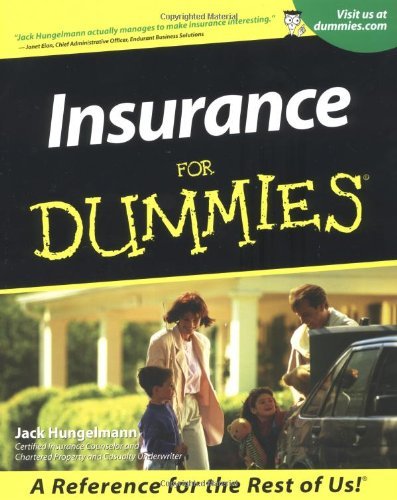
Insurance for Dummies: Hungelmann, Jack
<strong>Manage life, health, and disability risks</strong> ― explore individual and group policies, understand Medicare basics, and evaluate long-term disability and long-term-care insurance ...
Check Price on Amazon- Dwelling (Coverage A) limit and estimator
- Ask which replacement cost calculator the carrier used and whether soft costs (architectural fees, debris removal, permits) are included.
- Extended replacement cost percentage
- 0% (none), 25%, 50%, or guaranteed? In most California markets, 25%–50% ERC is worth strong consideration.
- Personal property coverage type
- Replacement cost versus actual cash value (ACV). ACV subtracts depreciation; replacement cost pays to buy new. Replacement cost is typically the better protection.
- Deductible(s)
- Standard deductible amount and whether there’s a separate wildfire or wind/hail deductible. Confirm how deductibles apply if you have FAIR Plan + DIC.
- Ordinance or law coverage
- Do you have at least 25%–50%? Code upgrades after losses are common in California.
- Loss of use (additional living expense)
- What’s the limit and time cap? Rebuilds can take 12–24 months after major wildfires.
- Key exclusions and sublimits
- Look for sublimits on jewelry, watches, firearms, and business property. Add endorsements where needed.
- Claims handling and support
- 24/7 claims intake? Local adjusters? Catastrophe response playbook? Ask the average claim cycle time for total loss fire claims.
Pro move: Keep a copy of your current declarations page and line up each coverage item side by side so you’re not tricked by a low price with thin coverage.
Ways to lower your California home insurance premium
You can’t change your ZIP code, but you can meaningfully impact price and eligibility:

Construction Metals 14 in. x 6 in. Flange Front Bonderized Vulcan Foundation Soffit Vent - Amazon.com
View on Amazon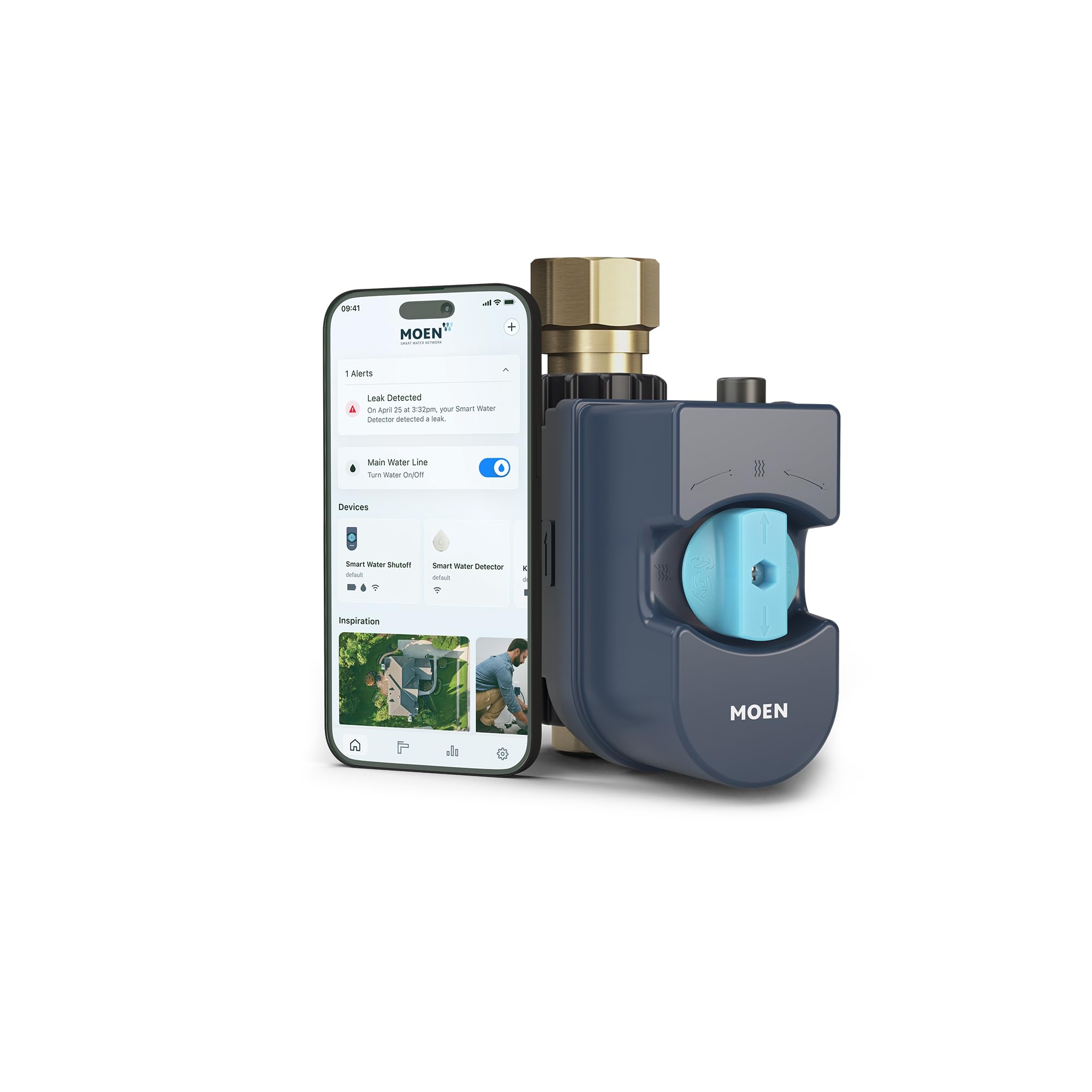
Moen Flo Smart Water Monitor and Automatic Shutoff Sensor, Wi-Fi Water Leak Detector for 3/4-Inch Diameter Pipe, 900-001 - Tub And Shower Faucets - Amazon.com
Moen Flo Smart Water Monitor and Automatic Shutoff Sensor, <strong>Wi-Fi Water Leak Detector for 3/4-Inch Diameter Pipe</strong>, 900-001 - Tub And Shower Faucets - Amazon.com
Check Price on AmazonHarden your home against wildfire (“Safer from Wildfires” credit)
- California has a statewide framework that encourages insurer discounts for steps like:
- Class A fire-rated roof
- 1/8-inch ember-resistant attic/soffit vents
- 0–5 ft. ember-resistant zone (no mulch or vegetation against the home)
- 5–30 ft. and 30–100 ft. defensible space cleared
- Enclosed eaves and fire-resistant fencing/gates attached to the home
- Ask each carrier which mitigation discounts they offer and what documentation is required (photos, receipts).
- California has a statewide framework that encourages insurer discounts for steps like:
Bundle policies
- Packaging home and auto can lower both premiums with many carriers. If you drive in the state, compare with your auto coverage: Auto Insurance in California: Rates, Requirements & How to Save (/auto-insurance/auto-insurance-in-california-rates-requirements-save)
Raise your deductible thoughtfully
- Moving from a $1,000 to $2,500 deductible can reduce premiums, but keep an emergency fund to cover out-of-pocket costs.
Update key systems
- Newer roof, electrical, plumbing, and HVAC typically reduce risk. Share permits and completion dates with your agent.
Security and loss prevention
- Monitored alarms, water leak sensors, and automatic shutoff valves can unlock discounts.
Earthquake retrofits
- Bolting and bracing a pre-1980s home can reduce earthquake premiums and sometimes open better options. Check if you qualify for grants like Earthquake Brace + Bolt (program funding and eligibility vary by year and location).
Shop annually or at renewal
- In California’s shifting market, re-checking 3–5 quotes at renewal is often worthwhile.
FAIR Plan as a bridge
- If you can’t find a standard policy due to wildfire risk, the FAIR Plan + DIC combo can restore full protection while you continue to watch for standard market openings.
Step-by-step: Get personalized quotes and what to have ready
The fastest way to see what you would actually pay is to compare quotes from 3–5 carriers. Here’s how to do it efficiently:
- Gather your details
- Current policy declarations page (if you have one)
- Year built, square footage, roof age/material
- Updates to roof, electrical, plumbing, HVAC (dates and permits)
- Distance to fire hydrant and station (your agent can help estimate)
- Photos of mitigation steps (Class A roof, enclosed eaves, cleared defensible space)
- Any prior claims in the last 3–5 years
- Decide on coverage targets before you shop
- Dwelling limit based on a replacement cost estimator
- Extended replacement cost target (25% or 50%)
- Personal property coverage type (replacement cost preferred by most homeowners)
- Ordinance or law coverage target (25%–50%)
- Deductible you can afford
- Ask each agent or carrier these questions
- Are you actively writing in my ZIP code today?
- Do you offer “Safer from Wildfires” or similar mitigation discounts? What proof is needed?
- Is there a separate wildfire deductible? How does it apply?
- What’s my additional living expense limit and time cap?
- Do you offer guaranteed or extended replacement cost? At what percentage?
- How do you handle claims during a catastrophe surge? Average time to first payment?
- If I need FAIR Plan + DIC, will you coordinate both policies and align limits?
- Compare quotes apples-to-apples
- Use the 8-point checklist above to avoid underinsuring to chase a low premium.
- Lock it in—and calendar a 9–12 month check
- Reassess after major home updates or mitigation work that could improve pricing.
Need help translating quotes? A licensed agent can walk you through the tradeoffs and make sure your coverage matches California realities. If you’d like, we can connect you with vetted agents who work these markets daily.
Smart next step
- Get personalized quotes: Compare 3–5 carriers today to see live availability and your real price. Start with one or two from our top-picks list (e.g., Mercury, a high-value specialist like Chubb if applicable), and add a FAIR Plan + DIC path if you’re in a high wildfire zone.
- Prefer a broader California overview first? Visit Home Insurance in California: Coverage, Costs & Best Companies (/home-insurance/home-insurance-in-california-coverage-costs-best-companies)
Ready to check rates? Spend 10 minutes gathering your details and request quotes—your coverage and price in California depend on it.
Disclaimers: This guide is for educational purposes and is not legal or insurance advice. Coverage, availability, and discounts depend on your carrier and location. Always read your policy and consult a licensed agent for personalized guidance.
Recommended Resources
Insurance for Dummies: Hungelmann, Jack
<strong>Manage life, health, and disability risks</strong> ― explore individual and group policies, understand Medicare basics, and evaluate long-term disability and long-term-care insurance ...
Moen Flo Smart Water Monitor and Automatic Shutoff Sensor, Wi-Fi Water Leak Detector for 3/4-Inch Diameter Pipe, 900-001 - Tub And Shower Faucets - Amazon.com
Moen Flo Smart Water Monitor and Automatic Shutoff Sensor, <strong>Wi-Fi Water Leak Detector for 3/4-Inch Diameter Pipe</strong>, 900-001 - Tub And Shower Faucets - Amazon.com
Construction Metals 14 in. x 6 in. Flange Front Bonderized Vulcan Foundation Soffit Vent - Amazon.com
Construction Metals 14 in. x 6 in. Flange Front Bonderized Vulcan Foundation Soffit Vent - Amazon.com
Related Articles
- Home Insurance in California: Coverage, Costs & Best Companies
- California Home Insurance: Compare Quotes, Costs & Coverage
- Best Home Insurance 2026: Top Picks, How to Choose & Get Quotes
- Best Insurance Companies 2026 — Top Picks & How to Choose
- Cheapest Car Insurance in California: How to Find the Lowest Rates
- Best Home Insurance in Florida: Top Companies & How to Save
- Auto Insurance in California: Rates, Requirements & How to Save
- Best Home Insurance for New Homeowners: Top Picks, Costs, and What to Look For