
Home Insurance in Arizona: Coverage, Costs & Best Companies
You just got a homeowners quote and the number made your eyebrows go up. Is that normal for Arizona? Here’s what actually matters when choosing home insurance in Arizona—what’s covered, what it typically costs by city and home value, which risks insurers focus on (hello, monsoons and wildfire), and how to compare quotes without getting tripped up by fine print.
This guide uses plain English and real examples. Because the fastest way to see what you would actually pay is to compare quotes from 3–5 carriers, we’ll also show you how to do that the smart way.
Home insurance in Arizona: requirements and typical coverage
First, the baseline: home insurance isn’t required by Arizona law. But if you have a mortgage, your lender will require it to protect their interest in the home. Even if you own your home outright, a solid policy protects your finances from big out-of-pocket losses.
Insurance for Dummies: Hungelmann, Jack
<strong>Manage life, health, and disability risks</strong> ― explore individual and group policies, understand Medicare basics, and evaluate long-term disability and long-term-care insurance ...
Check Price on AmazonMost Arizona homeowners carry an HO-3 policy (the standard homeowners policy for most single-family homes). Here’s what a typical policy includes, in plain terms:
- Dwelling (Coverage A): Rebuilds your home if it’s damaged by a covered peril (like fire, wind, or hail). The limit should reflect the home’s replacement cost (what it would cost to rebuild with today’s materials and labor), not your market price. That number is often higher than you think.
- Other Structures (Coverage B): Sheds, fences, detached garages—usually 10% of Coverage A by default.
- Personal Property (Coverage C): Your stuff—furniture, clothes, electronics. You can choose replacement cost coverage (pays to buy new) or actual cash value (ACV), which subtracts for depreciation. Replacement cost is typically worth the small added premium.
- Loss of Use (Coverage D): Pays for hotel, short-term rent, food, and extra living costs if a covered claim forces you out during repairs.
- Liability (Coverage E): Covers injuries to others or property damage you’re legally responsible for—say a guest trips by your pool—or if your dog bites. Many Arizona homeowners choose $300,000–$500,000 here; higher limits are usually inexpensive.
- Medical Payments to Others (Coverage F): Small medical bills for guests hurt at your home, regardless of fault.
- Deductible: The amount you pay out of pocket before insurance kicks in. In Arizona, a $1,000–$2,500 all-perils deductible is common; higher deductibles typically lower your premium.
What’s covered in most cases: fire, smoke, wind, hail, lightning, theft, vandalism, sudden water damage from burst pipes, and more. What’s not covered without add-ons: flood from outside water, earthquake, wear and tear, termite damage, and sewer backup unless you add the endorsement.
- Sewer/Drain Backup Endorsement: Adds coverage if a backed-up line damages floors or walls. Very worth considering in Arizona’s older neighborhoods.
- Service Line Coverage: Pays to repair buried water/sewer lines between your house and the street.
- Extended/Guaranteed Replacement Cost: Boosts your rebuild limit 10%–50%+ if construction prices spike after a big event. Helpful during busy monsoon seasons when labor and materials jump.
If you want a crisp refresher on the basics, this explainer is handy: What Does Home Insurance Cover?
How much is home insurance in Arizona?
Rates vary by city, wildfire and monsoon exposure, roof type, and the age and size of your home. Arizona has historically sat near or below the national average, but recent storms and construction inflation have pushed premiums up across many ZIP codes.
Typical annual premium ranges (illustrative only; your rate will differ):
- Newer, modest home ($250,000 rebuild cost) in metro Phoenix or Tucson: often around the mid–$1,000s to low–$2,000s, depending on roof age, deductible, and discounts.
- Mid-range home ($400,000 rebuild cost) in Scottsdale, Gilbert, or Chandler: low– to mid–$2,000s in many cases, higher if you have a pool, a lower deductible, or multiple prior claims.
- Higher-risk wildfire interface (parts of Prescott, Payson, Flagstaff area): premiums can be higher, sometimes extending beyond those ranges due to brush exposure, distance to fire hydrants, and slope.
By location, you’ll typically see:
- Phoenix metro (Maricopa County): Competitive due to newer construction and stucco/tile roofs, but hail, wind, and water claims during monsoon season do affect pricing.
- Tucson (Pima County): Similar to Phoenix with pockets of higher rates in older housing stock.
- Flagstaff, Prescott, Payson, Sedona: Higher wildfire and wind exposure; insurers may require defensible space and may limit coverage types on older or wood-shake roofs.
- Yuma and the desert southwest: Wind/dust exposure and roof age drive rates; overall still often moderate.
Three quick examples to make this real (not quotes, just typical patterns we see):
- Say you’re a 35-year-old homeowner in Gilbert with a 2018 tile roof, $350,000 rebuild cost, $1,500 deductible, no prior claims, and a monitored alarm. It’s common to see offers that differ by several hundred dollars a year between top carriers—even with the same coverage limits.
- A 1980s home in Tucson with an older shingle roof and two claims in five years might see quotes in the higher end of the city’s range, with some carriers declining until the roof is replaced.
- A Prescott home near dense brush with limited hydrant access will often cost more, and some carriers may require a higher deductible or wildfire mitigation steps before binding.
What drives your Arizona rate most:
- Roof age and type: Newer roofs and tile roofs tend to help; aged asphalt shingles often raise premiums.
- Rebuild cost: Larger square footage, custom finishes, and masonry or stone increase replacement cost.
- Distance to fire services and hydrants: Crucial in wildfire-prone or rural areas.
- Claims history (yours and the property’s): Prior water or hail claims matter, even from a previous owner.
- Credit-based insurance score: Allowed in Arizona and can influence pricing. Good payment history typically helps.
- Pools and trampolines: These raise liability risk; carriers may require safety features like fences and self-latching gates.
- Solar panels: Usually covered as part of the dwelling; your insurer may ask for installation documentation.
Arizona-specific risks: natural disasters, weather, and regional factors
Arizona doesn’t face hurricanes, and earthquakes are a low concern statewide. But several perils shape how insurers underwrite here:
- Monsoon storms (roughly June–September): Wind, hail, microbursts, and wind-driven rain cause roof, window, and interior water damage. Wind and hail are typically covered; flood from rising water outside is not.
- Flash flooding: Dry washes can become torrents fast. Flood coverage is excluded from standard home policies—consider a separate flood policy if you’re near a wash or low-lying area.
- Wildfire: From the Mogollon Rim to parts of Yavapai and Coconino counties, wildfire and ember exposure are real. Insurers may ask for defensible space (clearing brush 30–100 feet from the home), ember-resistant vents, and non-combustible landscaping near structures.
- Dust storms (haboobs): Wind-driven dust can damage exterior elements and air systems; wind is generally covered, while maintenance/cleaning is not.
- Extreme heat: Not a covered peril by itself, but prolonged heat can stress roofs and HVAC systems, leading to claims after storms. Preventive maintenance helps and may avoid claim disputes.
- Snow and freeze (northern AZ): Flagstaff and high country areas do see snow loads and occasional freeze-related pipe breaks—those can be covered when sudden and accidental.
Flood insurance in Arizona—how it works:
- Standard homeowners insurance does not cover flood from outside water. For that, consider the National Flood Insurance Program (NFIP) or private flood policies. Premiums vary widely by elevation, distance to water, and foundation type.
- Even outside high-risk zones, monsoon flooding can happen. If a nearby wash overflows and water enters your home at ground level, that’s a flood claim—without flood insurance, you’re likely paying out of pocket.
Other smart add-ons for Arizona:
- Water leak detection device credit: Some carriers discount for automatic shutoff systems—worth asking about if you’ve had prior water claims.
- Screened enclosures and patios: Covered differently by carriers; clarify how yours is insured and at what limit.
How to compare home insurance quotes in Arizona
Shopping in Arizona is about more than price. Side-by-side quotes can look similar but hide big differences in what you’d actually receive after a claim. Here’s how to make a fair, apples-to-apples comparison:
- Match your rebuild estimate (Coverage A)
- Ask each carrier how they calculated your replacement cost. Provide accurate square footage, roof type, exterior (stucco, brick), number of bathrooms, and custom features.
- Consider extended replacement cost (adds 10%–50%+ buffer) in case materials and labor spike after a major monsoon event.
- Standardize key settings
- Deductible: Compare the same all-perils deductible (e.g., $1,500 or $2,500). If a carrier shows a separate wind/hail deductible, note the amount and percentage.
- Roof coverage: Prefer replacement cost coverage over actual cash value (ACV) for roofs when available. With ACV, depreciation gets subtracted, which can be thousands out of pocket on older roofs.
- Personal property: Choose replacement cost for your belongings if you can—it’s a common upgrade that pays off after a loss.
- Add or confirm important endorsements
- Water/sewer backup: A common Arizona claim that needs an endorsement. Select the same limit (e.g., $10,000) across quotes.
- Service line: Useful for older neighborhoods.
- Ordinance or law: Covers the cost to bring older parts of your home up to current code after a covered loss. 25% is typical; consider 50% for older homes.
- Check sublimits and special property
- Jewelry, watches, collectibles, and firearms often have low built-in limits. Schedule items (list them with values) if needed.
- Solar arrays and EV chargers: Confirm they’re covered under dwelling with adequate limits.
- Examine liability and medical payments
- Many Arizona homeowners choose $500,000 liability. If you have a pool or frequently host, consider an umbrella policy for an extra $1–2 million in liability protection.
- Compare claim experience and financial strength
- Look for strong financial ratings (e.g., A- or better from AM Best) and local claim support. Read recent Arizona-specific reviews about roof and water claims.
- Get 3–5 quotes
- Independent agents can pull multiple carriers at once, and online marketplaces can help you benchmark. The spread between the lowest and highest offer for the same home can easily exceed $500–$1,000 per year.
If you want a broader refresher on coverage choices beyond state-specific factors, our national overview is a helpful companion read: Home Insurance Guide 2026 — Compare Quotes, Coverage & Costs
Call-to-action: The fastest way to see what you would actually pay is to compare quotes from 3–5 carriers. Gather your current policy, roof age, and any updates, then request matched quotes so you can compare like-for-like.
Discounts and bundling opportunities for Arizona homeowners
Discounts vary by insurer, but here’s where Arizona homeowners often save:
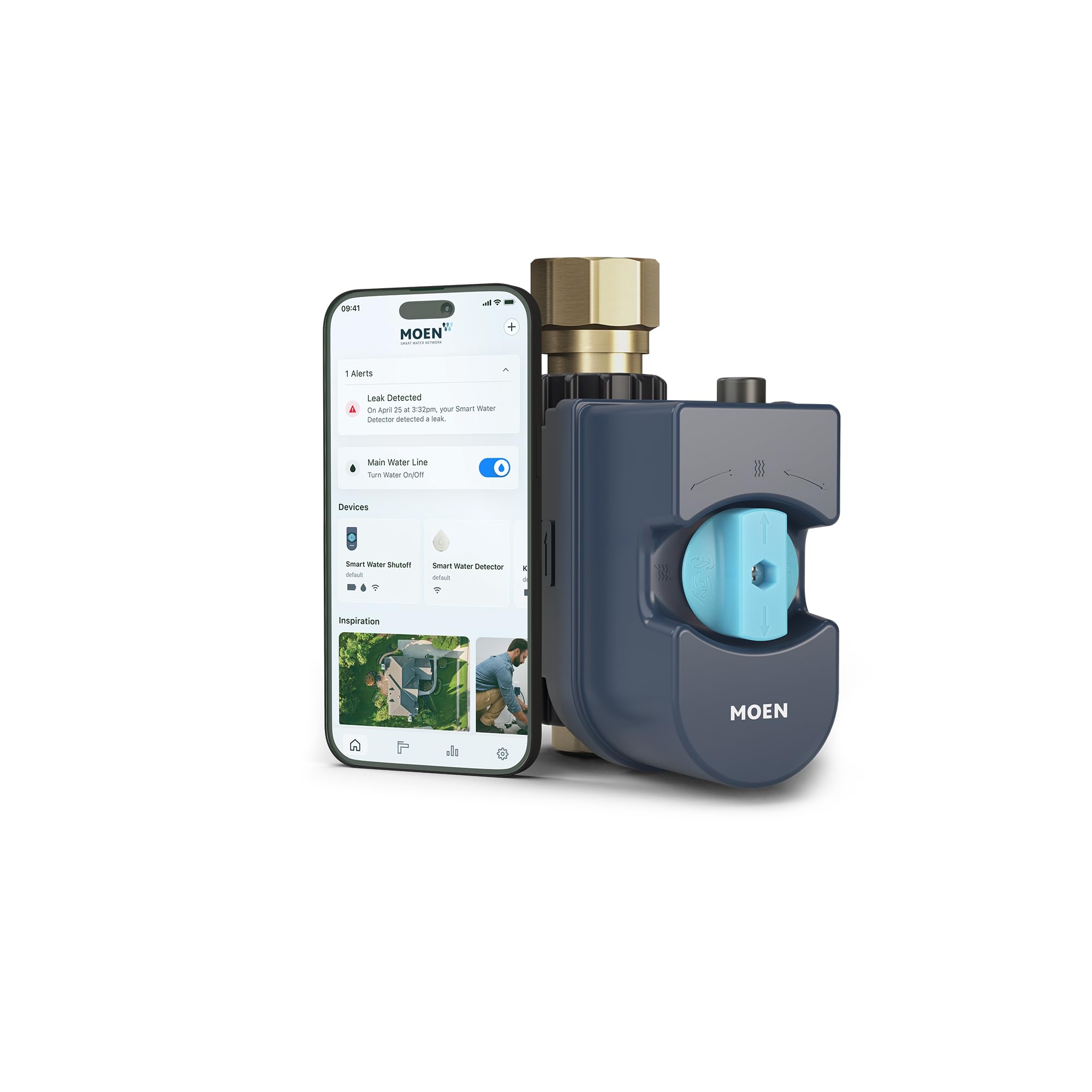
Moen Flo Smart Water Monitor and Automatic Shutoff Sensor, Wi-Fi Water Leak Detector for 3/4-Inch Diameter Pipe, 900-001 - Tub And Shower Faucets - Amazon.com
View on Amazon- Home + Auto bundle: Usually the biggest discount. Many carriers shave 10%–25% when you bundle. If you’re reviewing auto coverage too, see our guide to local requirements and savings opportunities: Auto Insurance in Arizona: Rates, Requirements & How to Save
- New roof or roof certification: A recent roof, especially impact-resistant shingles, can meaningfully reduce your premium in hail-prone ZIPs.
- Protective devices: Monitored smoke alarms, security systems, and water shutoff devices.
- Firewise/mitigation: Defensible space, non-combustible roofing, ember-resistant vents—ask whether your carrier recognizes these steps.
- Gated community/HOA: Sometimes earns a small discount.
- Claims-free and loyalty: Clean histories typically save; ask how far back they look (e.g., three vs. five years).
Two tips here:
- Don’t chase a discount that reduces coverage you actually need. Saving $100 by taking ACV on your roof can cost thousands later.
- Re-shop after big life or home updates—new roof, solar, pool fence upgrade, or adding a monitored alarm can change your pricing picture.
Filing a home insurance claim in Arizona
When something happens, a calm, documented approach helps you get a fair outcome.
- Protect people and prevent further damage
- Shut off water, board up broken windows, tarp the roof—whatever is reasonable and safe. Keep receipts; these mitigation costs are typically covered.
- Document everything
- Take clear photos and short videos. List damaged items with approximate values. Note the date, time, and cause (e.g., wind-driven rain during monsoon).
- Notify your insurer or agent promptly
- Most policies require prompt notice. Your carrier will assign an adjuster and explain next steps. Ask about any separate deductibles (wind/hail) that may apply.
- Get reputable estimates
- For larger losses, getting your own contractor estimate helps you understand scope and materials. Avoid signing an “assignment of benefits” unless you’re comfortable giving a contractor direct control over your claim payments.
- Understand how you’ll be paid
- Actual Cash Value (ACV) is often paid first on personal property and sometimes on roofs if you don’t have replacement cost; you receive the difference (called recoverable depreciation) after you complete repairs and submit invoices.
- Keep communication in writing when possible
- Email summaries of phone calls. If a dispute arises, you’ll have a clean record.
- Ask for help if needed
- If you hit a wall, you can contact the Arizona Department of Insurance and Financial Institutions for guidance. A licensed public adjuster can also represent you for a fee on complex claims.
Best home insurance companies in Arizona: what to look for
“Best” isn’t one-size-fits-all—it’s the company that prices your specific home fairly and stands up well at claim time. Here’s how to spot that:
- Financial strength: Aim for A- or better from AM Best.
- Roof coverage form: Replacement cost on roofs when available is often worth it in hail-prone areas.
- Water protection: Solid endorsements for water/sewer backup and mold sublimits that aren’t razor-thin.
- Wildfire approach: Clear mitigation guidance, acceptance of Firewise steps, and available extended replacement cost.
- Claims service in Arizona: Look for carriers with local adjusters or strong regional networks during monsoon surges.
- Real discounts that apply to you: New roof credits, monitored alarms, and meaningful bundle savings.
- Transparency on underwriting guidelines: If you’re near brush or in a rural area, ask about hydrant distance, slope, and vegetation rules up front so you don’t waste time.
If you’re a condo owner (HO-6 policy), verify:
- Your HOA’s master policy type (bare walls vs. all-in) and the deductible. You may need loss assessment coverage to help pay the HOA’s deductible after a covered loss.
If you’re a landlord or running a short-term rental in Phoenix or Scottsdale:
- You’ll likely need a landlord/short-term rental endorsement or a dedicated policy. Standard homeowners policies usually exclude business activity and tenant-caused damage unless you add the correct form.
FAQ: common questions about Arizona homeowners insurance
Is home insurance required in Arizona? No state law requires it, but lenders do. If you have a mortgage, expect a requirement. Even if you don’t, most homeowners carry it to avoid major out-of-pocket losses.
Does home insurance cover monsoon damage? Wind, hail, and wind-driven rain are typically covered. Flooding from outside water entering at ground level is excluded—you’d need separate flood insurance for that.
Do I need flood insurance in Arizona? If you’re in a high-risk flood zone or near a wash, it’s worth a serious look. Even outside mapped zones, monsoon flooding can happen; rates vary by elevation and building details.
Are wildfires covered? Yes, wildfire is typically a covered peril. But availability and price can change based on brush distance, slope, and hydrant access. Mitigation steps can help your eligibility and rate.
Are solar panels covered? Usually yes, as part of the dwelling. Tell your insurer about your system size and installation so your rebuild estimate is accurate and any utility or battery equipment is properly listed.
What about my pool? Pools raise liability risk. Many carriers require safety features (fences, self-latching gates) and may exclude diving boards or slides. Consider at least $500,000 liability and think about an umbrella policy.
Does my credit affect my premium in Arizona? In most cases, yes—Arizona allows credit-based insurance scoring. Good credit history typically lowers your premium, while weaker credit can raise it.
Will my rate go up after a claim? Often, yes—especially for water claims. If damage is small, ask your agent to estimate the premium impact before you file. Never delay reporting a significant loss, though—timely notice is a policy requirement.
How often should I shop my policy? Every 1–2 years or after big changes (new roof, solar, claim, major renovations). Get 3–5 matched quotes to keep carriers honest.
A quick note on personalized advice
Home insurance is state-regulated and highly individualized. A licensed Arizona agent can help you fine-tune rebuild costs, endorsements, and discounts for your specific home and neighborhood.
Your next step
Take 10 minutes to gather: your address, roof age, updates (plumbing/electrical/HVAC), any prior claims, and your desired deductible. Then compare 3–5 matched quotes. It’s the fastest way to see what you’d actually pay for home insurance in Arizona—and which company offers the best blend of coverage and price for your home.

Quick Dam QD610-1 Water Activated Flood Barrier 10 feet, 1-Pack - Quick Dam Expanding Barriers - Amazon.com
View on AmazonRecommended Resources
Insurance for Dummies: Hungelmann, Jack
<strong>Manage life, health, and disability risks</strong> ― explore individual and group policies, understand Medicare basics, and evaluate long-term disability and long-term-care insurance ...
Moen Flo Smart Water Monitor and Automatic Shutoff Sensor, Wi-Fi Water Leak Detector for 3/4-Inch Diameter Pipe, 900-001 - Tub And Shower Faucets - Amazon.com
Moen Flo Smart Water Monitor and Automatic Shutoff Sensor, <strong>Wi-Fi Water Leak Detector for 3/4-Inch Diameter Pipe</strong>, 900-001 - Tub And Shower Faucets - Amazon.com
Quick Dam QD610-1 Water Activated Flood Barrier 10 feet, 1-Pack - Quick Dam Expanding Barriers - Amazon.com
Quick Dam WUB210-2 Water Activated Flood Barrier – 10 ft, 2-Pack, Orange – Indoor Leak Protection, Absorbs 3.1 Gallons Each, Swells to 2.5" High
Related Articles
- Auto Insurance in Arizona: Rates, Requirements & How to Save
- Life Insurance in Arizona: What Residents Should Know Before Buying
- Home Insurance in Wyoming: Coverage, Costs & Best Companies
- Health Insurance in Arizona: Plans, Costs & How to Enroll
- Home Insurance in Florida: Coverage, Costs & Best Companies
- Home Insurance in Colorado: Coverage, Costs & Best Companies
- Home Insurance in California: Coverage, Costs & Best Companies
- Home Insurance in Georgia: Coverage, Costs & Best Companies