
Home Insurance in Illinois: Coverage, Costs & Best Companies
You’re shopping for home insurance in Illinois and the quotes feel all over the place. Is that normal? What actually matters in your policy if you own a bungalow in Chicago, a ranch in Peoria, or a farmhouse in southern Illinois? Here’s the no-fluff guide to coverage, costs, and how to compare quotes the smart way.
Illinois homeowners insurance requirements and typical coverage
First, the basics. Illinois does not require homeowners insurance by law. But if you have a mortgage, your lender will almost always require it. Even if you own your home free and clear, a policy is still the best way to protect your biggest asset.
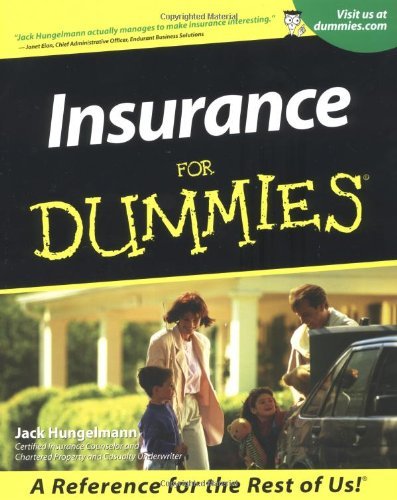
Insurance for Dummies: Hungelmann, Jack
<strong>Manage life, health, and disability risks</strong> ― explore individual and group policies, understand Medicare basics, and evaluate long-term disability and long-term-care insurance ...
Check Price on AmazonA standard HO-3 homeowners policy typically includes:
- Dwelling coverage (Coverage A): Pays to rebuild or repair your home after a covered loss. Insure for the home’s reconstruction cost, not its market price.
- Other structures (Coverage B): Sheds, fences, detached garages—usually 10% of dwelling coverage.
- Personal property (Coverage C): Your stuff—furniture, clothes, electronics. You can choose replacement cost (what it costs to buy new) or actual cash value (depreciated value). Replacement cost is the upgrade most people want.
- Loss of use (Coverage D): Pays for temporary living costs if a covered loss makes your home uninhabitable (hotel, short-term rental, meals).
- Personal liability (Coverage E): Covers you if you’re legally responsible for injuries or property damage to others (think dog bite or a guest’s fall). Many Illinois homeowners choose $300,000 to $500,000; higher is often affordable.
- Medical payments to others (Coverage F): Small medical bills for guests hurt on your property, regardless of fault—typically $1,000–$5,000.
Want a deeper dive into what each part covers? See our explainer: What Does Home Insurance Cover?
Optional add‑ons that matter in Illinois
Illinois has some unique risks. These endorsements (add‑ons) can be difference-makers:

The Basement Watchdog Emergency Battery Backup Sump Pump - Up to 2,000 GPH - 24/7 Monitoring Controller (BWE) - Sump Pump Battery Backup - Amazon.com
View on Amazon- Water backup and sump overflow: Covers damage if your sump pump (common around Chicagoland basements) overflows or a drain backs up. Standard policies exclude this. Limits typically range $5,000–$25,000; pick a limit that actually matches your basement finish.
- Service line coverage: Pays to repair underground utility lines (water, sewer, power) from the street to your home. Older neighborhoods see good value here.
- Ordinance or law: Covers extra costs to bring an older home up to current building codes after a loss. Chicago and older suburbs should consider 10%–25% of dwelling coverage.
- Equipment breakdown: Covers your home’s major systems from sudden mechanical breakdown (HVAC, appliances). It’s not a warranty, but it can fill gaps.
- Matching siding/roof endorsement: Helps replace undamaged siding or shingles so repairs match after a partial loss—important after hail.
- Identity theft/fraud expense: Helps with costs to restore your identity after fraud.
- Scheduled valuables: Higher limits for jewelry, watches, art, or collectibles.
- Flood insurance: Standard home insurance doesn’t cover flood (rising water from outside). Consider a separate flood policy (through the NFIP or private carriers) if you’re near rivers (Mississippi, Illinois, Fox, Des Plaines) or in an urban flood zone.
- Earthquake: Southern Illinois sits near the Wabash Valley and New Madrid seismic zones. Earthquake is an optional endorsement or separate policy.
- Mine subsidence (Illinois-specific): In certain counties with historical underground coal mining, mine subsidence coverage may be automatically included unless you reject it. If you’re in one of these counties, ask your agent about limits and pricing.
Average home insurance costs in Illinois by home value and location
Let’s talk price. Rates vary by your home’s rebuild cost, roof type/age, claims history, credit-based insurance score (which most Illinois insurers consider), and—big factor here—your location’s wind/hail and water loss history. So take these ranges as directional, not guarantees.
Typical annual premium ranges we see in Illinois for a well-maintained home with a $1,000 wind/hail deductible:
$200,000 rebuild cost
- Chicago neighborhoods: $1,000–$1,800
- Chicago suburbs (Naperville, Schaumburg, Orland Park): $900–$1,700
- Central IL (Peoria, Bloomington, Springfield): $850–$1,600
- Northern IL (Rockford, McHenry, Fox Valley): $950–$1,750
- Southern IL (Carbondale, Metro East): $900–$1,700
$350,000 rebuild cost
- Chicago neighborhoods: $1,400–$2,400
- Suburbs: $1,200–$2,200
- Central IL: $1,100–$2,000
- Northern IL: $1,200–$2,100
- Southern IL: $1,150–$2,050
$500,000 rebuild cost
- Chicago neighborhoods: $1,900–$3,200+
- Suburbs: $1,600–$3,000
- Central/Northern IL: $1,400–$2,600
- Southern IL: $1,350–$2,500
What drives you toward the high or low end? Roof age and material (newer or impact-resistant roofs often get better rates), prior water backup claims, proximity to water, fire protection class (distance to hydrant/station), and whether you carry higher deductibles.
Illinois rate examples (hypothetical)
- Chicago bungalow, 1929 construction, $350,000 rebuild, new 30‑yr architectural roof, finished basement with sump pump, water backup $15,000, liability $500,000. Typical quotes: $1,500–$2,200/year depending on carrier and credit tier.
- Peoria ranch, 1995 construction, $250,000 rebuild, one prior wind claim 4 years ago, standard deductibles. Typical quotes: $1,000–$1,600/year.
Actual costs vary by your individual profile and the carrier’s rating factors. The fastest way to see your number is to compare personalized quotes from 3–5 insurers.
Illinois-specific risks: natural disasters, weather, and regional factors
Illinois weather keeps insurers on their toes. Here’s why your quote looks the way it does:
- Severe thunderstorms, hail, and tornadoes: Illinois consistently ranks high for severe convective storms. Hail and wind are among the top claim drivers statewide.
- Derecho and microbursts: Wide swaths of wind damage from rare but intense events (you’ve probably seen the aftermath in suburban tree loss and roof claims).
- Urban and river flooding: Drainage capacity can be overwhelmed during heavy rain. The Chicago area’s combined sewer system makes sewer backup a recurring risk. River flooding affects communities along the Mississippi, Illinois, and Des Plaines.
- Winter storms and ice dams: Snow and freeze/thaw cycles lead to ice dams—water pushes under shingles into attics and walls. Insurers look closely at attic ventilation and roof age in snowy zones.
- Earthquake (south/southeast IL): Lower probability but non-zero risk from the New Madrid and Wabash Valley seismic zones. Not covered unless you add it.
- Mine subsidence (specific counties): Ground movement from historic underground mining can crack foundations—covered only if you carry the endorsement in eligible areas.
Because these risks vary by neighborhood, two similar homes 10 miles apart can have very different prices.
How to compare home insurance quotes in Illinois
Here’s what actually matters when choosing between quotes. Put these on one sheet so you’re comparing apples to apples.
- Dwelling limit = rebuild cost, not market value: Ask for a replacement cost estimate that reflects local labor and materials. Older Chicago and North Shore homes with custom masonry often need higher limits than their market comps.
- Replacement cost vs. actual cash value: For both your dwelling and your personal property. Replacement cost for personal property is a small premium increase that saves headaches after a claim.
- Roof coverage terms: Some carriers apply a roof surface schedule or actual cash value for older roofs—especially for hail. If you can, prioritize full replacement cost on roofs or price the trade-off.
- Deductibles: Look for a separate wind/hail deductible in your quotes. Many Illinois policies use a flat $1,000–$2,500 deductible, but a percentage wind/hail deductible (1% of Coverage A) may appear in high‑hail zones. Make sure you’re comfortable with that out-of-pocket number.
- Water backup limit: If you have a basement (finished or with valuable mechanicals), pick a realistic limit. $5,000 goes quickly with flooring, drywall, and furnace cleanup.
- Ordinance or law: Especially for older homes or those in municipalities with strict code updates (Chicago, Oak Park, Evanston). 10%–25% is common; more for historical features.
- Service line coverage: Older neighborhoods benefit; newer subdivisions may still find it useful.
- Liability: $500,000 liability is often just a few dollars more than $300,000. If you have a trampoline, pool, or dog, review exclusions and consider an umbrella policy.
- Exclusions and special limits: Jewelry, firearms, collectibles, bikes, and business property have sublimits. Schedule items you couldn’t easily replace.
- Claims reputation and local presence: Midwest storm responses vary. Look for carriers with strong claim service and catastrophe experience in Illinois.
Pro tip: Pull your current declarations page and match each line item to new quotes. If one quote is much cheaper, it often traded down on roof coverage, water backup limits, or deductibles.
If you want a broader primer before you dive into state specifics, our Home Insurance Guide 2026 — Compare Quotes, Coverage & Costs walks through the fundamentals.
Call-to-action: Ready to see your real price? The fastest way to know what you’d actually pay for home insurance in Illinois is to compare quotes from 3–5 carriers. A licensed agent can help you line up equal coverage terms so the cheapest option is also the right one.
Discounts and bundling opportunities for Illinois homeowners
There’s no reason to overpay. These savings are commonly available in Illinois:
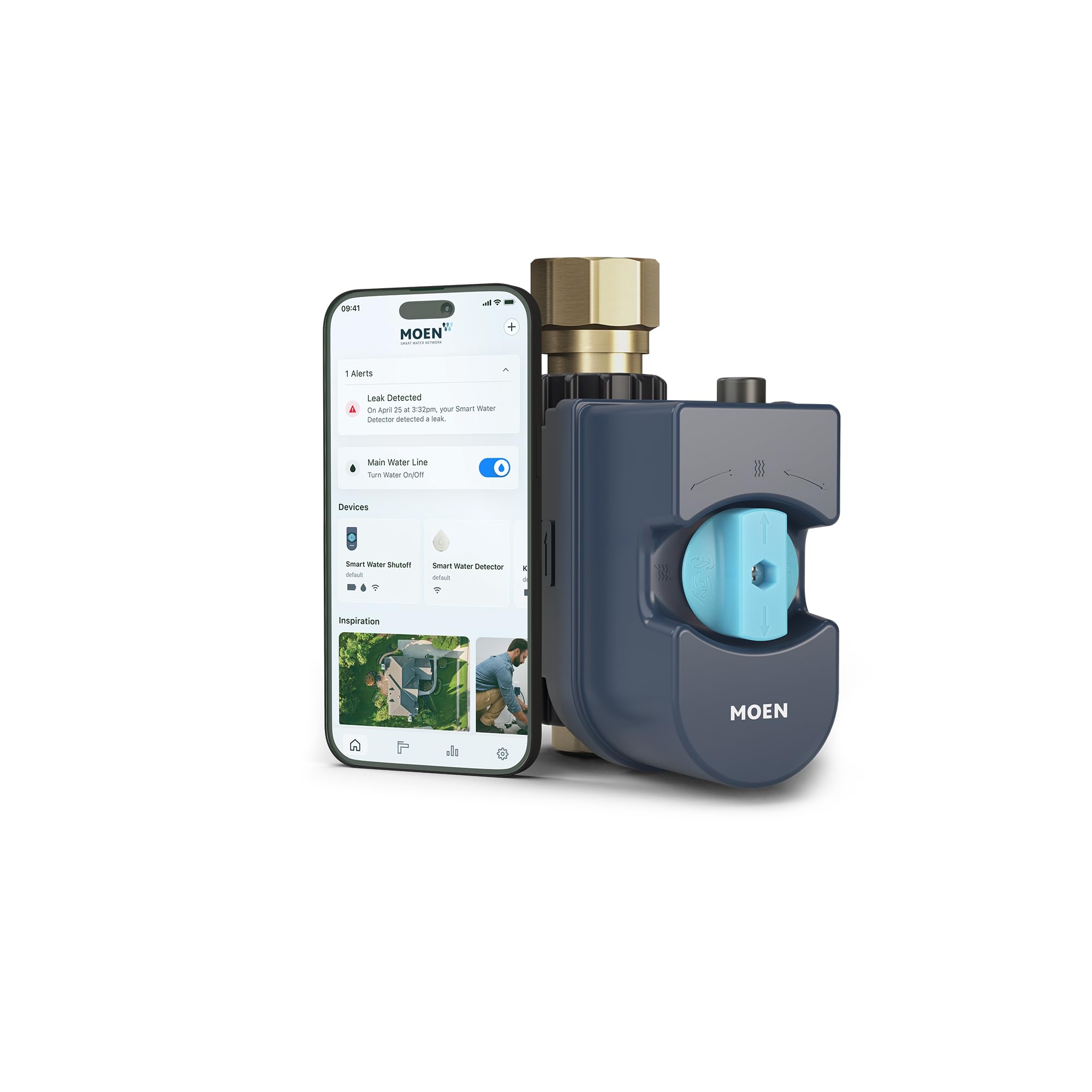
Moen Flo Smart Water Monitor and Automatic Shutoff Sensor, Wi-Fi Water Leak Detector for 3/4-Inch Diameter Pipe, 900-001 - Tub And Shower Faucets - Amazon.com
Moen Flo Smart Water Monitor and Automatic Shutoff Sensor, <strong>Wi-Fi Water Leak Detector for 3/4-Inch Diameter Pipe</strong>, 900-001 - Tub And Shower Faucets - Amazon.com
Check Price on Amazon- Bundle home and auto: The biggest discount for many families. If you’re pricing bundles, it can help to review auto at the same time. If you need a refresher on state auto rules and savings, see our state guide: Auto Insurance in Illinois: Rates, Requirements & How to Save
- New or newer roof: Carriers often give better rates for roofs under 10–15 years, or for Class 3/4 impact‑resistant shingles.
- Protective devices: Central fire/burglar alarms, monitored water leak sensors, automatic water shut‑off valves.
- Claims‑free: A clean recent history usually lowers your rate; small claims can cost more in surcharges than they pay out.
- Higher deductible: Moving from $1,000 to $2,500 can trim premiums—often 8%–15%—but only if you have the savings to cover it.
- Loyal customer or advance purchase: Quoting 7–10 days before your effective date sometimes helps.
- Renovation credits: Updated plumbing, electrical, HVAC can reduce risk. Make sure your agent marks these updates in your application.
Note: Discounts vary by insurer and your profile. Ask your agent to show which discounts are applied and what’s still available.
Filing a home insurance claim in Illinois
When something goes wrong, speed and documentation help your claim go smoothly.
Safety first, then prevent further damage: Shut off water, board windows, tarp the roof. Keep receipts—your policy typically reimburses reasonable emergency repairs.
Document everything: Photos, videos, and an inventory of damaged items (with approximate purchase dates and prices if you have them). If water is involved, document moisture readings or contractor findings.
Notify your insurer or agent: Many policies require prompt notice. Ask about preferred vendors vs. your own contractor—you usually can choose.
Meet the adjuster: Walk them through damage. Share your contractor’s estimate and any code‑upgrade requirements from your city.
Track timelines: In Illinois, insurers are generally required to acknowledge your claim promptly (often within about 15 working days) and make a coverage decision after receiving your signed proof‑of‑loss, typically within 30 days, or explain why more time is needed. Keep notes of dates and conversations.
Review your settlement: Understand how deductibles, depreciation, and recoverable depreciation work. With replacement cost policies, you’ll usually receive an initial actual cash value payment, then recoverable depreciation after repairs are completed and receipts are submitted.
If you hit a snag, you can contact the Illinois Department of Insurance for help with complaints or questions. Consider speaking with a licensed public adjuster (verify licensure) for complex or large claims.
What to look for in the best home insurance companies in Illinois
“Best” depends on your home and risk. Here’s how to judge carriers for Illinois specifically:
- Strong storm response: Look for carriers with a solid track record paying wind/hail claims and managing contractor networks after big events.
- Favorable roof terms: Replacement cost on roofs (vs. actual cash value or schedules), or at least clear age thresholds before depreciation applies.
- Robust water backup options: Ability to set higher limits ($10,000–$25,000+) if you have a finished basement.
- Flexible endorsements: Service line, ordinance or law, matching siding/roof, equipment breakdown, and mine subsidence (if eligible in your county).
- Transparent underwriting: Willing to review your updates (roof, plumbing, electrical) and reward them with pricing.
- Claims satisfaction: Solid reviews and clear communication around timelines and supplements.
Ask agents to show at least one national carrier and one regional/mutual carrier. Regional mutuals can be competitive in the Midwest for homes with good maintenance and updates, while national carriers may offer broader digital tools and larger catastrophe resources.
FAQ: common questions about Illinois homeowners insurance
Is homeowners insurance required in Illinois?
- Not by state law. But lenders generally require it, and it’s financially risky to go without coverage.
Does home insurance cover basement flooding in Chicago?
- Not if it’s groundwater or street water entering your home—that’s flood and requires a separate flood policy. However, water backup and sump overflow endorsements can cover damage from a failed sump pump or backed‑up drain/ sewer. They’re different coverages; many Chicago‑area homeowners carry both.
What deductible should I choose?
- Many Illinois homeowners pick $1,000–$2,500. A higher deductible can lower premiums, but make sure you can comfortably pay that amount after a loss. Watch for separate wind/hail deductibles.
Are certain dog breeds, trampolines, or pools excluded?
- Some insurers restrict liability for specific breeds or require safety measures for pools and trampolines (fencing, nets). Disclose these upfront so you know what’s covered.
How much liability coverage do I need?
- $300,000–$500,000 is common. If you have higher assets or risks (pool, rental unit), consider an umbrella policy for $1M+ in extra liability.
Do Illinois insurers use credit?
- In most cases, yes—many use a credit‑based insurance score as one rating factor. Keeping credit healthy can improve your rate over time.
I own a condo in Chicago. Do I need different coverage?
- Yes. Condo insurance (HO‑6) covers your unit’s interior, improvements, personal property, loss of use, and liability. Review your building’s master policy to close gaps (e.g., betterments, water damage, loss assessment).
I rent out a home in Springfield. Is homeowners insurance okay?
- No. You’ll want a landlord or dwelling policy (often called DP‑3 for broad coverage) designed for tenant‑occupied properties.
My county lists mine subsidence—what should I do?
- Ask your agent to confirm if coverage is automatically included or needs to be added, and what limits are available. It’s inexpensive relative to the risk in affected counties.
A note on personalized advice
Every home is different—construction, updates, nearby water, and your coverage preferences. A licensed Illinois agent can help match coverage to your home and budget, and explain how different deductibles and endorsements affect your price.
Call-to-action: Take 10 minutes to compare quotes from 3–5 carriers. Matching coverage line‑by‑line is the smartest way to find the best value for home insurance in Illinois without sacrificing protection.
Recommended Resources
Insurance for Dummies: Hungelmann, Jack
<strong>Manage life, health, and disability risks</strong> ― explore individual and group policies, understand Medicare basics, and evaluate long-term disability and long-term-care insurance ...
Moen Flo Smart Water Monitor and Automatic Shutoff Sensor, Wi-Fi Water Leak Detector for 3/4-Inch Diameter Pipe, 900-001 - Tub And Shower Faucets - Amazon.com
Moen Flo Smart Water Monitor and Automatic Shutoff Sensor, <strong>Wi-Fi Water Leak Detector for 3/4-Inch Diameter Pipe</strong>, 900-001 - Tub And Shower Faucets - Amazon.com
The Basement Watchdog Emergency Battery Backup Sump Pump - Up to 2,000 GPH - 24/7 Monitoring Controller (BWE) - Sump Pump Battery Backup - Amazon.com
PumpSpy Dual Pump Install Kit - ... Dual Pump System To 1-1/2" Line · <strong>The Basement Watchdog Combo Preassembled Primary & Battery Backup Sump Pump System w/Monitoring Controller (CITE-
Related Articles
- Car Insurance in Illinois: Rates, Requirements & Best Quotes
- Home Insurance in Indiana: Coverage, Costs & Best Companies
- Auto Insurance in Illinois: Rates, Requirements & How to Save
- Life Insurance in Illinois: What Residents Need to Know
- Home Insurance in Nebraska: Coverage, Costs & Best Companies
- Home Insurance in Idaho: Coverage, Costs & Best Companies
- Home Insurance in Minnesota: Coverage, Costs & Best Companies
- Home Insurance in Ohio: Coverage, Costs & Best Companies