
Home Insurance in Colorado: Coverage, Costs & Best Companies
You’re shopping for home insurance in Colorado and the quotes feel all over the place. Is that normal? Short answer: yes. Home insurance in Colorado has gotten pricier and more nuanced because of hail, wildfire, and rebuilding costs. Here’s how to understand what you’re buying, what it typically costs across the state, and how to compare quotes the smart way.
Note: Insurance pricing and eligibility vary widely by address, home features, and insurer. Examples below are estimates for illustration only.
Colorado homeowners insurance requirements and typical coverage
Let’s clear up the first big question: there’s no state law that forces you to carry homeowners insurance. But if you have a mortgage, your lender will require you to maintain coverage that protects their collateral (your house). Condo owners may also be required by the HOA to carry a unit-owners policy (HO-6) and certain add-ons like loss assessment.
What a standard homeowners policy (often an HO-3) typically includes:
- Dwelling (Coverage A): Rebuilds your home if it’s damaged by a covered peril like fire, wind, or hail. Your limit should reflect the home’s replacement cost (what it would cost to rebuild using today’s materials and labor), not market value.
- Other Structures (Coverage B): Fences, sheds, and detached garages—usually 10% of Coverage A, adjustable if needed.
- Personal Property (Coverage C): Your belongings. Check whether it’s Replacement Cost (pays to replace with new) or Actual Cash Value (ACV, which deducts for wear and tear). Replacement Cost is usually worth it.
- Loss of Use (Coverage D): Pays for temporary living expenses if your home is uninhabitable after a covered loss. In Colorado wildfire and hail seasons, this can be crucial.
- Personal Liability: Covers injuries or property damage you’re legally responsible for (for example, a guest’s injury). Many Coloradans choose $300,000 to $500,000. Consider an umbrella policy for extra protection if you have significant assets.
- Medical Payments to Others: Smaller, no-fault coverage for minor injuries on your property.
Colorado-specific wrinkles you’ll see on quotes:
- Wind/hail deductible: Many carriers apply a separate deductible (the amount you pay out of pocket before insurance kicks in) for wind or hail—often a flat amount (like $1,000) or a percentage of Coverage A (1%–2% or higher). Higher percentages lower your premium but raise your potential out-of-pocket cost.
- Roof coverage type: Some policies reimburse roofs at ACV if damaged by hail; better policies offer Replacement Cost for roofs, sometimes with restrictions by roof age or material. Class 4 impact-resistant shingles can help secure Replacement Cost and discounts with several insurers.
- Extended/guaranteed replacement cost: A built-in cushion (often 25%–50%) above your dwelling limit if rebuilding costs surge after a catastrophe. In a state with volatile construction costs, this is valuable.
- Ordinance or law: Pays extra to rebuild to current building codes after a loss. Older Colorado homes benefit from higher limits (10%–25%+ of Coverage A).
- Wildfire-related underwriting: Insurers may inspect defensible space (cleared vegetation around your home) and building materials. In some foothill and mountain areas, eligibility and pricing hinge on mitigation steps.
Common coverages that are not standard and may need to be added:
- Water backup: Covers damage from backed-up sewers/sumps. Winter freeze and spring melt can stress systems; this add-on is popular in Colorado.
- Service line: Pays to repair buried utility lines on your property.
- Scheduled personal property: Extra coverage for jewelry, bikes, skis, art—often needed due to sublimits.
- Loss assessment (condos/HOAs): Helps if your HOA levies a special assessment after a covered loss.
What’s typically not covered unless you buy separate coverage:
- Flood: Surface water, flash floods, and mudflow are excluded. Consider an NFIP or private flood policy, especially near burn scars, creeks, or on the plains.
- Earth movement: Landslides and rockfall are excluded in most policies; limited endorsements exist but are uncommon.
- Earthquake: Rare in Colorado but not standard; available as an endorsement with some carriers.
Want a deeper dive into standard protections and common gaps? See What Does Home Insurance Cover? (/home-insurance/what-does-home-insurance-cover)
Average home insurance costs in Colorado by home value and location
Colorado premiums are typically higher than the national average due to hail frequency, wildfire exposure, and rebuilding costs. Your address, roof age/material, construction type, fire protection class, proximity to open space/forest, and even claim history can move your rate a lot.
Here are ballpark ranges for illustration—actual quotes can be lower or higher depending on the insurer and underwriting:
- Fort Collins/Loveland suburb, 1,800 sq. ft. 2008-built, $350,000 dwelling, composite roof, wind/hail deductible $2,500: roughly $1,900–$3,200 per year.
- Denver bungalow (1955), updated systems, $400,000 dwelling, older 3-tab roof, 1% wind/hail deductible: roughly $2,200–$3,800 per year.
- Highlands Ranch/Aurora 2,400 sq. ft. 1999-built, $500,000 dwelling, impact-resistant roof, 1% wind/hail deductible: roughly $2,400–$4,200 per year.
- Colorado Springs northeast, $400,000 dwelling, newer Class 4 roof, 1% wind/hail deductible: roughly $1,800–$3,200 per year.
- Foothills near Boulder/Jefferson County (wildland–urban interface), $700,000 dwelling, Class A fire-resistant roof, wildfire mitigation in place: roughly $4,000–$8,500+ per year.
- Eastern plains (Greeley/Brighton areas), $350,000 dwelling, newer Class 4 roof, 2% wind/hail deductible: roughly $1,700–$3,000 per year.
- Ski-town condo (HO-6), $75,000 personal property, $50,000 building items, $300,000 liability: roughly $400–$1,000 per year (varies by master policy and loss assessment needs).
Why the wide ranges? A few rating factors that matter in Colorado:
- Roof details: Age, material (impact-resistant vs. basic 3-tab), and condition drive pricing and eligibility.
- Wildfire exposure: Proximity to fuels, slope, and firefighting access can affect both rates and whether a carrier will write the risk.
- Construction costs: Labor/material volatility—particularly after big hailstorms or fires—pushes replacement cost higher.
- Claim frequency: ZIP codes with heavy hail losses see higher base rates and higher wind/hail deductibles.
- Policy design: Choosing a 2% wind/hail deductible vs. a $1,000 flat deductible can shift premium by hundreds.
Colorado-specific risks: natural disasters, weather, and regional factors
Colorado’s weather swings fast, and insurers price for that volatility. Here’s what typically affects coverage and cost:

Construction Metals 14 in. x 6 in. Flange Front Bonderized Vulcan Foundation Soffit Vent - Amazon.com
View on Amazon
Surviving Wildfire: Get Prepared, Stay Alive, Rebuild Your Life (A Handbook for Homeowners): Masterson, Linda
And if your home is damaged or destroyed, what you do now will make it much easier to put your life back together. <strong>Author and researcher Linda Masterson knows what it's like to flee a wal
Check Price on Amazon- Hail and wind: The Front Range and eastern plains are in the country’s hail alley. Expect separate wind/hail deductibles. Impact-resistant (Class 4) roofing can meaningfully reduce premium with many carriers.
- Wildfire and smoke: Foothill and mountain communities face elevated risk. Insurers often require defensible space, ember-resistant vents, Class A roofs, and cleared gutters. Smoke damage is typically covered even if flames never reach the structure.
- Winter freeze and ice dams: Frozen pipes and ice dams can cause costly water damage. Keep heat at 55°F+ when you travel and insulate vulnerable pipes. Many owners add water backup coverage.
- Flood/flash flood: Standard homeowners policies exclude flood. Burn scars can turn routine storms into dangerous runoff. Check FEMA maps and consider flood insurance even outside high-risk zones.
- Landslides/rockfall/earth movement: Typically excluded. If you’re on a slope or below a rock face, ask an agent about local options and risk mitigation.
- Short-term rentals: In ski and resort towns, renting your home short-term changes your risk profile. You’ll likely need a specific endorsement or a landlord policy (often a DP-3). Using a platform like Airbnb without proper coverage can create coverage gaps.
How to compare home insurance quotes in Colorado
The fastest way to see what you would actually pay is to compare quotes from 3–5 carriers. But make them apples-to-apples. Here’s how to do it well:
- Nail the replacement cost estimate
- Ask each insurer how they calculated your dwelling limit. Provide square footage, finishes, and unique features. In Colorado, costs for labor and materials can spike—look for extended replacement cost (25%–50%) to create a buffer.
- Align deductibles and roof coverage
- Match deductibles across quotes, especially the separate wind/hail deductible. A 1% deductible on a $600,000 home is $6,000—make sure you’re comfortable with that exposure.
- Confirm if your roof is covered at Replacement Cost or ACV for wind/hail. If ACV, ask what depreciation they’ll take and under what conditions it converts to Replacement Cost.
- Check wildfire expectations and eligibility
- Ask what mitigation is required: defensible space, Class A roof, enclosed soffits, ember-resistant vents, stored firewood distance. If you’ve already mitigated, share photos and documentation; it can help pricing and eligibility.
- Fine-tune key endorsements
- Ordinance or law, water backup, service line, and equipment breakdown are common adds. Condo owners should review loss assessment and building property coverage based on the HOA master policy.
- Look beyond price
- Financial strength ratings, catastrophe response capacity, local adjusters, claim satisfaction, and nonrenewal history in your ZIP code all matter.
- Time your shopping
- Start 30–45 days before renewal—earlier if you’re in a wildfire-exposed area. After a major event, carriers can temporarily pause new policies (a “binding moratorium”).
For a broader shopping checklist and definitions, see our Home Insurance Guide 2026 — Compare Quotes, Coverage & Costs (/home-insurance/home-insurance-guide-2026)
Ready to see where you land? Compare quotes from 3–5 insurers or an independent agent who can pull multiple options for your specific address and roof type.
Discounts and bundling opportunities for Colorado homeowners
Carriers won’t always advertise everything you qualify for—ask directly. Common savings in Colorado include:
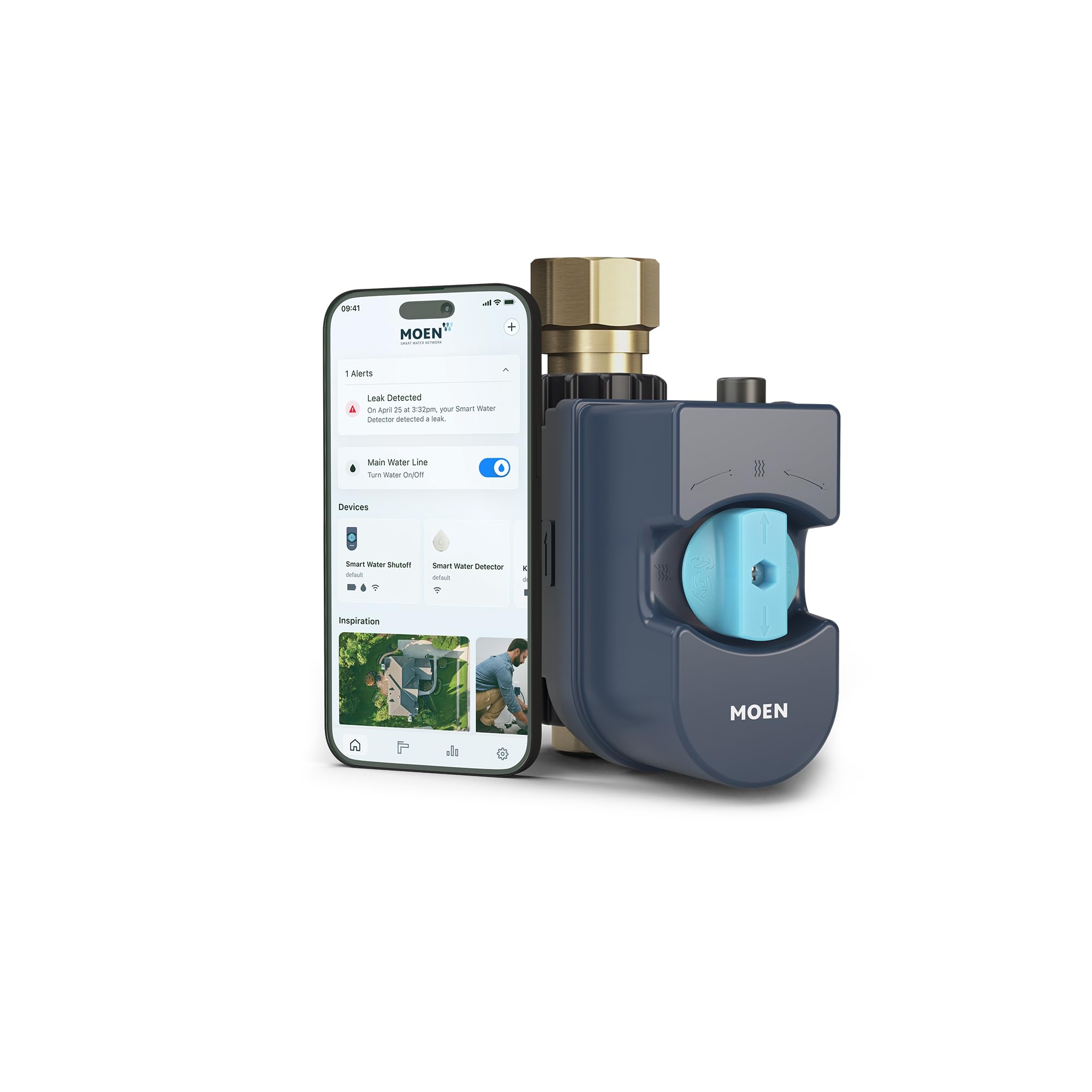
Moen Flo Smart Water Monitor and Automatic Shutoff Sensor, Wi-Fi Water Leak Detector for 3/4-Inch Diameter Pipe, 900-001 - Tub And Shower Faucets - Amazon.com
Moen Flo Smart Water Monitor and Automatic Shutoff Sensor, <strong>Wi-Fi Water Leak Detector for 3/4-Inch Diameter Pipe</strong>, 900-001 - Tub And Shower Faucets - Amazon.com
Check Price on Amazon- Bundle with auto: Often the biggest discount, typically 10%–25% across combined policies. If you’re reviewing home and auto together, our Auto Insurance in Colorado: Rates, Requirements & How to Save (/auto-insurance/auto-insurance-in-colorado-rates-requirements-save) guide can help optimize the auto side too.
- Class 4 impact-resistant roof: Significant savings with many insurers and may unlock roof Replacement Cost for hail losses. Keep your roofing certificate handy.
- Wildfire mitigation: Defensible space, Class A roofing, ember-resistant vents, mesh-covered openings, noncombustible zones near the house, and clean gutters. Some counties (like Boulder) have programs that document mitigation—share those with your insurer.
- Monitored alarms and smart devices: Central-station fire, burglary, water leak detection, and automatic shutoff valves can trim costs and prevent claims.
- New roof/new home credits: Newer roofs and homes rate better. If you reroofed, send the invoice and permit—many carriers re-rate midterm.
- Claims-free: Typically improves with each claim-free year.
- Pay-in-full, e-docs, and loyalty: Modest but easy wins.
Tip: Ask your agent to quote the same home with and without a Class 4 roof to see payback time on a reroof. In hail-prone ZIPs, the upgrade can pay for itself over several years.
Filing a home insurance claim in Colorado
Whether it’s hail, wind, fire, or a frozen pipe, here’s a claim roadmap that generally works well in Colorado:
- Stay safe and prevent further damage
- Shut off water if a pipe bursts. Tarp the roof after hail if you can do it safely. Keep receipts—reasonable emergency repairs are typically reimbursable.
- Document everything
- Take photos and video from multiple angles. For roof claims, get clear shots of hail hits, lifted shingles, and interior leaks.
- Notify your insurer promptly
- Report what happened, when, and what was damaged. Ask about your wind/hail deductible and whether your roof is ACV or Replacement Cost. Request an explanation of “recoverable depreciation” (the portion you get back after repairs are completed) if your policy includes it.
- Meet the adjuster—and choose your contractor
- You can use any licensed contractor. In hail seasons, be cautious of high-pressure door-to-door pitches. Avoid signing contracts that assign your entire claim to the contractor. Verify licenses and insurance.
- Understand the payment structure
- Many claims pay in two checks: ACV upfront minus your deductible and depreciation, then a second check for recoverable depreciation after work is done. Code upgrades are paid under your ordinance or law limit—ask your adjuster how that applies.
- Track deadlines and supplements
- Policies often have time limits to complete repairs and recover depreciation (commonly 6–12 months; check yours). If your contractor discovers additional covered damage, your contractor or adjuster can process a supplement.
If you hit a snag, the Colorado Division of Insurance can explain consumer rights and help with complaints. A reputable, licensed agent can also help you escalate within a carrier when needed.
FAQ: common questions about Colorado homeowners insurance
Are wildfires covered? Typically yes—fire and smoke are covered perils on standard policies. Availability and pricing can be tighter in high-risk areas, and insurers may require mitigation or impose higher deductibles.
Is hail damage to my roof covered? Usually, if there’s functional damage from a covered hail event. Cosmetic-only scuffs may be excluded. Pay close attention to your wind/hail deductible and whether the roof is covered at Replacement Cost or ACV.
Do I need flood insurance in Colorado? The state doesn’t require it, but your lender might. Standard home policies exclude flood. Consider a separate flood policy if you’re near water, in or below steep burn scars, or in low-lying areas.
What if my insurer nonrenews me due to wildfire or roof age? It happens in some ZIP codes. Shop early with an independent agent who can access multiple carriers, including regional or specialty markets. Mitigation steps (defensible space, Class A roof) and roof upgrades can help.
How much liability coverage should I carry? Many homeowners choose $300,000 or $500,000. If you have significant assets or a rental exposure, consider a personal umbrella policy for an extra $1M+ of protection. Rates vary.
Does credit affect my rate in Colorado? Many insurers use credit-based insurance scores subject to state regulations. Your credit may impact your price—another reason to compare multiple quotes.
I rent my place out on weekends—am I covered? Short-term rentals are often excluded or limited without an endorsement. Ask for a home-sharing endorsement or a landlord policy (DP-3). Your HOA or city might also have rules.
What about condos and townhomes? You’ll usually need an HO-6 policy for the interior of your unit, your belongings, loss of use, personal liability, and loss assessment. Bring the HOA’s master policy to your agent so you’re not doubling—or missing—coverage.
The smart next step
The clearest way to find the best value is to compare home insurance in Colorado from 3–5 carriers side by side, matching deductibles and roof coverage. A licensed, independent agent can do this quickly and flag wildfire and roof requirements for your exact address. Start with your home details handy—square footage, roof type/age, and any mitigation you’ve done—and you’ll get more accurate numbers.
Need a refresher on coverage choices while you shop? Our What Does Home Insurance Cover? (/home-insurance/what-does-home-insurance-cover) explainer and the Home Insurance Guide 2026 — Compare Quotes, Coverage & Costs (/home-insurance/home-insurance-guide-2026) can help you line up the right limits before you lock in a policy.
This article offers general guidance. For personalized advice, consult a licensed Colorado insurance agent who can review your situation in detail and explain carrier-specific rules.
Recommended Resources
Surviving Wildfire: Get Prepared, Stay Alive, Rebuild Your Life (A Handbook for Homeowners): Masterson, Linda
And if your home is damaged or destroyed, what you do now will make it much easier to put your life back together. <strong>Author and researcher Linda Masterson knows what it's like to flee a wal
Moen Flo Smart Water Monitor and Automatic Shutoff Sensor, Wi-Fi Water Leak Detector for 3/4-Inch Diameter Pipe, 900-001 - Tub And Shower Faucets - Amazon.com
Moen Flo Smart Water Monitor and Automatic Shutoff Sensor, <strong>Wi-Fi Water Leak Detector for 3/4-Inch Diameter Pipe</strong>, 900-001 - Tub And Shower Faucets - Amazon.com
Construction Metals 14 in. x 6 in. Flange Front Bonderized Vulcan Foundation Soffit Vent - Amazon.com
Construction Metals 14 in. x 6 in. Flange Front Bonderized Vulcan Foundation Soffit Vent - Amazon.com
Related Articles
- Auto Insurance in Colorado: Rates, Requirements & How to Save
- Home Insurance in Wyoming: Coverage, Costs & Best Companies
- Home Insurance in California: Coverage, Costs & Best Companies
- Life Insurance in Colorado: What Residents Need to Know
- Home Insurance in Montana: Coverage, Costs & Best Companies
- Home Insurance in South Dakota: Coverage, Costs & Best Companies
- Home Insurance in Minnesota: Coverage, Costs & Best Companies
- Home Insurance in Oklahoma: Coverage, Costs & Best Companies