
Cheapest Car Insurance in California: How to Find the Lowest Rates
You want the cheapest car insurance in California without getting burned by skimpy coverage or surprise fees. Smart. Here’s what actually matters, what California law requires, and the most reliable ways to bring your price down—without sacrificing protection.
Quick answer: what “cheapest car insurance in California” really means
“Cheapest” sounds simple—pay the least. In reality, the cheapest car insurance in California is the lowest price for the coverage that still protects you the way you need. That balance looks different if you:
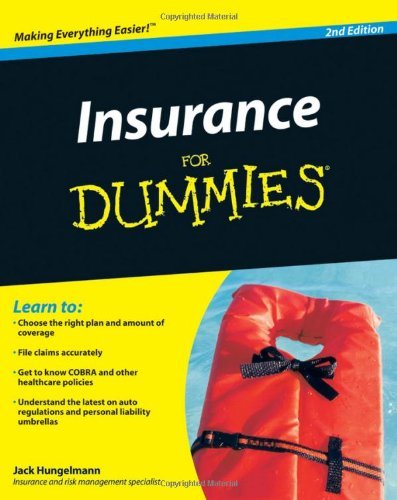
Insurance For Dummies?: Hungelmann, Jack
Whether you’re a homeowner or ... need on: ... Author Jack Hungelmann <strong>uses his twenty-five years of experience in the insurance industry to make buying insurance as simple as possible</strong>
Check Price on Amazon- Drive an older paid-off car (you may skip collision and comprehensive if you can afford to repair/replace the car yourself) versus
- Drive a newer or financed car (your lender will require collision and comprehensive), or
- Commute 40 miles a day versus drive 4,000 miles a year, or
- Have a recent ticket or at-fault accident.
A bare-minimum policy may be the absolute lowest price, but it can leave you writing very large personal checks after a crash. Your goal: right-size your limits, then shop hard on price.
Pro tip: The fastest way to see what you’d actually pay is to compare real quotes from 3–5 carriers for the same coverages. If you want a deeper California-specific explainer while you compare, see our guide to Auto Insurance in California: Rates, Requirements & How to Save.
California minimum coverage, SR-22, and other legal requirements
California law sets minimum liability insurance you must carry to drive legally. As of 2025, the minimum limits are:
- Bodily injury liability: $30,000 per person / $60,000 per accident
- Property damage liability: $15,000 per accident
Liability pays others when you’re at fault. It does not pay to repair your own car. Uninsured/underinsured motorist (UM/UIM) and medical payments (MedPay) are optional but worth a look—especially in a state with plenty of uninsured drivers.
Other ways to meet “financial responsibility” (per the California DMV) include a $35,000 cash deposit with the DMV, a surety bond for $35,000, or self-insurance if you operate a qualifying fleet. Most drivers use an auto policy because it’s simplest and typically cheapest.
SR-22 in California: An SR-22 is a filing your insurer sends to the DMV proving you carry at least the minimum liability limits after a serious violation (for example, a DUI) or license suspension. Key points:
- An SR-22 is not a special policy. It’s a certificate attached to your policy.
- You typically must keep it for three years; if your policy lapses, your insurer notifies the DMV and your license can be re-suspended.
- Expect a filing fee (often around $15–$50) plus a higher premium due to the underlying violation.
- If you don’t own a car but need to reinstate your license, ask about a non-owner policy (liability-only on you as a driver) with an SR-22. It’s often the cheapest compliant approach.
Good Driver Discount: California law (overseen by the California Department of Insurance) requires insurers to give at least a 20% Good Driver discount if you qualify—typically meaning you’ve been licensed for three years and have a clean recent record. Ask every insurer to confirm whether you qualify.
California Low Cost Auto program (CLCA): The state sponsors a special low-cost liability policy for income-eligible, good drivers. Availability, limits, and eligibility change over time, so check the official program details if your income is limited. For some households, CLCA is the absolute cheapest legal coverage.
Key factors that drive your California auto insurance price
California has unique rating rules. By law, insurers must base your rate primarily on three mandatory factors, in this order:

VIOFO Dash Cam A119 V3 2K 2560x1440P Quad HD+ 60FPS Front Car Dash Camera, 5MP STARVIS Sensor, 140-Degree Wide Angle, GPS Included, Buffered Parking Mode, True HDR, Motion Detection, Time Lapse : Electronics
View on Amazon- Your driving safety record (accidents and tickets)
- Annual miles driven
- Years of driving experience
Other approved factors (subject to Department of Insurance rules) can also matter, like your garaging ZIP code, type of vehicle, and prior insurance history.
- Driving record: A recent at-fault accident or major violation can raise your premium for 3–5 years. Minor tickets usually matter for about three years.
- Miles you drive: In California, mileage carries real weight. Verifying lower mileage can significantly reduce your price.
- Years licensed: Newer drivers pay more because they have less experience. Prices often improve at each 3–5 year milestone with a clean record.
- Location: Dense urban ZIPs (think Los Angeles, Oakland, San Francisco) tend to have higher rates due to more claims, theft, and repairs. Rural ZIPs may be cheaper.
- Vehicle: Cars that cost more to repair or are frequently stolen rate higher for comprehensive and collision. Safety features can help, but repair costs still drive a lot of pricing.
- Age and household: Teen drivers are expensive almost everywhere; adding them to a family policy is typically cheaper than a stand-alone policy.
- Credit score: California does not allow credit-based insurance scores for auto rates. Your credit should not affect your California auto premium.
- Gender: California bars gender as a personal auto rating factor.
- Prior insurance/continuous coverage: Lapses can raise prices. Staying insured—even with a basic policy—often keeps you eligible for better rates.
Real-world example: A 35-year-old, accident-free driver in San Diego who drives 5,000 miles a year may see notably lower quotes than the same driver in downtown Los Angeles who drives 15,000 miles. Same person, different mileage and ZIP—big difference.
Top strategies to lower your premium in California
You can’t change your ZIP overnight, but you can chip away at price in practical ways:
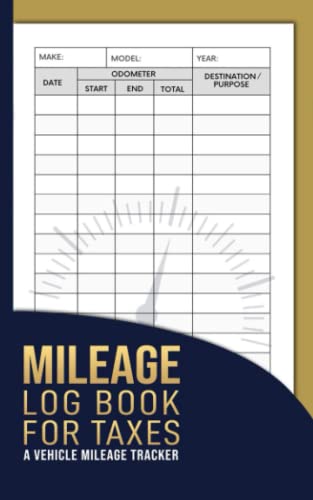
Mileage Log Book For Taxes Vehicle Mileage Log Book Keeping Log For Small Business or Personal Tax Daily Mileage Log Book For Car Odometer Mileage ... Car Featuring Mileage Tracker A Mileage Book: Joy, Nesi
View on Amazon- Verify your mileage: Because annual miles are a top factor in California, accurately documenting your lower mileage (odometer photos, maintenance records, or a mileage program) can unlock meaningful savings.
- Ask about telematics/usage-based insurance: These programs (a smartphone app or plug-in device) track driving habits like braking, time of day, and miles. Safe, low-mileage drivers can often earn significant discounts. Participation is optional; ask how data is used and whether poor driving can raise rates at renewal.
- Bundle policies: Combine auto with renters or home. In California, bundling can shave 5–25% off, depending on the carrier. If you rent, a basic renters policy is inexpensive and frequently triggers an auto discount.
- Increase deductibles: Raising your comprehensive and collision deductibles (the amount you pay out of pocket before insurance kicks in) can lower your premium. Make sure you can comfortably cover that deductible if you need to file a claim.
- Drop optional coverage you don’t need: On an older car you can afford to repair or replace yourself, you might remove collision and/or comprehensive to cut costs. If you owe money on the car, your lender will require these coverages.
- Good Driver Discount: Confirm eligibility. If you’re almost eligible (e.g., one minor ticket about to age off), set a reminder to re-shop when it drops.
- Multi-car and household: Put all drivers and vehicles in one policy if possible. This often reduces the per-car rate.
- Student savings: Good student discount, student away at school (without a car), and driver training courses can all help.
- Mature driver course (55+): California offers a state-approved course that can reduce rates for seniors. Ask your insurer which courses qualify.
- Pay-in-full, autopay, paperless: Small but easy discounts. Also check whether monthly installment fees are adding cost.
- Shop after life events: Moving, adding/removing drivers, buying a car, or a ticket/accident aging off your record are great times to re-quote.
- Consider pay-per-mile: If you drive very little, a pay-per-mile plan can be among the cheapest options. California’s emphasis on mileage makes these programs compelling for low-mileage drivers.
- Explore CLCA if eligible: For some households, the California Low Cost Auto policy is the lowest legal price.
Want a broader list of discount levers? See our playbook on Cheap Auto Insurance: How to Lower Your Premiums & Get Quotes.
CTA: Ready to see real numbers? The smartest next step is to pull 3–5 quotes side-by-side using the same coverage limits and deductibles. Start here: Car Insurance: Compare Quotes & Save on Coverage Today.
How to compare quotes step-by-step (beyond just price)
Comparing by price alone is how people end up underinsured or frustrated at claim time. Use this checklist:
- Decide on coverage first
- Liability limits: In most cases, consider higher than the 30/60/15 minimum—especially if you own a home or have savings. Many Californians choose 100/300/50 or higher. One serious crash can blow past minimums quickly.
- UM/UIM: Protects you if hit by a driver with little or no insurance. Given California’s uninsured rate, this is strong value coverage.
- MedPay: Pays for medical expenses for you and your passengers, regardless of fault. Helpful if you have a high-deductible health plan.
- Collision/Comprehensive: Keep them on newer or financed cars; consider removing on older vehicles after you weigh the car’s value against the premium.
- Extras to consider: Rental car reimbursement, roadside assistance, OEM parts coverage, and new car replacement (if offered).
- Keep deductibles consistent
- Pick the same deductibles (e.g., $500 collision/$500 comprehensive) for every quote. Otherwise, you’re not comparing apples to apples.
- Gather your details upfront
- Driver info: Dates of birth, license numbers, years licensed in the U.S.
- Vehicle info: VIN, current mileage, primary use, where it’s garaged at night.
- Driving history: Accidents and tickets with dates. Be honest—insurers verify.
- Desired effective date and prior insurance details (to earn any continuous coverage credit).
- Evaluate the company, not just the quote
- Financial strength: Look for solid A.M. Best or equivalent ratings. This speaks to the company’s ability to pay claims.
- Complaint record: The California Department of Insurance publishes complaint data and company profiles. A low complaint index is a good sign.
- Claims experience: Check reviews specific to claims handling in California, not just national marketing hype.
- Repair options: Some insurers steer you to preferred shops; ask how that works and whether OEM parts are used on newer cars.
- Watch the fees and fine print
- SR-22 filing fees, monthly installment fees, and roadside add-ons can pad the bill. Opt out of extras you don’t want.
- Lock the quote and follow through
- Rates can change with underwriting review. Provide any requested documents (mileage verification, prior insurance proof) quickly to lock in the price.
For more California-specific context as you compare, you can also refer back to Auto Insurance in California: Rates, Requirements & How to Save.
Cheapest insurers by common driver profiles in California
Let’s level with you: “Who is cheapest?” changes constantly. California’s Department of Insurance regulates rates closely, and companies regularly file changes. Market surveys and recent rate filings often show these carriers as competitive for many drivers in California: Mercury, GEICO, Progressive, Wawanesa, State Farm, AAA (CSAA or Auto Club of Southern California, depending on where you live), Kemper/Infinity (for certain profiles), and some regional insurers. That said, no single company is cheapest for everyone.
Use these profile notes as starting points—not predictions:
- 30-year-old good driver, moderate mileage: You’ll often see competitive minimum and full-coverage quotes from Mercury, GEICO, Wawanesa, and AAA. If you verify low mileage, pay-per-mile options can also compete.
- Young driver (19–22) added to family policy: Family bundling usually beats a solo policy. AAA, State Farm, and Mercury frequently price well for households with teens, especially with good student and driver training credits.
- Driver with a recent at-fault accident: Expect higher quotes for 3–5 years. Progressive, GEICO, and some nonstandard carriers may be more forgiving, but you must shop widely.
- DUI/SR-22 required: You’ll likely need a company that files SR-22s quickly and has fair nonstandard rates. Progressive and certain specialty carriers tend to be in the mix. A non-owner SR-22 policy can be the cheapest bridge if you don’t currently own a car.
- Low-mileage urban driver (e.g., San Francisco, Los Angeles): Pay-per-mile programs and insurers that heavily weight mileage can win. Verifying mileage is key.
- 65+ mature driver with clean record: Ask about California’s mature driver course discount (55+). AAA, State Farm, and Wawanesa can be competitive; again, shop 3–5 carriers.
How to use California DOI data without misreading it:
- Rate filings show proposed changes and the overall impact, not your exact premium. A filing that says “+6% overall” doesn’t mean you specifically go up 6%.
- California requires that your driving record, miles, and years licensed weigh most. Two people reading the same “cheapest company” list can still get very different quotes.
- The most useful DOI resources for shoppers are company profiles and complaint ratios. A low complaint index plus a competitive quote is a strong combo.
Reality check on prices: For a 35-year-old good driver, recent California market surveys often show some carriers quoting minimum coverage in the double-digits per month and full coverage commonly in the low-to-mid hundreds. But rates vary widely by ZIP, miles, and vehicle. Always treat sample prices as directional, not guarantees.
What to look for when “cheap” might cost you later
- Property damage risk: California’s minimum property damage limit is $15,000. Hit a newer SUV or cause a multi-car pileup, and $15,000 can be gone fast. Consider $50,000 or $100,000 for real-world protection.
- Uninsured drivers: UM/UIM is optional but valuable. It’s one of the best bang-for-buck coverages for many drivers.
- Deductible trade-offs: A $1,000 deductible saves money now but means a bigger out-of-pocket later. Pick a number you can handle on a rough day.
- Rental coverage: If you rely on your car for work, rental reimbursement is inexpensive peace of mind while your car is in the shop.
Example: You carry 30/60/15 and total a $45,000 vehicle you hit. Your insurer pays $15,000 for property damage. You’re personally on the hook for the remaining $30,000. Bumping property damage to $100,000 typically costs only a few dollars more per month compared to the financial risk you’re taking.
Next steps and resources
- Compare 3–5 quotes side-by-side with identical limits and deductibles. Start here to line them up quickly: Car Insurance: Compare Quotes & Save on Coverage Today.
- Double-check the insurer: Look for strong financial ratings and review California complaint data via the Department of Insurance. Verify the company is licensed in California and note their NAIC/DOI number on your policy docs.
- Need California context while you shop? Keep this handy: Auto Insurance in California: Rates, Requirements & How to Save.
- Want a broader strategy checklist you can run annually? See: Find the Cheapest Insurance Company: A Practical Guide.
A quick note on personalized advice: A licensed California agent or broker can help you fine-tune limits and discount eligibility for your exact situation. That’s especially helpful if you have multiple drivers, a recent ticket/accident, a financed vehicle, or you need an SR-22.
Bottom line: In California, mileage and your driving record do the heaviest lifting. Verify your miles, right-size your coverage, and then pit 3–5 carriers against each other. That’s how you actually find the cheapest car insurance in California for you—without exposing your wallet to unnecessary risk.
Recommended Resources
Insurance For Dummies?: Hungelmann, Jack
Whether you’re a homeowner or ... need on: ... Author Jack Hungelmann <strong>uses his twenty-five years of experience in the insurance industry to make buying insurance as simple as possible</strong>
VIOFO Dash Cam A119 V3 2K 2560x1440P Quad HD+ 60FPS Front Car Dash Camera, 5MP STARVIS Sensor, 140-Degree Wide Angle, GPS Included, Buffered Parking Mode, True HDR, Motion Detection, Time Lapse : Electronics
Amazon.com: VIOFO Dash Cam A119 V3 2K 2560x1440P Quad HD+ 60FPS Front Car Dash Camera, 5MP STARVIS Sensor, 140-Degree Wide Angle, <strong>GPS Included</strong>, Buffered Parking Mode, True HDR, Motion
Mileage Log Book For Taxes Vehicle Mileage Log Book Keeping Log For Small Business or Personal Tax Daily Mileage Log Book For Car Odometer Mileage ... Car Featuring Mileage Tracker A Mileage Book: Joy, Nesi
All pre-formatted pages to record your information. Featuring, beginning to end odometer values, total mileage, date, destination, summary detail and notes at the end of the book. Unique present idea
Related Articles
- Auto Insurance in California: Rates, Requirements & How to Save
- Cheapest Car Insurance in Texas: Compare Rates & Get Quotes Today
- Cheap Car Insurance: How to Save on Coverage & Get Fast Quotes
- Cheapest Car Insurance in Florida: Compare Quotes & Save
- Home Insurance in California: Coverage, Costs & Best Companies
- Best Homeowners Insurance in California (2026): Top Picks & How to Choose
- Find the Cheapest Insurance Company: A Practical Guide
- California Home Insurance: Compare Quotes, Costs & Coverage