
Home Insurance in Wyoming: Coverage, Costs & Best Companies
You’re shopping for home insurance in Wyoming and seeing a wide spread of prices. Is that normal, and what actually matters for a Wyoming home? Here’s the straight talk—what’s typically covered, what it costs in different parts of the state, how Wyoming-specific risks like hail and wildfire factor in, and how to compare quotes the smart way.
Wyoming homeowners insurance requirements and typical coverage
First, a quick reality check: Wyoming doesn’t require homeowners insurance by law. But if you have a mortgage, your lender will require it. Even if you own your home outright, a policy protects your biggest asset from risks like fire, wind, hail, theft, and liability.
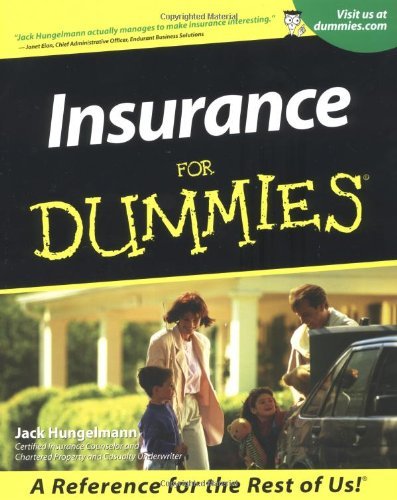
Insurance for Dummies: Hungelmann, Jack
<strong>Manage life, health, and disability risks</strong> ― explore individual and group policies, understand Medicare basics, and evaluate long-term disability and long-term-care insurance ...
Check Price on AmazonA standard HO-3 homeowners policy in Wyoming typically includes:
- Dwelling coverage (Coverage A): Pays to rebuild or repair your home if it’s damaged by a covered peril. This should match your home’s replacement cost (the cost to rebuild at today’s local prices), not its market price.
- Other structures (Coverage B): Covers things like a detached garage or fence, usually 10% of your dwelling limit.
- Personal property (Coverage C): Covers your belongings. You can choose actual cash value (depreciated value) or replacement cost (what it costs to buy new). Replacement cost is the upgrade most Wyoming homeowners prefer.
- Loss of use (Coverage D): Pays for temporary living expenses if a covered claim forces you out of your home—think hotel stays, short-term rentals, meals.
- Personal liability (Coverage E): Protects you if you’re legally responsible for injuries or property damage to others (for example, a guest slips on your steps). Many Wyoming homeowners choose $300,000 to $500,000.
- Medical payments to others (Coverage F): Small amounts (often $1,000–$5,000) to cover minor injuries to guests, regardless of fault.
Key options and endorsements worth considering in Wyoming:
- Extended or guaranteed replacement cost: Adds a cushion (often 25%–50% above your dwelling limit) if rebuilding costs spike after a big regional event.
- Ordinance or law coverage: Pays for code-required upgrades during repairs. In older Wyoming homes, 25%–50% is common.
- Water backup: Covers damage from a backed-up drain or sump pump (not covered by default). Typically available in $5,000–$25,000 limits.
- Service line coverage: Helps replace underground lines you own (water, sewer, electrical) that fail from wear and tear.
- Equipment breakdown: Covers sudden failure of major systems—HVAC, appliances, well pumps—beyond standard wear.
- Scheduled personal property: Higher limits for jewelry, firearms, art, and similar items that have low sub-limits on standard policies.
What’s usually not covered unless you add it:
- Flood: Not in standard home policies. If you’re near rivers or snowmelt-prone areas, look at an NFIP or private flood policy.
- Earthquake: Wyoming has some seismic activity, especially near Yellowstone. Coverage typically requires a separate endorsement or policy.
- Maintenance and wear and tear: Things like slow leaks, aging roofs, and pest damage are on you, not the insurer.
A note on deductibles: Your deductible is the amount you pay out of pocket before insurance kicks in. In many Wyoming ZIP codes, insurers use a separate wind/hail deductible. It can be a flat amount (like $1,000) or a percentage of your dwelling limit (like 1%–2%). Higher deductibles generally lower your premium, but be sure you’re comfortable paying that amount if you have a claim.
Average home insurance costs in Wyoming by home value and location
Rates vary—by your home’s age and materials, distance to a fire station/hydrant, roof type, claim history, credit-based insurance score (allowed in Wyoming), and more. That said, here are typical premium ranges we see for well-maintained, single-family homes with good claims history and a $1,000–$2,500 deductible. These are illustrative—not quotes.
By home value (replacement cost), many homeowners in Wyoming might see:
- $200,000–$300,000 homes: Roughly $1,200–$2,000 per year
- $300,000–$500,000 homes: Roughly $1,600–$2,600 per year
- $500,000–$800,000 homes: Roughly $2,200–$3,800 per year
- $1M+ or high-value/complex homes: Often $3,500+ per year; may require specialty carriers
By location, broad patterns tend to look like this:
- Cheyenne, Laramie, and along I‑25/I‑80 corridors: Often competitive due to better fire protection and contractor availability, but hail exposure can push rates higher. Typical ranges: $1,400–$2,400.
- Casper and central WY: Similar to Cheyenne/Laramie with pockets of higher hail activity. Typical ranges: $1,400–$2,500.
- Jackson/Teton County: Higher rebuild costs, wildfire exposure, and high-value homes drive rates up. Typical ranges: $2,200–$4,000+ depending on construction type and defensible space.
- Rural areas (longer drive to fire services): The ISO fire protection class can meaningfully raise premiums. Typical ranges: $1,600–$2,800, with variability based on distance to hydrants and access.
Quick example: Say you have a 2,000 sq. ft. 1995-built home in Cheyenne with a $350,000 replacement cost, a 1% wind/hail deductible, and standard liability limits. You might see quotes from about $1,600 to $2,400 per year depending on your roof age, credit-based insurance score, and discounts. In Jackson with similar specs, you might see $2,600 to $3,800+. Actual prices vary by carrier and underwriting.
Wyoming-specific risks: natural disasters, weather, and regional factors
Wyoming’s beauty comes with exposure to a few key risks that affect coverage and pricing:

YoLink Water Leak Starter Kit: Hub + 4 Leak Sensor 1 (Silent), LoRa Long-Range, App/SMS/Email Alerts, D2D Offline Triggers, 2 AAA Up to 5-Year Battery, Compatible with Alexa/IFTTT/Home Assistant - Amazon.com
View on Amazon- Hail and wind: A top driver of claims on the High Plains. Some policies include a cosmetic damage exclusion for metal roofs—meaning dents without leaks might not be covered. Ask specifically about roof coverage type and any depreciation schedules.
- Winter storms and freezing: Long cold snaps and heavy snow loads can lead to ice dams and burst pipes. Your policy covers sudden/accidental water damage from burst pipes, but not gradual leaks. Maintaining heat, insulating pipes, and installing leak sensors can help—and sometimes earn discounts.
- Wildfire: Particularly relevant in forested and mountainous counties (Teton, Sublette, Park, Lincoln). Creating defensible space, cleaning roofs/gutters, screening vents, and upgrading to Class A fire-resistant roofing can improve eligibility and pricing.
- Flooding and snowmelt: Spring runoff and localized flash flooding near rivers and low-lying areas are real risks. Standard homeowners policies exclude flood; consider an NFIP or private flood policy if you’re exposed.
- Earthquake: Low-to-moderate risk in parts of the state. If you’re concerned, ask about an earthquake endorsement with a separate deductible.
- Distance to fire services: Rural address? Your distance to a responding fire station and water supply strongly influences price. Private cisterns, accessible driveways, and clear property markers can help with eligibility.
Pro tip: If you’re replacing a roof after hail, ask your contractor and insurer about impact-resistant shingles (Class 4). Many Wyoming carriers offer meaningful discounts for a certified Class 4 roof—just be sure to submit documentation.
How to compare home insurance quotes in Wyoming
You’ll see a big spread between carriers in Wyoming, especially on roofs and wind/hail. Here’s how to compare quotes apples-to-apples.
- Match the dwelling replacement cost: Ensure each quote uses a realistic local rebuild estimate. If one estimate is $280,000 and another is $360,000 for the same home, dig into the assumptions (square footage, finishes, outbuildings).
- Check roof coverage: Is your roof covered at replacement cost or actual cash value (depreciated)? Are there cosmetic damage exclusions? Any age-based depreciation schedules? This is a big swing factor in hail country.
- Compare wind/hail deductibles: Flat vs. percentage deductibles can change your out-of-pocket by thousands. Ask for options at 0.5%, 1%, and 2% to see the price trade-offs.
- Look for wildfire-readiness features: Some carriers offer risk assessments, home hardening guidance, or even mitigation services in high-risk areas. Ask what’s included.
- Add the right endorsements: Water backup, service line, equipment breakdown, and ordinance or law coverage are small line items that solve big headaches. Price them consistently across quotes.
- Liability limits and dog/trampoline rules: If you have a dog breed many carriers restrict or a trampoline, eligibility and pricing will vary widely. Confirm acceptability before you fall in love with a low quote.
- Claims handling reputation: Read recent regional reviews. After a hailstorm, you want a carrier that deploys adjusters quickly and communicates clearly about roof coverage.
- Discounts and inspection requirements: Some great-looking quotes hinge on passing a roof or 4-point inspection. Ask upfront so there are no surprises.
The fastest way to see what you’d actually pay is to compare quotes from 3–5 carriers on the same day using the same coverage specs. Small differences in assumptions can easily swing premiums by 20% or more.
Best home insurance companies in Wyoming (and how to pick the right one)
Availability varies by ZIP code, but these categories of carriers often perform well in Wyoming:
- National multi-line carriers: Broad discounts and solid claims infrastructure. Good for many homes in Cheyenne, Casper, Laramie, and Gillette.
- Regional/Mountain West carriers: Often competitive on homes with metal roofs, rural properties, or unique outbuildings. Local underwriting knowledge helps.
- Military-focused: If you’re active duty, a veteran, or an eligible family member, military-focused carriers can offer excellent coverage and service.
- High-value/specialty carriers: For custom or high-value homes (common in Teton County), look at carriers with extended coverage features and higher limits.
What actually matters isn’t the logo—it’s how the policy fits your home’s risks: roof coverage terms, wind/hail deductible, wildfire eligibility, realistic rebuild limits, and how quickly they show up after a storm.
Discounts and bundling opportunities for Wyoming homeowners
Most Wyoming insurers offer a stack of discounts. Ask about:
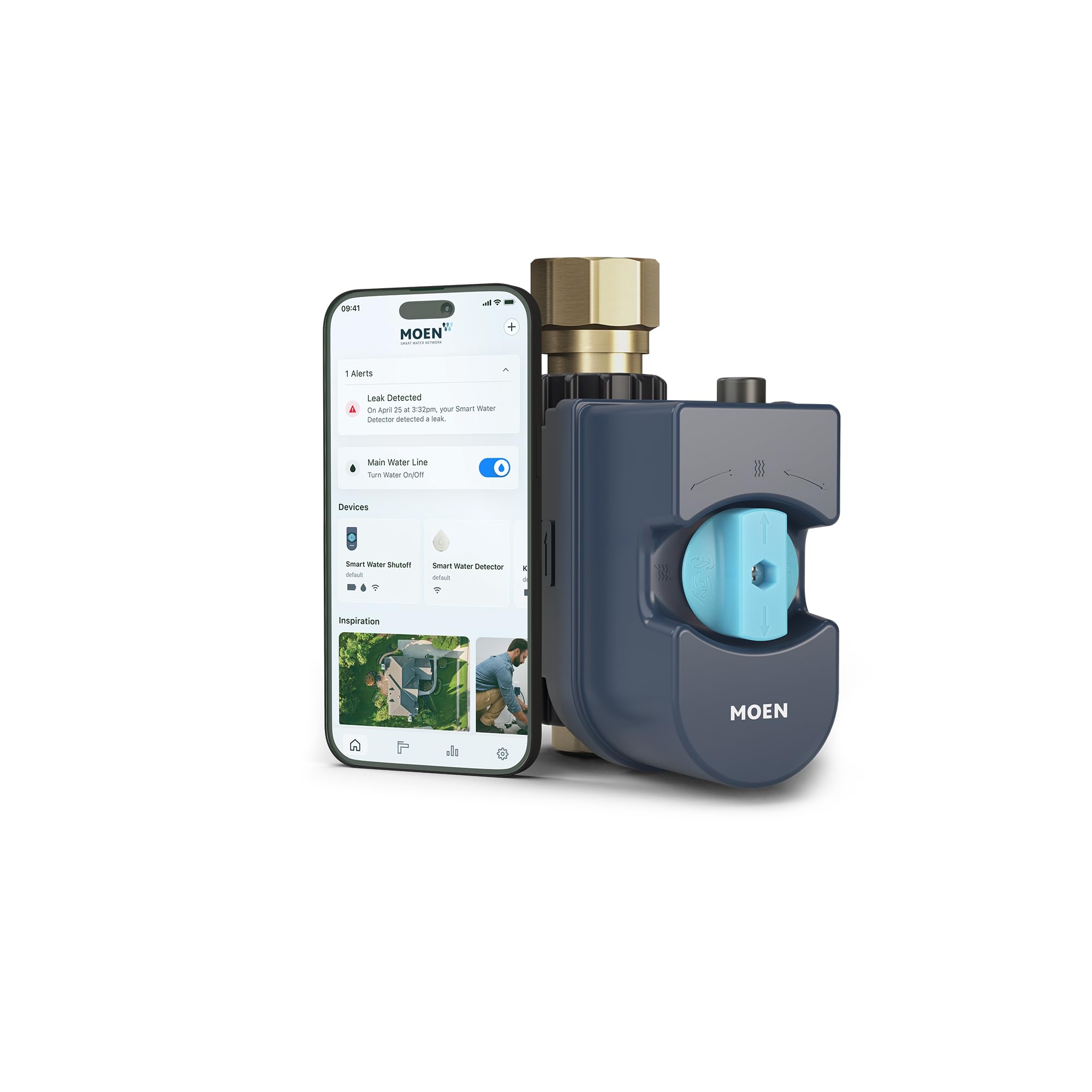
Moen Flo Smart Water Monitor and Automatic Shutoff Sensor, Wi-Fi Water Leak Detector for 3/4-Inch Diameter Pipe, 900-001 - Tub And Shower Faucets - Amazon.com
Moen Flo Smart Water Monitor and Automatic Shutoff Sensor, <strong>Wi-Fi Water Leak Detector for 3/4-Inch Diameter Pipe</strong>, 900-001 - Tub And Shower Faucets - Amazon.com
Check Price on Amazon- Auto + home bundle: Multi-policy bundling can often save 10%–25% depending on the carrier. If you’re shopping both, see our guide to Wyoming auto coverage and then bundle when it makes sense. Auto Insurance in Wyoming: Rates, Requirements & How to Save
- Impact-resistant (Class 4) roof: Often a strong discount—submit proof from your roofer or manufacturer.
- Protective devices: Central fire and burglar alarms, monitored smoke detectors, smart leak sensors, and automatic water shutoff valves.
- Claims-free: The longer you go without a claim, the better your pricing typically gets.
- Newer home or updates: New construction or documented updates to roof, electrical, plumbing, or HVAC can help.
- Wildfire mitigation: In select areas, insurers may discount for defensible space, ember-resistant vents, and Class A roofs.
- Higher deductibles: Raising from $1,000 to $2,500 can reduce premiums, but make sure you can afford the out-of-pocket if you need to file a claim.
Tip: Ask the agent to list each discount they applied and any you might qualify for in the next 12 months (like a monitored alarm you plan to install). You want a clear path to a lower renewal.
Filing a home insurance claim in Wyoming
If you have damage, here’s a practical roadmap that works with most Wyoming carriers:
- Make it safe: Stop the immediate damage—shut off water, board windows, tarp roofs if safe. Keep receipts; temporary repairs are usually reimbursable.
- Document everything: Take photos and video before cleanup. Create a simple room-by-room list of damaged items with approximate ages and values.
- Report the claim: Call your insurer or use the app/portal. Provide the date, time, and a brief description. Mention if the home is uninhabitable.
- Meet the adjuster: They’ll inspect damage and review your policy terms. Ask about coverage type (replacement cost vs. actual cash value) and any separate wind/hail deductible.
- Choose contractors: You’re free to select your own licensed contractor. Get written estimates—your adjuster can share scope-of-work expectations.
- Understand payments: Many policies pay actual cash value first (replacement cost minus depreciation), then release the “recoverable depreciation” after repairs are completed and documented. Ask how your carrier handles this “holdback.”
- Track expenses: Keep all invoices and additional living expense receipts if you’re away from home. Loss of use coverage typically reimburses above your normal spending.
- Stay in touch: After major Wyoming hail or wildfire events, carriers juggle many claims. Proactive communication helps keep your file moving.
Not sure whether to file? Ask your agent hypotheticals before submitting a claim. A small repair under or near your deductible may be better handled out of pocket, especially if you’ve been claims-free for a while.
FAQ: common questions about Wyoming homeowners insurance
- Is homeowners insurance required in Wyoming? Not by state law, but most lenders require it as a loan condition.
- How much home insurance do I need? Start with a realistic replacement cost for your home (local rebuild prices), then add personal property, loss of use, and at least $300,000 in liability. Many Wyoming households choose $500,000 liability and consider an umbrella policy for extra protection.
- Are flood and earthquake covered? No—both require separate coverage. In higher-risk flood zones near rivers or runoff areas, consider NFIP or private flood insurance. Earthquake coverage is an add-on with a separate deductible.
- Why is my wind/hail deductible a percentage? Percentage deductibles are common in hail-prone areas to keep premiums sustainable. Ask for flat and percentage options and compare the price-to-risk trade-off.
- Will my metal roof’s dents be covered? Sometimes. Many policies exclude “cosmetic” damage (dents without leaks) to metal roofs. If that matters to you, look for a policy without the exclusion—or understand the cost difference.
- Does my credit affect my rate? In Wyoming, insurers can use a credit-based insurance score to help price risk. Improving your credit typically helps lower rates over time.
- I live far from a fire station. Can I still get coverage? Usually, but your price may be higher. Showing adequate water supply, clear access, and mitigation steps can help with eligibility and premiums.
A smart next step
You’ve got the Wyoming-specific nuances now—hail, roofs, wildfire, distance to fire services, and how deductibles really work. The quickest way to find your number is to compare 3–5 home insurance quotes for the same coverage: same dwelling limit, same roof terms, same wind/hail deductible. That’s how you separate a genuinely good deal from a too-good-to-be-true quote with weaker roof coverage.
If you want a second set of eyes, talk with a licensed agent who knows Wyoming. They can help right-size your rebuild limit, point out holes (like a missing water backup endorsement), and find discounts you might miss on your own.
When you’re ready, line up your details (square footage, roof age/material, updates, distance to hydrant/station), then request quotes the same day so you’re comparing like for like. Ten minutes now can save you hundreds a year—and a lot of stress when Wyoming weather does its thing.
Recommended Resources
Insurance for Dummies: Hungelmann, Jack
<strong>Manage life, health, and disability risks</strong> ― explore individual and group policies, understand Medicare basics, and evaluate long-term disability and long-term-care insurance ...
YoLink Water Leak Starter Kit: Hub + 4 Leak Sensor 1 (Silent), LoRa Long-Range, App/SMS/Email Alerts, D2D Offline Triggers, 2 AAA Up to 5-Year Battery, Compatible with Alexa/IFTTT/Home Assistant - Amazon.com
YoLink Water Leak Starter Kit: <strong>Hub + 4 Leak Sensor 1 (Silent), LoRa Long-Range, App/SMS/Email Alerts, D2D Offline Triggers, 2 AAA Up to 5-Year Battery, Compatible with Alexa/IFTTT/Home Assista
Moen Flo Smart Water Monitor and Automatic Shutoff Sensor, Wi-Fi Water Leak Detector for 3/4-Inch Diameter Pipe, 900-001 - Tub And Shower Faucets - Amazon.com
Moen Flo Smart Water Monitor and Automatic Shutoff Sensor, <strong>Wi-Fi Water Leak Detector for 3/4-Inch Diameter Pipe</strong>, 900-001 - Tub And Shower Faucets - Amazon.com
Related Articles
- Auto Insurance in Wyoming: Rates, Requirements & How to Save
- Home Insurance in Montana: Coverage, Costs & Best Companies
- Home Insurance in Colorado: Coverage, Costs & Best Companies
- Home Insurance in Idaho: Coverage, Costs & Best Companies
- Health Insurance in Wyoming: Plans, Costs & How to Enroll
- Home Insurance in West Virginia: Coverage, Costs & Best Companies
- Home Insurance in Nebraska: Coverage, Costs & Best Companies
- Home Insurance in South Dakota: Coverage, Costs & Best Companies