
What Affects Your Auto Insurance Rate: Key Variables Explained
You just got a quote and the number feels high. Is that normal, and what can you actually control? If you’re trying to understand the variables affecting auto insurance rates, here’s the honest breakdown. We’ll cover the factors insurers typically use, how much impact each can have, and smart ways to nudge your premium back down—without cutting important protection.
Variables Affecting Auto Insurance Rates: The Big Picture
Insurers price risk. They look at who’s driving, what you drive, how you use it, where you live, and your claims history—plus the coverage you choose. Each company weighs these variables differently, which is why the same driver can see quotes that vary by hundreds (sometimes thousands) of dollars.
Two quick notes up front:
- Pricing rules vary by state. Some factors (like gender or credit) are restricted or banned in certain states.
- The examples below are typical ranges. Your actual rate depends on your unique profile and the insurer’s model.
If you want a refresh on coverage basics (liability, collision, comprehensive), this explainer helps: Understanding Auto Insurance Coverage Types.
1) Driver profile and behavior
Your driver profile and behavior are big variables affecting auto insurance rates. Insurers use these to predict future claims.
Age, experience, and licensing status
- Teen and young drivers: Newer drivers, especially teens, typically pay 2–4x more than experienced drivers due to limited driving history. A 17-year-old on a family policy can easily add $1,500–$3,000 per year, depending on the state and vehicle.
- 25–65 sweet spot: Rates usually ease as you build a clean record. Many drivers see meaningful declines by age 25, provided no recent violations or claims.
- Senior drivers: After about 70, rates can creep up again as claim frequency and severity tend to rise.
- Licensing status: A new license or gaps in coverage can flag higher risk. Lapses in insurance (even if you weren’t driving) can raise rates 10–20% in many cases.
Tip: If you’re adding a teen driver, ask about good student and driver training discounts. They can stack to 10–30% in many programs. For deeper savings ideas tailored to young drivers, see: Affordable Car Insurance for Young Adults: Practical Ways to Lower Your Premiums.
Gender and marital status
- Gender: In some states, men (especially young men) tend to pay more because their claim statistics are worse. In other states, using gender in pricing is not allowed. Your state’s rules drive this.
- Marital status: Married drivers often see modestly lower premiums—think 5–10%—reflecting lower average claim rates.
Driving record: tickets, accidents, DUIs
- Minor speeding ticket: Often adds 10–25% for 3 years, depending on severity and carrier.
- At-fault accident: Commonly 20–50% for 3–5 years. Multiple at-fault crashes compound the effect.
- Serious violations (DUI/DWI, reckless driving): Surcharges can exceed 50–100% and may trigger non-renewal with some carriers.
What you can do:
- Take an approved defensive driving course if your state and insurer allow it for a discount.
- Ask whether an accident forgiveness feature is available (an endorsement—an optional add-on to your policy—that may prevent your first at-fault accident from raising your rate).
- Consider telematics (a usage-based program that tracks driving via a mobile app or device). Safe habits can earn ongoing discounts—typically 10–30%—though programs vary.
- If your record has recent serious violations, you may need a carrier specializing in higher-risk drivers. This guide can help: Auto Insurance for High‑Risk Drivers: Finding Coverage, Cutting Costs, and Rebuilding Your Record.
Credit-based insurance score (where allowed)
A credit-based insurance score (a model using elements of your credit report, not your traditional credit score) can be a major variable in states where it’s permitted. Drivers with excellent credit-based insurance scores typically pay far less than those with poor scores—sometimes 30–60%+ differences. Some states restrict or ban this practice (for example, California, Hawaii, and Massachusetts), so your state rules matter.

Credit Repair Kit For Dummies (For Dummies (Business & Personal Finance)): Bucci, Steve
Credit Repair Kit For Dummies (For Dummies (Business & Personal Finance)) [Bucci, Steve] on Amazon.com. *FREE* shipping on qualifying offers. Credit Repair Kit For Dummies (For Dummies (Business &
Check Price on AmazonWays to help:
- Set up on-time payments and avoid lapses; payment history matters.
- Check your credit report for errors and dispute inaccuracies.
- If your score improves, reshop—some carriers re-rate mid-term or at renewal.
2) Vehicle characteristics
What you drive affects how often and how severely claims happen—and how expensive your car is to repair or replace.
Make, model, year, and value
- Newer, higher-value vehicles cost more to insure under collision (damage to your car from a crash, regardless of fault) and comprehensive (non‑collision losses like theft, vandalism, hail, animal strikes) because payouts are higher.
- Luxury and performance models typically cost more due to pricier parts and higher claim severity.
Typical ranges:
- Economy sedan vs. midsize SUV: Often similar for liability (injury and property damage you cause to others) but different for collision/comprehensive due to parts and repair costs. Differences of 10–25% are common.
- Sports coupe vs. family sedan: Performance vehicles can be 20–40% more, sometimes higher for young drivers.
Engine size and performance features
More horsepower typically correlates with higher claim severity. Sport-tuned suspensions, expensive brake systems, and custom rims add to repair costs and can lift premiums.
Safety and anti-theft features
Features like automatic emergency braking, lane-keeping assist, and multiple airbags can reduce injury claims—and may qualify for discounts. Anti-theft devices (factory alarms, immobilizers, vehicle recovery systems) can reduce comprehensive rates by 5–15% in many programs.
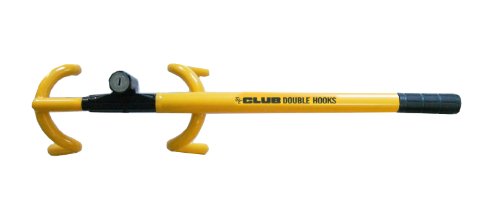
Winner International The Club 3000 Twin Hooks Steering Wheel Lock, Yellow : Automotive
View on AmazonCaveat: Advanced driver-assistance systems can be pricey to repair or recalibrate after a crash or windshield replacement. Savings from fewer injuries may be offset by higher repair costs, depending on the model.
Repair costs and theft rates
Insurers track how often specific vehicles are stolen and how expensive they are to fix. A car with a low theft rate and cheap body parts often costs less to insure than one with a high theft rate or rare parts.
Shopping tip: Before you buy, request insurance quotes for your top two or three vehicles. The difference can be hundreds per year. If your goal is a low-cost-to-insure car, think widely available parts, strong safety ratings, modest horsepower, and standard tires/glass.
3) Coverage selections and usage patterns
Your choices here are fully within your control, and they’re major variables affecting auto insurance rates.
Coverage types and limits
- Liability coverage: Pays for injuries and property damage you cause to others. Higher limits cost more, but they better protect your assets. Minimum state limits are often too low to cover a serious crash. Many drivers choose limits like 100/300/100 or higher (meaning $100,000 per person bodily injury, $300,000 per accident bodily injury, $100,000 property damage).
- Collision coverage: Pays to repair/replace your car after a crash, regardless of fault (minus your deductible, the amount you pay out of pocket before insurance kicks in).
- Comprehensive coverage: Pays for non-crash events (theft, vandalism, weather, fire, animal strikes), also subject to a deductible.
- Uninsured/underinsured motorist (UM/UIM): Covers your injuries if the at-fault driver has too little or no insurance. In some states it also covers property damage.
Typical impact: Each step up in liability limits can add modest cost relative to the protection gained; collision and comprehensive are often the biggest levers for late-model vehicles.
Deductibles
Raising your deductible from $500 to $1,000 usually saves around 10–20% on collision and 5–10% on comprehensive. Only increase deductibles to amounts you can comfortably pay after an accident.
Optional endorsements
- Roadside assistance: Usually a small add-on.
- Rental reimbursement: Covers a rental car while yours is in the shop after a covered loss; typically inexpensive but varies by daily/total limits.
- Gap coverage: If your car is totaled and you owe more than it’s worth, gap helps pay the difference. Required by some lease/loan agreements.
- Rideshare endorsement: If you drive for a rideshare company, you likely need this to close coverage gaps between personal and platform policies. It can add 15–30%, depending on the carrier and market.
Annual mileage and how you use the car
- Commute vs. pleasure: Commuting long distances often costs 5–15% more than low-mileage pleasure use.
- Business use: Higher than personal commute because you’re on the road more and may face riskier situations.
- Low-mileage programs: If you drive under ~7,500–10,000 miles per year, ask about a low-mileage or pay-per-mile option. Savings vary widely, but 5–20% isn’t unusual.
Want more on balancing coverage choices with savings tactics? This guide is a helpful next read: Cheap Auto Insurance: How to Lower Your Premiums & Get Quotes.
The fastest way to see what you would actually pay is to compare quotes from 3–5 carriers, using the same coverage limits and deductibles. It takes minutes and can reveal $300–$800+ per year differences for the exact same driver and car.
4) Location, environment, and legal factors
Where your car is kept (your garaging address—the ZIP code where it stays overnight) is one of the most impactful variables affecting auto insurance rates.
ZIP code and local risk
Insurers track accident frequency, average claim size, theft and vandalism rates, medical and legal costs, even deer-strike and hail patterns. Urban ZIP codes with heavy traffic and higher repair/medical costs often run 20–50% higher than nearby suburban areas. Rural roads can have fewer crashes but more severe ones; outcomes vary by region.
Mitigation ideas:
- Garage the car if possible and add anti-theft features.
- Use a telematics program to earn driver-based discounts that help offset area risk.
- If you’re moving, re-quote; a new ZIP can change your rate dramatically.
Weather and catastrophe exposure
Hail belts, hurricane zones, wildfire-prone regions—these trends flow into comprehensive coverage pricing. You can’t change the weather, but you can:
- Choose higher comprehensive deductibles if you can afford the risk.
- Park under cover to reduce hail or storm damage.
State minimums, regulations, and market dynamics
- State minimum liability limits vary widely. States with very low minimums might feature lower base premiums, but you’ll have less protection.
- Some states restrict using factors like gender or credit-based insurance scores, which shifts how companies price.
- No-fault states (where your own policy can pay certain injury costs regardless of fault) often include personal injury protection (PIP)—a coverage for medical and related expenses after an auto injury—which can raise premiums compared with similar tort states.
Because state rules drive so much of your rate, it often helps to read a state-specific guide when you move or reshop.
5) Insurer practices, discounts, and claims history
Each carrier’s pricing model is different. That’s why the same driver gets five different quotes.
Carrier pricing models and underwriting tiers
- Rating factors and weightings vary by company. Some charge more for a single speeding ticket; others weigh credit more heavily.
- Insurers also use underwriting tiers (risk categories) you can move between at renewal based on your driving and claims history.
Claims history and surcharges
- At-fault claims: Expect 20–50% surcharges for 3–5 years, with the strongest impact in the first 36 months.
- Not-at-fault claims: Usually smaller or no surcharges, but multiple incidents can still affect your rate or eligibility.
- Comprehensive claims: Typically smaller impact unless frequent.
- Claims databases: Most insurers review prior claims through a consumer claims report (often called CLUE). Frequency matters even when severity is low.

Garmin Dash Cam Mini 2, Tiny Size, 1080p and 140-degree FOV, Monitor Your Vehicle While Away w/New Connected Features, Voice Control - 010-02504-00 : Electronics
View on AmazonIf you’ve had recent losses and your current carrier raised your rate sharply, it’s worth shopping now. A competitor may rate your history more leniently.
Common discounts to ask about
- Multi-policy/bundling (home/renters + auto): Often 5–25% combined savings.
- Multi-car: Typically 5–15%.
- Safe driver/accident-free: 10–25% depending on lookback period.
- Telematics/usage-based: Participation discounts up front, with additional savings for good driving.
- Good student and driver training: Especially for young drivers; can stack.
- Anti-theft and safety equipment: 5–15% on applicable coverages.
- Pay-in-full, auto-pay, and paperless: Small but easy wins.
Payment method and credit behavior
Late or returned payments can cause fees and, in some states, affect your rate tier at renewal. Setting up auto-pay and maintaining continuous coverage helps you qualify for “prior insurance” and “continuous insurance” discounts many carriers offer.
What to look for when comparing quotes
Want to keep apples-to-apples comparisons honest? Here’s the playbook.
- Build a baseline package
- Liability: Choose limits that protect your assets (many aim for 100/300/100 or higher; needs vary).
- UM/UIM limits: Consider matching liability where available.
- Collision/comprehensive: Select deductibles you can afford after a loss (commonly $500–$1,000).
- Add-ons: Decide on rental reimbursement, roadside, gap, and rideshare (if applicable).
- Get 3–5 quotes the same day
- Use the same drivers, vehicles, garaging address, coverage, limits, and deductibles.
- Ask each carrier to apply all eligible discounts.
- Evaluate the whole package, not just the price
- Claims handling: Ask about preferred repair networks, OEM vs. aftermarket parts rules, and rental coverage terms.
- Financial strength: Check third-party ratings to gauge the insurer’s ability to pay claims.
- Telematics option: If you’re a cautious driver, a usage-based program can lower costs after a few weeks of data.
- Watch for pitfalls insurers don’t highlight
- Loyalty penalty: Staying put for years can quietly raise your premium if you never shop.
- Surcharge duration: Ask how long tickets/accidents will affect your rate.
- Fees: Some carriers add installment, SR-22, or processing fees that make a “cheaper” quote more expensive over the year.
Need help building your comparison plan and finding savings without cutting coverage? Start here: Cheap Auto Insurance: How to Lower Your Premiums & Get Quotes.
Real-world examples
- Example 1: 35-year-old non-smoker in Texas, clean record, 2019 Honda Accord, 12-mile commute, 100/300/100 liability, $500 comp/collision deductibles. Typical annual premiums might cluster in the $1,100–$1,600 range across carriers, but quotes can be $300–$500 apart for the same coverage because models weigh mileage, credit-based insurance score (if allowed), and ZIP risk differently.
- Example 2: 20-year-old student in Ohio on parents’ policy, one minor speeding ticket, 2016 Toyota Camry. Expect a youthful driver surcharge, plus 10–20% from the ticket. Good student and telematics discounts can offset a chunk of that added cost.
- Example 3: 45-year-old in Florida, at-fault crash last year, 2022 SUV with advanced safety features. The at-fault crash could add 25–40% for several years; anti-theft and safety credits help, but the biggest lever is shopping multiple carriers since some penalize recent at-fault losses more than others.
When to reshop your policy
- A ticket or accident just fell off your record
- You moved or changed jobs/commute
- You paid off a loan (consider raising deductibles or dropping gap)
- Your credit-based insurance score improved (where allowed)
- Your teen just qualified for a good student or driver training discount
- Your rate increased at renewal without changes in your profile
Quick ways to reduce premium—without gutting coverage
- Increase deductibles to levels you can afford in cash.
- Remove collision/comprehensive on an older, low-value car where premiums exceed realistic payout.
- Opt into telematics; drive gently for several weeks to lock in a discount.
- Re-quote with and without certain endorsements to see true value.
- Bundle home or renters insurance for a multi-policy discount.
- Confirm every eligible discount is applied (good student, multi-car, paperless, anti-theft).
Talk to a licensed agent
Rules vary by state and by carrier, and there’s no one-size-fits-all setup. A licensed agent can help you choose liability limits, pick smart deductibles, and find discounts you may have missed based on your exact situation. If your needs are complex (multiple drivers, rideshare, business use), a brief conversation can prevent costly gaps.
Ready to see your real price? The fastest way is to compare quotes from 3–5 carriers using the same coverage and deductibles. Most people find meaningful differences, even with identical profiles.
For a deeper dive on coverage building blocks before you shop, check: Understanding Auto Insurance Coverage Types. And if a few marks on your record have you worried, this guide offers practical next steps: Auto Insurance for High‑Risk Drivers: Finding Coverage, Cutting Costs, and Rebuilding Your Record.
Remember: insurers price risk differently. Reshopping is not disloyal—it’s smart consumer behavior. With a little structure and the tips above, you can take control of the variables affecting auto insurance rates and find a policy that fits your life and your budget—without cutting the protections that matter most.
Recommended Resources
Credit Repair Kit For Dummies (For Dummies (Business & Personal Finance)): Bucci, Steve
Credit Repair Kit For Dummies (For Dummies (Business & Personal Finance)) [Bucci, Steve] on Amazon.com. *FREE* shipping on qualifying offers. Credit Repair Kit For Dummies (For Dummies (Business &
Winner International The Club 3000 Twin Hooks Steering Wheel Lock, Yellow : Automotive
The Club'S Patented Self-Locking Feature Locks With One Pull. Keyless Locking, for ease of use ... The Club 3000 Twin Hooks Steering Wheel Lock is <strong>a part of The Club line of quality produ
Garmin Dash Cam Mini 2, Tiny Size, 1080p and 140-degree FOV, Monitor Your Vehicle While Away w/New Connected Features, Voice Control - 010-02504-00 : Electronics
Buy Garmin Dash Cam Mini 2, <strong>Tiny Size, 1080p and 140-degree FOV, Monitor Your Vehicle While Away w/New Connected Features, Voice Control</strong> - 010-02504-00: On-Dash Cameras - Amazon.com ✓
Related Articles
- Auto Insurance Quotes: Compare Rates & Get a Fast Free Quote
- How Much Is Car Insurance? Average Costs, Factors & Ways to Save
- Auto Insurance in California: Rates, Requirements & How to Save
- How to Lower Car Insurance: 15 Smart Ways to Cut Your Premiums
- Auto Insurance in New York: Rates, Requirements & How to Save
- Best Auto Insurance Discounts: How to Find, Qualify For, and Maximize Savings
- Auto Insurance in Nevada: Rates, Requirements & How to Save
- Auto Insurance in Arizona: Rates, Requirements & How to Save