
How to Lower Car Insurance: 15 Smart Ways to Cut Your Premiums
You just got a renewal notice and the price jumped. Is that normal — and more importantly, how to lower car insurance without sacrificing protection? Here’s what actually moves the needle, how much you can realistically save, and 15 practical tactics you can act on today.
A quick note on expectations: car insurance pricing is personal. Your rate depends on factors like your driving record, vehicle, location, and more. Insurers file their rates with your state and update them regularly. That means two things: your price may change even if you didn’t, and comparison shopping is your best friend.
How much you can realistically save — and the fastest actions
If you’re wondering how to lower car insurance by a meaningful amount, here’s the candid view:
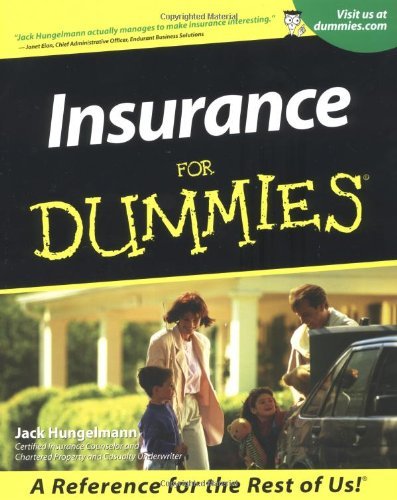
Insurance for Dummies: Hungelmann, Jack
<strong>Manage life, health, and disability risks</strong> ― explore individual and group policies, understand Medicare basics, and evaluate long-term disability and long-term-care insurance ...
Check Price on Amazon- Typical savings range when you shop around: 10%–25%, sometimes more for drivers with clean records
- Stacking discounts (good driver, multi-policy, telematics) can often cut another 5%–20%
- Adjusting your deductible (the amount you pay out of pocket on a claim before insurance pays) can lower premiums 5%–15% depending on the jump
- Dropping optional coverages on older, low-value cars can save substantially — but only when it’s truly safe to do so
Quick wins you can try this week:
- Compare quotes from 3–5 insurers with the same coverage limits and deductibles
- Enroll in a safe-driver telematics program if offered
- Ask your insurer to re-run discounts and check for ones you’re missing
- Raise your comprehensive/collision deductibles if you have enough emergency savings
Want a clear look at current averages and what drives them? See typical monthly costs here: How Much Is Car Insurance Per Month? Average Costs & Ways to Lower It.
What actually drives your car insurance premium
Insurers price risk. Here are the biggest levers they use, and what you can do about each.
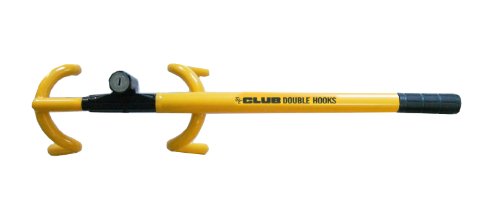
Winner International The Club 3000 Twin Hooks Steering Wheel Lock, Yellow : Automotive
View on Amazon- Age and experience: Newer drivers pay more because they have less driving history. Good news: a clean record over time usually lowers rates.
- Location (your garaging ZIP code): Claim frequency, repair costs, theft rates, and litigation costs vary by area.
- Vehicle: Cars with high repair costs, strong performance, or high theft rates cost more to insure. Safety features and low claim histories help.
- Driving record: At-fault accidents, speeding, DUIs, and claims matter a lot. Violations usually influence rates for 3–5 years, sometimes longer for major offenses.
- Credit-based insurance score (where allowed): In most states, insurers can consider a credit-based insurance score — a measure of how your credit habits correlate with claims — to set rates. States that typically do not allow credit for auto rating include California, Hawaii, and Massachusetts.
- Annual mileage: Lower miles usually means lower risk. Commuters who drive less often pay less, everything else equal.
- Coverage selections: Higher liability limits (the maximum your insurer pays others if you cause an accident), comprehensive and collision on your car, and low deductibles all raise premiums.
Important state rule notes:
- States restrict rating factors differently. Some limit or ban the use of credit, education, occupation, or gender.
- Check your state Department of Insurance (DOI) for what’s allowed, complaint ratios, and consumer guides. Your DOI also lists approved insurers and filed rate changes.
15 practical ways to lower your car insurance
1) Shop and compare quotes regularly
Insurers change rates often, and each company weighs risk differently. Two drivers with the same profile can see very different prices.
- Aim to compare at renewal and after major life changes (move, new car, marriage, improved credit where allowed).
- Always match coverage apples-to-apples: same liability limits, same comprehensive and collision deductibles, and the same add-ons.
- Example: A 35-year-old clean driver in Texas with a 2018 Camry might see quotes ranging 15%–30% apart for identical coverage. The only way to know your number is to compare.
Ready to see real numbers from multiple carriers? Start here: Car Insurance: Compare Quotes & Save on Coverage Today.
2) Bundle policies (home or renters + auto)
Multi-policy discounts reward you for placing multiple lines with the same insurer. Typical savings on auto: 10%–20%.
- You can often bundle auto with homeowners, condo, or renters insurance.
- Always compare the bundle against standalone options. Sometimes two separate companies still beat a bundle.
3) Raise your deductible strategically
Your deductible is what you pay out of pocket before insurance kicks in on comprehensive (non-crash events like theft, hail, flooding) or collision (crashes with another car or object) claims.
- If you move from a $500 to $1,000 deductible, you might save 5%–15% on those coverages, depending on your state and insurer.
- Only raise it if you have the deductible amount set aside in emergency savings.
Example: If increasing your collision deductible saves $120 per year and you rarely file claims, the math may work. But if cash is tight, a higher deductible can backfire when you need repairs.
4) Drop unnecessary coverage for older cars
If your car’s actual cash value (what it’s worth today after depreciation) is low, comprehensive and collision may not be cost-effective.
- Rough rule: If annual comp/collision premiums plus your deductible exceed 10% of your car’s value, consider dropping one or both.
- Do not drop these coverages if you lease or have a loan — lenders usually require them.
- Keep liability coverage strong. It protects your assets if you injure others or damage property.
5) Use discounts you actually qualify for
Discounts vary by company, but common ones include:
- Good driver or accident-free
- Low mileage
- Good student (GPA threshold, typically B average)
- Military or federal employee
- Paperless billing and autopay
- Vehicle safety features (anti-theft, airbags)
Ask your insurer to audit your policy for missing discounts. Many are “set it and forget it,” and people leave money on the table. Dive deeper into discount types here: Insurance Discounts for Safe Drivers: Types, Eligibility & How to Maximize Your Savings.
6) Improve and monitor your credit score (where permitted)
In states that allow credit-based insurance scoring, better credit typically means better premiums.
- Pay on time, reduce balances relative to credit limits, and avoid frequent new accounts.
- Ask for a mid-term re-rate if your credit has significantly improved and your state allows it.
Note: Some states ban the use of credit for auto insurance. Check your state DOI rules.
7) Take a defensive driving course
Many insurers offer a discount when you complete an approved defensive driving course.
- Savings vary, but 5%–10% is common and may last 1–3 years.
- Courses may be online or in-person; confirm it’s on your insurer’s approved list before enrolling.
8) Switch to a safer or cheaper-to-insure car
Vehicles with high repair costs or strong performance can cost more to insure. Cars with lower claim rates, strong safety ratings, and affordable parts tend to be cheaper.
- Before buying, ask your insurer for a “garaging quote” for the specific make, model, and year.
- Example: Moving from a high-powered coupe to a mid-size sedan can often reduce premiums by 10%–20%, all else equal.
9) Reduce annual mileage or carpool
Less time on the road usually means lower risk.
- Ask about mileage brackets. If you commute less (e.g., switch to hybrid work), your rate might drop at your next renewal.
- Some companies require odometer photos or connected-device verification.
10) Use telematics or usage-based programs
Telematics programs monitor driving via an app or device — things like braking, acceleration, time of day, and miles driven — and can adjust premiums accordingly.
- Typical results: a participation discount upfront, with bigger savings for safe driving patterns over time.
- Read the fine print. Some programs can raise rates for risky driving; others only offer discounts.
11) Maintain a clean driving record
Tickets and at-fault accidents weigh heavily on rates.

Garmin Dash Cam Mini 2, Tiny Size, 1080p and 140-degree FOV, Monitor Your Vehicle While Away w/ New Connected Features, Voice Control (Renewed) : Electronics
View on Amazon- Drive defensively, obey limits, and avoid distracted driving.
- If you do get a ticket, explore traffic school options where allowed to keep points off your record.
- Claims-free periods can unlock loyalty or safe-driver discounts.
12) Remove high-risk drivers from your policy when appropriate
Every listed driver impacts your rate. If someone moves out or gets their own insurance, update your policy.
- You can often “exclude” a driver in writing, which means your policy won’t cover them at all. Use with caution; it’s usually irrevocable during the term.
- If your teen moves to college without a car, ask about a resident student discount instead of fully removing them.
13) Keep continuous coverage to avoid surcharges
Gaps in coverage can trigger higher prices when you start a new policy.
- Even if you’re between cars, consider a non-owner policy to maintain continuous coverage history.
- Set up auto-renew reminders so you don’t accidentally lapse.
14) Ask about employer or association discounts
Many insurers offer group discounts through employers, alumni associations, professional groups, or credit unions.
- Provide your HR or membership details when quoting.
- Savings are usually modest but stackable with other discounts.
15) Consider pay-per-mile or short-term options
- Pay-per-mile: You pay a low base rate plus a per-mile charge. Great for low-mileage drivers who put few miles on the odometer each month.
- Short-term or monthly policies: Useful for temporary needs, but watch for fees and limited coverage. True short-term auto insurance isn’t available in all states; many “temporary” products are standard policies you can cancel monthly.
How to compare quotes effectively (and fairly)
Make insurers compete for your business — but compare the same coverage apples-to-apples.
Match these items across all quotes:
- Liability limits: Bodily injury per person/per accident and property damage. Many drivers choose at least 100/300/100, but choose limits that protect your assets.
- Uninsured/underinsured motorist: Covers you if the other driver has too little or no insurance. Match these to your liability where possible.
- Medical payments or personal injury protection (PIP): Pays medical bills for you/your passengers regardless of fault. Requirements vary by state.
- Comprehensive and collision: Note whether each is included and at what deductible.
- Endorsements and exclusions: Add-ons like roadside assistance, rental reimbursement, gap coverage (covers the loan/lease difference if your car is totaled), rideshare coverage, or custom equipment coverage.
- Out-of-pocket: Confirm deductibles and any per-claim caps. Know exactly what you’d pay in common scenarios.
Sample comparison checklist you can copy into a notes app:
- Vehicle(s) and VINs match on all quotes
- Liability limits: //___ on every quote
- UM/UIM: /; MedPay or PIP: $___
- Comp deductible: $; Collision deductible: $
- Add-ons: roadside, rental, gap, rideshare — check yes/no and price
- Discounts applied: multi-policy, telematics, pay-in-full, good driver, student, etc.
- Total 6-month and 12-month premium; monthly cost; fees
- Effective date and any binding conditions
Want a shortcut with education and tools? Try this resource: Cheap Auto Insurance: How to Lower Your Premiums & Get Quotes.
When to adjust coverage vs. when not to
It’s smart to tailor coverage — but know where not to cut corners.
Consider adjusting when:
- Your car’s value is low enough that comp/collision no longer make sense
- You’ve built emergency savings that can cover a higher deductible
- Your financial situation has improved, and you can raise liability limits to better protect assets (yes, this can reduce long-term risk even if it raises premiums a bit)
Hold the line and don’t reduce coverage when:
- You lease or finance the vehicle (lender requirements apply)
- You can’t comfortably pay a higher deductible out of pocket
- You drive frequently in high-traffic or high-lawsuit areas; higher liability limits are prudent
Simple test: If your car is worth $4,000 and you’re paying $600 per year for comp/collision with a $1,000 deductible, you may be paying too much for the potential payout. But if you owe money on the car, dropping coverage could violate your loan and expose you to big repair bills.
Common mistakes that raise premiums — and how to fix them
- Letting coverage lapse: Even a short lapse can add surcharges. Fix it by arranging replacement coverage before canceling the old policy.
- Unpaid tickets or missed court dates: These can hit your motor vehicle record. Resolve them promptly and explore traffic school options where allowed.
- Listing young drivers incorrectly: If your teen primarily drives an older, cheaper car, make sure they’re assigned to that vehicle in the policy system.
- Skipping discount updates: Life changes (moving, new job, better grades, added safety features) can unlock new savings. Ask for a discount checkup each renewal.
- Not updating annual mileage: Hybrid or remote work? Report lower mileage and verify with your insurer if requested.
What to do next: your 6‑month savings checklist
Here’s a practical plan to put this guide to work:
Month 1
- Pull your current declarations page (the summary of coverages, limits, and premiums) and list your coverage must-haves
- Compare 3–5 quotes with the same limits and deductibles
- Enroll in a telematics program if offered
Month 2–3
- Ask your insurer for a discount audit (multi-policy, low mileage, good driver, paperless, employer/association)
- Decide whether to adjust deductibles; set aside funds if increasing
Month 4–6
- Take a defensive driving course if your insurer offers a discount
- Re-check mileage and car usage; consider pay-per-mile if you drive very little
- Put renewal reminders in your calendar 30 days before your policy expires
Documents to have ready for quotes
- Driver’s license numbers for all household drivers
- Vehicle identification numbers (VINs) and current odometer readings
- Garaging address and commute details
- Current policy declarations page
Trust signals to look for when you shop
- Licensed agents and carriers in your state (check your state DOI site for license lookups)
- Clear coverage explanations and fees disclosed up front
- Secure website (https) and a transparent privacy policy
The fastest way to see what you would actually pay is to compare quotes from multiple carriers side by side. Start your comparison here: Car Insurance: Compare Quotes & Save on Coverage Today.
A quick example to put the pieces together
Say you’re a 35-year-old non-smoker in Texas driving a 2018 Toyota Camry, clean record, 10,000 miles/year, and you carry 100/300/100 liability, $500 deductibles for comp/collision.
- You shop five carriers and find a 20% spread between the best and worst quote
- You raise deductibles to $1,000 and save another ~8% (only because you have an emergency fund)
- You enroll in a telematics program and drive carefully for 90 days, earning a 10% discount at renewal
- You switch to paperless and autopay for a small additional discount
Result: Without cutting core protection, you stacked three changes for meaningful savings. Actual numbers vary by insurer and state, but the approach holds almost everywhere.
When to ask a licensed agent for help
If you’ve had recent claims, multiple drivers, a leased vehicle, or questions about state rules and required coverages, speak with a licensed agent in your state. They can explain how your deductible, limits, and endorsements affect both cost and protection. No one can promise a specific rate, but a knowledgeable agent can help you choose the right mix for your budget and risk tolerance.
One more resource to keep handy if you’re still benchmarking costs: How Much Is Car Insurance? Average Costs, Factors & Ways to Save.
Take action today
- Get 3–5 quotes with matched coverages
- Enroll in telematics and check for missing discounts
- Adjust deductibles only if your savings fund can cover them
- Set a reminder to re-shop every 6–12 months
You don’t have to overhaul everything to save. A few well-chosen moves — paired with smart shopping — typically deliver the best results when you’re deciding how to lower car insurance.
Recommended Resources
Insurance for Dummies: Hungelmann, Jack
<strong>Manage life, health, and disability risks</strong> ― explore individual and group policies, understand Medicare basics, and evaluate long-term disability and long-term-care insurance ...
Garmin Dash Cam Mini 2, Tiny Size, 1080p and 140-degree FOV, Monitor Your Vehicle While Away w/ New Connected Features, Voice Control (Renewed) : Electronics
Amazon.com: Garmin Dash Cam Mini 2, <strong>Tiny Size, 1080p and 140-degree FOV, Monitor Your Vehicle While Away w/ New Connected Features, Voice Control</strong> (Renewed) : Electronics
Winner International The Club 3000 Twin Hooks Steering Wheel Lock, Yellow : Automotive
The Club'S Patented Self-Locking Feature Locks With One Pull. Keyless Locking, for ease of use ... The Club 3000 Twin Hooks Steering Wheel Lock is <strong>a part of The Club line of quality produ
Related Articles
- Cheap Auto Insurance: How to Lower Your Premiums & Get Quotes
- Affordable Auto Insurance for Families: Smart Ways to Cut Costs Without Sacrificing Protection
- How to Save on Life Insurance: Practical Ways to Lower Your Premiums
- How to Save on Renters Insurance: Smart Ways to Lower Your Premium
- Affordable Car Insurance for Young Adults: Practical Ways to Lower Your Premiums
- How to Lower Your Renters Insurance Premiums: Smart Savings Strategies and Trade-Offs
- Cheap Car Insurance: How to Save on Coverage & Get Fast Quotes
- How to Find Cheap Life Insurance: Smart Ways to Lower Your Premiums Without Sacrificing Coverage