
How Much Is Car Insurance? Average Costs, Factors & Ways to Save
You just got a quote and the number surprised you. Is that normal? If you’re wondering how much is car insurance, here’s the quick, honest answer: it depends on you, your car, your coverage, and your state. But there are reliable national averages and clear levers you can pull to pay less—without cutting important protection.
Below, we break down real-world costs, what actually drives your premium, examples for different driver profiles, and smart ways to save. The fastest way to see what you would actually pay is to compare quotes from 3–5 carriers—more on that in the checklist near the end.
How much is car insurance? Quick answer and national averages
If you want a ballpark before diving into the details, here’s what most drivers typically see in 2024:
- Full coverage: usually $1,800–$2,200 per year ($150–$185 per month)
- Minimum required coverage: usually $500–$800 per year ($40–$70 per month)
Full coverage usually means liability plus collision and comprehensive. Minimum coverage is the least your state requires—mostly liability (the part that pays others if you’re at fault). Your numbers may land outside these ranges depending on your state, vehicle, driving record, credit (where allowed), and discounts.
Want monthly breakdowns and savings ideas? See our guide to typical monthly costs: How Much Is Car Insurance Per Month?
What determines your car insurance cost — 8 key factors
Insurers use a rating formula with dozens of inputs. These are the heavy hitters you can actually influence over time.

Your Credit Score: How to Improve the 3-Digit Number That Shapes Your Financial Future: Weston, Liz
Weston thoroughly covers brand-new laws and rules surrounding credit scoring ― including some surprising good news and some frightening new risks. Don’t settle for an out-of-date guide to credit scori
Check Price on Amazon- Age and driving experience
- Newer drivers—especially teens—pay the most because they’re statistically higher risk. Rates usually fall at 25 and keep easing into your 30s and 40s if you keep a clean record.
- Vehicle type and value
- Expensive cars, high-performance models, and vehicles with costly parts often carry higher collision (repairs to your car) and comprehensive (non-crash events like theft) premiums.
- Safety equipment and crash-avoidance tech can help. Some vehicles also have lower theft rates, which reduces comprehensive premiums.
- Driving record
- Tickets, at-fault accidents, and DUIs can raise rates—sometimes by 20–100% depending on severity and your state. Surcharges usually last 3–5 years.
- Credit (where allowed)
- Many states let insurers use a credit-based insurance score. Better credit usually means lower premiums. Not every state allows this. For example, California, Hawaii, and Massachusetts generally don’t allow credit to be used in auto insurance pricing.
- Location and garaging
- Urban areas with more traffic, higher repair costs, or higher theft rates tend to be pricier. Even your ZIP code and where you park (garage vs. street) can matter.
- Coverage choices and limits
- Higher liability limits, lower deductibles (the amount you pay out of pocket before insurance kicks in), and optional add-ons like rental reimbursement or roadside assistance increase your premium.
- Annual mileage
- The more you drive, the higher your crash exposure. Low-mileage drivers often pay less and may qualify for usage-based programs.
- Discounts and bundling
- Safe-driver, multi-policy (home + auto), multi-car, telematics, good student, and employer/affinity discounts can add up. Stacking several small discounts often beats hunting for one big one.
Average premiums by state and how state minimums affect price
Your state’s insurance rules and claim costs play a big role in what you pay. Minimum requirements also vary, which can make “minimum coverage” much cheaper in one state than another.
Here are three examples to show how state rules shape premiums. Always check your state’s official sources for the latest requirements:
- California: Historically 15/30/5 for liability (that’s $15,000 bodily injury per person/$30,000 per accident/$5,000 property damage). State law has increased these limits over time; verify current minimums with the California Department of Insurance.
- Texas: 30/60/25 is the minimum liability limit. See the Texas Department of Insurance for details and consumer tips.
- New York: 25/50/10 liability plus required Personal Injury Protection (PIP — coverage for your medical costs regardless of fault) and uninsured motorist coverage. Check the New York State Department of Financial Services or NY DMV.
Why this matters: Minimums protect you only up to those amounts. If you cause $50,000 in damage but carry $10,000 property damage liability, you could be personally responsible for the rest. Many drivers choose higher limits (like 100/300/50 or 250/500/100) to better protect savings and future income.
As a rule of thumb, states with higher medical and repair costs, more traffic density, severe weather, or higher litigation trends often have higher average premiums. Rural, low-traffic states with lower claim costs often come in cheaper.
Sample premium scenarios: typical costs for different driver profiles
These examples are directional—not quotes. Real rates vary by state, carrier, and your exact details. Assumes clean records unless noted.
Teen driver (18-year-old added to a parent’s policy):
- Full coverage increase: often $1,500–$3,000 per year added to the family policy; stand-alone teen policies can run $3,000–$6,000+.
- Tips: Good student and driver training discounts can help. Shopping multiple carriers makes a big difference for teens.
Young adult (25-year-old, clean record, 2019 Honda Accord, 12,000 miles/year):
- Full coverage: typically $1,400–$2,200/year depending on state and credit rules.
- Minimum coverage: typically $450–$750/year.
Married 40-year-old with a clean record, 2021 Toyota RAV4, suburban ZIP:
- Full coverage: typically $1,100–$1,700/year; multi-car and bundling discounts can push this lower.
One speeding ticket (15 mph over) for otherwise clean 30-year-old:
- Full coverage: often 10–25% higher at renewal; some carriers forgive the first minor ticket, others surcharge immediately.
Good credit vs. poor credit (where credit is used):
- In many states, moving from excellent to poor credit can double a premium. In states that restrict credit-based insurance scores (e.g., CA, HI, MA), this won’t apply.
Urban vs. rural (same 35-year-old driver, same car, same coverages):
- Dense city ZIP: often $500–$1,000 more per year due to higher claim frequency and costs.
Again, these are typical ranges. Actual prices vary by driver, vehicle, and state rules.
Coverage breakdown — how each part changes your rate
Think of your policy as layers. Each layer affects your price differently.
Bodily injury liability and property damage liability: Pays others if you’re at fault. Higher limits cost more but protect your assets. If your limits are shown as 100/300/50, that means up to $100,000 per person, $300,000 per accident, and $50,000 for property damage.
Collision: Pays to repair or replace your car after a crash, regardless of fault (minus your deductible). Higher deductibles usually lower your premium; lower deductibles raise it.
Comprehensive: Covers non-crash damage—theft, vandalism, fire, hail, flood, hitting an animal (again, minus your deductible). Often cheaper than collision but still a significant line item.
Uninsured/Underinsured Motorist (UM/UIM): Helps if you’re hit by a driver with too little or no insurance. In some states, this can be as important as your liability limits.
Personal Injury Protection (PIP) or Medical Payments (MedPay): PIP covers medical bills (and sometimes lost wages) regardless of fault in no-fault states; MedPay is a simpler version available in many states. Required or optional depending on where you live.
Add-ons: Roadside assistance, rental reimbursement, gap coverage (covers the difference between your loan/lease balance and your car’s actual cash value after a total loss), OEM parts coverage. Each adds cost but can be valuable based on your situation.
Want a deeper dive into what full coverage includes and how each piece affects your rate? See our guide: Full Coverage Car Insurance Cost: A Complete Guide to Rates & Savings
Practical ways to lower your car insurance
You don’t have to guess. Here are proven, practical moves most drivers can make. Some save a little, some a lot—stack them for best results.
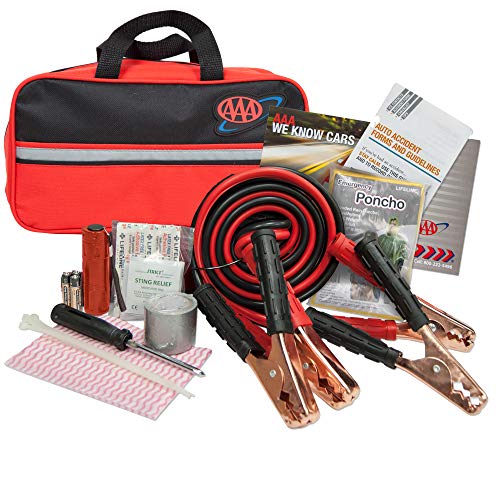
Lifeline AAA Premium Road Kit, 42 Piece Emergency Car Kit with Jumper Cables, Flashlight and First Aid Kit,4330AAA,Black : Everything Else
View on Amazon
Garmin Dash Cam 57, 1440p and 140-degree FOV, Monitor Your Vehicle While Away w/New Connected Features, Voice Control, Compact and Discreet, Includes Memory Card : Electronics
View on Amazon- Right-size your liability limits: Don’t go bare-bones if you have assets, but avoid overbuying specialty add-ons you’ll never use. Aim for solid liability (often 100/300/50 or higher) while trimming extras you don’t need.
- Adjust deductibles: Raising your collision and comprehensive deductibles from $250 to $500 or $1,000 can lower premiums. Just keep an emergency fund to cover that higher out-of-pocket.
- Consider dropping collision/comprehensive on older cars: If your vehicle’s value is close to the deductible plus premium cost, it may not be worth carrying physical damage coverage.
- Bundle policies: Home/renters + auto often cuts 10–25% off, depending on the carrier.
- Telematics/usage-based insurance (UBI): A driving app or device tracks braking, speeding, time of day. Safe driving can earn discounts, but risky driving might reduce them. Know the rules before you enroll.
- Low-mileage and commute changes: If you now work from home or drive less than 7,500 miles/year, ask for a rating update or a pay-per-mile program.
- Defensive driving/course credits: Approved courses can reduce points or earn a small discount—especially helpful after a minor ticket, depending on your state.
- Good student and student-away: For families with teens or college students.
- Vehicle safety features: Verify your VIN is coded for the latest safety discounts.
- Credit hygiene (where allowed): Paying on time and reducing balances generally improves your insurance score over time.
- Shop regularly: Prices shift as carriers update their models. Check every 6–12 months or after life events—move, marriage, new job, new car.
Want more savings tactics and step-by-step tips? Explore: Cheap Auto Insurance: How to Lower Your Premiums & Get Quotes
Consumer tip: Loyalty doesn’t always pay. Some insurers quietly increase renewal prices assuming you won’t shop. Comparing keeps them honest.
How to get accurate quotes and compare offers
Here’s your quick checklist to make apples-to-apples comparisons and avoid surprise fees.
- Gather your info
- Driver’s license numbers for all drivers
- VINs (vehicle identification numbers)
- Current mileage and average annual miles
- Garaging address (where the car sleeps)
- Your current declarations page (shows your coverages, limits, and deductibles)
- Decide your coverage targets before you shop
- Liability: e.g., 100/300/50 or higher if you have assets
- Collision/Comprehensive deductibles: e.g., $500 or $1,000
- Add-ons you care about: UM/UIM, PIP/MedPay, rental car, roadside, gap, OEM parts
- Get quotes from 3–5 carriers or marketplaces
- Use the same limits and deductibles each time. If one quote is much cheaper, confirm it didn’t sneak in lower limits or higher deductibles.
- Ask these questions
- How are repairs handled—preferred shops only, OEM vs. aftermarket parts?
- Is rental car coverage included? What’s the daily limit?
- What glass deductible applies for windshield claims?
- Do you offer accident forgiveness? What are the rules?
- How does telematics work—can my rate go up or only down?
- Are there policy fees, installment fees, or app fees?
- Evaluate beyond price
- Check financial strength (e.g., AM Best rating) and claims satisfaction.
- Review cancellation terms and any early-termination fees.
- Lock it in—without a lapse
- Set the new policy to start the same day the old one ends. A lapse, even a short one, can raise your rate later.
Ready to see your real price? The fastest way to check your number is to compare personalized quotes side by side: Car Insurance Quotes: Compare Rates & Get Personalized Quotes Fast
Note: For personalized coverage advice, speak with a licensed agent. They can help match limits to your budget and risk tolerance.
Frequently asked questions
Is credit used to price car insurance?
- In many states, yes. A credit-based insurance score can influence your rate. But a few states restrict or prohibit this (e.g., California, Hawaii, Massachusetts). Rules change, so check your state regulator’s site.
Will a ticket raise my rate?
- Typically yes, at your next renewal. A minor speeding ticket can add roughly 10–25% depending on carrier and state. Multiple tickets or at-fault accidents have a larger impact and can last 3–5 years on your rating.
How much does an SR-22 cost?
- The SR-22 is a state filing proving you carry required insurance after certain violations. The filing fee is usually modest ($15–$50), but the underlying violation (e.g., DUI) often drives a much higher premium. The required filing period is commonly around 3 years, varying by state.
How often should I shop my car insurance?
- Every 6–12 months, and after major changes: moving, adding or removing a driver, buying a car, marriage/divorce, a ticket or accident, or big credit changes (where allowed).
Is paying monthly more expensive than paying in full?
- Often yes. Many insurers add installment or billing fees. Paying in full can earn a discount in most cases.
Can usage-based insurance backfire?
- It can if you routinely drive late at night, hard-brake, or speed—factors some programs weigh heavily. Read the program terms and consider a trial period if available.
What’s the cheapest legal coverage I can buy?
- Minimum liability coverage in your state is the floor. It’s the cheapest upfront, but it may expose your assets after a serious crash. Many drivers step up to higher limits for better long-term protection.
Your next step
If you just want the bottom line on how much is car insurance for you specifically, get quotes from a few top carriers using the same coverage settings. It takes about 10 minutes and can save you hundreds a year—especially if you haven’t shopped lately. Start here to compare personalized rates: Car Insurance Quotes: Compare Rates & Get Personalized Quotes Fast
And if you’re unsure about coverage limits or deductibles, a quick conversation with a licensed agent can help you right-size your policy so you’re not overpaying or underinsured.
Recommended Resources
Your Credit Score: How to Improve the 3-Digit Number That Shapes Your Financial Future: Weston, Liz
Weston thoroughly covers brand-new laws and rules surrounding credit scoring ― including some surprising good news and some frightening new risks. Don’t settle for an out-of-date guide to credit scori
Garmin Dash Cam 57, 1440p and 140-degree FOV, Monitor Your Vehicle While Away w/New Connected Features, Voice Control, Compact and Discreet, Includes Memory Card : Electronics
Buy Garmin Dash Cam 57, 1440p and 140-degree FOV, Monitor Your Vehicle While Away w/New Connected Features, Voice Control, Compact and Discreet, Includes Memory Card: On-Dash Cameras - Amazon.com ✓ FR
Lifeline AAA Premium Road Kit, 42 Piece Emergency Car Kit with Jumper Cables, Flashlight and First Aid Kit,4330AAA,Black : Everything Else
Amazon.com: <strong>Lifeline AAA Premium Road Kit</strong>, 42 Piece Emergency Car Kit with Jumper Cables, Flashlight and First Aid Kit,4330AAA,Black : Everything Else
Related Articles
- How Much Is Homeowners Insurance? Average Costs, By State & How to Save
- How Much Is Car Insurance Per Month? Average Costs & Ways to Lower It
- Auto Insurance in California: Rates, Requirements & How to Save
- What Affects Your Auto Insurance Rate: Key Variables Explained
- How to Lower Car Insurance: 15 Smart Ways to Cut Your Premiums
- Auto Insurance in Nevada: Rates, Requirements & How to Save
- Auto Insurance Quotes: Compare Rates & Get a Fast Free Quote
- Car Insurance for 18-Year-Olds: Costs, Discounts & How to Get Quotes