
Auto Insurance for High‑Risk Drivers: Finding Coverage, Cutting Costs, and Rebuilding Your Record
You’re shopping for auto insurance for high‑risk drivers and the quotes are eye‑watering. Is there a way to get covered without wrecking your budget—and how long until your rates drop? Here’s what actually matters, what options you have, and the smartest path back to standard rates.
Auto insurance for high‑risk drivers: what it actually means
“High‑risk” is insurer‑speak for drivers a company expects will file more (or more expensive) claims. It’s not a moral judgment; it’s math. Auto insurance for high‑risk drivers typically costs more, may have stricter payment terms, and can come from a different set of companies than the ones advertising the lowest rates on TV.
Who counts as high‑risk—and the common triggers
You’ll typically be treated as high‑risk if one or more of the following applies:
- DUI/DWI or OWI convictions (alcohol or drug‑related driving)
- Multiple at‑fault accidents (you caused the crash)
- Major violations (reckless driving, racing, driving 25+ mph over the limit)
- Multiple speeding tickets or moving violations in a short period
- License suspension or revocation
- Lapse in coverage (a gap in insurance), even if you didn’t drive
- Young or inexperienced driver status (often under age 25)
- Very poor credit‑based insurance score (where allowed by law)
Why these matter: Insurers price based on expected losses. A DUI or recent at‑fault crash signals a higher chance you’ll have another expensive claim soon.
How insurers score risk
Insurers combine several data points to place you in an underwriting tier (a pricing category). Common inputs include:
- Motor Vehicle Report (MVR): your state driving record, including tickets, suspensions, and DUIs
- Claims history via CLUE (Comprehensive Loss Underwriting Exchange): past auto claims tied to you/your VIN
- Prior insurance continuity: continuous coverage generally earns better rates
- Credit‑based insurance score: in many states, credit patterns correlate with claim frequency; banned or restricted in some states (for example, typically not used in California, Hawaii, and Massachusetts)
- Vehicle type and usage: high‑performance cars or long commutes often cost more
- Location: theft, weather, medical costs, and litigation trends vary by ZIP code
Typical premium impacts (ballpark ranges—not quotes)
Actual pricing varies widely by state and company, but to set expectations:
- One minor speeding ticket: often 10%–25% increase for 3 years
- At‑fault accident with property damage: often 20%–50% increase for 3–5 years
- Major violation (reckless, 25+ over): often 40%–80% increase
- DUI/DWI: commonly 50%–150%+ increase, plus a state filing requirement (SR‑22 or FR‑44 in some states)
Example: Say you’re a 28‑year‑old in Ohio with a clean record paying $1,400/year. A DUI could push you into the $2,500–$4,000+ range in year one, depending on your insurer, coverage, and county. That’s not a promise—just a realistic window many drivers see.
Your coverage options and where to buy
When you need auto insurance for high‑risk drivers, the market looks a little different. You have three main avenues.
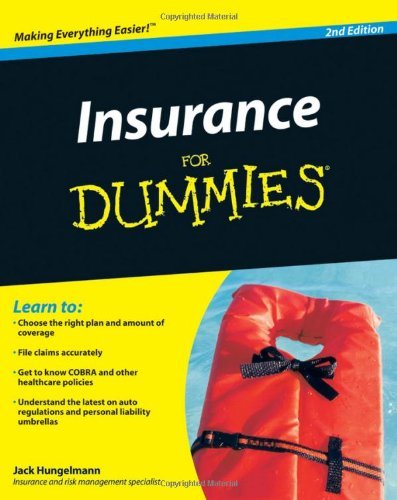
Insurance For Dummies?: Hungelmann, Jack
Whether you’re a homeowner or ... need on: ... Author Jack Hungelmann <strong>uses his twenty-five years of experience in the insurance industry to make buying insurance as simple as possible</strong>
Check Price on AmazonNon‑standard (high‑risk) insurers
What it is: Companies that specialize in drivers with DUIs, multiple tickets, lapses, or little driving history. They’re often called the “non‑standard market.”
What to expect:
- Coverage: Liability (pays others if you cause injuries/damage), optional collision and comprehensive, and sometimes fewer bells and whistles
- Pricing: Higher than standard carriers, but still competitive if you compare a few
- Payment terms: More frequent billing or down payments are common
- Flexibility: Experienced at filing SR‑22s and handling reinstatements
Tradeoffs: You may see lower maximum limits or fewer optional coverages with some carriers. Claims and service can vary more, so check reviews and complaint ratios with your state Department of Insurance.
State assigned‑risk plans (the true last resort)
What it is: If you’re turned down by several insurers, your state’s assigned‑risk pool (administered through AIPSO in most states) guarantees you can buy the legally required liability coverage. The state “assigns” you to a participating insurer.
What to expect:
- Availability: Typically requires documented denials from standard carriers
- Pricing: Usually the most expensive option in your state
- Limits: Often limited to state minimum liability limits and basic options
- Duration: Use it as a bridge while you improve your record, then re‑shop
Tradeoffs: It’s coverage, but it’s bare‑bones and pricey. If you need to drive legally tomorrow and can’t find a market, this keeps you on the road while you work on your eligibility.
SR‑22 and FR‑44 filings—what they are (and aren’t)
- SR‑22: Not insurance. It’s a state filing your insurer sends to the DMV to prove you carry at least the minimum required liability coverage. Typical requirement: about 3 years, depending on your state and violation.
- FR‑44: Similar to SR‑22 but requires higher liability limits; currently used mainly in Virginia and Florida after certain DUI‑related offenses.
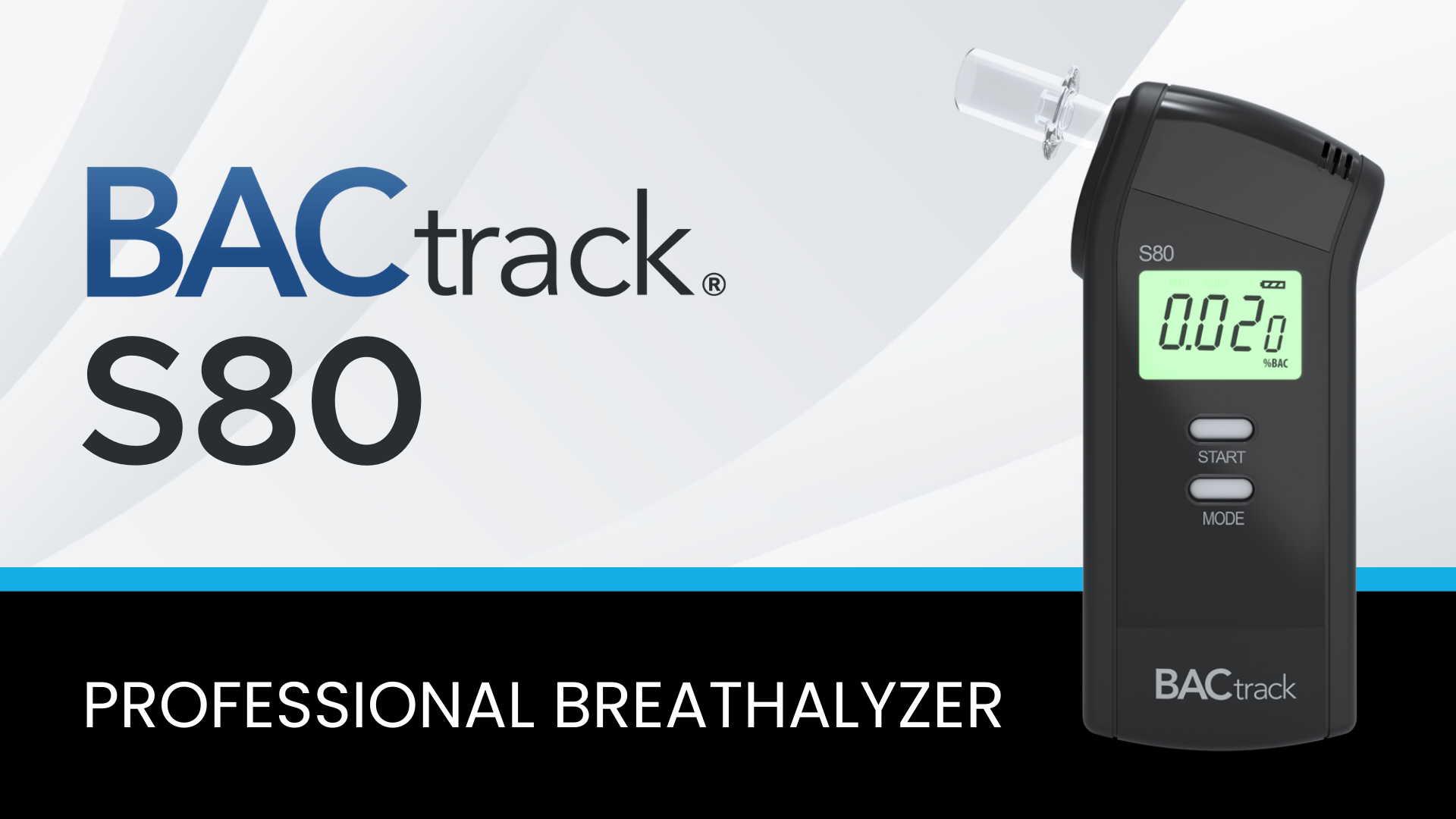
BACtrack S80 Breathalyzer | Professional-Grade Accuracy | DOT & NHTSA Approved | FDA 510(k) Cleared | Portable Breath Alcohol Tester for Personal & Professional Use | FSA/HSA Eligible
View on AmazonCosts and logistics:
- Filing fee: Usually $15–$50 one‑time per policy term (varies by insurer)
- Premium: The filing itself is inexpensive; the violation driving the filing is what spikes the rate
- Cancellation risk: If your policy cancels for nonpayment, your insurer notifies the state and your license can be re‑suspended. Set up autopay if you can.
Coverage limits and smart tradeoffs
- Liability limits: Consider going above the minimums. Minimums like 25/50/25 (that’s $25,000 bodily injury per person/$50,000 per accident/$25,000 property damage) are quickly exhausted in serious accidents. 100/300/100 is a common step‑up if your budget allows.
- Collision and comprehensive: These cover your car. Each has a deductible (the amount you pay out of pocket before insurance pays), commonly $500–$1,000. If your car is older/low value, you may choose liability‑only—but balance that with what you’d do if your car were totaled.
- Add‑ons: Roadside assistance, rental reimbursement, gap coverage—helpful, but prioritize keeping continuous liability coverage first.
Ready to see real numbers? The fastest way to know what you’d actually pay is to compare quotes from 3–5 carriers side by side. Start with our guide to lowering premiums and getting quotes: Cheap Auto Insurance: How to Lower Your Premiums & Get Quotes
Proven ways to cut costs and rebuild eligibility
Here’s the playbook that works in most cases. You won’t flip a switch overnight, but you can chip away at costs and position yourself for better tiers.
Stack the easy discounts
- Vehicle safety features: Anti‑lock brakes, airbags, anti‑theft devices can help
- Multi‑policy (bundling): Combine auto and renters/home for a discount, typically 5%–20%
- Paid‑in‑full or EFT: Paying the term upfront or via automatic bank draft often reduces fees
- Paperless and telematics signup: Many carriers give a small upfront discount for enrolling
For a deeper list and how to qualify, see: Insurance Discounts for Safe Drivers: Types, Eligibility & How to Maximize Your Savings
Consider a defensive‑driving course
A state‑approved defensive‑driving course can sometimes remove points or earn a discount (often 5%–10%). Check your DMV and your insurer before enrolling—some companies only apply the discount in specific situations, and rules vary by state.
Try a usage‑based program (telematics)—with eyes open
Usage‑based insurance tracks driving via an app or plug‑in device, scoring things like hard braking, speeding, phone distraction, and time of day.
- Upside: Safe habits can earn sizeable discounts (often 5%–30%) over time
- Caution: In some programs, risky driving can increase your premium at renewal; ask the carrier whether surcharges are possible and how new drivers are scored
Add an experienced driver or adjust vehicles strategically
- Households: Adding a spouse or roommate with a strong record can sometimes lower the overall premium because risk is averaged across drivers and vehicles. The reverse is also true—don’t put a very high‑risk driver on every vehicle if they don’t need to drive all of them.
- Vehicle choice: High‑performance or luxury cars cost more to insure. A modest, highly rated safety vehicle can cut hundreds a year in premium.
If you’re under 25, a few youth‑specific moves can help. We break those down here: Affordable Car Insurance for Young Adults: Practical Ways to Lower Your Premiums
Keep continuous coverage—no lapses
Even 30 days without insurance can raise your rate when you restart. If money is tight, ask your insurer about:
- Higher deductibles to lower the monthly bill
- Moving to liability‑only temporarily if your car is paid off and older
- Flexible billing dates or installment plans
- Non‑owner SR‑22 policies if you don’t own a car but need to reinstate your license
Shop strategically and re‑shop on milestones
- Shop now: Compare multiple high‑risk carriers; prices vary wildly by company and state
- At 12 months claim‑/ticket‑free: Re‑shop; some carriers reward the first clean year heavily
- At 36 months clean: Many violations “fall off” most rating models
- After SR‑22/FR‑44 lifts: Re‑shop again; dropping the filing often opens more companies and better pricing
Realistic timelines for premium relief
- Minor ticket: Often priced for 3 years
- At‑fault crash: Often priced for 3–5 years
- DUI: Surcharge impact typically 3–7 years; in some states, it stays on your record longer (e.g., California keeps a DUI on record for 10 years for penalty purposes)
Remember: Each state and insurer is different. The timeline is a guide, not a guarantee.
State‑specific rules and resources you should know
Auto rules are state law. The differences matter.
- Minimum liability limits: Vary widely. Many states use minimums like 25/50/25, while others are higher. Choosing only the minimum can leave you personally on the hook after a serious crash.
- Personal Injury Protection (PIP) and MedPay: Required or optional depending on the state. For example, Michigan’s no‑fault system and PIP rules are unique—see our overview: Auto Insurance in Michigan: Rates, Requirements & How to Save
- SR‑22 requirements: Most states require an SR‑22 for certain violations for about 3 years. Miss a payment and your insurer files an SR‑26 (cancellation), which can trigger re‑suspension.
- FR‑44: Currently used mainly in Virginia and Florida, with higher required liability limits than SR‑22 cases.
- Reinstatement: Expect to show proof of insurance, pay reinstatement fees, and sometimes complete courses or ignition‑interlock requirements after a DUI—timelines vary.
Where to verify the rules for your case:
- Your state DMV or Department of Public Safety website (SR‑22/FR‑44 steps, reinstatement)
- Your state Department of Insurance (complaint ratios, consumer guides, filing rules)
- AIPSO.org (assigned‑risk auto information by state)
When to use an independent agent or broker: If you’ve been declined by multiple carriers, need an SR‑22/FR‑44 immediately, or aren’t sure how to structure coverage, a licensed independent agent can shop multiple non‑standard markets at once and explain the tradeoffs in plain English.
Practical next steps: documents, quotes, reading terms, and a road map back to standard rates
What to gather before you quote
- Driver’s license numbers for all household drivers
- Vehicle identification numbers (VINs) and mileage
- Prior policy declarations page (shows your current limits and deductibles)
- Dates/details of tickets, accidents, suspensions, or DUIs
- Court/DMV paperwork if you need an SR‑22 or FR‑44 (know the required start date and state minimum limits)
How to compare quotes the right way
- Set consistent limits: Quote at least one strong liability option (for example, 100/300/100) alongside the state minimum so you can see the cost/benefit.
- Keep deductibles consistent: For collision and comprehensive, compare the same deductibles (e.g., $500 or $1,000) across carriers.
- Ask about fees: Some non‑standard carriers charge policy fees or higher installment fees. Compare the total 6‑ or 12‑month cost, not just the first payment.
- Confirm the filing: If you need an SR‑22/FR‑44, make sure the quote includes it and ask how and when it will be filed.
- Telematics terms: Will risky driving raise your premium? Is there a trial period? Get it in writing.
If you’re ready to price your options, comparing 3–5 carriers is the quickest way to find a workable rate. Start here: Cheap Auto Insurance: How to Lower Your Premiums & Get Quotes
How to read policy terms without a headache
- Declarations page (“dec page”): Snapshot of your coverages, limits, deductibles, premiums, and listed drivers/vehicles
- Endorsements: Add‑ons or changes to the base policy (for example, an SR‑22 filing endorsement)
- Exclusions: What’s not covered (e.g., racing, commercial use, using your car for deliveries in some policies)
- Cancellation and non‑renewal rules: High‑risk policies may have stricter payment terms; know the grace period and reinstatement rules in your state
Claims handling considerations for high‑risk policies
- Rental reimbursement: If your car is in the shop after a covered claim, this pays for a rental car up to a daily limit—handy if you rely on your vehicle for work
- Preferred repair networks: Ask whether the insurer has Direct Repair Program (DRP) shops and what guarantees apply to the repair
- Parts and procedures: OEM vs. aftermarket parts rules vary by insurer and state
- Surcharge timing: Filing a claim can affect your next renewal—ask how an at‑fault claim would be rated and for how long

Garmin Dash Cam 57, 1440p and 140-degree FOV, Monitor Your Vehicle While Away w/New Connected Features, Voice Control, Compact and Discreet, Includes Memory Card : Electronics
View on AmazonA realistic road map from high‑risk back to standard
Months 0–1
- Secure continuous coverage (even if it’s liability‑only) and, if needed, file SR‑22/FR‑44 right away
- Set up autopay to avoid a cancellation and SR‑26 filing
Months 2–12
- Complete any court/DMV requirements (defensive‑driving, interlock, etc.)
- Enroll in telematics if it offers guaranteed savings or no surcharge downside
- Re‑shop at month 6 and 12—some carriers reward the first clean year strongly
Years 2–3
- Maintain a clean record; avoid lapses
- Consider raising liability limits as your budget allows (protects you and prepares you for standard carriers’ preferred profiles)
Years 3–5
- Many tickets/accidents age out of rating models
- If SR‑22/FR‑44 duration ends, re‑shop immediately—some carriers won’t consider you until the filing drops
Throughout
- Document improvements: Course certificates, interlock compliance, completion letters—keep proof handy for underwriters
What to look for when choosing a high‑risk policy
- Financial stability and complaint record: Check your state Department of Insurance consumer complaint index
- SR‑22/FR‑44 experience: Ask how quickly they can file and how they handle proof to the DMV
- Total price, not just down payment: Include all fees over the full term
- Flexible payment options: Autopay, EFT, text reminders
- Clear cancellation rules: Know your grace period to avoid an accidental lapse
- Upgrade path: Ask how and when you might qualify for a better tier or a sister “standard” company
Note: Insurance is personal and state‑specific. For tailored guidance, consider speaking with a licensed independent agent who can compare multiple high‑risk carriers side by side.
Looking for state‑by‑state saving levers and young‑driver tips? These can help:
- Insurance Discounts for Safe Drivers: Types, Eligibility & How to Maximize Your Savings
- Affordable Car Insurance for Young Adults: Practical Ways to Lower Your Premiums
- Auto Insurance in Michigan: Rates, Requirements & How to Save
Your next step
Get your documents together, pick two sets of coverage limits to compare (state minimum and a stronger option like 100/300/100), and get quotes from 3–5 carriers—including at least one high‑risk specialist. It’s the fastest way to see your real price and spot meaningful savings opportunities.
When you’re ready to run the numbers, start here: Cheap Auto Insurance: How to Lower Your Premiums & Get Quotes
We’ll keep championing you as you rebuild your record. Drive safe, pay on time, and give yourself those 6‑, 12‑, and 36‑month milestones to re‑shop. Bit by bit, most drivers see their “high‑risk” label fade—and their premiums follow.
Recommended Resources
Insurance For Dummies?: Hungelmann, Jack
Whether you’re a homeowner or ... need on: ... Author Jack Hungelmann <strong>uses his twenty-five years of experience in the insurance industry to make buying insurance as simple as possible</strong>
Garmin Dash Cam 57, 1440p and 140-degree FOV, Monitor Your Vehicle While Away w/New Connected Features, Voice Control, Compact and Discreet, Includes Memory Card : Electronics
Buy Garmin Dash Cam 57, 1440p and 140-degree FOV, Monitor Your Vehicle While Away w/New Connected Features, Voice Control, Compact and Discreet, Includes Memory Card: On-Dash Cameras - Amazon.com ✓ FR
BACtrack S80 Breathalyzer | Professional-Grade Accuracy | DOT & NHTSA Approved | FDA 510(k) Cleared | Portable Breath Alcohol Tester for Personal & Professional Use | FSA/HSA Eligible
Buy BACtrack S80 Breathalyzer | Professional-Grade Accuracy | DOT & NHTSA Approved | FDA 510(k) Cleared | Portable Breath Alcohol Tester for Personal & Professional Use | FSA/HSA Eligible on A
Related Articles
- Auto Insurance for New Drivers: Coverage, Costs, and Smart Ways to Save
- Best Car Insurance for New Drivers: Top Picks & How to Save
- Affordable Auto Insurance for Families: Smart Ways to Cut Costs Without Sacrificing Protection
- Cheap Auto Insurance for Seniors: Smart Ways to Cut Premiums Without Sacrificing Coverage
- Cheap Car Insurance: How to Save on Coverage & Get Fast Quotes
- How to Lower Car Insurance: 15 Smart Ways to Cut Your Premiums
- Best Auto Insurance Discounts: How to Find, Qualify For, and Maximize Savings
- Cheapest Car Insurance for Young Drivers: How to Cut Your Rates