
Car Insurance for 18-Year-Olds: Costs, Discounts & How to Get Quotes
You just got a quote and the number made your eyes pop. Is that normal? If you’re shopping for car insurance for 18 year olds, yes — premiums are typically steep at this age because insurers see very limited driving history and higher accident rates. The good news: there are proven ways to bring costs down, and the fastest way to see your real price is to compare quotes side by side.
Below, we break down typical costs, what affects your rate, whether to join a parent’s policy or buy your own, discounts that actually move the needle, and a step-by-step checklist to compare quotes with confidence.
1) How much does car insurance cost for 18-year-olds?
Short answer: more than you probably expect, but it varies a lot by state, vehicle, and whether you’re on your own policy or added to a parent’s.
Typical ranges you might see (not quotes — your rate will vary):
- Full coverage (liability, collision, comprehensive): often $4,000–$7,500 per year for an 18-year-old on their own policy. In higher-cost states, it can exceed $8,000.
- State-minimum liability only (meets your state’s bare minimum): commonly $1,400–$3,000 per year on an individual policy. Some low-cost states may be under $1,200; high-cost states can be $3,500+.
- Added to a parent’s policy: the total household premium usually increases by $1,500–$3,500 per year for liability-only and $2,500–$5,000 for full coverage, depending on the car you’ll drive and the state. In most cases, this is cheaper than buying your own policy at 18.
Illustrative scenarios (again, not guaranteed quotes):
- Scenario A: 18-year-old female in Ohio, clean record, added to a parent’s policy, listed on a 2016 Honda Civic with full coverage and a $1,000 deductible (you pay this amount out of pocket before insurance pays). The family’s annual premium might rise by roughly $2,600–$3,600.
- Scenario B: 18-year-old male in Florida, own policy, 2019 Toyota Camry financed (lender requires full coverage). Full coverage could easily land between $6,500–$9,500 per year, depending on ZIP code, credit (where allowed), and driving history.
- Scenario C: 18-year-old in Texas, liability-only on a paid-off 2012 Ford Focus, own policy. Ranges like $1,700–$3,200 are common, but tickets or at-fault accidents can push this much higher for three to five years.
Why the huge spread? Insurers are pricing in risk by age, limited history, your specific car’s claim patterns, and your ZIP code’s crash and theft data.
2) What factors insurers use to price 18-year-old drivers
Insurers evaluate dozens of data points. The big ones for 18-year-olds:
- Driving history: Tickets, at-fault crashes, and claims can raise your premium for 3–5 years. Even a minor speeding ticket can move the number.
- Location (your garaging ZIP): Urban areas and high-claim ZIPs tend to cost more due to more traffic, thefts, and higher medical/repair costs.
- Vehicle choice: A newer, higher-horsepower or costly-to-repair car usually costs more to insure. Models with great safety ratings and cheap parts typically cost less.
- Annual mileage: More miles generally equal more exposure to risk. Low-mileage drivers sometimes get a discount.
- Coverage selections: Full coverage (liability + collision + comprehensive) and lower deductibles usually cost more than liability-only and higher deductibles.
- Credit-based insurance score (where allowed): In most states, insurers can use a credit-based insurance score to help predict claim likelihood. A better score can mean lower rates. States like California, Hawaii, and Massachusetts do not allow credit to be used in personal auto insurance rating.
- Household and policy setup: Multi-car and multi-policy discounts can meaningfully reduce premiums when you’re on a parent’s policy.
- Telematics/usage-based programs: An optional smartphone app or device that tracks driving behaviors (hard braking, speed, phone use, time of day). Good performance can earn sizable discounts; risky driving can reduce or eliminate those savings.
Tip: If you have any incident on your record, get fresh quotes at the 36-month and 60-month marks — that’s when many surcharges (an extra charge for a past claim or ticket) fall off.
3) Coverage types and state minimums — how to check your state requirements
Here’s the quick translation of common coverages:
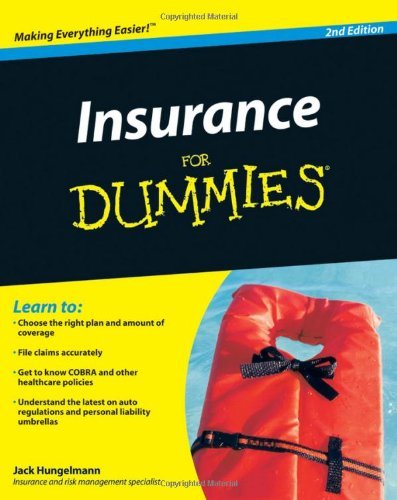
Insurance For Dummies?: Hungelmann, Jack
Whether you’re a homeowner or ... need on: ... Author Jack Hungelmann <strong>uses his twenty-five years of experience in the insurance industry to make buying insurance as simple as possible</strong>
Check Price on Amazon- Liability coverage: Pays for injuries and property damage you cause to others. Often shown as split limits like 25/50/25 — meaning $25,000 per person for bodily injury, $50,000 per accident total for bodily injury, and $25,000 for property damage. State minimums are often too low to protect your assets in a serious crash.
- Collision coverage: Pays to repair/replace your car after a crash, regardless of fault, minus your deductible (the amount you pay before insurance pays the rest).
- Comprehensive coverage: Pays for non-crash damage like theft, vandalism, hail, and hitting an animal, minus your deductible.
- Uninsured/Underinsured Motorist (UM/UIM): Pays if a driver with too little or no insurance hits you. In some states it’s required; in others it’s optional but wise to consider.
- Medical Payments (MedPay) or Personal Injury Protection (PIP): Helps pay medical bills for you and your passengers. PIP is required in some no-fault states and can include lost wages and other benefits.
How to check your state’s minimums: Visit your state’s Department of Insurance website for the current requirements and consumer guides. A quick way: search “[Your State] Department of Insurance auto minimum coverage.” If your car is financed or leased, your lender will typically require collision and comprehensive regardless of your state minimums.
What 18-year-olds commonly carry:
- If you own an older, paid-off car: Many choose at least state-minimum liability, but it’s smart to consider higher liability limits (e.g., 50/100/50 or 100/300/100) to better protect against lawsuits or large claims.
- If your car is financed/newer: Full coverage is typically required by your lender. Choosing a higher deductible (like $1,000 instead of $500) can reduce your premium, but make sure you can afford that out-of-pocket amount if you have a claim.
4) Add to a parent’s policy vs. buying your own
In most cases, adding an 18-year-old to a parent’s policy is cheaper than buying a standalone policy. But there are tradeoffs.
Pros of adding to a parent’s policy:
- Lower cost in many cases due to multi-car and household discounts and the parent’s longer insurance history.
- Simpler billing and coverage coordination across cars.
- Access to broader discounts (bundling with home/renters, loyalty, accident forgiveness where offered).
Cons of adding to a parent’s policy:
- If the teen has an accident, the parent’s premium can increase for several years.
- Some parents prefer to keep finances separate to teach budgeting or limit risk exposure.
- Vehicle ownership matters: If the 18-year-old is the sole titled owner and lives separately, a separate policy may be required. Rules vary by insurer.
Illustrative cost comparisons (not quotes):
- Good student 18-year-old in a moderate-cost state, added to parents on a 2015 Corolla with full coverage: Family premium up by about $2,800–$4,200 per year.
- Same driver buying a solo policy for the same car: Often $4,800–$7,000 per year.
- Liability-only examples tend to show a smaller gap, but adding to a parent’s policy still often saves $500–$1,500 per year.
Special situations:
- Distant student discount: If you attend school 100+ miles from home without a car (distance varies by insurer), parents can often keep you listed and pay less.
- Named driver exclusions: Some families exclude a driver from specific cars to control costs. Be extremely careful — an excluded driver typically has no coverage at all when driving that car.
5) Practical ways to lower premiums for 18-year-olds
Here is what actually matters when choosing cost-cutting strategies:
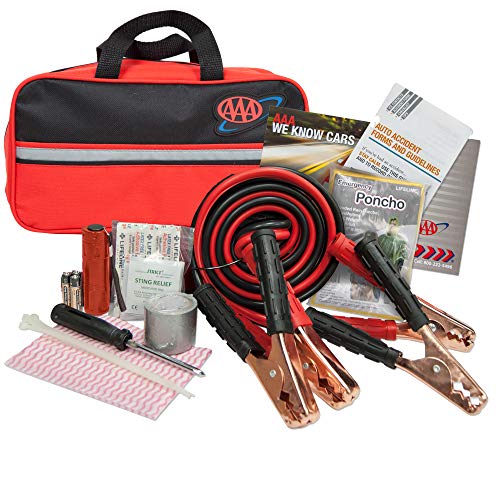
Lifeline AAA Premium Road Kit, 42 Piece Emergency Car Kit with Jumper Cables, Flashlight and First Aid Kit,4330AAA,Black : Everything Else
View on Amazon
Garmin Dash Cam Mini 2, Tiny Size, 1080p and 140-degree FOV, Monitor Your Vehicle While Away w/ New Connected Features, Voice Control (Renewed) : Electronics
Amazon.com: Garmin Dash Cam Mini 2, <strong>Tiny Size, 1080p and 140-degree FOV, Monitor Your Vehicle While Away w/ New Connected Features, Voice Control</strong> (Renewed) : Electronics
Check Price on Amazon- Choose the right car: A 2014 Honda Civic or Toyota Corolla with strong safety ratings typically costs far less to insure than a turbocharged coupe or luxury SUV. Get quotes on a few VINs before you buy.
- Good student discount: Maintain a B average or better (requirements vary) to earn 5%–20% off with many carriers.
- Driver education/defensive driving: Completing an approved course can reduce premiums, especially in states that mandate a discount.
- Telematics/usage-based programs: Safe driving tracked via app/device can earn sizable discounts. Night driving, hard braking, and phone use usually matter most.
- Increase deductibles: Moving from a $500 to a $1,000 deductible on collision/comprehensive can reduce premiums, sometimes 10%–20%. Only do this if you have the savings to cover that higher out-of-pocket cost.
- Bundling: Pairing auto with renters insurance (often $10–$20/month) or with a parent’s homeowners policy can trigger multi-policy savings.
- Shop every 6–12 months: Rates for young drivers change quickly. New discounts, changing driving patterns, or a clean record milestone can lower your price.
- Payment strategies: Pay-in-full and autopay/paperless discounts are common. Spreading payments monthly can come with installment fees.
- Keep mileage honest: If you drive less than 7,500–10,000 miles/year, ask about low-mileage pricing or pay-per-mile programs (availability varies by state).
For more money-saving ideas tailored to new drivers, see our guide: Best Car Insurance for New Drivers: Top Picks & How to Save (/auto-insurance/best-car-insurance-new-drivers-top-picks-save).
6) How to compare quotes step-by-step (and what you’ll need)
The fastest way to see what you would actually pay is to compare quotes from 3–5 carriers with the same coverage settings. Here’s how to do it right:
Step 1 — Decide your coverage targets first
- Pick liability limits you’re comfortable with (for many families: 100/300/100). If you need full coverage, set the same deductibles (e.g., $1,000 collision and $1,000 comprehensive) across all quotes.
Step 2 — Gather your info
- Driver’s license numbers for everyone on the policy
- Vehicle details: year/make/model and VIN
- Garaging address and whether you park on-street or in a garage
- Estimated annual mileage and your commute
- Prior insurance details (if any) and current limits
- Dates/details of any tickets or claims in the last 3–5 years
- Student documents: GPA/transcript for good student, certificate for driver training
Step 3 — Run quotes on the same day
- Pricing can change. Collect quotes within 24–48 hours for a fair comparison.
Step 4 — Keep variables identical
- Same liability limits, same deductibles, same drivers/vehicles. Changing one lever can make a cheap quote look expensive or vice versa.
Step 5 — Check the details
- Look for fees, accident forgiveness, new car replacement, roadside assistance, rental reimbursement, and total coverage caps.
Step 6 — Verify discounts actually applied
- Good student, telematics enrollment, multi-car, multi-policy, pay-in-full, paperless, and defensive driving should show on your quote.
Step 7 — Decide monthly vs. pay-in-full
- Monthly can include installment fees and sometimes a larger upfront payment. Pay-in-full often saves money if you can swing it.
Ready to see real numbers? Start here: Car Insurance Quotes: Compare Rates & Get Personalized Quotes Fast (/auto-insurance/car-insurance-quotes-compare-rates). It’s a straightforward way to stack 3–5 carrier offers and spot savings.
7) Top carriers and discounts for young drivers
Rates change constantly, and the best company for you depends on your state, vehicle, household setup, and driving history. That said, these insurers are frequently competitive for 18-year-olds in many regions:
- State Farm: Often strong for families adding a teen, with good student and Steer Clear safe-driving program.
- GEICO: Frequently competitive for liability-only and offers robust telematics and good student discounts.
- Progressive: Known for Snapshot telematics and flexible coverage options; can be solid for solo policies.
- Nationwide: SmartRide telematics and SmartMiles pay-per-mile (in select states) can help lower costs for low-mileage drivers.
- Erie Insurance: Often sharp pricing in its regional footprint; youth-friendly discounts in many states.
- Auto-Owners: Strong family pricing and multi-policy savings where available.
- American Family: Good student and teen driver discounts are common.
- USAA: Frequently excellent for military members and their families. Eligibility is limited.
Important: Even “teen-friendly” carriers can quote wildly different prices for the same driver. Always compare multiple companies on the same day.
If you’re laser-focused on trimming costs, our guide — Cheapest Car Insurance for Young Drivers: How to Cut Your Rates (/auto-insurance/cheapest-car-insurance-young-drivers-cut-rates) — walks through more targeted savings tactics.
8) Next steps: quick checklist to get personalized quotes
Use this mini checklist to go from curious to covered in under an hour:
- Decide: Add to a parent’s policy or buy your own? If you live at home and share cars, adding is usually cheaper.
- Pick your coverage: At least price out higher-than-minimum liability. If your car is financed, plan for full coverage with a deductible you can afford.
- Gather documents: Licenses, VINs, mileage, prior insurance details, and student/driver course proof.
- Get 3–5 quotes: Same limits and deductibles. Enroll in telematics when offered to lock in potential savings.
- Compare total cost vs. features: Look at monthly cost, fees, roadside/rental coverage, accident forgiveness, and the insurer’s claims reputation.
- Ask about every discount: Good student, driver training, distant student, multi-car, multi-policy, telematics, pay-in-full, paperless, autopay.
- Decide how to pay: Pay-in-full usually saves. If paying monthly, ask about deposit requirements and installment fees.
When you’re ready, you can quickly line up options here: Compare Car Insurance: Best Coverage and Price Today (/auto-insurance/compare-car-insurance).
What to look for when choosing a policy (so you don’t overpay or get underinsured)
- Liability headroom: State minimums are often too low for real-world crash costs. Consider higher limits if you can.
- Deductible you can actually pay: A $1,500 deductible can look cheap until a claim lands.
- Real discounts vs. shiny ones: Good student and telematics usually deliver. Loyalty discounts are nice but should not stop you from switching if another carrier is much cheaper.
- Claims experience: A low premium with poor claims service can cost you time and stress when you need help most. Skim recent reviews and ask friends.
- Policy flexibility: Can you easily add rental reimbursement or roadside assistance? Can you adjust miles or switch telematics mid-term?
Real-world example: putting it all together
Say you’re an 18-year-old non-smoker living in Texas, driving a 2016 Corolla about 8,000 miles/year. You want full coverage with $100,000/$300,000/$100,000 liability and $1,000 deductibles. You have a B+ average and are willing to try a telematics program.
- On a parent’s policy: You might see the household premium increase by $3,000–$4,500, after good student and telematics.
- On your own policy: You might see $5,500–$7,500, sometimes higher depending on ZIP and credit (where allowed).
If your budget is tight, consider liability-only on a cheaper, paid-off car while you build history — but run the numbers both ways. If eliminating collision/comprehensive only saves a few hundred dollars, keeping full coverage on a car you rely on may be worth it.
Note: For personalized guidance, it’s always wise to talk with a licensed insurance agent who can review your situation, state rules, and available discounts.
Frequently asked questions about car insurance for 18 year olds
- Why are 18-year-old rates so high? Insurers price based on risk. Younger drivers have fewer years behind the wheel and higher accident frequencies and claim costs, so premiums reflect that risk.
- Will my rate drop at 19 or 20? Often, yes — particularly if you keep a clean record and maintain good credit (where allowed). But the bigger drops tend to show up at 21 and again at 25.
- Do I need my own policy if I live away at school? Not always. Many students remain on a parent’s policy if their permanent address is home. If you own the car and live independently, you may need your own policy. Ask a licensed agent based on your situation.
- Can I be excluded to save money? Some families exclude a teen from specific cars. Understand that an excluded driver typically has no coverage when driving that car — even in an emergency. Weigh the risk carefully.
Ready to check your price?
The smartest next step is to compare quotes from 3–5 carriers with the same coverage limits and deductibles. You’ll quickly see who treats 18-year-olds most fairly in your state and with your exact car and driving profile. Start here: Car Insurance Quotes: Compare Rates & Get Personalized Quotes Fast (/auto-insurance/car-insurance-quotes-compare-rates) or browse more cost-cutting ideas in our new-driver guide: Best Car Insurance for New Drivers: Top Picks & How to Save (/auto-insurance/best-car-insurance-new-drivers-top-picks-save).
Recommended Resources
Insurance For Dummies?: Hungelmann, Jack
Whether you’re a homeowner or ... need on: ... Author Jack Hungelmann <strong>uses his twenty-five years of experience in the insurance industry to make buying insurance as simple as possible</strong>
Garmin Dash Cam Mini 2, Tiny Size, 1080p and 140-degree FOV, Monitor Your Vehicle While Away w/ New Connected Features, Voice Control (Renewed) : Electronics
Amazon.com: Garmin Dash Cam Mini 2, <strong>Tiny Size, 1080p and 140-degree FOV, Monitor Your Vehicle While Away w/ New Connected Features, Voice Control</strong> (Renewed) : Electronics
Lifeline AAA Premium Road Kit, 42 Piece Emergency Car Kit with Jumper Cables, Flashlight and First Aid Kit,4330AAA,Black : Everything Else
Amazon.com: <strong>Lifeline AAA Premium Road Kit</strong>, 42 Piece Emergency Car Kit with Jumper Cables, Flashlight and First Aid Kit,4330AAA,Black : Everything Else
Related Articles
- Cheapest Car Insurance for Young Drivers: How to Cut Your Rates
- Affordable Car Insurance for Young Adults: Practical Ways to Lower Your Premiums
- Best Car Insurance for New Drivers: Top Picks & How to Save
- Auto Insurance for New Drivers: Coverage, Costs, and Smart Ways to Save
- Auto Insurance Quotes: Compare Rates & Get a Fast Free Quote
- How Much Is Car Insurance? Average Costs, Factors & Ways to Save
- Affordable Auto Insurance for Families: Smart Ways to Cut Costs Without Sacrificing Protection
- Auto Insurance for High‑Risk Drivers: Finding Coverage, Cutting Costs, and Rebuilding Your Record