
Auto Insurance in Indiana: Rates, Requirements & How to Save
You’re shopping for auto insurance in Indiana and wondering: What coverage do I actually need, and what’s a fair price? Here’s what actually matters when choosing a policy in the Hoosier State—requirements, typical rates, and practical ways to save without leaving yourself exposed.
Note: Rates vary by driver, vehicle, ZIP code, and insurer. Use the examples below as ballpark ranges—your price will be your price.
Indiana auto insurance requirements and minimum coverage
Indiana is an at-fault state—after a crash, the driver found legally responsible pays for the other party’s injuries and damage. The state requires every driver to carry at least:
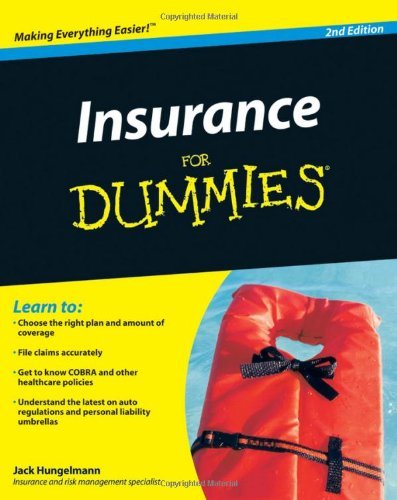
Insurance For Dummies?: Hungelmann, Jack
Whether you’re a homeowner or ... need on: ... Author Jack Hungelmann <strong>uses his twenty-five years of experience in the insurance industry to make buying insurance as simple as possible</strong>
Check Price on Amazon- Bodily injury liability: $25,000 per person / $50,000 per accident (pays others’ medical bills and lost wages if you cause a crash)
- Property damage liability: $25,000 per accident (pays for damage to others’ vehicles or property if you cause a crash)
Two other coverages are commonly included or offered in Indiana:
- Uninsured/Underinsured Motorist (UM/UIM): Insurers must offer this in at least 25/50 (for bodily injury), typically with an option for property damage too. UM/UIM helps when the at-fault driver has no insurance or not enough. You can reject it in writing, but most drivers keep it because it’s relatively low-cost protection against hit-and-runs and uninsured drivers.
- Medical payments (MedPay): Optional coverage that helps pay for you and your passengers’ medical costs after a crash, no matter who’s at fault. It can work alongside your health insurance and can cover deductibles and co-pays.
Other coverages to consider:
- Collision coverage: Pays to repair or replace your car if you hit another vehicle or object.
- Comprehensive coverage: Pays for non-collision events like theft, hail, tornado/wind damage, fire, falling objects, or hitting a deer—common in Indiana. Together, collision and comprehensive are often called “full coverage” (not a legal term)—they protect your own vehicle.
- Deductible: The amount you pay out of pocket before insurance kicks in (for comp/collision). Typical deductibles are $500–$1,000; higher deductibles usually mean lower premiums.
If you want a quick refresher on each coverage type and how they work together, see our explainer: Understanding Auto Insurance Coverage Types (/auto-insurance/understanding-auto-insurance-coverage-types).
Financial responsibility alternatives exist (like a surety bond or self-insurance certificate), but most individuals meet the requirement by buying a standard policy.
Average car insurance rates in Indiana by age, vehicle, and driving record
Indiana premiums are typically lower than the national average, but prices vary widely. Think in ranges rather than single numbers:
- Minimum liability-only: Often $35–$70 per month for a clean-driving adult, depending on ZIP code and insurer
- Full coverage (liability + comprehensive + collision): Often $110–$190 per month for a clean-driving adult with a mainstream sedan or small SUV
A few realistic scenarios (for illustration only):
- A 40-year-old driver in Fort Wayne with a clean record, driving a 2018 Honda CR‑V: commonly sees full coverage quotes in the $1,300–$1,800 per year range.
- A 30-year-old in Indianapolis with one recent speeding ticket, driving a 2020 Toyota Camry: may see full coverage cluster around $1,700–$2,400 per year.
- A 22-year-old in Bloomington with no accidents, minimum coverage on a 2012 Ford Focus: could range from $800–$1,400 per year depending on discounts and credit tier.
How age, vehicle, and record typically move rates in Indiana:
By age:
- Teens (16–19): Highest premiums—limited experience and higher claim frequency
- Early 20s: Still high, but drops with each clean year
- 30s–50s: Often the best pricing group
- 60s–70s: Modest increases may return due to claim trends
By vehicle:
- Mainstream sedans and small SUVs: Usually cheapest for full coverage
- Pickups: Often a bit higher due to repair costs and claim patterns
- Sports and luxury cars: Higher due to performance, parts, and theft risk
By record:
- One speeding ticket: Often +10% to +25% at renewal (varies by company)
- At-fault accident: Often +20% to +50% depending on severity and insurer
- DUI/OWI: Significant increase; you’ll likely need an SR‑22 filing (a state-required proof of financial responsibility filed by your insurer)
Again, these are ballparks—insurers rate risk differently, and pricing can swing more than you might expect.
Factors that affect Indiana auto insurance premiums
Insurers in Indiana use many variables. Focus on the ones you can control:
- Location: Denser areas like Indianapolis, Gary, and South Bend tend to run higher due to crash frequency and theft. Rural ZIPs often see lower rates, but deer strikes and hail/tornado claims can push comprehensive costs.
- Driving record and claims history: Clean records win. One at-fault accident can linger in pricing for 3–5 years.
- Annual mileage and commute: Fewer miles typically equals lower risk and lower premiums.
- Vehicle type, age, and safety features: Vehicles with strong safety ratings, affordable parts, and anti-theft features usually price better.
- Coverage levels and deductibles: Higher liability limits and lower deductibles raise premiums. Many Indiana families step up to 100/300/50 liability (or higher) for better protection.
- Credit-based insurance score: Indiana allows insurers to use credit-based insurance scores. Improving your credit typically helps lower rates over time.
- Household factors: Multi-car and multi-policy (home/condo/renters + auto) discounts can be substantial.
- Telematics: Many insurers offer a device or app that tracks driving habits (hard braking, time of day). Safe drivers can earn meaningful discounts; riskier patterns can blunt or, with some programs, even increase rates—ask before you enroll.
- SR‑22 requirements: After certain violations (like OWI or driving uninsured), the state may require an SR‑22 filing. This is not insurance; it’s a certificate your insurer files with the BMV. Premiums typically rise during the SR‑22 period.
How to compare and get the cheapest auto insurance in Indiana
Here’s a step-by-step approach that typically gets Indiana drivers the best combination of coverage and price.
Step 1: Decide your must-have coverage
- Start with state minimum liability, then consider higher limits like 50/100/50 or 100/300/50. Medical bills and lawsuit costs can exceed minimums quickly.
- Add comprehensive and collision if your car is newer, financed, or if you couldn’t comfortably replace it out of pocket.
- Keep UM/UIM for protection from uninsured/underinsured drivers.
- Consider MedPay to help with out-of-pocket medical costs regardless of fault.
Step 2: Gather what insurers will ask for
- Driver info (license numbers, dates of birth)
- Vehicle info (VINs, mileage, safety features)
- Garaging address (your primary parking ZIP)
- Driving history (tickets/accidents in last 3–5 years)
- Desired deductibles and liability limits
Step 3: Compare quotes from 3–5 carriers—same limits, apples-to-apples
The fastest way to see what you would actually pay is to compare quotes from 3–5 carriers side-by-side using the same coverage limits and deductibles. Try a mix of national and regional companies that write heavily in Indiana.
Start here if you want personalized estimates in minutes: Car Insurance Quotes: Compare Rates & Get Personalized Quotes Fast (/auto-insurance/car-insurance-quotes-compare-rates).
Step 4: Hunt for stackable discounts
- Multi-policy (bundle auto + home/condo/renters)
- Multi-car and newly married household rating
- Good driver and claims-free
- Good student (typically full-time students with a B average or better)
- Defensive driving/Driver Safety Program completion
- Telematics/safe driving apps
- Anti-theft and safety device credits
- Paying in full or automatic bank pay
Step 5: Adjust dials that move price the most
- Deductibles: Moving from a $500 to a $1,000 deductible can meaningfully cut full coverage premiums. Only choose what you could pay out of pocket tomorrow.
- Liability limits: Don’t go lower than you’re comfortable with just to win a lower price—medical and legal costs can escalate fast.
- Remove coverage on older cars you could afford to replace, but keep liability and UM/UIM strong.
Step 6: Vet the insurer, not just the price
- Financial strength (A.M. Best rating) and claims satisfaction matter when you need help most.
- Ask how their claims process works and whether they use preferred shops or OEM vs. aftermarket parts.
Prefer a local hand to compare options? You can also check: Car Insurance Near Me: Compare Local Quotes & Find Agents Fast (/auto-insurance/car-insurance-near-me-compare-local-quotes-agents-fast).
Indiana-specific discounts and savings opportunities
- Indiana BMV-approved Driver Safety Program (DSP): Completing an approved defensive driving course can earn a carrier discount and may help with point reduction for certain violations. Ask your insurer which courses qualify and how long the discount applies (often up to 3 years).
- Telematics for rural and suburban drivers: If most of your driving avoids late-night hours and heavy congestion, usage-based programs may price you favorably.
- Deer, hail, and wind awareness: Comprehensive claims are common in Indiana. If you park outside and rely on your vehicle daily, keep comprehensive with a deductible you’re comfortable paying. Preventive steps (garaging when possible, weather alerts) won’t change your premium immediately but can help you avoid a claim.
- Student away at school: If a listed driver attends college more than ~100 miles from home without a car, many insurers offer a discount.
- Low-mileage/remote work: If you drive significantly less than average, ask for a low-mileage rating or usage-based option.
- Military/veteran, professional, or alumni affiliations: Many carriers extend small but easy discounts—always worth asking.
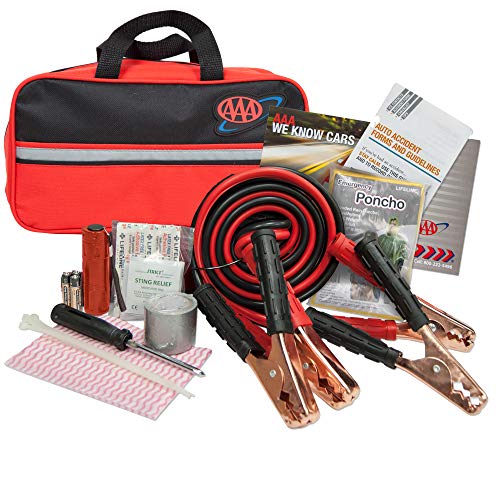
Lifeline AAA Premium Road Kit, 42 Piece Emergency Car Kit with Jumper Cables, Flashlight and First Aid Kit,4330AAA,Black : Everything Else
View on AmazonFiling a claim in Indiana: what to expect
If you’re in a crash in Indiana, here’s the typical flow.

Garmin Dash Cam Mini 2, Tiny Size, 1080p and 140-degree FOV, Monitor Your Vehicle While Away w/ New Connected Features, Voice Control (Renewed) : Electronics
Amazon.com: Garmin Dash Cam Mini 2, <strong>Tiny Size, 1080p and 140-degree FOV, Monitor Your Vehicle While Away w/ New Connected Features, Voice Control</strong> (Renewed) : Electronics
Check Price on Amazon- Safety first and documentation
- Move to a safe spot, call 911 if needed, and exchange information.
- Photograph the scene, vehicles, plates, and any visible injuries.
- For hit-and-runs, get a police report promptly—your UM coverage may require it.
- Report the claim quickly
- Call your insurer or file via app. Provide the other driver’s info, witness contacts, and the police report number if available.
- Fault and Indiana’s modified comparative fault rule
- Indiana follows a 51% modified comparative fault rule. If you’re 50% or less at fault, you can seek damages from the other party; your recovery is reduced by your percentage of fault. If you’re 51% or more at fault, you typically can’t recover from the other party.
- Appraisal and repair
- An adjuster (claims representative) will estimate damage. You choose the body shop, though preferred shops can speed up parts ordering and guarantee repairs. Keep all receipts.
- Deductibles and total losses
- If you carry collision or comprehensive, you’ll pay your deductible (the out-of-pocket amount before insurance pays) for covered repairs unless the other driver’s insurer accepts full fault quickly.
- If the vehicle is a total loss (repair cost plus salvage exceeds its actual cash value), you’ll be paid the vehicle’s value minus deductible for your own-policy claims.
- Uninsured drivers and diminished value
- If the at-fault driver is uninsured, your UM/UIM coverage can step in (subject to limits and terms). For hit-and-run, a police report is often required.
- Indiana generally allows third-party diminished value claims (compensation for loss of your car’s value after proper repairs) against an at-fault party. Results vary by insurer and evidence—keep detailed repair documentation.
Time limits: Personal injury and property damage claims are typically subject to a two-year statute of limitations in Indiana. Report claims to your insurer promptly; waiting can complicate coverage and fault decisions.
What to look for when choosing car insurance in Indiana
- Strong liability limits: Medical costs and legal fees add up fast. Many Indiana families opt for at least 100/300/50; consider an umbrella policy if you have assets to protect.
- UM/UIM that matches your liability: Protects you from uninsured or underinsured drivers—which remain common.
- Comprehensive and collision with realistic deductibles: Especially if hail, deer, or financing is in the picture.
- Rental reimbursement and towing: Rental (coverage that pays for a temporary vehicle while yours is repaired) is inexpensive peace of mind in single-car households.
- Claims reputation and parts policy: Ask whether the insurer uses OEM (original equipment manufacturer) or aftermarket parts for newer cars.
- Discount eligibility now and later: Telematics, DSP completion, bundling, and multi-car can shave meaningful dollars over multiple years.
If you want a refresher on the building blocks of coverage before you price-shop, this quick guide helps: Understanding Auto Insurance Coverage Types (/auto-insurance/understanding-auto-insurance-coverage-types).
FAQ: common questions about Indiana car insurance
Is Indiana a no-fault state?
- No. Indiana is an at-fault state. The driver found legally responsible pays for damages. Your MedPay can help pay medical bills regardless of fault; UM/UIM helps if the other driver lacks adequate insurance.
What are the minimum car insurance requirements in Indiana?
- 25/50/25 for liability (bodily injury per person/per accident and property damage), plus insurers must offer UM/UIM which you can reject in writing. Many drivers choose higher limits for better protection.
Do I need SR‑22 insurance in Indiana after an OWI?
- If the BMV requires it after an OWI or certain violations, your insurer can file an SR‑22 (a proof-of-financial-responsibility certificate) on your behalf. Not all carriers file SR‑22s, and rates typically increase during the filing period.
How much does car insurance cost in Indiana?
- For a clean-driving adult, minimum coverage often runs about $35–$70 per month, and full coverage about $110–$190 per month. Your price depends on your age, ZIP code, vehicle, coverage choices, credit tier, and discounts.
Do I need proof of insurance in my car?
- Yes, and electronic proof is accepted in Indiana. Keep your digital ID card accessible on your phone or in the insurer’s app.
Does comprehensive cover deer or hail damage?
- Yes. Comprehensive pays for non-collision events like hail, tornado/wind damage, theft, fire, and animal impacts (like deer). You’ll pay your comprehensive deductible if you file a claim.
What if I drive for Uber or Lyft in Indiana?
- Rideshare apps provide limited coverage while you’re waiting for a request (the “app-on” period), but gaps exist. Ask your insurer about a rideshare endorsement—it’s typically inexpensive and closes the coverage gap.
Can I keep my out-of-state policy if I move to Indiana?
- If your car is garaged in Indiana, you typically need a policy written for your Indiana address that meets state requirements. Update your policy promptly after moving.
A friendly heads-up and next steps
Insurance companies price Indiana drivers very differently. The single smartest step is to compare at least 3–5 quotes with the same limits and deductibles. It’s the fastest way to see what you would actually pay and which discounts you qualify for.
Get started here: Car Insurance Quotes: Compare Rates & Get Personalized Quotes Fast (/auto-insurance/car-insurance-quotes-compare-rates).
If you’d rather talk it through with a human, consider a local independent agent who can shop multiple carriers for you: Car Insurance Near Me: Compare Local Quotes & Find Agents Fast (/auto-insurance/car-insurance-near-me-compare-local-quotes-agents-fast).
Note: For personalized advice tailored to your situation, speak with a licensed agent. They can help you set the right liability limits, choose deductibles you’re comfortable with, and uncover discounts you might miss.
Recommended Resources
Insurance For Dummies?: Hungelmann, Jack
Whether you’re a homeowner or ... need on: ... Author Jack Hungelmann <strong>uses his twenty-five years of experience in the insurance industry to make buying insurance as simple as possible</strong>
Garmin Dash Cam Mini 2, Tiny Size, 1080p and 140-degree FOV, Monitor Your Vehicle While Away w/ New Connected Features, Voice Control (Renewed) : Electronics
Amazon.com: Garmin Dash Cam Mini 2, <strong>Tiny Size, 1080p and 140-degree FOV, Monitor Your Vehicle While Away w/ New Connected Features, Voice Control</strong> (Renewed) : Electronics
Lifeline AAA Premium Road Kit, 42 Piece Emergency Car Kit with Jumper Cables, Flashlight and First Aid Kit,4330AAA,Black : Everything Else
Amazon.com: <strong>Lifeline AAA Premium Road Kit</strong>, 42 Piece Emergency Car Kit with Jumper Cables, Flashlight and First Aid Kit,4330AAA,Black : Everything Else
Related Articles
- Home Insurance in Indiana: Coverage, Costs & Best Companies
- Auto Insurance in Illinois: Rates, Requirements & How to Save
- Life Insurance in Indiana: What Residents Need to Know
- Health Insurance in Indiana: Plans, Costs & How to Enroll
- Auto Insurance in Pennsylvania: Rates, Requirements & How to Save
- Auto Insurance in Wisconsin: Rates, Requirements & How to Save
- Auto Insurance in Kentucky: Rates, Requirements & How to Save
- Auto Insurance in Nebraska: Rates, Requirements & How to Save